The realm of display cases extends far beyond simply showcasing products; it’s a fundamental aspect of preservation, security, and aesthetic presentation across a diverse range of industries and applications. From museums safeguarding historical artifacts to retail environments enhancing consumer engagement, and even secure storage solutions for sensitive materials, the design and functionality of a display case are paramount. Understanding the nuances of display case construction, materials, and technologies is increasingly crucial in a world demanding both preservation and impactful visual communication. The increasing focus on security, coupled with advancements in materials science, has led to innovative solutions that address a multitude of needs, ultimately shaping how we interact with and value the objects around us.
Globally, the market for display cases is substantial and growing, driven by expanding retail sectors, increasing investments in cultural institutions, and a heightened awareness of security requirements. According to a report by Grand View Research, the global display cases market size was valued at USD 16.8 billion in 2022 and is expected to grow at a compound annual growth rate (CAGR) of 4.5% from 2023 to 2030. This growth is particularly prominent in emerging economies where retail infrastructure is rapidly developing. However, challenges remain, including the need for more sustainable materials and production processes, as well as addressing the specific security concerns associated with displaying high-value items. The consistent demand for adaptable and high-quality display case solutions highlights the vital role these structures play in global commerce and cultural preservation.
The increasing sophistication of theft prevention, driven by technological advancements such as biometric access control and advanced alarm systems, is pushing the boundaries of display case functionality. Furthermore, the emphasis on creating immersive and engaging customer experiences is transforming the design aesthetic of display case solutions. Effectively, a well-designed display case isn’t just a container; it’s an integral element of branding and consumer interaction.
Introduction to Display Case
The concept of a display case, at its core, is about controlled presentation. This control extends to protection – safeguarding contents from damage, theft, and environmental factors. Historically, display cases have evolved from simple wooden cabinets to complex, technologically advanced enclosures. Their development mirrors the increasing value placed on the items they house and the growing sophistication of security measures. Modern display cases are often integrated with lighting, climate control, and alarm systems, transforming them into miniature, self-contained environments.
The significance of a well-designed display case lies in its ability to enhance the perceived value of the showcased items. In retail, it can create a sense of exclusivity and desirability. In museums, it provides context and protection for delicate artifacts. Furthermore, the aesthetic appeal of the display case itself contributes to the overall environment, complementing the items it contains and enhancing the user experience. The effective use of a display case can be the difference between a passive viewing experience and an engaging, memorable interaction.
Defining the Display Case
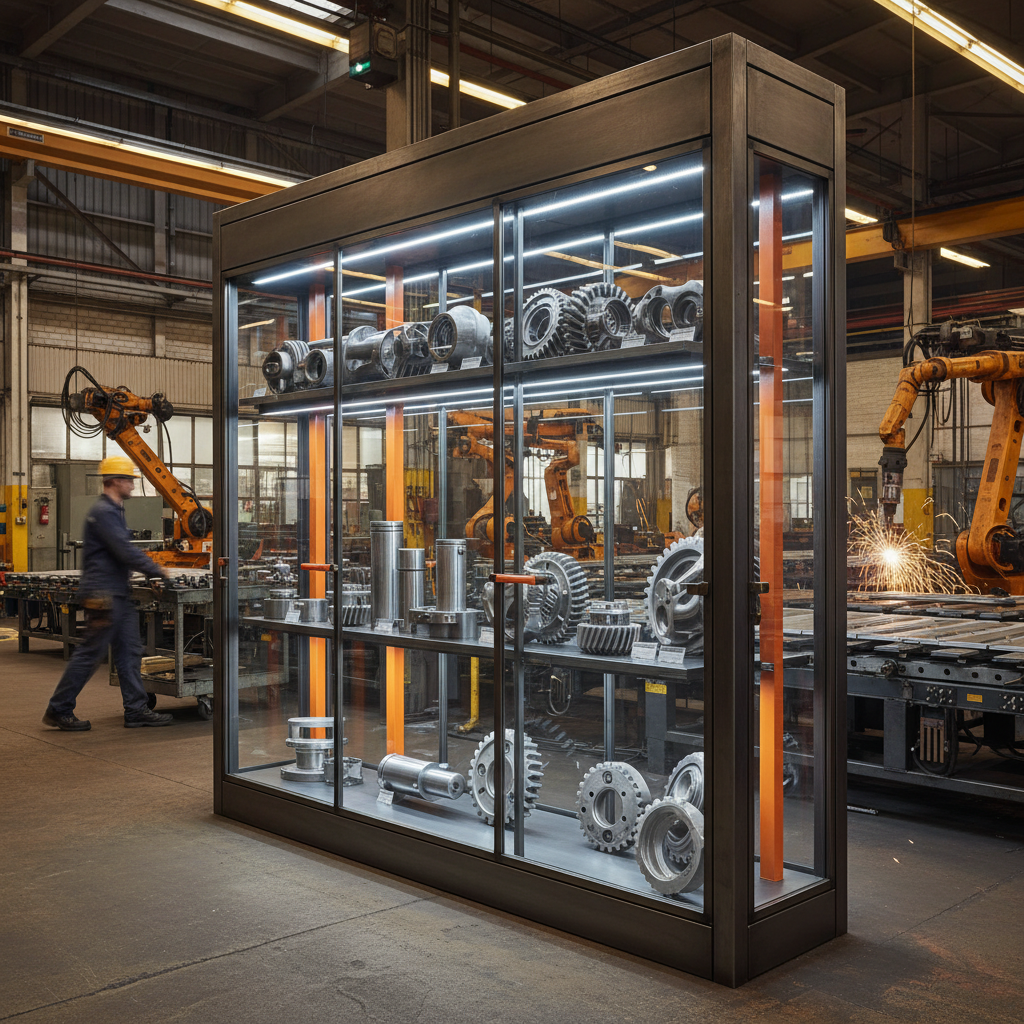
A display case is fundamentally an enclosure, typically constructed from transparent materials like glass or acrylic, designed to showcase objects while simultaneously providing protection. This protection can be against physical damage, theft, dust, and environmental factors such as humidity and UV light. The core function is to present items in a visually appealing and secure manner, allowing for unobstructed viewing while minimizing risk. The form factor varies widely, ranging from small countertop units to large, walk-in showcases.
The connection to modern industry is undeniable. Retail relies heavily on display cases to attract customers and highlight merchandise. Museums and galleries utilize them to preserve and present historical and artistic treasures. Even security-sensitive environments, like evidence rooms in law enforcement, employ specialized display cases for safe storage and examination of critical items. The evolution of display case technology reflects the changing needs of these industries.
The humanitarian relevance, although less direct, exists in the need for secure storage of essential supplies in disaster relief and crisis situations. While not traditionally thought of as a humanitarian tool, robust and portable display case-like structures can serve to protect vital resources like medical supplies or communication equipment, ensuring their accessibility in challenging circumstances.
Core Components of a Display Case
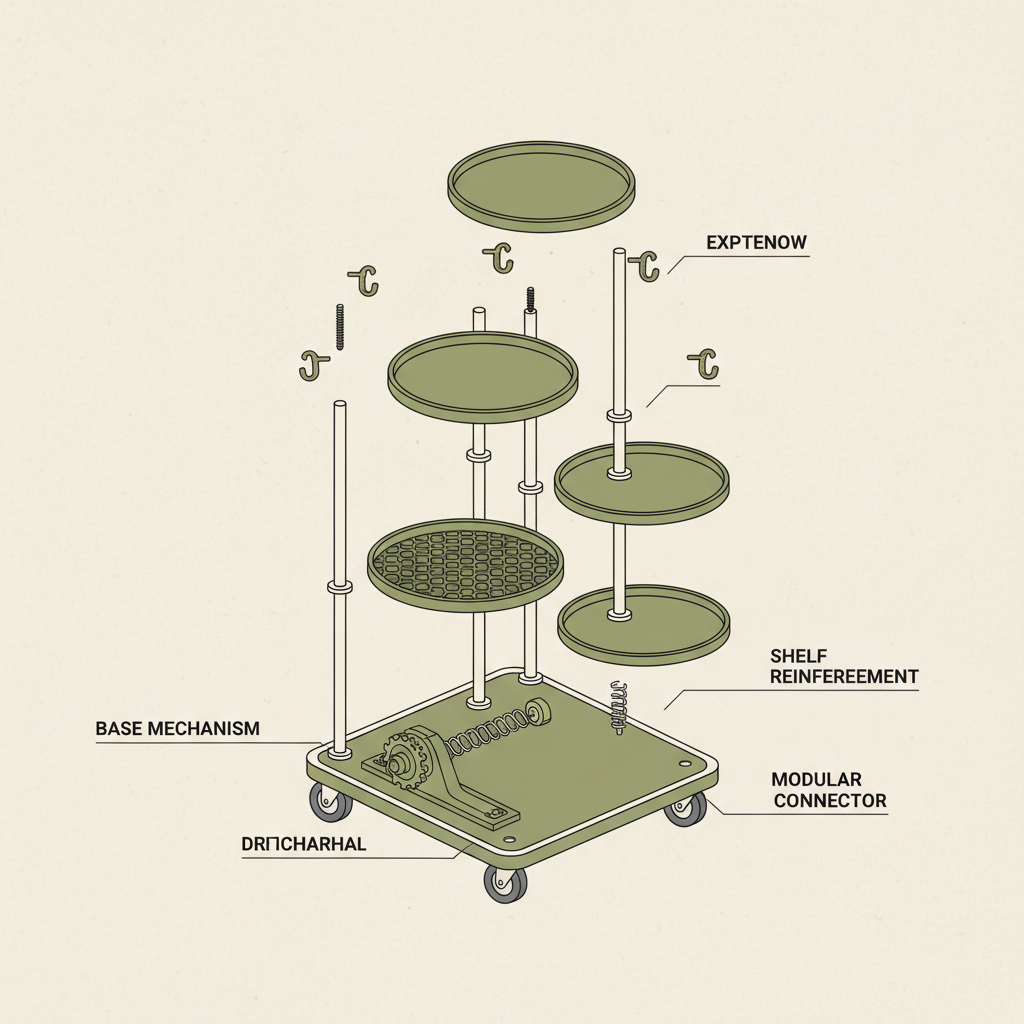
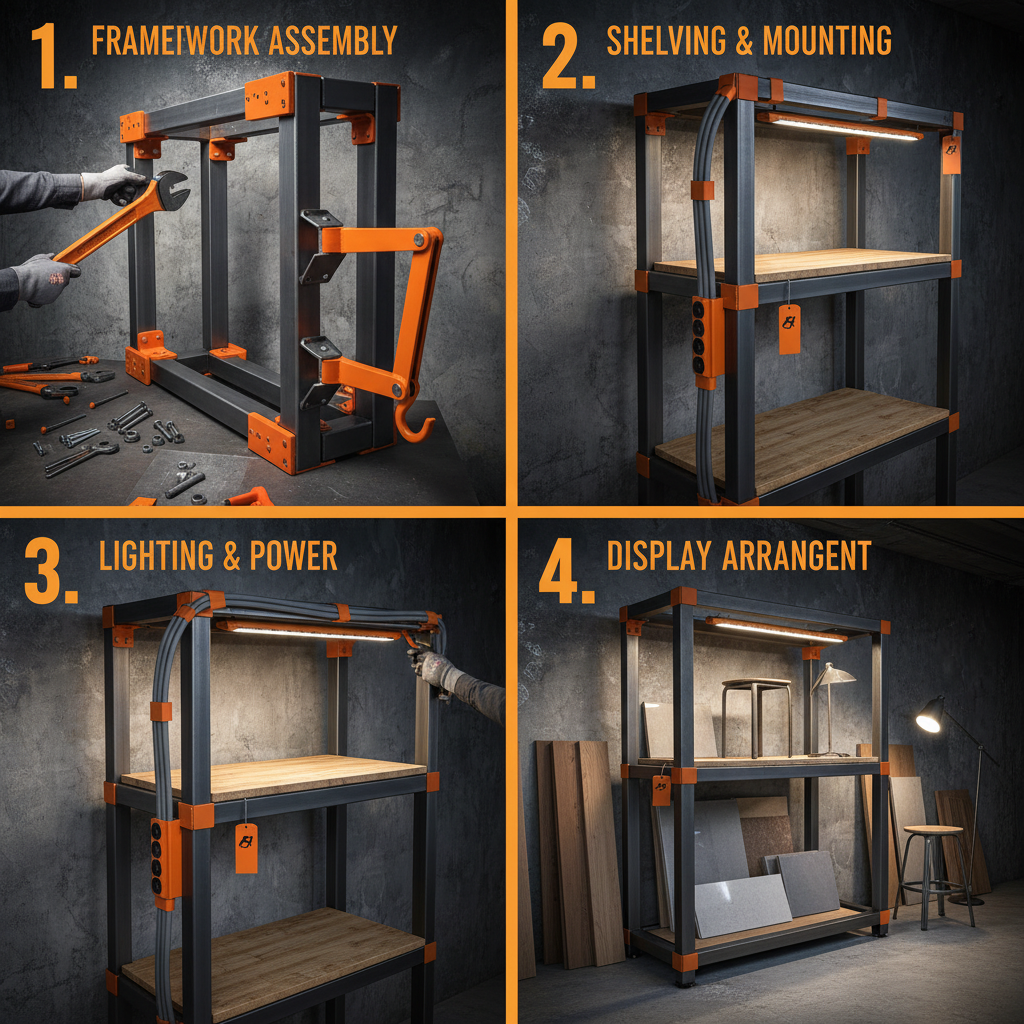
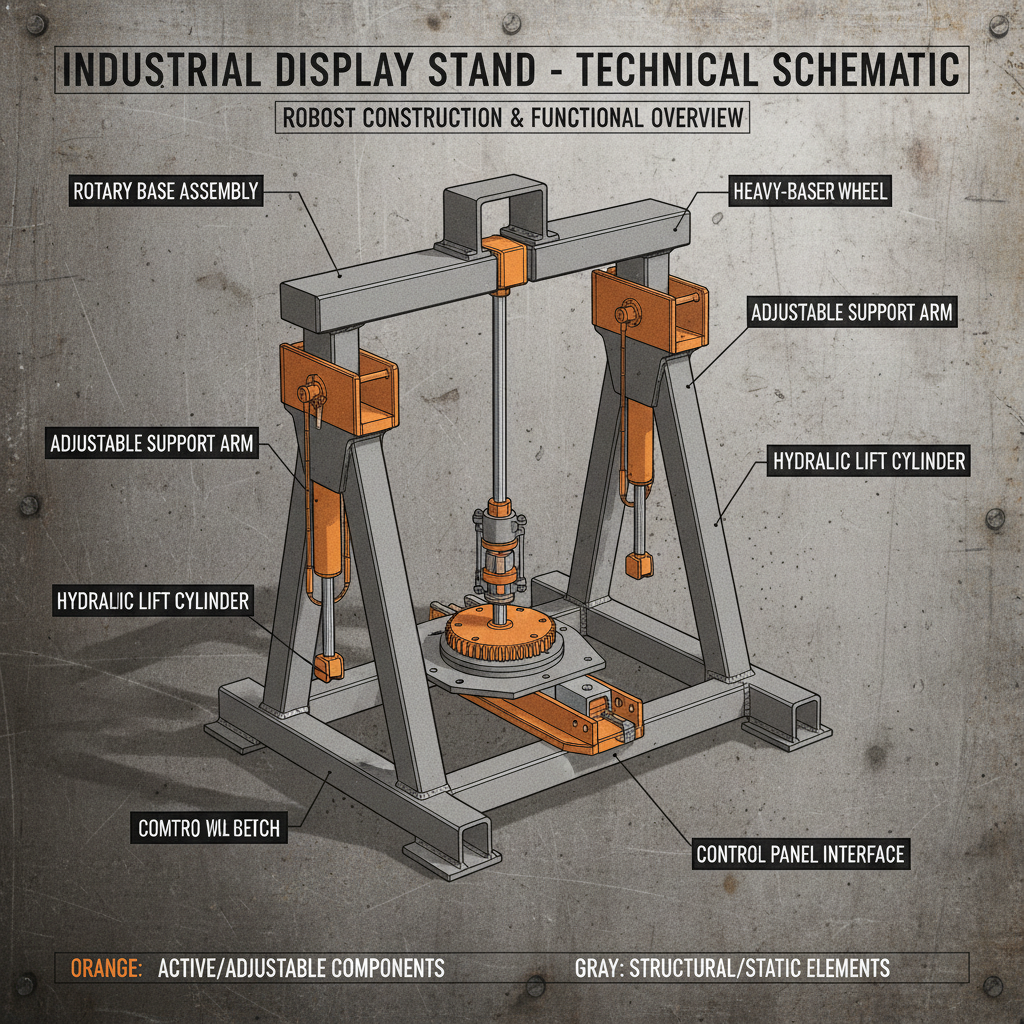
Several key components define the functionality and quality of a display case. The enclosure itself – typically glass or acrylic – is paramount, determining visibility and security. Framing materials, usually metal or wood, provide structural support and contribute to the overall aesthetic. Locking mechanisms are critical for security, ranging from simple key locks to advanced electronic access control systems.
Beyond the basics, more sophisticated display cases incorporate environmental controls, such as humidity regulation and temperature control, essential for preserving sensitive items like artwork or historical documents. Lighting systems play a crucial role in highlighting the showcased objects and creating an appealing display. Finally, features like shelving, internal dividers, and adjustable displays allow for customization and optimal presentation.
These components work in concert to create a secure and visually appealing environment for displaying valuable items. The selection of each component depends on the intended application, the value of the items being displayed, and the desired level of security and environmental control. A thoughtfully designed display case integrates these elements seamlessly, creating a harmonious and effective presentation.
Durability and Material Science in Display Cases
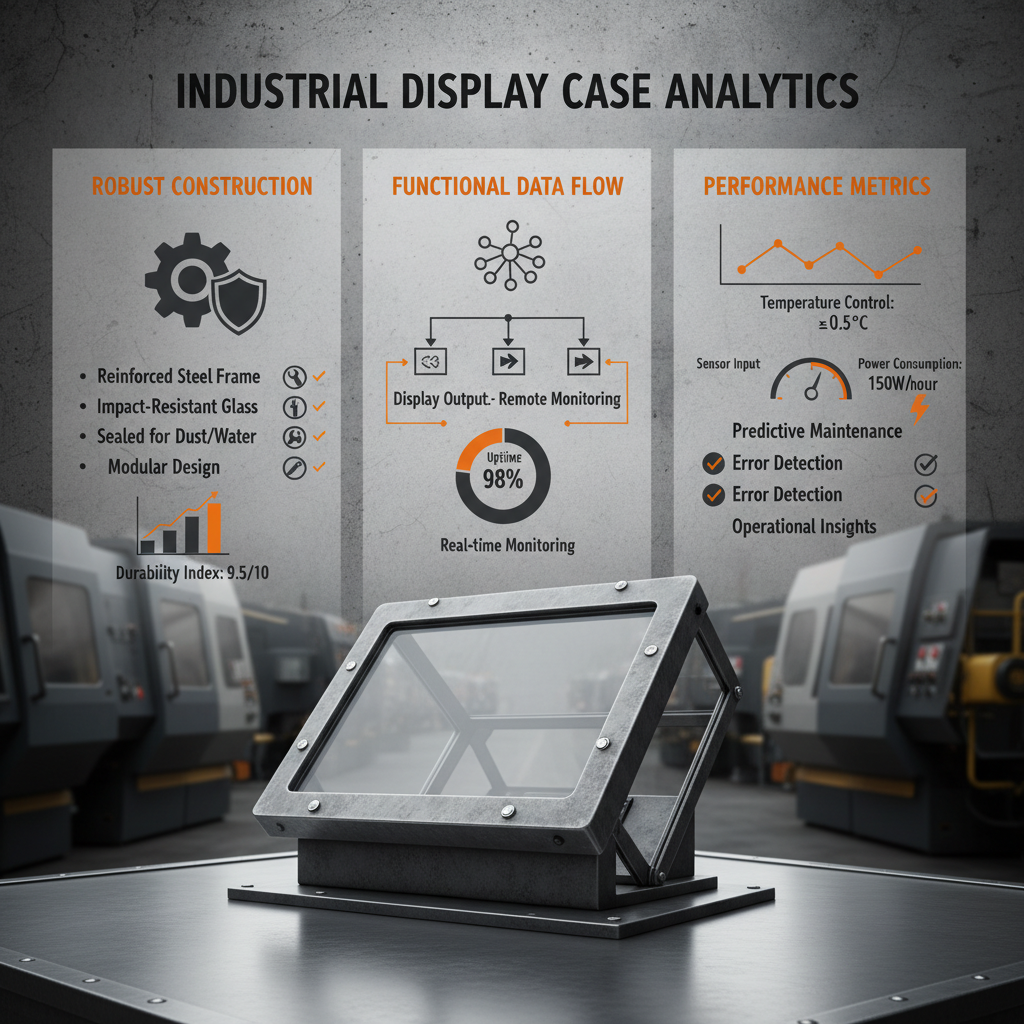
Durability is a cornerstone of effective display case design. The materials used must withstand both physical stress and environmental factors. Tempered glass is a common choice due to its superior strength and shatter resistance compared to standard glass. Acrylic, while less scratch-resistant, offers greater impact resistance and is lighter in weight. Metal frames, typically constructed from aluminum or steel, provide robust structural support.
Advancements in material science are leading to even more durable and secure options. Laminated glass, combining layers of glass with an interlayer, offers enhanced protection against breakage and forced entry. Polycarbonate, a highly impact-resistant plastic, is increasingly used in security applications. Furthermore, research into self-healing materials could potentially revolutionize display case construction, minimizing the impact of scratches and minor damage.
Durability Ratings of Display Case Materials
Global Applications of Display Cases
The applications of display cases are remarkably diverse, spanning numerous industries and sectors. In retail, they are ubiquitous, used to showcase everything from jewelry and electronics to clothing and cosmetics. Museums and art galleries rely on display cases to preserve and exhibit valuable artifacts and artwork, protecting them from damage and theft. Security-sensitive environments, such as banks and government buildings, utilize specialized display cases for secure storage of sensitive documents and items.
Regionally, the demand for display cases varies depending on economic factors and cultural priorities. North America and Europe represent mature markets with a strong focus on high-quality, aesthetically pleasing designs. Asia-Pacific is experiencing rapid growth, driven by expanding retail sectors and increasing investments in cultural institutions. Emerging economies in Latin America and Africa are also witnessing a growing demand for affordable and durable display case solutions.
Advantages and Long-Term Value
The advantages of investing in high-quality display cases extend far beyond initial appearance. Enhanced security is a primary benefit, deterring theft and protecting valuable items. Improved preservation helps maintain the integrity of sensitive materials, extending their lifespan and preserving their value. Aesthetically pleasing displays enhance the customer experience, creating a more engaging and memorable interaction.
Long-term value is realized through reduced losses due to theft or damage, increased sales due to improved presentation, and enhanced brand reputation. Durable, well-maintained display cases require less frequent replacement, resulting in lower lifecycle costs. The emotional impact of a well-curated display – evoking a sense of trust, sophistication, or wonder – is an intangible yet significant benefit. A professionally designed display case investment delivers on multiple levels.
Future Trends and Innovations
The future of display case technology is poised for significant innovation. Smart display cases, integrated with sensors and data analytics, will offer real-time monitoring of environmental conditions and security status. Augmented reality (AR) integration will allow customers to virtually interact with displayed items, enhancing the shopping experience. Sustainable materials, such as recycled plastics and bio-based polymers, will become increasingly prevalent, reducing the environmental impact of display case manufacturing.
Digital transformation will also play a crucial role, with interactive displays and digital signage integrated into display case designs. Automation will streamline manufacturing processes, reducing costs and improving efficiency. The development of self-cleaning and antimicrobial surfaces will enhance hygiene and reduce maintenance requirements. These advancements promise to revolutionize the way we showcase and interact with the world around us.
Furthermore, expect advancements in energy-efficient lighting solutions, utilizing LEDs and potentially even solar power, to minimize the carbon footprint of display case operations. The focus will increasingly shift towards creating intelligent and sustainable display solutions that meet the evolving needs of businesses and consumers alike.
FAQS
For outdoor display cases, durability and weather resistance are key. Acrylic is a strong contender due to its excellent impact resistance and UV stability. Aluminum frames are preferred over steel as they won’t rust. Consider features like waterproof seals and climate control systems to protect contents from moisture and extreme temperatures. Regular maintenance is also crucial to ensure longevity and continued protection.
Several discreet security measures can be implemented. Laminated glass offers a significant increase in break resistance. High-security locks, potentially incorporating electronic access control, can be concealed within the frame. Consider adding hidden sensors that trigger alarms upon unauthorized access. Anti-theft film applied to the glass can also deter smash-and-grab attempts, all while maintaining the aesthetic appeal of the display case.
Generally, acrylic is more expensive than standard glass but often less expensive than tempered or laminated glass. While acrylic is more impact-resistant, it scratches more easily. Glass offers superior clarity and scratch resistance, but is more prone to breakage. The total cost also depends on the size, framing material, and any additional features like lighting or locking mechanisms. Consider the long-term maintenance costs as well.
UV protection is critical for preserving items sensitive to sunlight, such as artwork, fabrics, and certain plastics. Acrylic inherently offers better UV protection than glass, but specialized UV-filtering glass is also available. Applying a UV-filtering film to the glass is another effective option. Without adequate UV protection, colors can fade, materials can become brittle, and the lifespan of displayed items can be significantly reduced.
LED lighting is the preferred choice due to its energy efficiency and minimal heat emission. Fiber optic lighting can create dramatic effects and highlight specific features. Consider using adjustable spotlights to direct light precisely where it’s needed. Color-changing LEDs can add a dynamic element to the display. Ensure the lighting doesn’t create glare or hotspots that detract from the viewing experience.
Regular cleaning with a microfiber cloth and a mild, non-abrasive cleaner is essential. Avoid harsh chemicals that can damage the materials. For acrylic, use a plastic polish to remove scratches. Periodically inspect the seals and locking mechanisms to ensure they are functioning properly. Address any minor damage promptly to prevent it from worsening. Proper maintenance will significantly extend the lifespan of your display case.
Conclusion
In conclusion, the display case is far more than a simple container; it’s a sophisticated solution with a wide-ranging impact on industries from retail and security to museums and cultural preservation. Its evolution reflects advancements in material science, technology, and design, driven by the need for enhanced protection, aesthetic appeal, and user engagement. Understanding the core components, global applications, and future trends associated with display cases is essential for anyone involved in showcasing, preserving, or securing valuable items.
Looking ahead, the integration of smart technology, sustainable materials, and innovative design principles will continue to shape the future of display cases. By embracing these advancements, businesses and institutions can create more effective, efficient, and visually appealing displays that enhance the value of the items they showcase and elevate the overall user experience. Visit our website at www.chshopdisplay.com to explore a comprehensive range of display case solutions tailored to your specific needs.