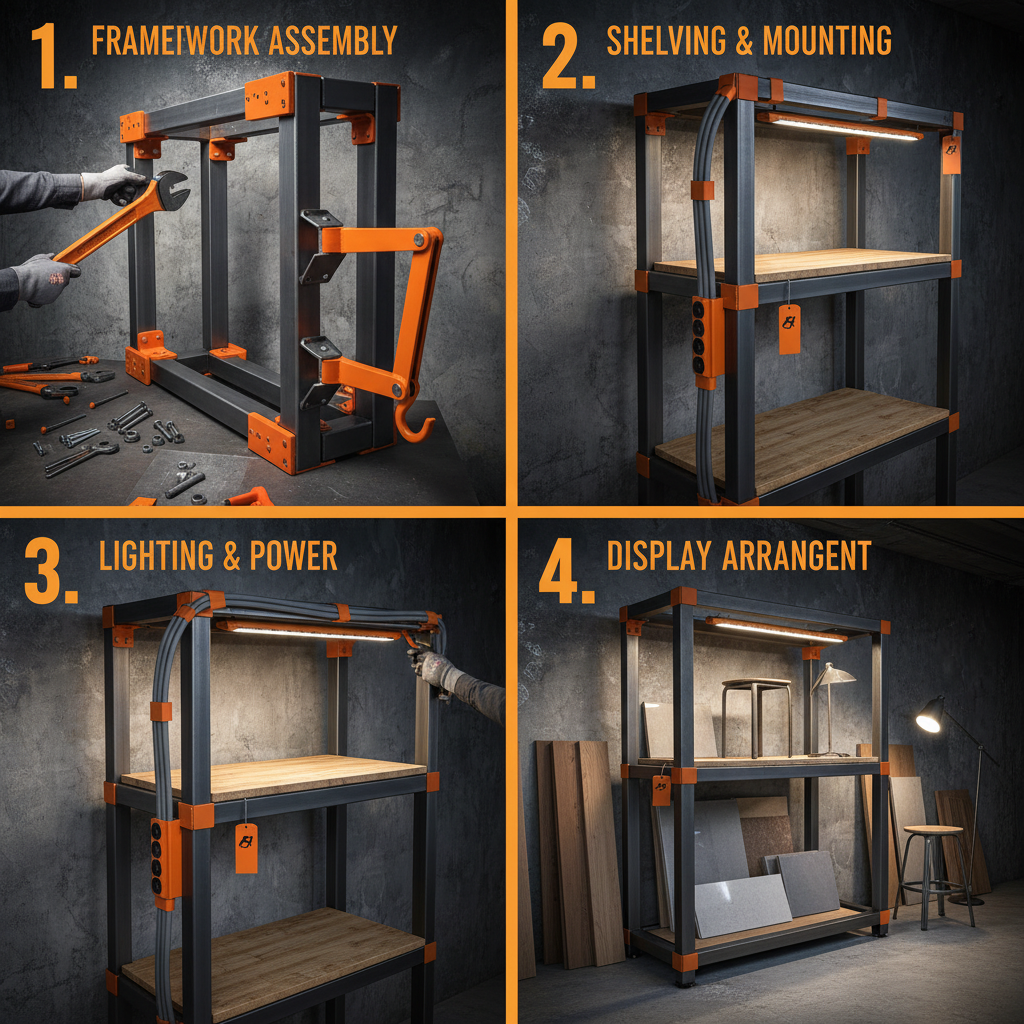
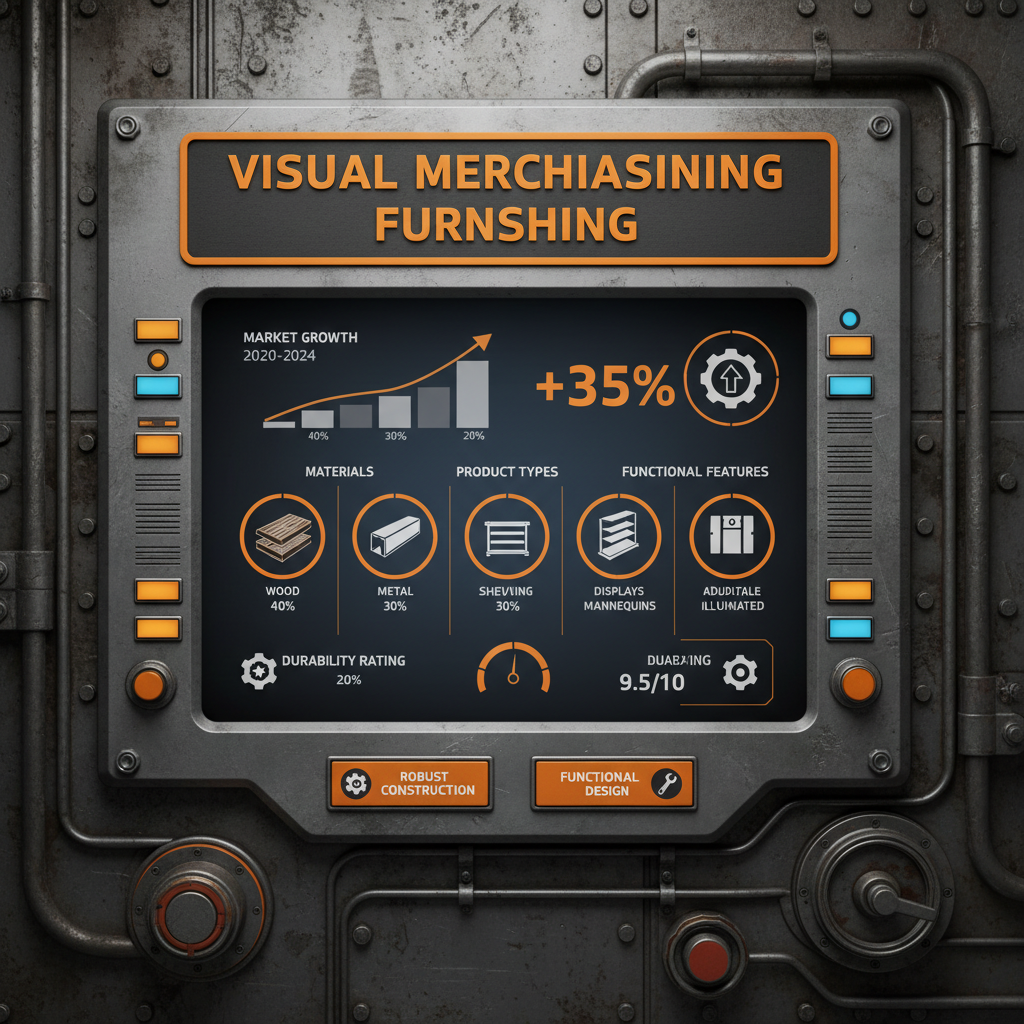
Visual merchandising furnishing plays a crucial role in creating appealing and functional spaces, particularly within retail environments. It's far more than just arranging products; it encompasses the entire customer experience, impacting purchasing decisions and brand perception. Understanding the principles behind effective visual merchandising furnishing is paramount for businesses aiming to maximize sales and enhance brand loyalty in today’s competitive landscape. The global market for retail solutions, including furnishing, is experiencing sustained growth, driven by evolving consumer behaviors and an increasing focus on experiential retail.
Globally, the demand for innovative and adaptable retail spaces is escalating. This is fueled by factors such as urbanization, rising disposable incomes in emerging markets, and the shift towards omnichannel retail strategies. According to UN data, over 55% of the world's population now lives in urban areas, leading to greater concentration of retail activity. Furthermore, the World Bank projects continued economic growth in many developing nations, increasing consumer spending. Effective visual merchandising furnishing, therefore, isn’t just a design element; it’s a strategic imperative for businesses seeking to thrive in these dynamic markets.
This growing demand highlights the necessity for sophisticated, cost-effective, and rapidly deployable solutions. Traditional methods of retail setup can be time-consuming and expensive. This is where focusing on advancements in visual merchandising furnishing becomes critical. It allows for a quicker response to market trends and seasonal demands, offering a significant competitive advantage.
The Importance of Visual Merchandising Furnishing
Visual merchandising furnishing is fundamentally about storytelling. It’s about creating an environment that not only displays products effectively but also communicates a brand's values and appeals to the target audience’s emotions. Without a compelling story told through carefully curated furnishing and displays, a retail space risks becoming indistinguishable from its competitors. A well-designed space can dramatically increase dwell time and encourage impulse purchases.
Moreover, the impact extends beyond immediate sales. Positive customer experiences fostered by thoughtful visual merchandising furnishing contribute to brand loyalty and positive word-of-mouth marketing, generating long-term value. In today's world, where customers seek experiences as much as products, investing in quality visual merchandising furnishing is an investment in future growth and sustainability.
Global Relevance and Industry Context
The significance of visual merchandising furnishing transcends geographical boundaries. In established markets like North America and Europe, consumers are increasingly discerning and demand sophisticated retail environments that offer unique and memorable experiences. This drives the demand for adaptable and high-quality furnishing solutions. Competition in these regions is fierce, and differentiating through store design and presentation is key to success. ISO standards related to retail space design and accessibility are becoming increasingly important in ensuring compliance and customer satisfaction.
In rapidly developing economies, visual merchandising furnishing is playing a pivotal role in the expansion of modern retail. As disposable incomes rise, consumers in these markets are seeking the same levels of shopping experience found in developed countries. This creates opportunities for retail businesses to establish a strong presence and build brand recognition. The adoption of Western retail practices, including visual merchandising techniques, is accelerating in these regions.
A key challenge lies in adapting visual merchandising strategies to local cultures and preferences. What works in one market may not be effective in another. A deep understanding of consumer behavior and cultural nuances is essential for creating successful and engaging retail spaces globally. Failing to do so can lead to miscommunication, decreased sales, and damage to brand image.
Defining Visual Merchandising Furnishing
Visual merchandising furnishing encompasses all the physical elements used to display and promote products within a retail environment. This includes everything from shelving and display cases to mannequins, lighting, signage, and floor coverings. It's the art and science of creating visually appealing and strategically organized spaces that attract customers, highlight products, and encourage purchases. Essentially, it's about maximizing the impact of your products through their presentation.
The connection to modern industry stems from the growing recognition that a positive customer experience is a key differentiator. In an age where consumers have endless choices, the retail environment itself can be a powerful tool for building brand loyalty and driving sales. Furthermore, advancements in materials science and manufacturing technologies are enabling the creation of innovative and sustainable visual merchandising furnishing solutions.
The relevance to humanitarian needs may seem less direct, but resourceful application of these principles extends to emergency relief and temporary shelter contexts. Quick-to-assemble, adaptable furnishing systems can aid in setting up essential retail spaces within refugee camps or disaster zones, restoring a sense of normalcy and economic activity for affected populations. These approaches often emphasize durability and efficient space utilization.
Key Factors in Visual Merchandising Furnishing
Several core components dictate the effectiveness of visual merchandising furnishing. Durability is paramount, ensuring that furnishing can withstand the rigors of daily use and maintain its appearance over time. Retail environments experience high foot traffic, and furnishings must be constructed from robust materials. Adaptability is equally important, allowing for flexible layouts and easy adjustments to accommodate changing product lines or promotional displays.
Cost-efficiency is a constant consideration, particularly for smaller retailers. Finding a balance between quality and affordability is crucial. Aesthetics play a vital role in attracting customers and creating a positive shopping experience. Furnishing should complement the brand’s identity and appeal to the target audience. Finally, Sustainability is increasingly important, with consumers and businesses alike seeking environmentally friendly materials and manufacturing processes.
Visual Merchandising Furnishing Effectiveness
Global Applications and Use Cases
Visual merchandising furnishing is utilized across a diverse range of industries. In fashion retail, strategically placed mannequins and displays showcase clothing lines and inspire customers. Grocery stores employ shelving and lighting techniques to highlight fresh produce and attract attention to promotional items. Electronics retailers use interactive displays to demonstrate product functionality and enhance the customer experience. These techniques vary considerably based on regional shopping preferences.
In post-disaster relief operations, modular and rapidly deployable visual merchandising furnishing can be adapted to create temporary markets and distribution centers, providing essential goods and services to affected communities. In remote industrial zones, durable and low-maintenance furnishing solutions are vital for setting up retail spaces that cater to the needs of workers and their families. Organizations like the Red Cross and UNHCR often employ adaptable retail-style shelving units within emergency shelters to provide organized storage and distribution of relief supplies.
Furthermore, museums and cultural institutions increasingly leverage visual merchandising principles to create engaging exhibits and enhance the visitor experience. Thoughtful use of lighting, display cases, and spatial arrangement can draw attention to key artifacts and tell compelling stories. visual merchandising furnishing in these settings is designed to preserve and showcase valuable collections.
Advantages and Long-Term Value
The tangible benefits of investing in well-planned visual merchandising furnishing are substantial. Increased sales are a direct outcome of improved product presentation and enhanced customer engagement. Cost savings can be realized through optimized space utilization and reduced energy consumption (e.g., through efficient lighting systems). Sustainable materials contribute to reduced environmental impact and enhance brand reputation. The initial investment is often quickly recouped through increased profitability.
Beyond the financial gains, there are profound emotional and social benefits. A thoughtfully designed retail environment fosters a sense of safety, comfort, and trust, encouraging customers to spend more time browsing and making purchases. Innovation in design and materials showcases a commitment to quality and creativity, reinforcing brand values. In challenging environments, providing access to well-organized retail spaces can restore a sense of dignity and normalcy.
Future Trends and Innovations
Several exciting trends are shaping the future of visual merchandising furnishing. The integration of digital technologies, such as interactive displays and augmented reality, is creating immersive shopping experiences. Smart shelving systems can track inventory levels and provide real-time data on customer preferences. 3D printing is enabling the creation of customized display elements tailored to specific products and brands.
Sustainability is driving the demand for eco-friendly materials and circular economy models, where furnishing is designed for disassembly and reuse. Advancements in LED lighting technology are leading to more energy-efficient and versatile lighting solutions. Automation and robotics are streamlining the setup and maintenance of displays, reducing labor costs and improving efficiency.
Policy changes are also playing a role, with increasing emphasis on accessibility standards and safety regulations for retail spaces. These developments require businesses to stay informed and adapt their strategies to remain competitive and meet evolving consumer expectations.
Challenges and Solutions
Despite the numerous benefits, several challenges hinder the widespread adoption of advanced visual merchandising furnishing. High upfront costs can be a barrier for smaller retailers. Maintaining consistency across multiple locations can be difficult. Adapting to changing consumer trends and seasonal demands requires flexibility and agility. Supply chain disruptions can impact the availability of materials.
To overcome these challenges, businesses can explore innovative financing options, such as leasing or subscription models. Investing in modular and adaptable furnishing systems allows for easy reconfiguration and updates. Utilizing data analytics to track customer behavior and optimize displays can improve effectiveness. Diversifying supply chains and building strong relationships with suppliers can mitigate disruptions.
Furthermore, embracing a collaborative approach, working with experienced visual merchandising consultants and designers, can provide valuable insights and guidance. By proactively addressing these challenges, businesses can unlock the full potential of visual merchandising furnishing and gain a competitive edge.
Summary of Key Challenges and Potential Solutions
| Challenge |
Impact on Visual Merchandising Furnishing |
Potential Solution |
Implementation Difficulty (1-5, 5=High) |
| High Initial Investment |
Limits accessibility for small businesses. |
Leasing/Subscription Models |
2 |
| Maintaining Consistency |
Brand dilution across multiple locations. |
Centralized Design Guidelines |
3 |
| Adapting to Trends |
Furnishing quickly becoming outdated. |
Modular, Adaptable Systems |
2 |
| Supply Chain Disruptions |
Delays in furnishing delivery. |
Diversified Supplier Network |
4 |
| Lack of Expertise |
Ineffective merchandising strategies. |
Consult with Visual Merchandising Experts |
3 |
| Sustainability Concerns |
Negative brand perception. |
Eco-Friendly Materials & Circular Economy |
4 |
FAQS
The lifespan of visual merchandising furnishing varies significantly depending on the materials used and the level of traffic. However, generally, high-quality, durable furnishing designed for retail should last between 3-7 years with proper maintenance. Regular inspection and repair are crucial to extending its life. Lower-quality materials may require replacement more frequently, potentially impacting long-term costs. Choosing robust construction and materials resistant to wear and tear is essential for maximizing investment.
Smaller retailers can explore several cost-effective options. Leasing furniture and displays instead of purchasing outright can significantly reduce upfront investment. Utilizing modular systems allows for phased implementation, spreading costs over time. Sourcing used or refurbished furnishing from reputable suppliers is another viable strategy. Focusing on key high-impact areas, rather than a complete overhaul, can also maximize budget allocation. Prioritizing durability and longevity will result in lower replacement costs.
Lighting is arguably the most critical element in visual merchandising. It directly impacts how products are perceived, influencing color accuracy, texture, and overall appeal. Strategically placed lighting can draw attention to key items, create focal points, and enhance the shopping experience. Different lighting types (ambient, task, accent) serve specific purposes. LED lighting is preferred due to its energy efficiency and versatility. Careful consideration of color temperature and intensity is essential.
Sustainability is becoming increasingly important for both consumers and businesses. Choosing furnishing made from recycled or renewable materials demonstrates a commitment to environmental responsibility. Opting for durable, long-lasting products reduces the need for frequent replacements, minimizing waste. Supporting suppliers with ethical manufacturing practices is also crucial. Sustainability can enhance brand image and attract environmentally conscious customers.
Key trends in 2024 include the integration of digital elements like interactive displays, a shift towards minimalist and modular designs for increased flexibility, and a strong emphasis on sustainable materials and practices. Biophilic design, incorporating natural elements, is also gaining popularity. Personalized shopping experiences driven by data analytics are influencing display layouts. Expect to see more dynamic and adaptable furnishing solutions.
Adaptation for smaller spaces requires maximizing vertical space, utilizing multi-functional furniture, and prioritizing a clean and uncluttered aesthetic. Wall-mounted shelving, compact displays, and strategically placed mirrors can create the illusion of more space. Avoiding bulky furniture and focusing on efficient layout are essential. Light colors and strategic lighting can also contribute to a more open and inviting atmosphere.
Conclusion
In conclusion, visual merchandising furnishing is far more than just an aesthetic consideration; it’s a strategic imperative for businesses aiming to thrive in today’s competitive retail landscape. By understanding the key factors – durability, adaptability, cost-efficiency, aesthetics, and sustainability – and embracing innovative trends, retailers can create engaging and profitable shopping experiences that attract customers and build brand loyalty. A well-executed visual merchandising strategy directly impacts sales, enhances brand perception, and fosters long-term growth.
Looking ahead, the future of visual merchandising furnishing lies in the seamless integration of technology, sustainability, and customer-centric design. Investing in adaptable and eco-friendly solutions, embracing data-driven insights, and prioritizing the overall customer experience will be crucial for success. We encourage you to explore the possibilities and transform your retail space into a compelling and inviting destination. Visit our website at www.chshopdisplay.com to learn more about our visual merchandising furnishing solutions.