The world relies increasingly on efficient and adaptable solutions for showcasing products and information. From retail environments to trade shows and point-of-sale displays, the display stand plays a vital role in capturing attention, communicating value, and ultimately, driving sales. Globally, the market for display stands is robust, projected to reach billions of dollars annually, driven by the constant need for innovative branding and promotional strategies. Understanding the nuances of display stand design, materials, and functionality is crucial for businesses of all sizes seeking to maximize their marketing impact.
Within industries like retail, advertising, and events, the effectiveness of a display stand hinges on its ability to adapt to changing needs and evolving consumer behavior. This demand fuels constant innovation in materials, construction techniques, and integration of technologies like digital signage. The challenge lies in balancing aesthetic appeal with durability, portability, and cost-effectiveness. The increasing emphasis on sustainability is also reshaping the industry, with a growing preference for eco-friendly materials and recyclable designs.
A well-designed display stand isn’t merely a presentation tool; it’s an investment in brand visibility, customer engagement, and ultimately, revenue generation. Its relevance extends beyond commercial applications, finding use in educational exhibits, museum displays, and even temporary information centers during public events. Understanding the core principles behind effective display stand design and implementation is therefore paramount for success in a competitive marketplace.
The Core Elements of Display Stand Design
Effective display stand design is a multi-faceted process, encompassing visual appeal, structural integrity, and functional considerations. Key elements include selecting the appropriate materials – ranging from durable plastics and metals to sustainable wood and cardboard – and incorporating eye-catching graphics and branding. A well-designed display stand considers the target audience, the product being showcased, and the overall environment in which it will be placed.
Beyond aesthetics, the design must prioritize ease of assembly, portability, and long-term durability. Considerations like weight, size, and packability are particularly important for trade show displays that require frequent transportation. Furthermore, the design should be adaptable, allowing for customization and the integration of new features or accessories as needed.
The Global Relevance of Display Stand Solutions
The demand for effective display stand solutions is a global phenomenon, driven by the interconnectedness of the modern marketplace. From bustling retail hubs in North America and Europe to rapidly developing economies in Asia and South America, businesses everywhere rely on displays to attract customers and promote their products. This global demand supports a multi-billion dollar industry, with a complex supply chain that spans continents.
Statistics from industry reports indicate consistent growth in the display stand market, fueled by factors such as increasing retail competition, the rise of experiential marketing, and the growing importance of brand visibility. Trade shows and exhibitions, major drivers of demand, continue to be vital platforms for businesses to connect with potential customers and partners worldwide. The UN’s Sustainable Development Goals are also influencing the industry, with a growing focus on eco-friendly materials and responsible production practices.
Furthermore, the rise of e-commerce has paradoxically increased the need for compelling in-store displays. Brick-and-mortar retailers are seeking innovative ways to create immersive shopping experiences that differentiate them from online competitors. This trend is driving demand for sophisticated display stands that enhance the customer journey and promote brand loyalty.
Defining a Display Stand: Functionality and Purpose
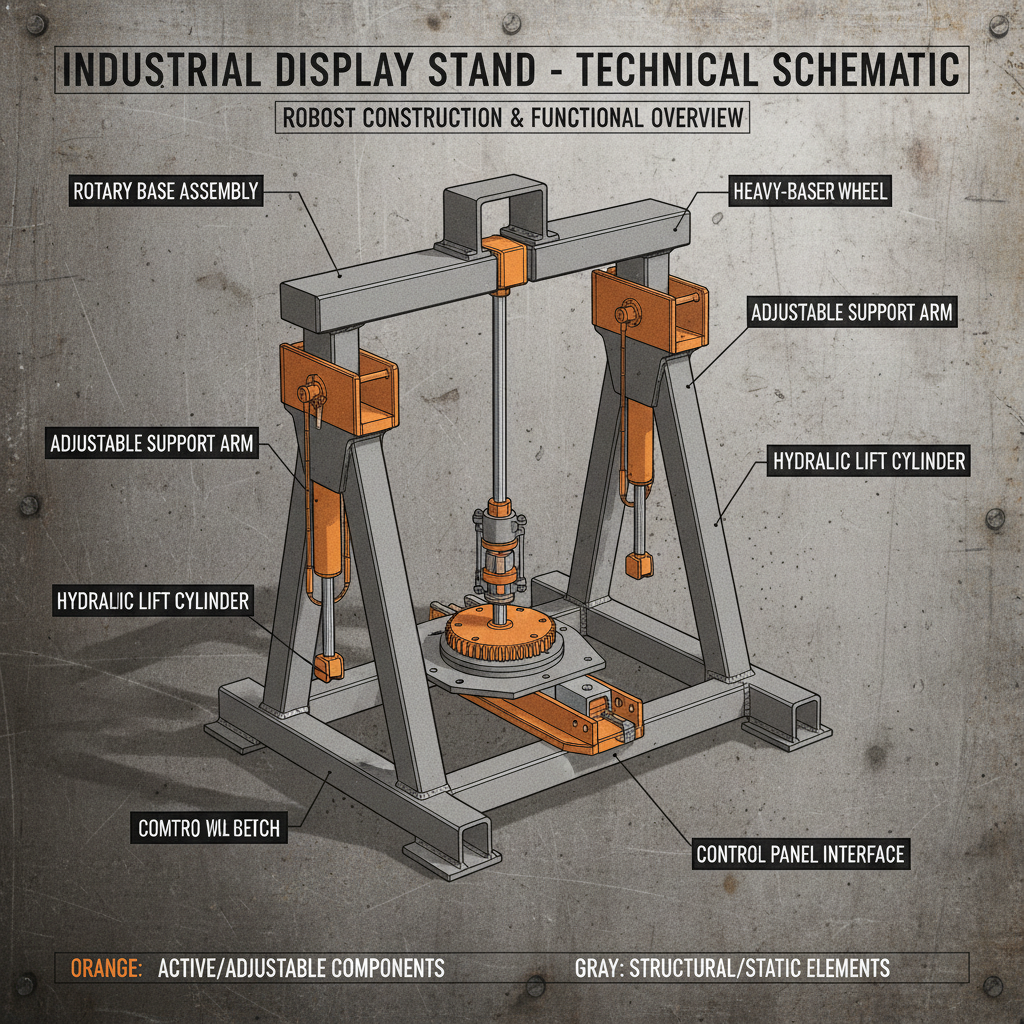
At its core, a display stand is a structural element designed to showcase products, information, or promotional materials. Its primary function is to attract attention, communicate a message, and encourage interaction. This can range from simple countertop displays to elaborate custom-built exhibits spanning large areas. However, it’s more than just a static presentation element.
The definition extends to encompass various types, including point-of-sale (POS) displays, trade show booths, retail shelving units, and promotional kiosks. Each type serves a specific purpose, tailored to the context in which it’s used. A POS display might focus on impulse purchases, while a trade show booth aims to generate leads and build brand awareness. Regardless of the application, a successful display stand effectively bridges the gap between a product and its potential consumer.
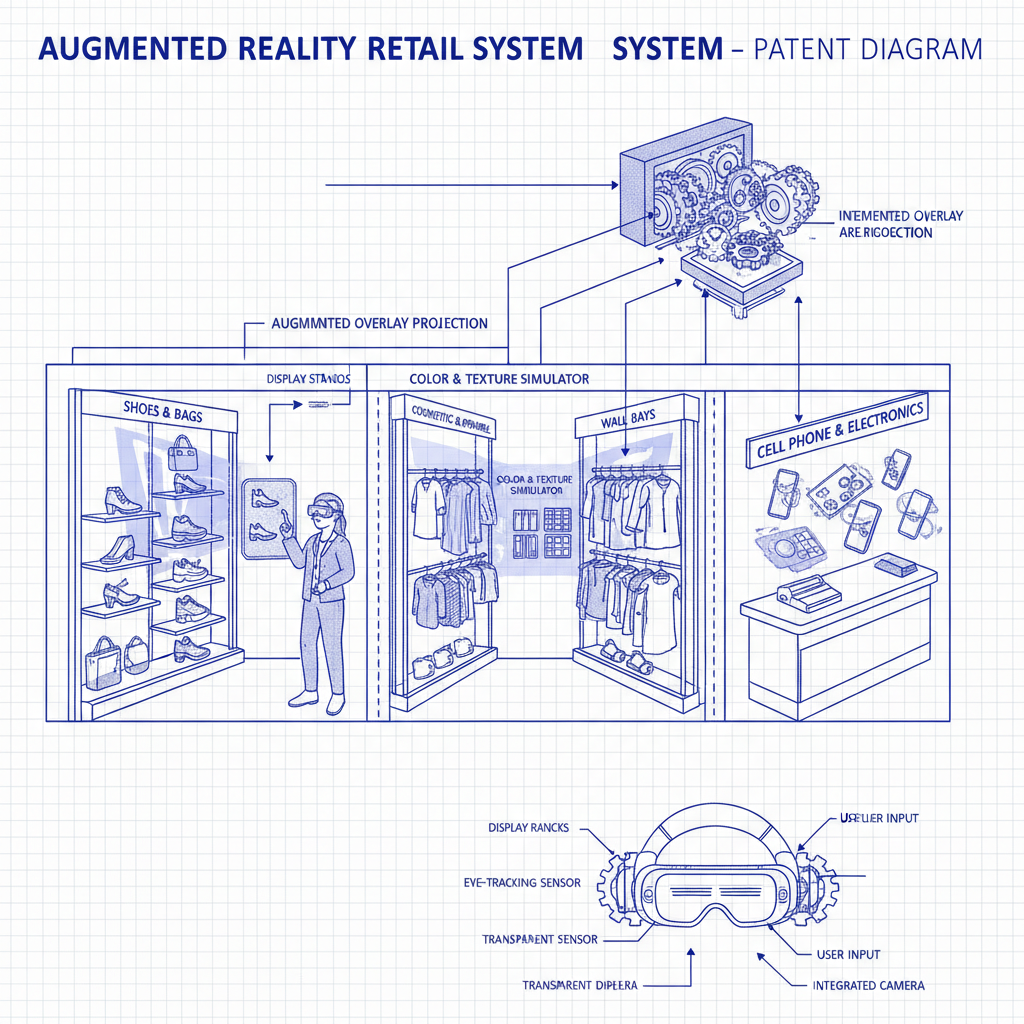
Connecting to modern industry needs, display stands are increasingly integrating technology to enhance engagement. Digital displays, interactive touchscreens, and even augmented reality features are becoming commonplace, transforming the display stand into a dynamic and immersive experience. This evolution underscores the display stand’s continued relevance in a rapidly changing marketing landscape.
Key Factors Influencing Display Stand Effectiveness
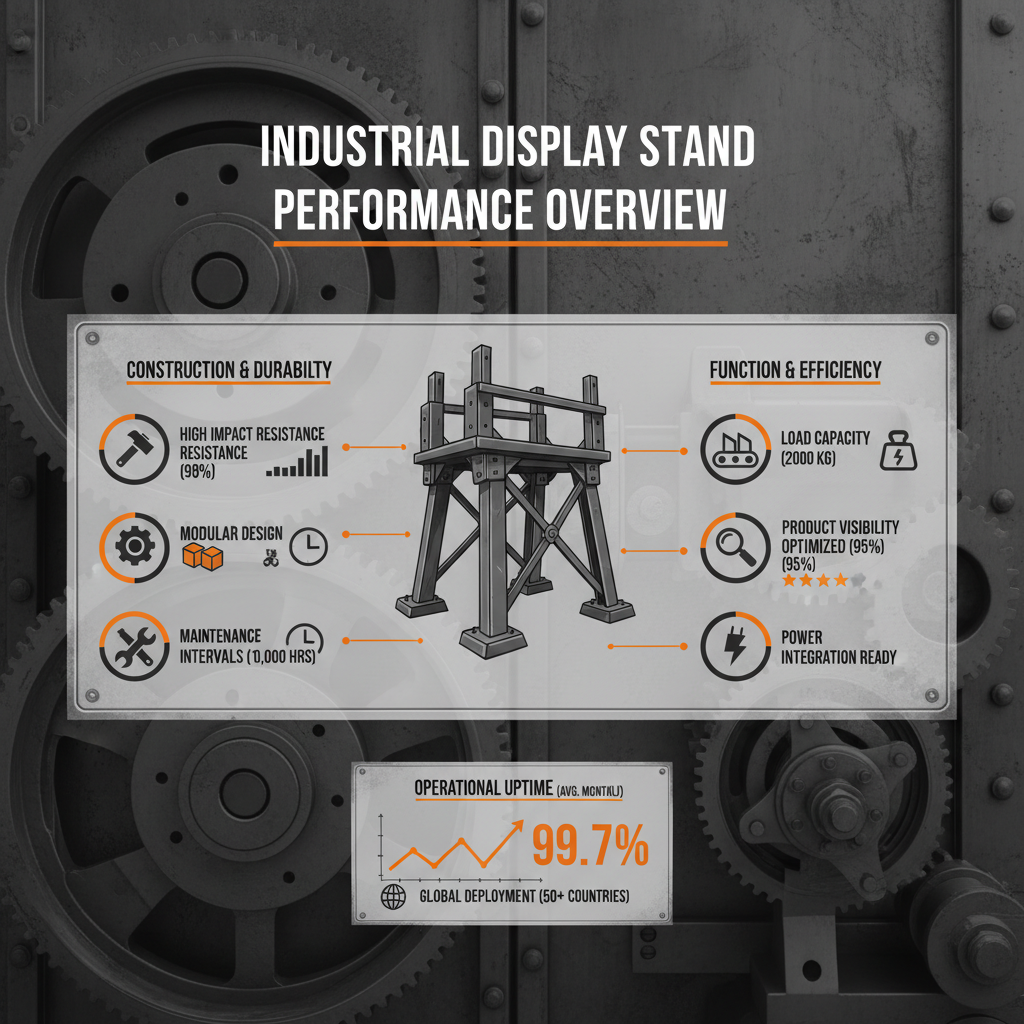
Several core factors determine the effectiveness of a display stand. Durability is paramount, ensuring the stand can withstand repeated use and transportation without damage. Scalability allows businesses to adapt their displays to different spaces or events, while cost-efficiency ensures a return on investment.
Furthermore, visual appeal is crucial for attracting attention and communicating a brand's message. Effective use of color, graphics, and lighting can significantly enhance a display’s impact. Portability is also a key consideration, particularly for trade shows and events where displays need to be easily transported and assembled.
Display Stand Performance Metrics
Real-World Applications of Display Stand Technology
The applications of display stand technology are remarkably diverse. In retail settings, they’re used to highlight new products, promote special offers, and create visually appealing merchandise presentations. At trade shows and exhibitions, they serve as focal points for attracting visitors and showcasing a company’s capabilities.
In post-disaster relief operations, modular display stands can be quickly assembled to create temporary information centers or distribution points. In remote industrial zones, they provide mobile sales and service centers, bringing products and support directly to customers. Museums and art galleries employ custom-built displays to protect and showcase artifacts.
Advantages and Long-Term Value of Utilizing Display Stand
Investing in high-quality display stands delivers tangible benefits. Reduced marketing costs are achievable through reusable and adaptable displays. Sustainability is enhanced through the use of eco-friendly materials and designs. Social impact is realized through providing effective communication tools for various industries.
Beyond the practical, there are significant emotional and logical advantages. A well-designed display fosters trust, enhances brand reputation, and creates a positive customer experience. Innovation in display technology showcases a company’s commitment to progress and quality, while reliable construction ensures long-term value and minimizes downtime.
Future Trends and Innovations in Display Stand Development
The future of display stand development is characterized by technological advancements and a growing emphasis on sustainability. We’re seeing increasing integration of digital signage, interactive displays, and augmented reality features to create immersive and engaging experiences. Automation is streamlining the design and fabrication process, reducing costs and lead times.
Sustainable materials, such as recycled plastics and biodegradable composites, are gaining popularity, reflecting a growing awareness of environmental responsibility. Smart displays, equipped with sensors and analytics capabilities, are providing valuable insights into customer behavior and engagement. Furthermore, modular and adaptable designs are becoming increasingly common, allowing businesses to easily reconfigure their displays to meet changing needs.
The trend towards personalized experiences will also shape the future of display stand design. Displays will be increasingly tailored to individual customer preferences, leveraging data analytics and dynamic content delivery to create more relevant and impactful presentations.
Summary of Display Stand Innovation Challenges and Potential Solutions
| Challenge |
Impact on Display Stand |
Potential Solution |
Implementation Cost (1-10) |
| Material Costs |
Increased overall display stand production costs |
Utilizing recycled materials & optimizing design for material efficiency |
4 |
| Design Complexity |
Longer lead times and higher fabrication costs |
Employing modular design principles & CAD software |
6 |
| Transportation Logistics |
Damage during shipping & increased logistical expenses |
Designing for compact packing & using durable packaging materials |
5 |
| Sustainability Concerns |
Negative environmental impact & consumer backlash |
Using biodegradable materials & implementing closed-loop recycling systems |
7 |
| Integration of Technology |
Higher initial investment & potential technical issues |
Partnering with tech providers & conducting thorough testing |
8 |
| Measuring ROI |
Difficulty in quantifying the effectiveness of display stands |
Implementing tracking mechanisms & analyzing customer engagement data |
3 |
FAQS
For a balance of durability and portability, aluminum frames combined with lightweight yet resilient materials like corrugated plastic or fabric graphics are often ideal. Aluminum provides structural integrity, while these lighter materials minimize weight for easy transportation. Consider the intended use and environment when making your final selection, opting for waterproof or fire-retardant materials if necessary. The goal is a display that withstands handling without adding excessive logistical burden.
Consistency is key. Your display stand’s design, colors, fonts, and imagery should align seamlessly with your overall brand guidelines. Prioritize clear and concise messaging, focusing on key benefits rather than overwhelming details. Utilize high-quality graphics and visuals to capture attention, and ensure the stand is well-lit and easily visible. Consider incorporating interactive elements to encourage engagement and reinforce your brand identity. A cohesive visual experience is crucial for effective brand communication.
Trade show displays require careful planning. Portability and ease of assembly are critical, as are visual impact and functionality. Consider booth size and location, and design a stand that maximizes space while attracting foot traffic. Incorporate clear branding, compelling visuals, and interactive elements to engage visitors. Don't forget storage space for marketing materials and giveaways. A well-designed trade show display should generate leads, build brand awareness, and leave a lasting impression.
The cost of a custom display stand varies greatly depending on size, materials, complexity, and features. Smaller, simple pop-up displays can range from a few hundred dollars to a couple of thousand, while large, elaborate exhibits can easily exceed $10,000 or more. Factors like custom fabrication, lighting, graphics, and interactive elements all contribute to the overall cost. Obtaining quotes from multiple vendors is crucial for comparing prices and finding the best value for your budget.
Absolutely! There’s a growing demand for sustainable display stand solutions. Options include using recycled materials like cardboard and plastic, choosing biodegradable fabrics and graphics, and opting for modular designs that can be reused or repurposed. Some companies specialize in eco-friendly display stands, offering innovative solutions that minimize environmental impact. Choosing sustainable options demonstrates a commitment to corporate social responsibility and appeals to environmentally conscious consumers.
Modular display stands offer exceptional versatility and cost-effectiveness. They can be easily configured and reconfigured to suit different spaces and events, eliminating the need for custom fabrication each time. They’re also relatively lightweight and easy to transport. Modular systems allow you to swap out graphics and components to update your message or branding, extending the lifespan of your investment. This flexibility makes them ideal for businesses with evolving marketing needs.
Conclusion
In conclusion, the display stand remains a fundamental element in effective marketing and communication strategies. From enhancing brand visibility to facilitating customer engagement, a well-designed display offers a multitude of benefits. The industry is continually evolving, driven by technological innovation and a growing emphasis on sustainability, offering new opportunities for businesses to connect with their audiences.
Looking ahead, embracing these advancements and prioritizing adaptability will be crucial for success. By investing in quality display solutions, businesses can ensure their message resonates, their brand stands out, and their marketing efforts deliver a strong return on investment. For further information and to explore our range of display stand options, visit our website today: www.chshopdisplay.com.