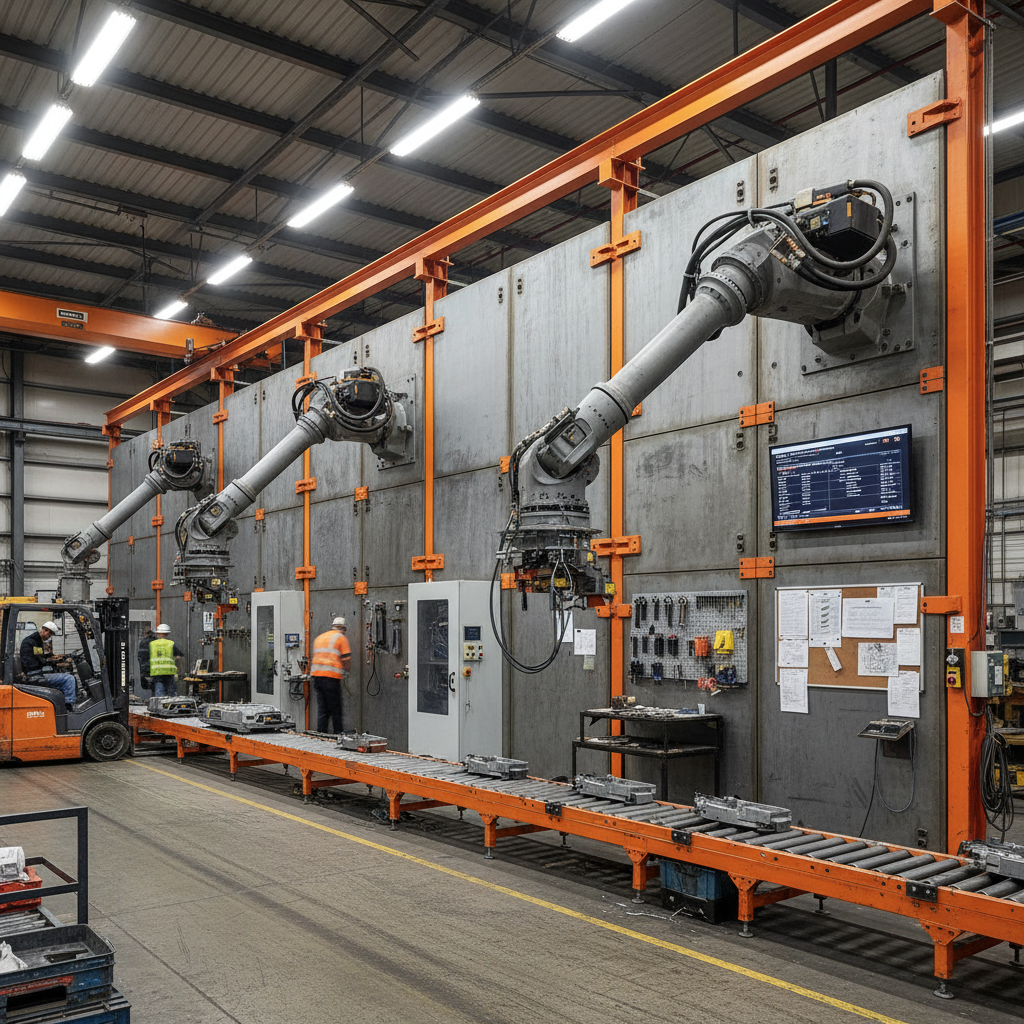
Wall systems are a cornerstone of modern infrastructure and humanitarian response, providing shelter, security, and functionality across diverse environments. From rapid-deployment housing solutions for disaster relief to modular construction for sustainable urban development, these systems are increasingly vital in addressing global challenges related to housing shortages, displacement, and environmental sustainability. Understanding the nuances of wall systems – their construction, materials, and application – is critical for architects, engineers, aid organizations, and policymakers alike.
The global demand for efficient and reliable wall systems is driven by several factors, including rapid urbanization, a growing global population, and an increasing frequency of natural disasters. The construction industry, a significant contributor to global GDP, is constantly seeking innovative solutions to reduce building times, lower costs, and minimize environmental impact. Wall systems are at the forefront of this evolution, offering alternatives to traditional construction methods and facilitating more sustainable and resilient infrastructure.
Furthermore, advancements in materials science and manufacturing processes have significantly expanded the possibilities for wall system design and implementation. From lightweight composite materials to prefabricated modular units, these systems are becoming increasingly adaptable and cost-effective, opening up opportunities for widespread adoption in both developed and developing nations.
Introduction to Wall Systems
Wall systems encompass a broad spectrum of construction methods and materials designed to create enclosures for buildings and structures. These systems aren't merely about erecting barriers; they represent integrated solutions that address structural integrity, thermal performance, acoustic control, and aesthetic considerations. The selection of a suitable wall system depends on a multitude of factors, including climate, budget, local building codes, and the specific functional requirements of the space.
Historically, wall construction relied heavily on traditional methods like bricklaying and concrete pouring. However, the increasing demand for faster, more sustainable, and cost-effective building solutions has driven the development of innovative wall systems. These include prefabricated panels, structural insulated panels (SIPs), and modular construction techniques, all aiming to revolutionize the construction process and deliver high-quality, durable structures.
Defining Wall Systems
A wall system is more than just the materials used to create a wall; it’s a complete assembly of components working in concert to provide a functional and structurally sound enclosure. This includes the framing, insulation, cladding, vapor barriers, and any associated connectors or fasteners. Unlike simply building a wall, a wall system is designed with a holistic approach, considering the interplay between each element to maximize performance and minimize potential issues.
The concept of wall systems is increasingly relevant in addressing modern industry and humanitarian needs. In the construction industry, they offer opportunities to streamline building processes, reduce labor costs, and improve quality control. In humanitarian contexts, rapid-deployment wall systems provide crucial shelter in disaster-stricken areas, offering immediate protection and a foundation for rebuilding communities.
The shift towards systems-based thinking in wall construction represents a move away from piecemeal assembly and towards integrated design. This approach allows for greater precision, efficiency, and ultimately, a more sustainable and resilient built environment.
Key Components of Effective Wall Systems
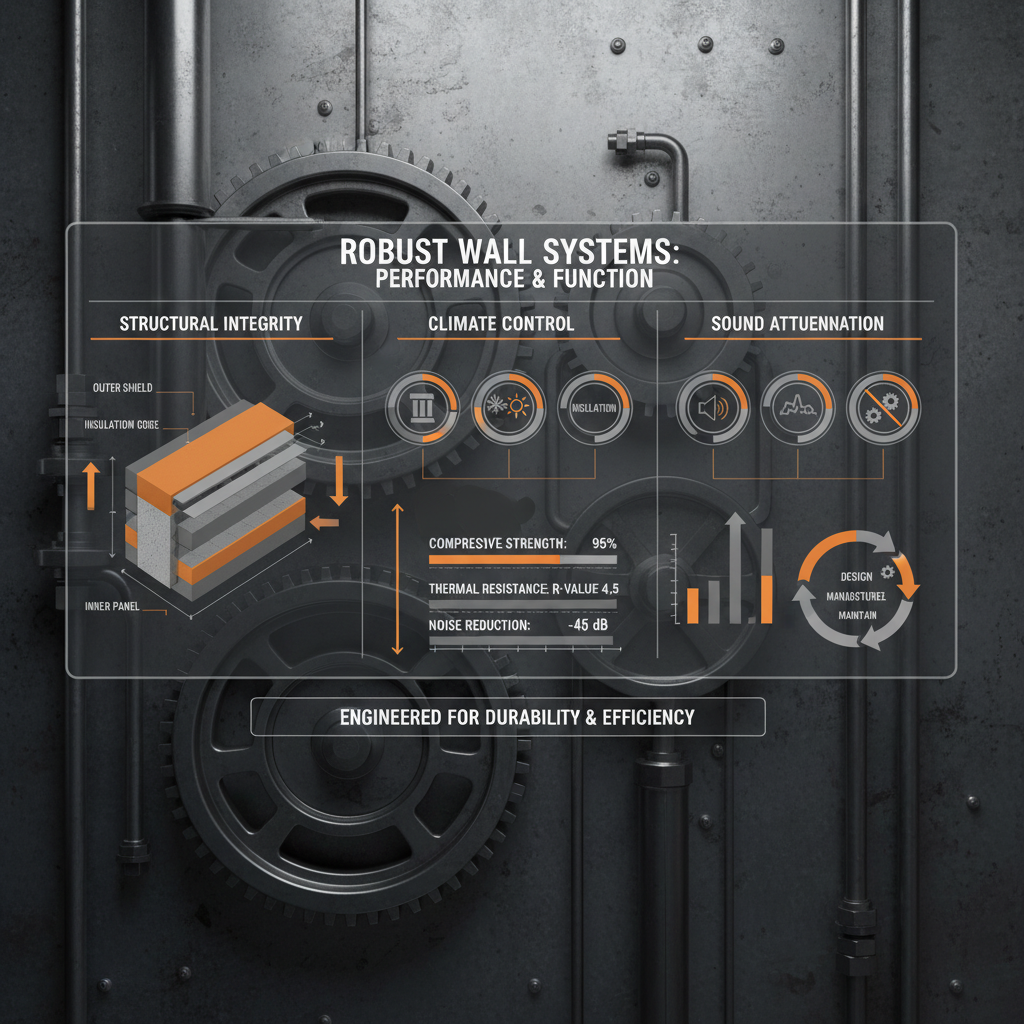
Effective wall systems are built upon several core components, each contributing to the overall performance and longevity of the structure. One critical aspect is Structural Integrity, ensuring the wall can withstand environmental loads like wind, snow, and seismic activity. This often relies on a robust framing system, whether constructed from wood, steel, or concrete.
Another key component is Thermal Performance. Proper insulation and air sealing are vital for minimizing energy consumption and maintaining a comfortable indoor environment. The R-value of the insulation, the tightness of the building envelope, and the use of thermal breaks are all important considerations.
Moisture Management is equally crucial, preventing water intrusion and protecting the structure from rot, mold, and structural damage. Vapor barriers, breathable membranes, and proper flashing details play a significant role in effectively managing moisture within the wall assembly. Finally, Acoustic Performance considerations ensure a quiet and peaceful interior, utilizing sound-dampening materials and construction techniques.
Durability and Longevity of Wall Systems
The durability of a wall system is paramount, influencing the long-term cost-effectiveness and sustainability of a building. Factors impacting durability include the quality of materials, the precision of construction, and the system's resistance to environmental degradation. Systems utilizing corrosion-resistant materials, proper detailing to prevent water penetration, and robust structural connections will naturally exhibit greater longevity.
Evaluating the lifespan of a wall system requires considering various degradation mechanisms, such as UV exposure, freeze-thaw cycles, insect infestation, and fire resistance. Selecting materials and construction methods that mitigate these risks is essential for ensuring a durable and resilient structure.
Durability Rating of Different Wall Systems
Global Applications and Case Studies
Wall systems are employed across a diverse range of applications globally. In post-disaster relief operations, rapidly deployable modular wall systems offer immediate shelter to displaced populations, providing a safe and secure environment in emergency situations. Organizations like the Red Cross and Habitat for Humanity frequently utilize these solutions to expedite recovery efforts.
In remote industrial zones, prefabricated wall panels provide a cost-effective and efficient means of constructing worker housing and facilities. These systems minimize on-site construction time and labor costs, crucial in locations with limited infrastructure and skilled labor. In developed urban centers, modular construction utilizing advanced wall systems is gaining traction as a means of addressing housing shortages and reducing construction timelines.
Advantages and Long-Term Value
The advantages of implementing advanced wall systems extend beyond initial cost savings. They contribute to long-term value through enhanced sustainability, improved building performance, and reduced maintenance requirements. The use of eco-friendly materials and energy-efficient designs translates to lower operating costs and a smaller environmental footprint.
From a social impact perspective, efficient wall systems can contribute to improved housing affordability and access to safe and secure shelter, enhancing the quality of life for communities worldwide. The reliability and durability of these systems instill trust in building owners and occupants, fostering a sense of security and well-being.
Future Trends and Innovations in Wall Systems
The future of wall systems is poised for significant innovation, driven by advancements in materials science, digital fabrication, and sustainable construction practices. The integration of smart technologies, such as sensors and automated controls, will enable real-time monitoring of building performance and optimized energy management.
Growing emphasis on circular economy principles will lead to the development of wall systems designed for disassembly and reuse, minimizing waste and maximizing resource efficiency. Biomimicry, the emulation of natural designs and processes, is also inspiring innovative wall system designs that prioritize sustainability and resilience.
Furthermore, the increasing adoption of 3D printing technology promises to revolutionize the construction industry, enabling the creation of customized wall systems with unprecedented speed and precision.
A Comparative Analysis of Key Wall System Performance Metrics
| Wall System Type |
Installation Speed (Days) |
Cost per Square Meter ($) |
Thermal Resistance (R-Value) |
| Concrete Block |
10-15 |
60-80 |
2.0 |
| Wood Frame |
7-10 |
50-70 |
3.5 |
| SIPs (Structural Insulated Panels) |
5-7 |
70-90 |
4.5 |
| Prefabricated Modular Panels |
3-5 |
80-120 |
5.0 |
| Light Gauge Steel Framing |
8-12 |
65-85 |
3.0 |
| Rammed Earth |
12-18 |
40-60 |
2.5 |
FAQS
Prefabricated wall systems offer significant advantages over traditional methods, including faster construction times, reduced labor costs, improved quality control, and minimized material waste. The controlled factory environment ensures precision and consistency, leading to a more durable and energy-efficient structure. Additionally, prefabrication reduces on-site disruption and allows for more efficient project management.
Wall systems can significantly enhance sustainability through the use of eco-friendly materials like recycled content, sustainably sourced wood, and low-VOC finishes. Energy-efficient designs incorporating high-performance insulation and air sealing reduce energy consumption. Furthermore, prefabricated systems minimize construction waste and facilitate deconstruction and material reuse at the end of the building’s life cycle.
Climate is a crucial factor in selecting the right wall system. In hot climates, prioritize systems with high thermal resistance and effective ventilation to minimize cooling loads. In cold climates, focus on insulation, air sealing, and moisture management to prevent heat loss and condensation. Wind resistance and water penetration are essential considerations in areas prone to storms and heavy rainfall.
Fire resistance ratings for wall systems vary depending on the materials and construction methods used. Concrete block walls typically offer high fire resistance ratings (2-4 hours), while wood frame walls require fire-resistant treatments to achieve comparable ratings. Steel framing systems offer inherent fire resistance, but require appropriate insulation and protection. Specific ratings should be verified through testing and compliance with local building codes.
Wall systems designed for disaster relief housing prioritize rapid deployment, affordability, and durability. Lightweight, prefabricated panels or modular units are often used to provide immediate shelter. Systems should be designed to withstand harsh environmental conditions and be easily transportable and assembled with minimal tools. Emphasis is placed on providing safe, secure, and weatherproof housing for displaced populations.
Modular wall systems can yield significant cost savings through reduced construction timelines, lower labor costs, and minimized material waste. The streamlined manufacturing process and efficient on-site assembly translate to faster project completion and lower overall expenses. Furthermore, the precision and quality control inherent in modular construction can reduce the need for costly rework and repairs.
Conclusion
In conclusion, wall systems represent a critical element in modern construction and humanitarian efforts. Their evolution has driven innovation in building materials, construction techniques, and sustainable design. From enhancing energy efficiency to providing rapid shelter in disaster zones, these systems offer a multitude of benefits for communities and the environment. Understanding the key components, applications, and future trends within wall systems is essential for professionals and policymakers alike.
Looking ahead, continued investment in research and development is crucial to unlock the full potential of wall systems. Embracing innovative materials, digital fabrication techniques, and circular economy principles will pave the way for more sustainable, resilient, and affordable built environments. To learn more about cutting-edge wall systems and explore customized solutions for your project, visit our website: wall systems.