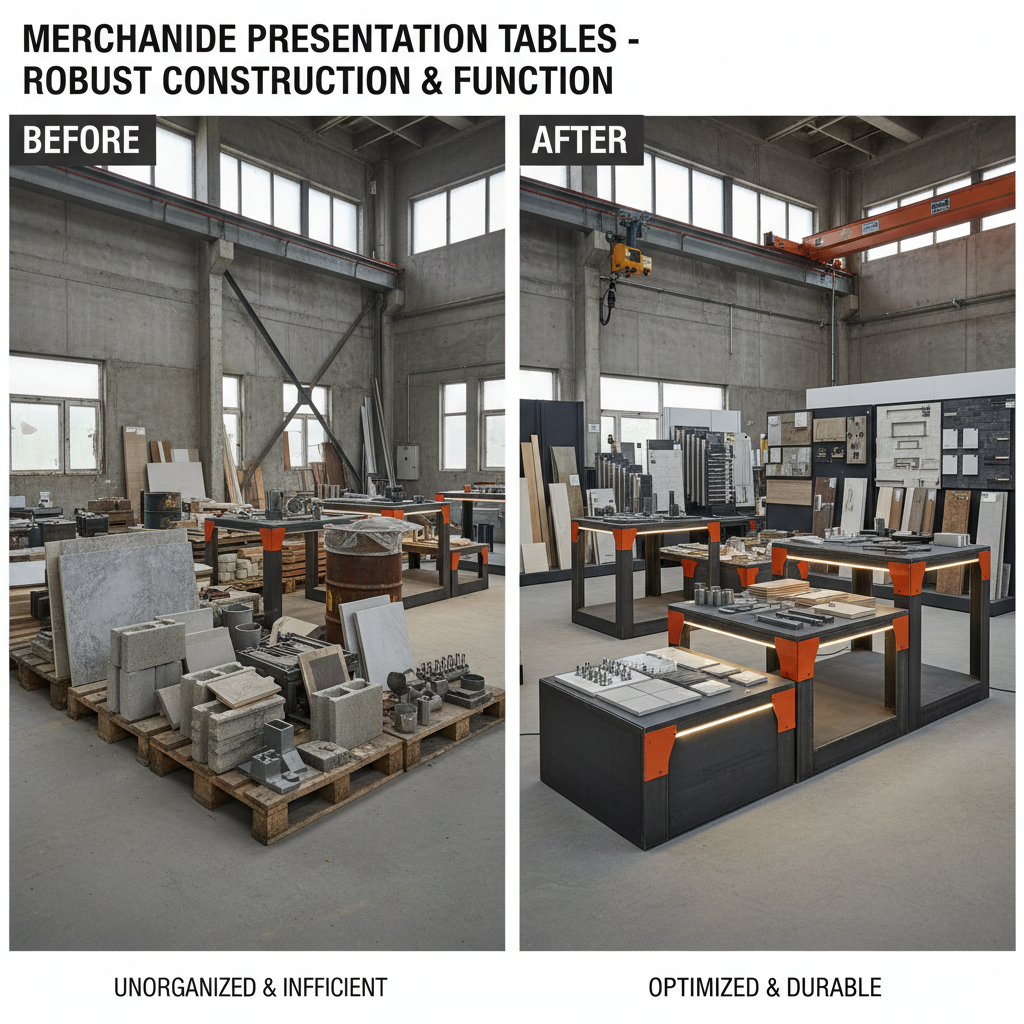
You know, I've been running around construction sites all year, getting my hands dirty with materials and talking to engineers. Lately, everyone's buzzing about prefabricated store fixture—it's the hot topic. Seems like everyone wants to speed things up, cut costs, and improve quality, and prefab is supposed to be the answer. Honestly, it's not a magic bullet, though.
What I've noticed is, a lot of folks get caught up in the design phase, trying to be too clever. They overcomplicate things. Simplicity is key, especially when you're dealing with on-site assembly. Remember that old saying, "Keep it simple, stupid"? It applies here. Another thing is, people often underestimate the logistical challenges. Getting these pre-built units delivered and installed efficiently…that’s a whole other beast.
We're using a lot of galvanized steel these days, naturally. You can smell it a mile away, that metallic tang. Feels solid, though, reassuring. There’s also composite wood – it’s getting more popular. It’s lighter than traditional wood, resists moisture, but it doesn’t have the same… warmth, you know? Feels a bit plasticky. Then there’s aluminum, lightweight but dents easily, have to be careful with that.
The Current Trends in store fixture
To be honest, modularity is huge right now. Everyone wants systems that can be easily reconfigured. It's all about flexibility, right? Things change quickly these days. Retail spaces need to adapt. And sustainability is a constant push – using recycled materials, reducing waste. It’s a good thing, don't get me wrong, but it adds complexity.
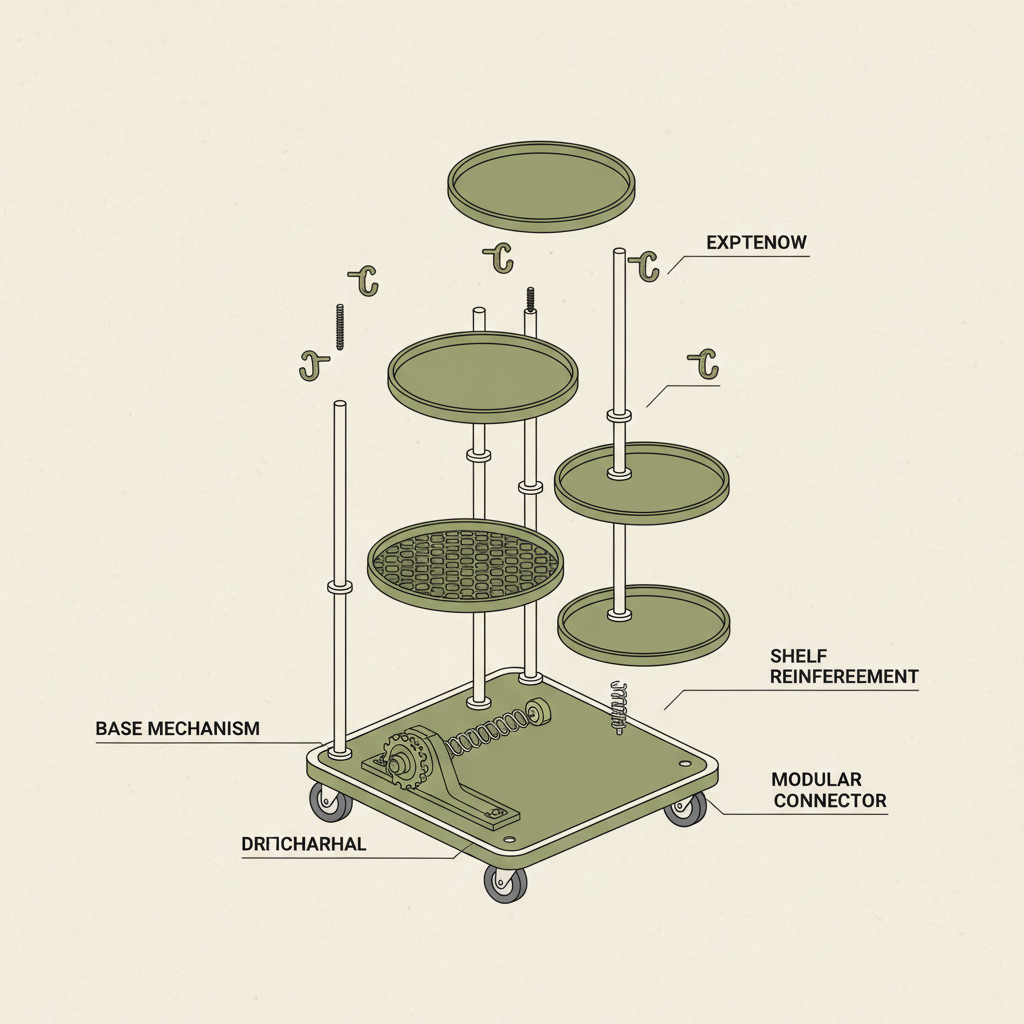
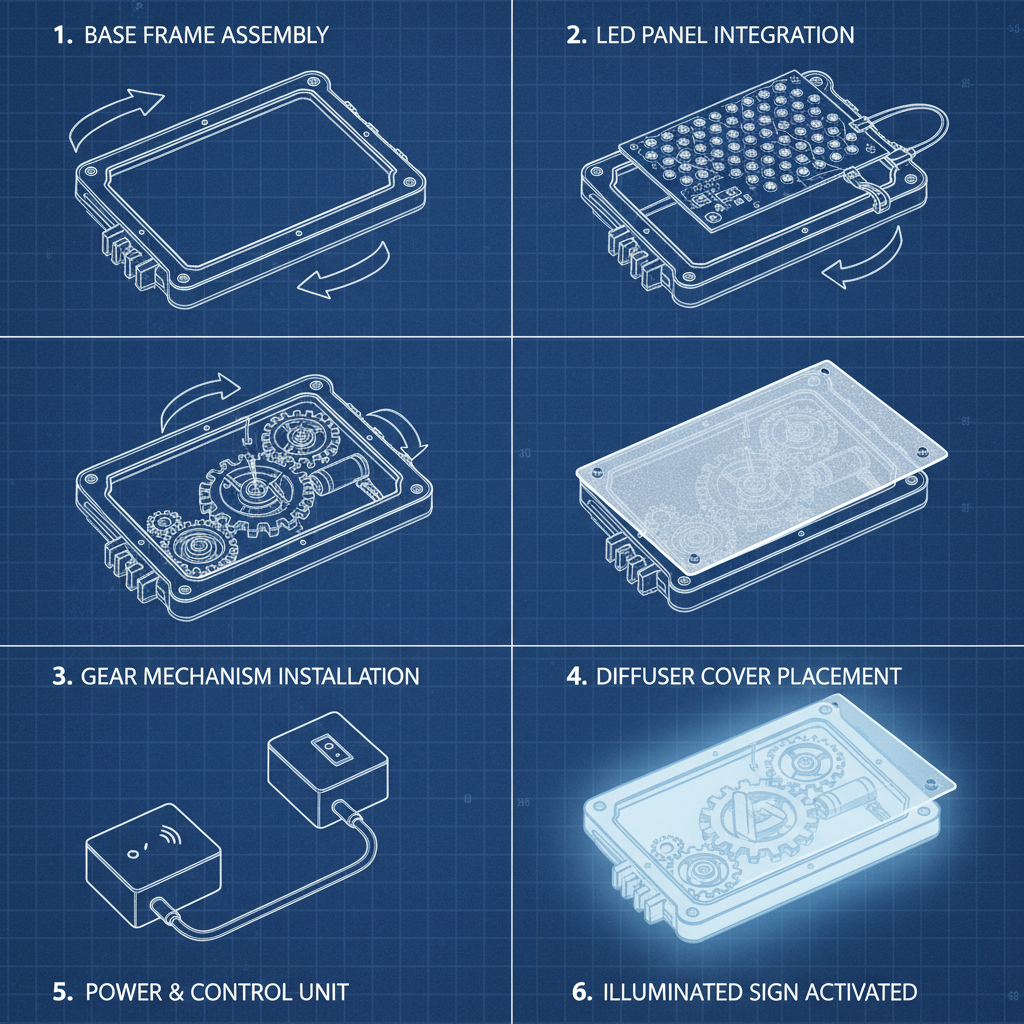
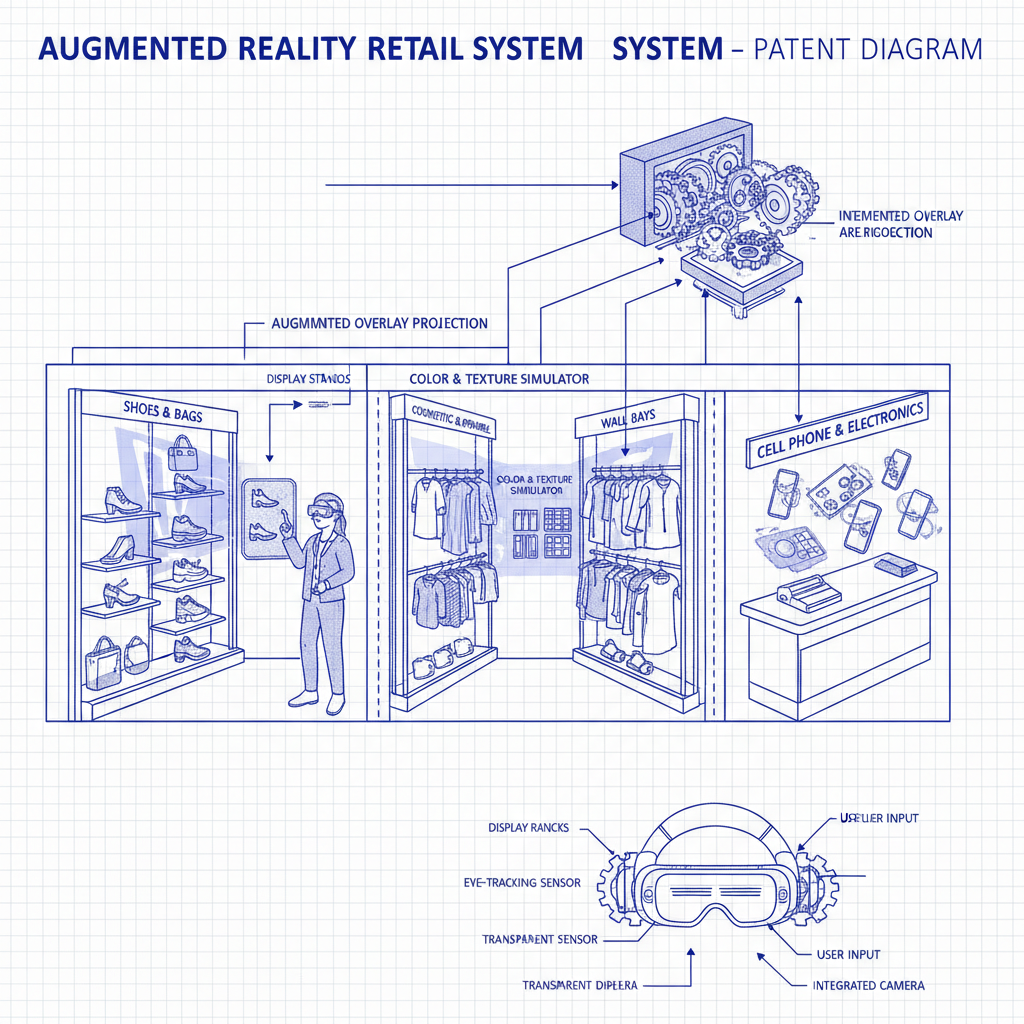
Another big thing is integrated technology. We're seeing more and more displays with built-in lighting, sensors, even digital signage. It's cool, but it also means more things can go wrong. More troubleshooting for the poor guys on site.
Common Design Pitfalls with store fixture
Have you noticed how architects always want these crazy, elaborate designs? They don't understand what it's like to actually build the thing. They’ll specify a curved glass panel that's impossible to install without shattering it. Or a joinery detail that requires a PhD in woodworking.
And the tolerances! They always want everything perfect, down to the millimeter. But construction isn't perfect. Things shift, materials expand and contract. You need to build in some wiggle room. Otherwise, you're just asking for headaches. Strangely enough, a lot of designers don’t understand the weight of materials either.
I encountered this at a furniture factory last time – they designed a display unit with a massive marble countertop. Looked beautiful in the drawings, but when we tried to lift it into place, it nearly crushed a guy’s foot!
Materials Used in Modern store fixture
Like I said, galvanized steel is a workhorse. Durable, relatively inexpensive. But it can rust if the coating gets scratched. Then there’s aluminum, light and easy to work with, but… soft. You bump into it and it dents. We use a lot of MDF (Medium Density Fiberboard) for shelving and panels. It's cheap and paints well, but it sucks up moisture like a sponge. You gotta seal it properly.
Composite materials are really gaining traction. Think acrylics, resins, things like that. They’re lightweight, weatherproof, and can be molded into almost any shape. But they can be brittle, especially in cold weather. And they're not always easy to repair.
And wood… real wood is still around, of course. It gives a sense of quality, a warmth that you just can’t get with synthetics. But it's expensive and requires more maintenance. You know, oiling, staining, preventing rot. It's a trade-off.
Real-World Testing of store fixture
Forget those fancy lab tests. They don't mean much in the real world. We test stuff by hitting it with hammers, dropping weights on it, and generally abusing it. Seriously. You gotta see how it holds up to actual abuse.
We also do field tests. We’ll install a prototype unit in a store and just let it…live there. See how customers interact with it, how it handles the daily wear and tear. That’s where you really find the weak points.
store fixture Performance Metrics
How Users Actually Interact with store fixture
It’s never what you expect, believe me. Designers think people will carefully browse the displays, appreciating the craftsmanship. Reality? They pile stuff on top of them, hang their bags on them, treat them like extra surfaces.
Kids climb on them. Seriously. You gotta design for that. That's why a lot of modern store fixture are incorporating higher weight-bearing capabilities. It's not about aesthetics; it’s about preventing lawsuits.
Advantages and Disadvantages of store fixture
Prefab’s great for speed. Cuts down on on-site labor, reduces disruption to the store. And the quality control is generally better because you’re building in a factory environment. But it's not cheap, not always. The initial investment can be higher.
And it lacks flexibility. If you need to make changes after the units are built, it can be a pain. You’re stuck with what you’ve got. I mean, you can modify it, but then you lose some of the cost benefits. Anyway, I think that is a tradeoff that you have to consider.
And honestly? Sometimes it just looks… sterile. Like it lacks character.
Customization Options for store fixture
You can customize pretty much anything, honestly. Colors, materials, dimensions, layouts… You name it. We had a client last month, a small boss in Shenzhen who makes smart home devices. He insisted on changing the interface to instead of the standard USB-A, even though it added cost and complexity. He was convinced it would make his products look more cutting-edge. It probably didn't matter to most customers, but he was adamant. Later... forget it, I won’t mention it.
We can also integrate custom lighting, shelving, and display features. The key is to plan ahead. Changes are always easier—and cheaper—to make at the design stage.
It’s all about understanding the client’s brand and what they’re trying to achieve. Sometimes they have very specific requirements. Other times, they just want something that looks good and is functional.
Summary of store fixture Customization
| Customization Aspect |
Complexity Level |
Cost Impact |
Lead Time |
| Color Changes |
Low |
Minimal |
1-2 Weeks |
| Material Swaps |
Medium |
Moderate |
3-4 Weeks |
| Dimensional Adjustments |
High |
Significant |
6-8 Weeks |
| Integrated Lighting |
Medium |
Moderate |
4-6 Weeks |
| Custom Shelving |
Medium |
Moderate |
4-6 Weeks |
| Interface Modifications (e.g. ) |
High |
Significant |
8+ Weeks |
FAQS
Uneven floors are a constant headache. You need to use shims, leveling feet, or even build up the base. It adds time and complexity, but it’s crucial for stability and appearance. Don't skimp on the leveling – a wobbly display looks cheap and can be a safety hazard. I've seen guys try to just force it in, and it never ends well.
Humidity is the enemy of MDF, as I mentioned earlier. It swells up and falls apart. Metal can rust, especially if the protective coating is damaged. Even wood can warp and crack. Proper sealing and ventilation are essential, especially in humid environments. You also need to consider the local climate when choosing materials.
It depends on the materials and how well it’s maintained. Galvanized steel can last decades with minimal care. MDF, not so much. Five to ten years, maybe. Composite materials are somewhere in between. Regular cleaning and repair are key to extending its lifespan. Think of it like a car – the better you take care of it, the longer it will last.
Proper packaging is critical. You need to protect the units from damage during transit. That means using sturdy crates, padding, and strapping. You also need to clearly label the packages with handling instructions. And, frankly, a good shipping company helps. You pay for what you get.
Definitely. Bamboo is becoming more popular – it’s fast-growing and renewable. Recycled plastics are also gaining traction. And there’s a lot of research being done on bio-based materials. The challenge is finding materials that are both sustainable and durable enough for commercial use. It's a balancing act.
Painful. Seriously, avoid last-minute changes at all costs. They’re expensive and disruptive. If you absolutely have to make a change, get it in writing and be prepared to pay a premium. And understand that it will likely delay the project. Communication is key. The earlier you catch a potential issue, the easier it is to fix.
Conclusion
So, yeah, prefabricated store fixture. It’s a complex beast. It’s not a silver bullet, but it can be a valuable tool for speeding up projects, controlling costs, and improving quality. You just have to understand the limitations and plan accordingly. It's about finding the right balance between design, materials, and functionality.
Ultimately, whether this thing works or not, the worker will know the moment he tightens the screw. If it feels solid, if it fits together right, then you’re on the right track. If it’s wobbly or doesn't line up, you’ve got problems. Trust your instincts, listen to the guys on the ground, and don't be afraid to make adjustments.