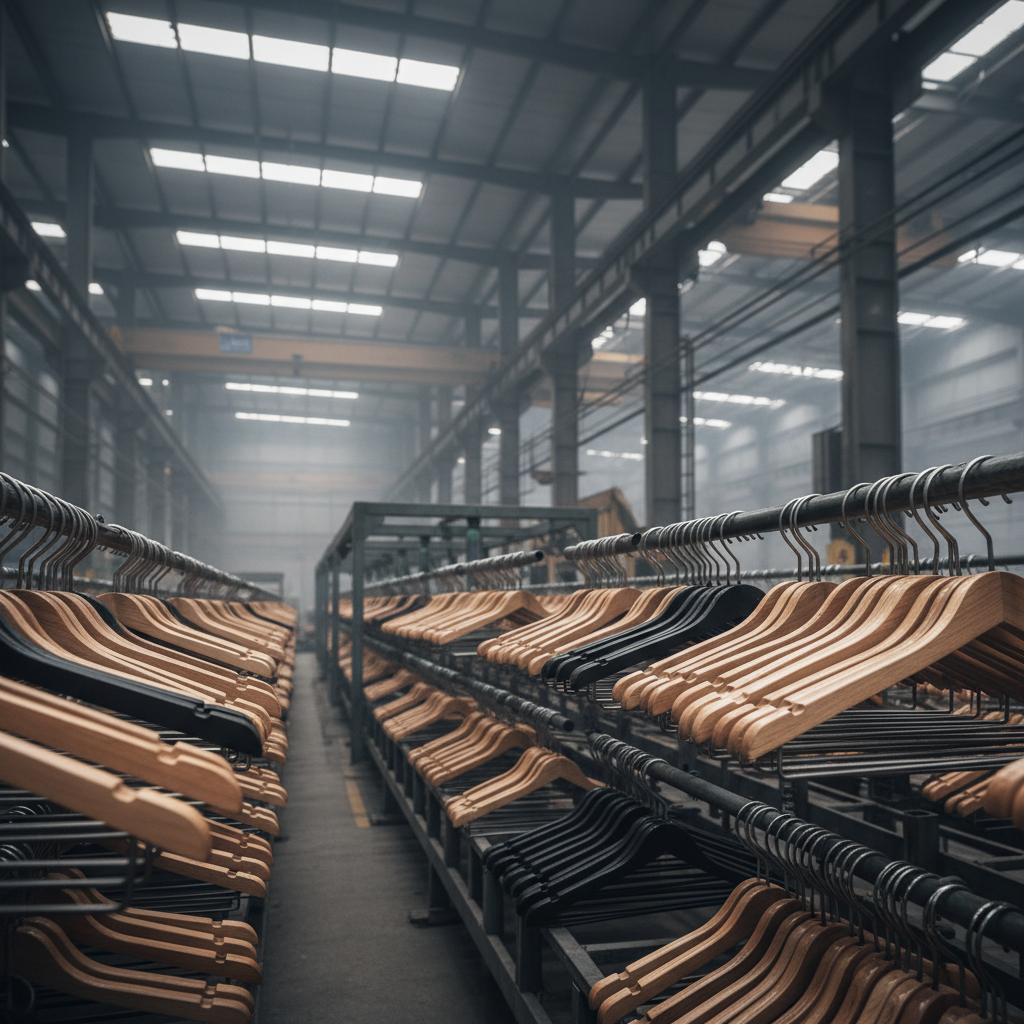
The ubiquitous hanger, often overlooked, plays a critical role in global commerce and everyday life. From garment retail to personal organization, this seemingly simple tool underpins significant aspects of the fashion industry and beyond. Its efficiency in storage, display, and transportation makes it an essential component of supply chains worldwide, impacting economic activity across continents. Understanding the nuances of hanger design, material science, and logistical applications is increasingly important in a rapidly evolving retail landscape.
The global hanger market is a multi-billion dollar industry, driven by trends in fashion, retail, and sustainability. Increasing demand for space-saving solutions in densely populated urban areas, coupled with the rise of fast fashion, has fueled innovation in hanger technology. Furthermore, a growing awareness of environmental impact has prompted a shift toward eco-friendly materials and manufacturing processes. This evolution necessitates a deeper examination of the hanger’s form, function, and future possibilities.
Beyond the retail sector, the principles behind the hanger - efficient support, compact storage, and ease of movement - are finding applications in diverse fields, from industrial logistics to disaster relief. The very concept of a reliable and adaptable hanging system is relevant in scenarios demanding organized and accessible resources.
The Global Significance of the hanger
The hanger’s prevalence is directly linked to the growth of the global apparel industry, which, according to the World Trade Organization, accounts for over 6% of global trade. The need for efficient garment handling, presentation, and distribution drives constant demand. Furthermore, the expansion of e-commerce, where visual appeal and easy navigation are paramount, has increased the importance of hangers in creating appealing online shopping experiences.
The production and distribution of hangers themselves represent a substantial economic activity. Manufacturers worldwide compete to offer innovative designs and sustainable materials, contributing to local economies and job creation. The International Organization for Standardization (ISO) is increasingly involved in setting standards for hanger durability and safety, reflecting the growing recognition of its importance in quality control.
Defining the hanger: Form and Function
In its simplest form, a hanger is a device designed to provide temporary support for clothing or other items, enabling convenient storage and display. However, the term encompasses a vast array of designs, materials, and functionalities. From the classic wooden hanger to the ubiquitous plastic version and increasingly sophisticated metal alternatives, each type serves specific purposes and caters to diverse needs.
The core function of a hanger extends beyond mere support. It influences garment shape retention, minimizes wrinkles, and optimizes space utilization. In retail environments, hangers directly impact the visual appeal of merchandise, contributing to consumer purchasing decisions. A well-chosen hanger can elevate the perceived value of a garment, while a poorly selected one can detract from its presentation.
Today's hanger isn't just a utility item; it’s an integrated element of the retail and fashion ecosystem. It connects production, logistics, display, and ultimately, the consumer experience.
Core Components of hanger Design
Effective hanger design revolves around several key components. These include the shoulder support, critical for preventing stretching and maintaining garment shape; the body or hook, responsible for secure attachment and ease of handling; and the overall structural integrity, dictating durability and load-bearing capacity. Material selection plays a pivotal role in optimizing these elements.
Beyond these core features, specialized hangers incorporate additional elements. These include clips for skirts and trousers, non-slip surfaces to prevent garments from sliding, and contoured designs tailored to specific clothing types like suits or dresses. The integration of these features demonstrates the ongoing evolution of hanger design to meet increasingly specialized needs.
Ergonomics are also crucial. The hook design must allow for easy hanging and removal, and the hanger’s overall shape should minimize clutter and optimize storage space. Consideration of these factors leads to more efficient and user-friendly hanger solutions, directly impacting the efficiency of retail operations and personal organization.
Key Factors Influencing hanger Performance
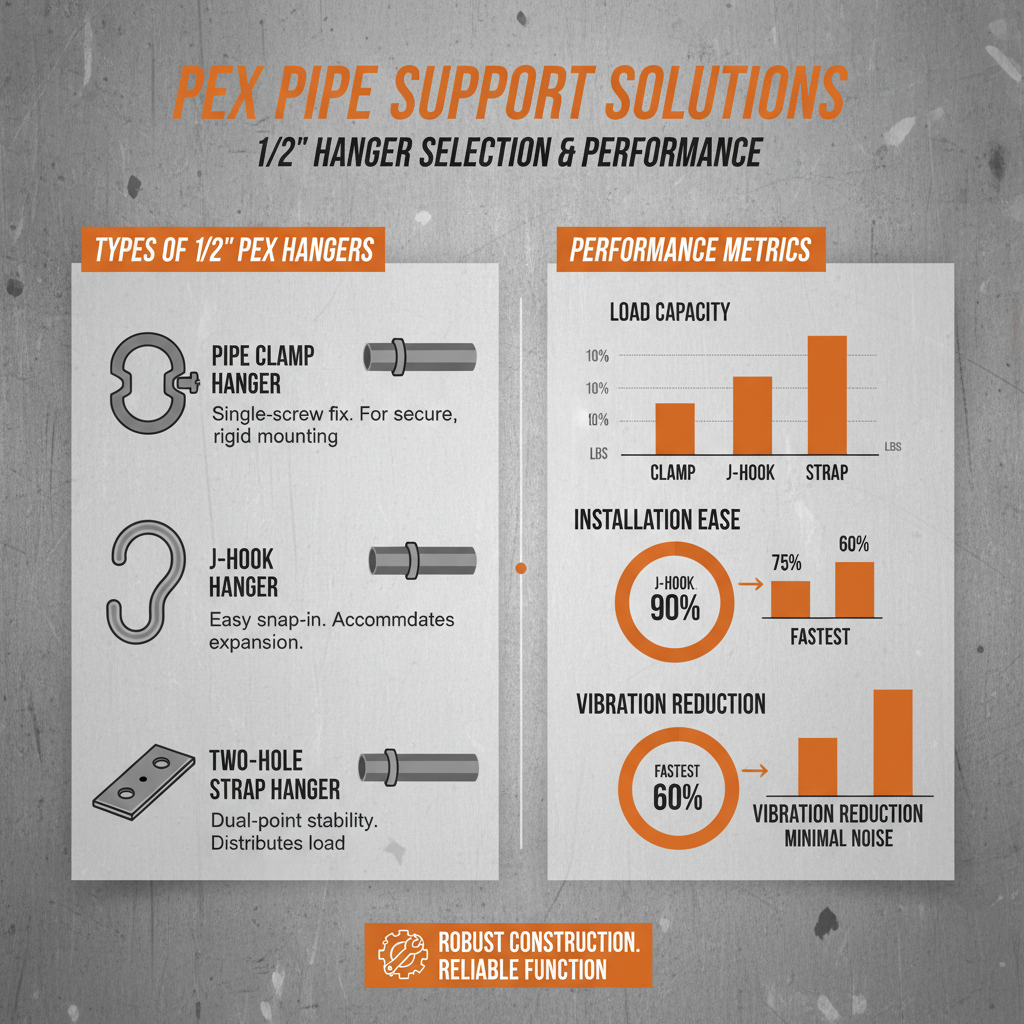
The performance of a hanger is influenced by several key factors. Durability, determined by the material and construction quality, is paramount. A hanger that breaks or warps under minimal weight can lead to garment damage and operational inefficiencies. Load capacity, the maximum weight a hanger can safely support, is directly linked to its material and structural design.
Another critical factor is garment compatibility. Different clothing types require different hanger shapes and features. A delicate silk blouse demands a different hanger than a heavy winter coat. Furthermore, space efficiency plays a vital role, particularly in retail environments where maximizing display capacity is essential.
Comparison of hanger Load Capacity by Material
Global Applications of the hanger
The application of hangers extends far beyond traditional retail. In apparel manufacturing, hangers facilitate the efficient movement of garments throughout the production process, from cutting and sewing to quality control and packaging. In post-disaster relief operations, hangers can be repurposed to create temporary clothing racks, aiding in the distribution of essential supplies to affected communities.
The fashion industry relies heavily on hangers for visual merchandising. Department stores, boutiques, and online retailers utilize hangers to create appealing displays that attract customers and drive sales. In remote industrial zones, durable hangers are crucial for managing workwear and protective equipment, ensuring a safe and organized working environment.
Advantages and Long-Term Value of Quality hangers
Investing in high-quality hangers offers numerous tangible benefits. Reduced garment damage translates to lower replacement costs and increased customer satisfaction. Improved space utilization maximizes display capacity, leading to higher sales potential. Durable hangers minimize the need for frequent replacements, reducing long-term expenses.
Beyond the financial advantages, quality hangers contribute to a more sustainable and ethical supply chain. Eco-friendly materials and responsible manufacturing processes reduce environmental impact and promote social responsibility. The use of well-designed hangers reflects a commitment to quality and attention to detail, fostering trust and enhancing brand reputation.
From a consumer perspective, hangers contribute to a more positive shopping experience. Well-presented garments are more appealing, and the ease of browsing and selecting items enhances overall satisfaction. This translates to increased customer loyalty and repeat business.
Future Trends and Innovations in hanger Technology
The future of hanger technology is focused on sustainability, automation, and integration with digital platforms. The development of biodegradable and compostable hangers made from plant-based materials is gaining momentum, driven by increasing environmental concerns. Smart hangers equipped with RFID tags are being used to track inventory in real-time, improving supply chain efficiency.
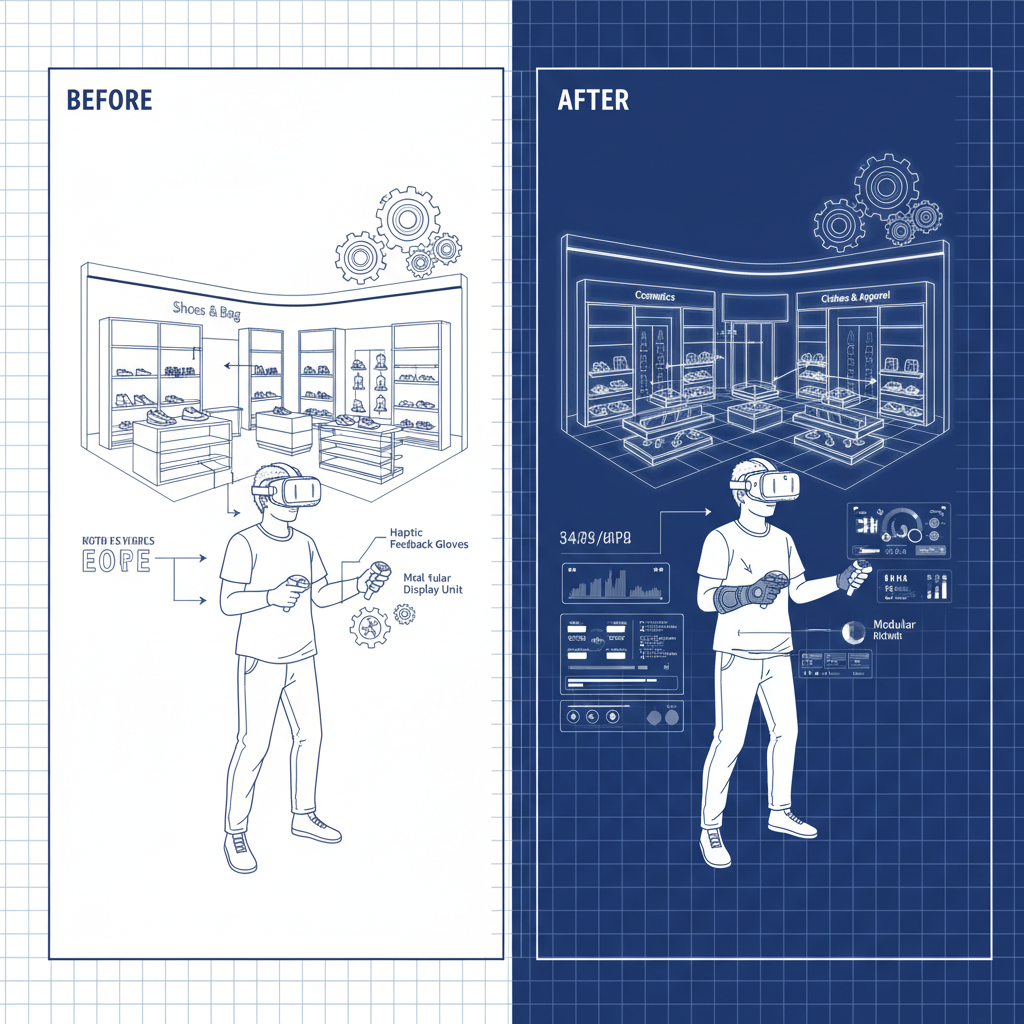
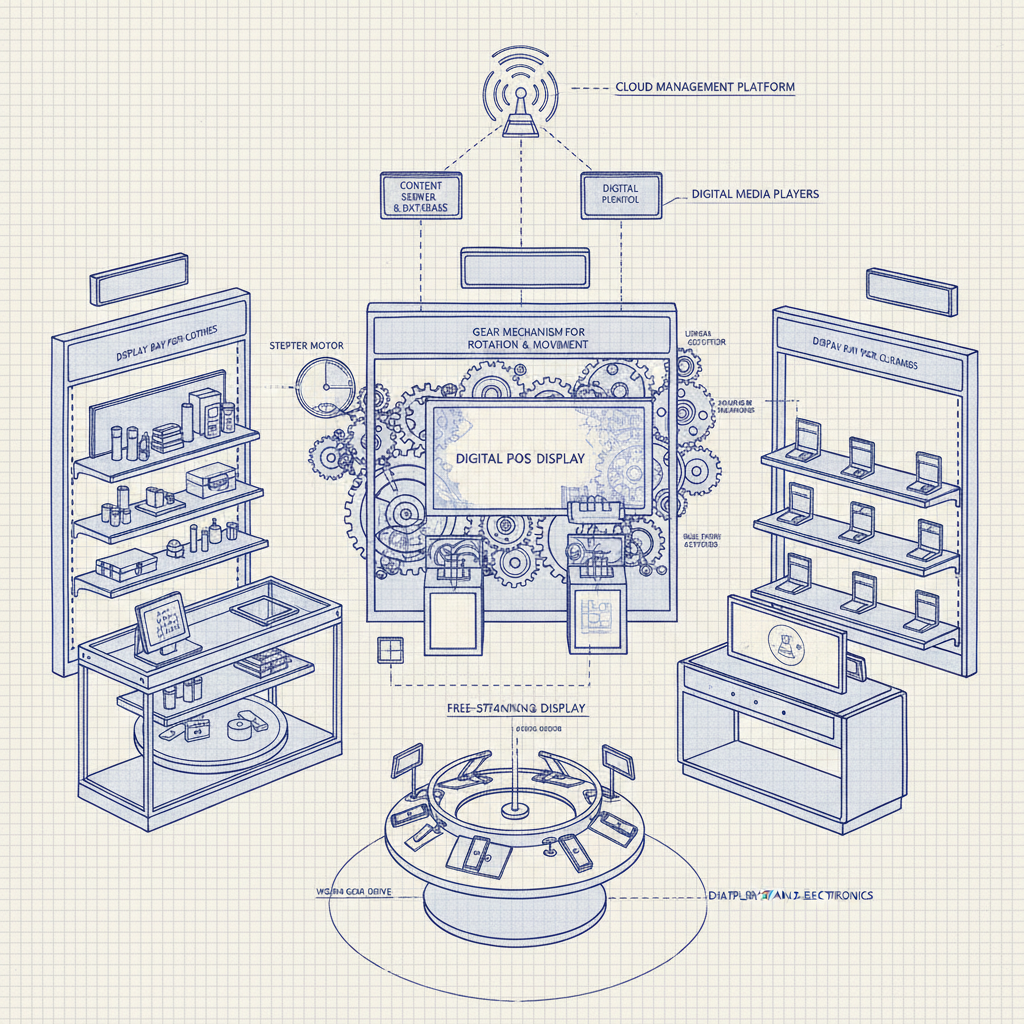
Automated hanger sorting and distribution systems are streamlining operations in large-scale distribution centers, reducing labor costs and improving accuracy. Digital hangers with embedded displays are being explored as a way to provide consumers with additional product information and personalized recommendations.
Furthermore, advancements in material science are leading to the creation of hangers that are both lightweight and incredibly strong, maximizing load capacity and minimizing material waste. The convergence of these trends promises a future where hangers are not just functional tools but also integral components of a smart and sustainable retail ecosystem.
Summary of Hanger Material Performance
| Material Type |
Durability Score (1-10) |
Environmental Impact |
Cost Effectiveness |
| Plastic |
4 |
Low |
High |
| Wood |
7 |
Medium |
Medium |
| Metal |
9 |
Medium |
Low |
| Bamboo |
6 |
High |
Medium |
| Recycled Plastic |
5 |
Medium |
Medium |
| Bio-Plastic |
5 |
High |
Low |
FAQS
Wooden hangers are generally more durable and provide better support for heavier garments than plastic hangers. They also offer a more premium aesthetic and are often considered more environmentally friendly, especially if sourced from sustainably managed forests. While generally more expensive upfront, their longevity can make them a cost-effective choice in the long run. Choosing the right type of wood can also impact garment care, reducing wrinkles and maintaining shape.
The appropriate hanger size depends on the garment type. For example, suits require wider hangers to maintain shoulder shape, while delicate blouses need narrow hangers to prevent stretching. Consider the shoulder width of the garment and choose a hanger that closely matches it. For skirts and trousers, ensure the hanger has appropriate clips or a secure bar to prevent slipping. Using the correct size ensures garments stay in good condition and look their best.
Recycled plastic hangers are a step in the right direction, but their sustainability depends on the recycling process and the type of plastic used. Ensure the hangers are made from post-consumer recycled plastic (PCR) rather than pre-consumer waste. Consider the hanger’s durability, as frequent replacements negate the environmental benefits of recycling. Look for certifications that verify the recycled content and sustainable manufacturing practices.
Cleaning methods vary by material. Wooden hangers can be wiped down with a damp cloth and occasionally polished. Plastic hangers can be washed with mild soap and water. Metal hangers are typically durable and easy to clean with a damp cloth. Avoid harsh chemicals or abrasive cleaners, as these can damage the hanger's finish or structure. Regular cleaning helps maintain the hanger’s appearance and prolong its lifespan.
Storing hangers properly helps prevent damage and maximizes space. Stack wooden hangers carefully to avoid scratching. Hang metal hangers on a sturdy rack or hook. For plastic hangers, consider using storage bins or stacking them neatly. Protect hangers from direct sunlight and extreme temperatures, as these can cause warping or fading. Proper storage prolongs their life and keeps them organized.
Security hangers, also known as anti-theft hangers, are designed to prevent garment theft in retail environments. They typically feature a locking mechanism that requires a special detacher to remove, making it difficult for shoplifters to remove merchandise. They are commonly used in department stores, boutiques, and clothing retailers to protect high-value items. These are a crucial component of loss prevention strategies.
Conclusion
In conclusion, the humble hanger is far more than a simple accessory. It’s a vital component of the global apparel industry, impacting everything from manufacturing and logistics to retail presentation and consumer experience. Understanding the nuances of hanger design, materials, and applications is crucial for businesses and individuals alike seeking efficiency, sustainability, and aesthetic appeal. A seemingly insignificant item has far reaching economic and environmental implications.
Looking ahead, innovation in hanger technology will continue to drive advancements in sustainability, automation, and digital integration. By embracing eco-friendly materials, optimizing designs for space efficiency, and leveraging smart technologies, we can unlock the full potential of the hanger to create a more efficient, responsible, and visually appealing world. Visit our website at www.chshopdisplay.com to explore our extensive range of hangers and discover the perfect solutions for your needs.