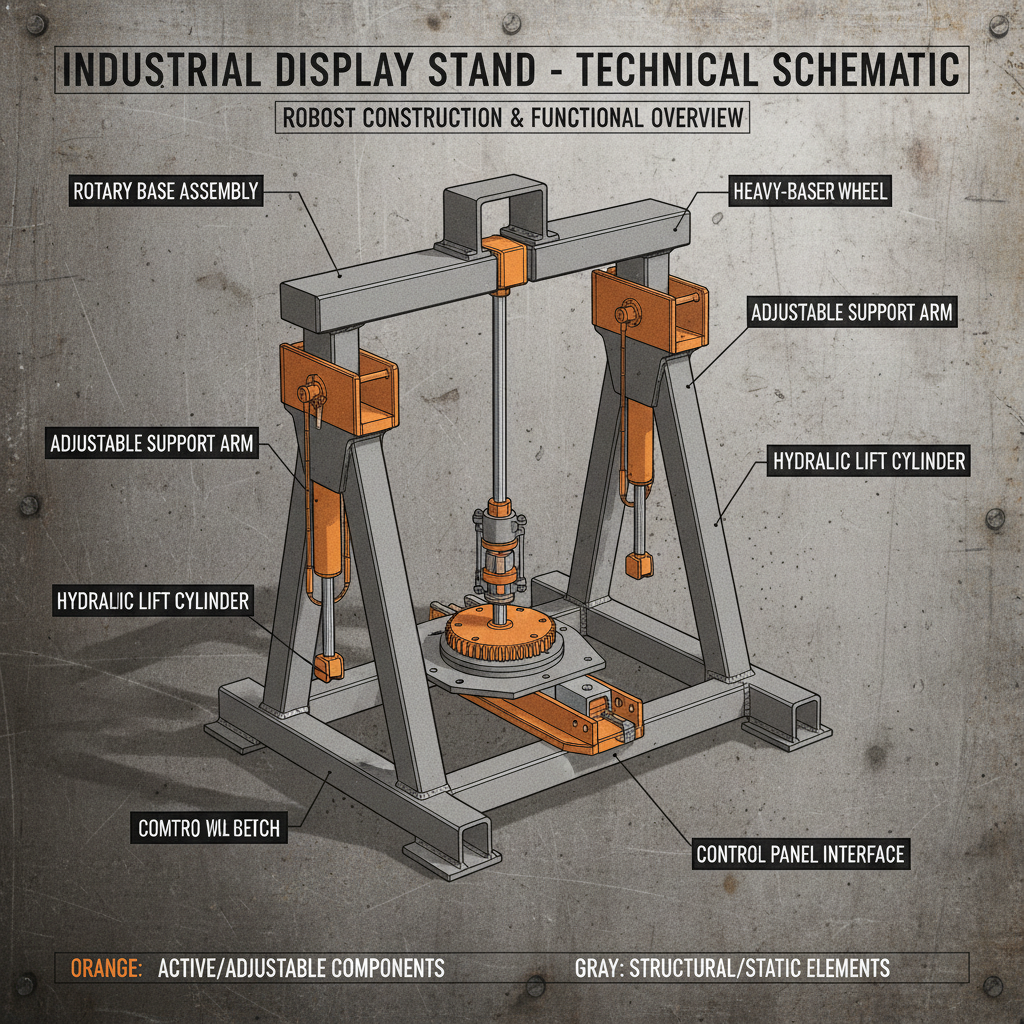
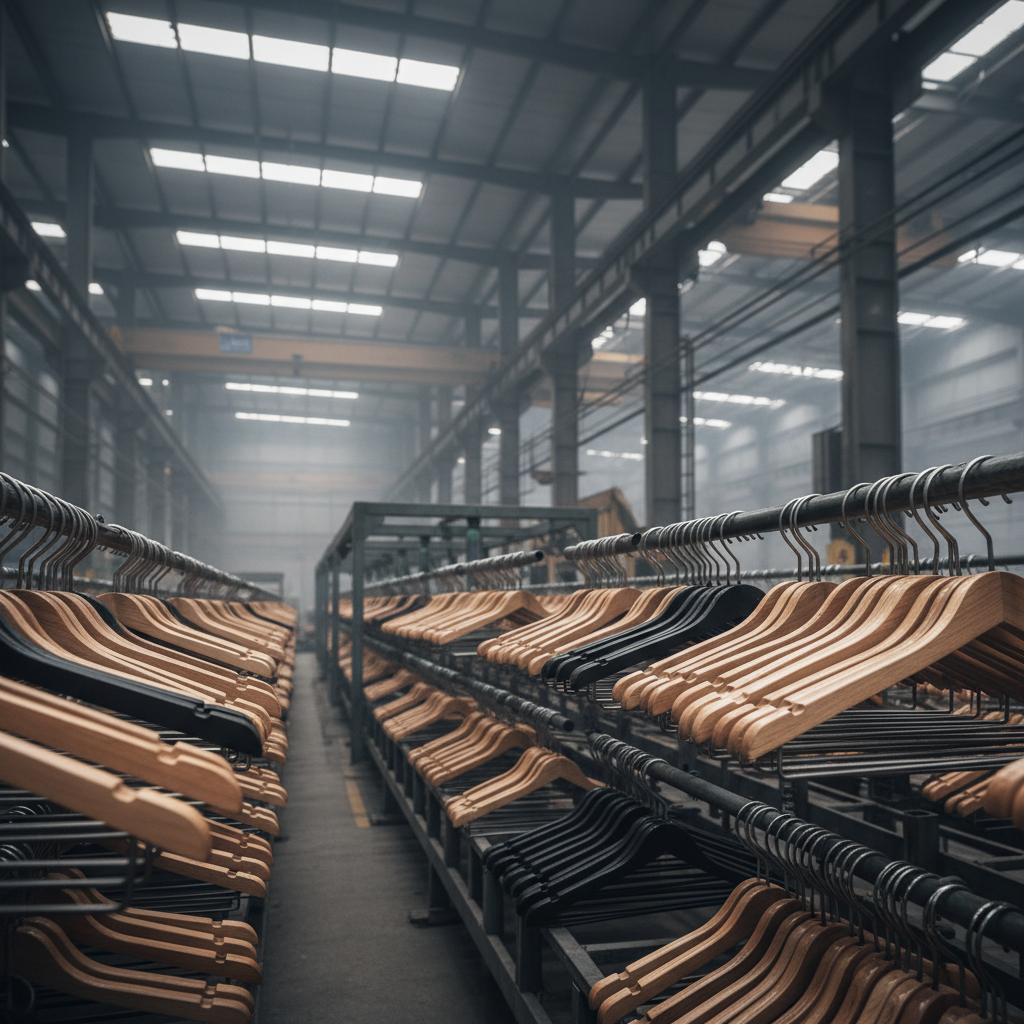
Store design, encompassing the strategic arrangement of spaces within a retail environment, is increasingly vital in today’s competitive market. It's no longer simply about aesthetics; a well-executed store design directly impacts customer experience, brand perception, and ultimately, sales figures. The global retail landscape is evolving rapidly, demanding innovative approaches to attract and retain customers, making thoughtful store design a critical component of business success.
The relevance of store design extends far beyond simply creating a visually appealing space. It plays a crucial role in shaping consumer behavior, guiding traffic flow, and maximizing product exposure. According to a study by the Retail Design Institute, effective store design can increase sales by as much as 20%. This impact is amplified in a world where consumers have abundant choices and increasingly prioritize experiences over simply acquiring products.
Understanding the principles of store design – from layout and lighting to color psychology and visual merchandising – is paramount for retailers aiming to thrive. Businesses that invest in creating engaging and intuitive store environments position themselves for long-term success. Moreover, a strong store design can build brand loyalty and differentiate a business from its competitors, solidifying its place in the market.
The Importance of Store Design
Effective store design is more than just making a space look appealing; it's about strategically influencing customer behavior. A well-designed store subtly guides shoppers through the space, increasing dwell time and maximizing the likelihood of purchase. Thoughtful layout, lighting, and product placement all contribute to a positive and profitable shopping experience.
The significance of store design is amplified by the rise of experiential retail. Customers are no longer solely focused on acquiring goods; they seek immersive and engaging experiences. Store design plays a critical role in creating these experiences, turning a simple shopping trip into a memorable event.
Defining Store Design
Store design refers to the intentional arrangement of all physical elements within a retail space, including layout, lighting, color scheme, fixtures, and visual merchandising. Its primary goal is to create an environment that attracts customers, enhances their shopping experience, and ultimately drives sales. It's a multidisciplinary field drawing from principles of architecture, psychology, marketing, and visual communication.
In the modern context, store design extends beyond the physical space to encompass the overall brand aesthetic and customer journey. It aligns with the brand's identity, conveying its values and creating a consistent experience across all touchpoints. It’s about building a connection with the customer and establishing a memorable brand impression.
The connection to modern industry lies in recognizing that retail isn't just about products; it's about creating destinations. A well-designed store functions as a brand ambassador, telling a story and forging an emotional connection with shoppers. This is vital in a crowded marketplace where differentiation is key to success.
Key Factors in Effective Store Design
Several core components contribute to the success of store design. One crucial aspect is Layout and Flow, which dictates how customers navigate the space. A logical and intuitive layout encourages exploration and maximizes product visibility. Another key factor is Lighting, which significantly impacts mood, product perception, and energy efficiency. Strategic lighting can highlight key merchandise and create a welcoming atmosphere.
Visual Merchandising is also paramount. This involves strategically displaying products to attract attention and encourage purchase. Effective visual merchandising leverages color, composition, and storytelling to create compelling displays. Equally important is Sensory Experience: considering the impact of music, scent, and even temperature to engage customers on multiple levels and enhance their overall experience.
Finally, Branding Consistency ensures the store design reflects the brand's identity and values. This includes incorporating brand colors, logos, and messaging throughout the space. Maintaining consistency builds brand recognition and reinforces the overall customer experience.
Practical Applications of Store Design
In fashion retail, store design can dramatically impact impulse purchases. Creating visually striking displays and strategically placing accessories near clothing items can significantly boost sales. For grocery stores, optimizing layout to encourage shoppers to traverse all aisles maximizes exposure to a wider range of products.
In electronics stores, dedicated demonstration areas and interactive displays allow customers to experience products firsthand, fostering engagement and confidence in their purchase decisions. For smaller boutiques, a minimalist design emphasizing quality craftsmanship and personalized service can create a luxury experience.
Store Design Component Effectiveness
Global Applications & Industry Impact
The principles of store design are universally applicable, though their implementation varies significantly across cultures and industries. In Japan, minimalist aesthetics and a focus on creating a sense of tranquility are common in retail spaces. In contrast, North American stores often prioritize maximizing space and product density.
The luxury goods industry heavily relies on sophisticated store design to convey exclusivity and prestige. High-end retailers invest significantly in creating opulent environments that enhance the perceived value of their products. In the fast-fashion sector, store design focuses on creating a dynamic and ever-changing experience to encourage frequent visits.
Advantages and Long-Term Value
Investing in effective store design offers numerous tangible benefits. Increased sales are the most immediate outcome, driven by improved customer engagement and impulse purchases. Lower operational costs can also be achieved through optimized layout and energy-efficient lighting. Furthermore, strong store design enhances brand perception, building customer loyalty and advocacy.
Beyond the purely financial, store design delivers significant emotional value. A well-designed space creates a positive and memorable shopping experience, fostering a sense of connection between the customer and the brand. This contributes to customer satisfaction and encourages repeat business, ultimately enhancing long-term sustainability.
Future Trends in Store Design
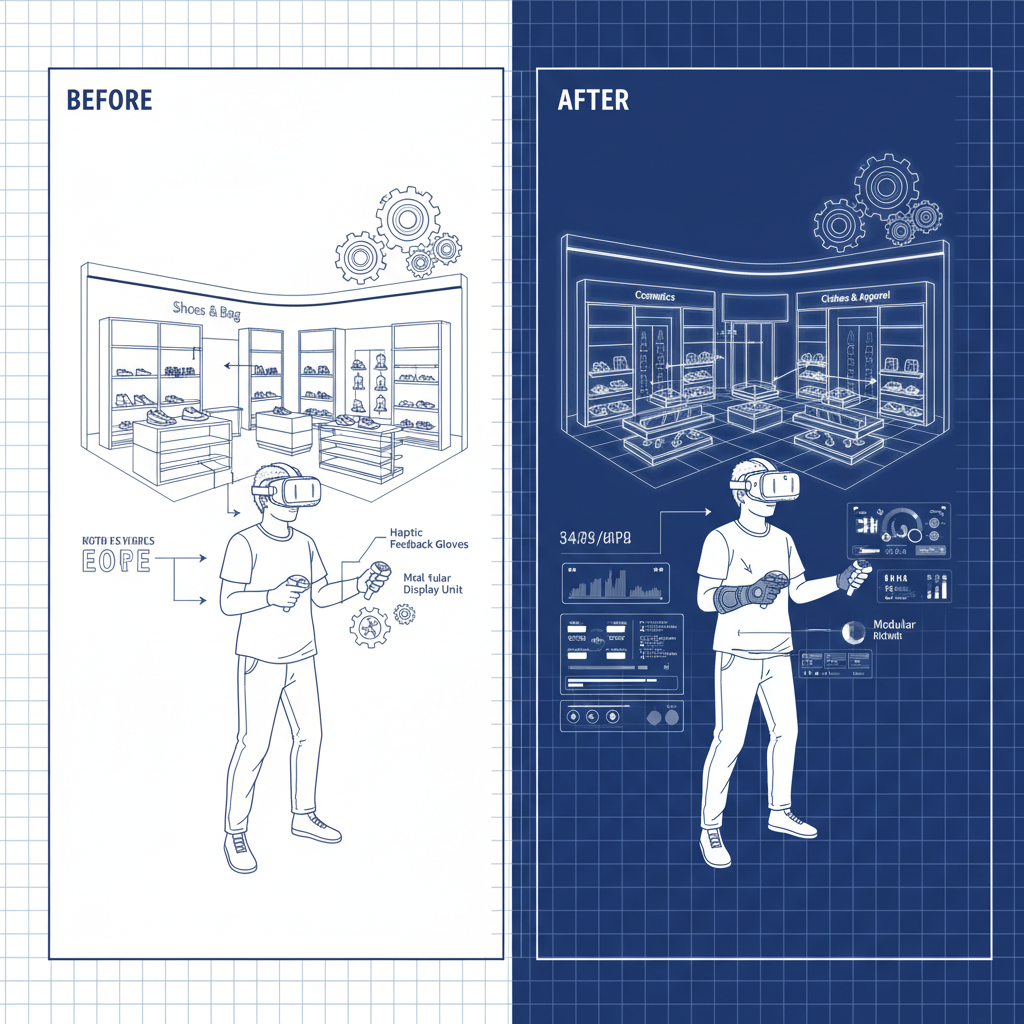
Several emerging trends are poised to reshape the future of store design. The integration of technology, such as augmented reality (AR) and virtual reality (VR), will create immersive shopping experiences, allowing customers to visualize products in their own homes. Sustainable design practices, utilizing eco-friendly materials and energy-efficient systems, are becoming increasingly important.
Personalization will also play a larger role, with store designs adapting to individual customer preferences through data analytics and customizable displays. The rise of omnichannel retail will necessitate seamless integration between online and offline experiences, blurring the lines between physical and digital spaces.
We can anticipate a shift towards more flexible and adaptable store designs, capable of evolving quickly to meet changing consumer demands. Modular fixtures and reconfigurable layouts will become increasingly common, allowing retailers to respond rapidly to new trends and opportunities.
Summary of Key Store Design Challenges and Potential Solutions
| Challenge |
Impact on Store Design |
Potential Solution |
Implementation Cost (1-10) |
| High Initial Investment |
Limited budget for design upgrades. |
Phased implementation, prioritizing high-impact areas. |
6 |
| Maintaining Brand Consistency |
Inconsistent experiences across locations. |
Develop comprehensive design guidelines and training programs. |
5 |
| Adapting to Changing Trends |
Store design becoming outdated quickly. |
Employ modular and flexible design elements. |
7 |
| Integrating Technology Seamlessly |
Disruptive and poorly integrated tech implementations. |
Prioritize user experience and strategic tech placement. |
8 |
| Balancing Aesthetics and Functionality |
Visually appealing design that hinders customer flow. |
User-centered design approach, focusing on customer journey. |
4 |
| Sustainability Concerns |
Environmentally harmful materials and practices. |
Utilize eco-friendly materials and energy-efficient solutions. |
6 |
FAQS
The ROI on store design can vary, but studies suggest an increase in sales ranging from 10% to 25% is achievable. This increase stems from improved customer experience, better product visibility, and increased impulse purchases. Factors like location, target audience, and the quality of the design all influence the final return. Considering the long-term impact on brand perception and customer loyalty, a professional store design is a worthwhile investment for most retailers.
The duration of a store design project depends on the scope and complexity. A small refresh might take a few weeks, while a complete overhaul could take several months. Key stages include concept development, design rendering, material selection, construction, and installation. Effective project management and clear communication between the retailer and designer are crucial for staying on schedule.
Several cost-effective improvements can significantly enhance store design. Repainting walls, upgrading lighting fixtures, and rearranging product displays can make a substantial difference. Focusing on visual merchandising, adding plants, and incorporating strategic signage can also create a more inviting atmosphere without breaking the bank. Prioritizing high-impact areas like the entrance and key product displays is also a smart strategy.
Lighting is incredibly important, often underestimated. It impacts mood, product perception, and energy efficiency. Good lighting highlights key merchandise, creates a welcoming atmosphere, and reduces eye strain for customers. Layering different types of lighting – ambient, task, and accent – is crucial for achieving an effective lighting design. Investing in energy-efficient LED lighting can also lower operational costs.
Adapting store design to the target audience is essential for creating a relevant and engaging experience. A store targeting young adults might incorporate bold colors, interactive displays, and social media integration. Conversely, a store catering to a more mature demographic might prioritize comfort, accessibility, and a calming atmosphere. Understanding the demographics’ preferences is paramount.
Color psychology has a significant impact on customer behavior. Different colors evoke different emotions and associations. For example, blue conveys trust and reliability, while red creates a sense of urgency. Utilizing color strategically can influence purchasing decisions and create the desired atmosphere. Careful consideration of color palettes is crucial for aligning with the brand's identity and target audience.
Conclusion
In conclusion, store design is a vital component of retail success, extending far beyond aesthetics. It's a strategic investment that impacts customer experience, brand perception, and ultimately, profitability. By focusing on key factors like layout, lighting, visual merchandising, and sensory experience, retailers can create environments that attract customers, encourage engagement, and drive sales.
As retail continues to evolve, embracing innovative technologies, sustainable practices, and personalized experiences will be crucial. We encourage retailers to view store design not as a one-time project, but as an ongoing process of refinement and adaptation. For expert guidance and innovative solutions in store design, visit our website today.