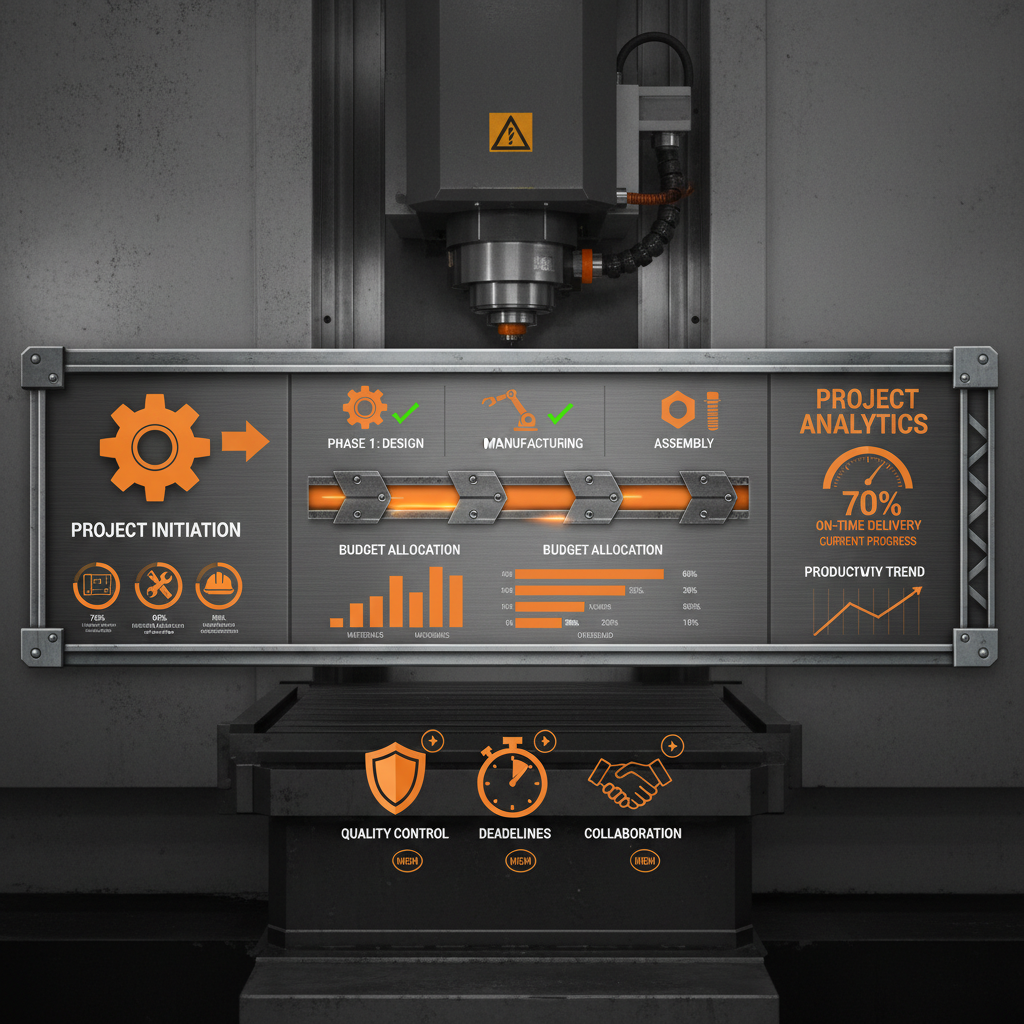
The concept of shop build, encompassing rapid deployment housing, modular construction, and prefabricated structures, is gaining global prominence. Driven by increasing urbanization, disaster relief needs, and the demand for affordable housing, shop build offers innovative solutions to traditional construction challenges. It's a field rapidly evolving, impacting everything from emergency response to sustainable urban development, offering scalability and speed previously unattainable.
Globally, the demand for efficient and adaptable building solutions is soaring. The United Nations estimates that 1.6 billion people worldwide lack adequate housing (UN-Habitat, 2020). Furthermore, natural disasters are increasing in frequency and intensity, displacing millions annually (World Bank data). Shop build presents a viable strategy for addressing both these pressing issues, offering quicker, more resilient, and often more cost-effective alternatives to conventional construction methods.
This surge in demand is fueling innovation within the shop build industry. From utilizing sustainable materials to incorporating smart technologies, the potential of shop build is vast. Understanding its principles and applications is crucial for architects, engineers, humanitarian organizations, and anyone involved in creating a more sustainable and equitable built environment. The advantages of shop build extend beyond mere construction speed; they encompass environmental impact, economic feasibility, and social responsibility.
The Global Rise of shop build
Shop build is rapidly becoming a critical component of global infrastructure development and disaster response. Factors driving this growth include increasing urbanization rates, a growing need for affordable housing, and the escalating frequency of natural disasters. The ability to deploy structures quickly and efficiently makes shop build an essential solution for humanitarian aid and emergency shelter.
The adoption of shop build isn’t limited to crisis situations. It’s also gaining traction in commercial and industrial sectors, where the speed of construction and cost-effectiveness are highly valued. From temporary retail spaces to modular office buildings, shop build is transforming how spaces are designed and created. This widespread applicability underscores its potential for long-term, sustainable growth within the building industry.
Defining shop build
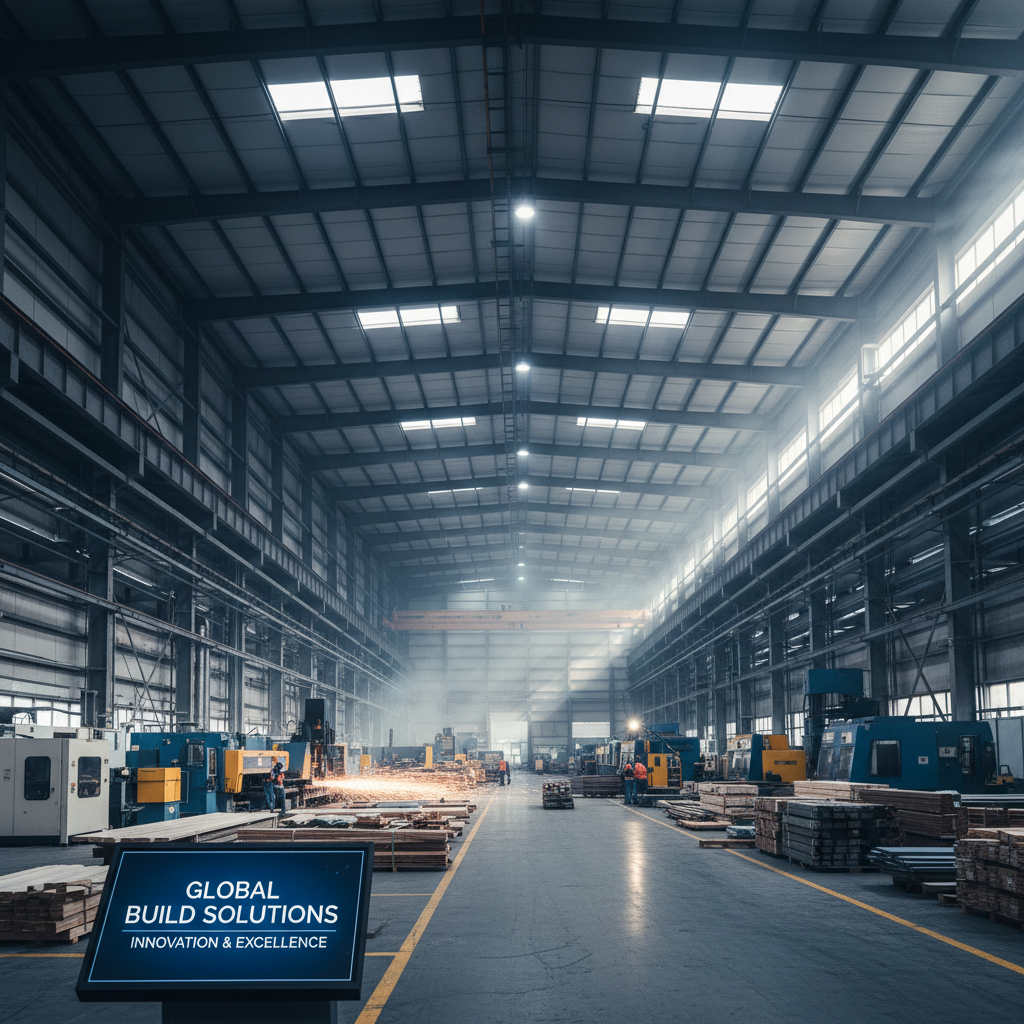
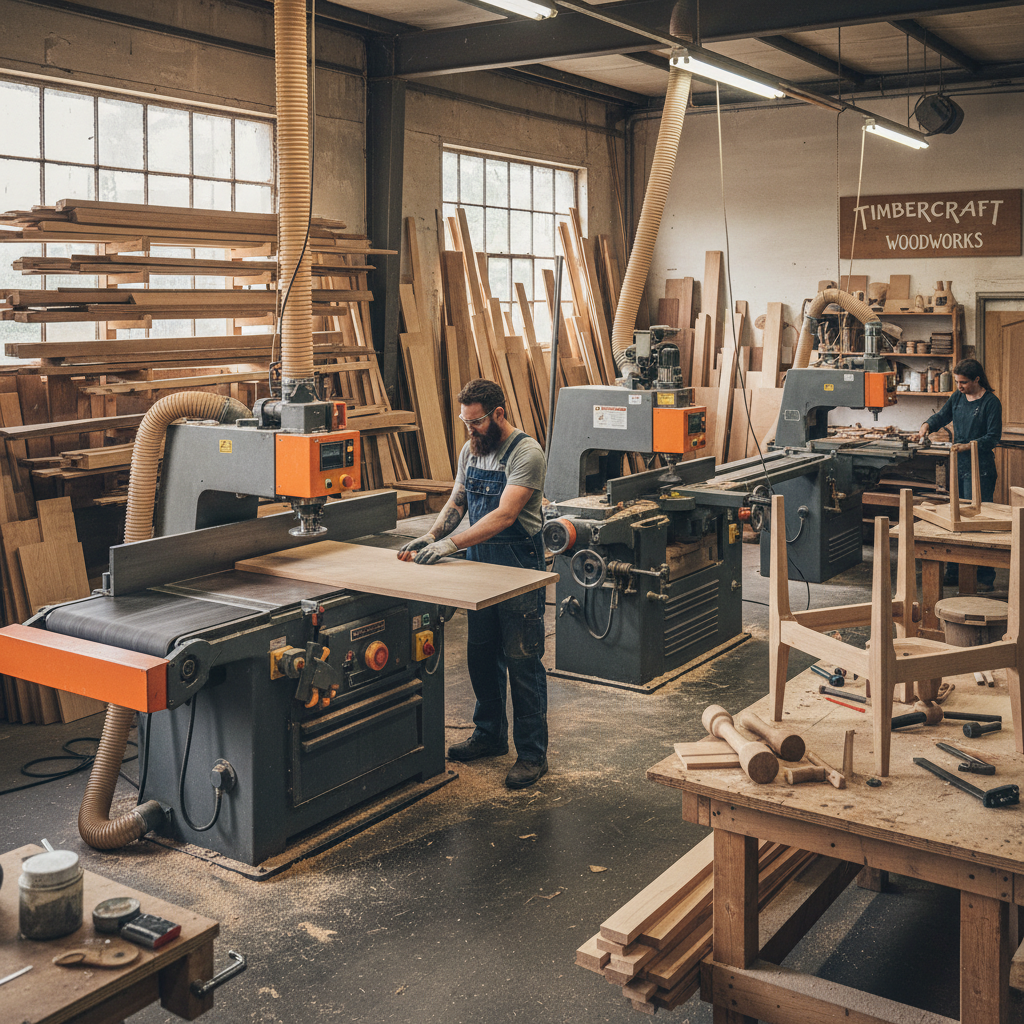
Shop build refers to the process of constructing buildings or structures off-site, in a controlled factory environment, and then transporting and assembling them on the final location. This contrasts with traditional construction, where the majority of work is performed directly on the building site. The term encompasses a range of techniques including modular construction, prefabricated building, and container architecture.
The connection to modern industry lies in its alignment with principles of lean manufacturing and mass customization. Like automotive or electronics production, shop build benefits from economies of scale, reduced waste, and improved quality control. It addresses humanitarian needs by providing rapid, scalable shelter solutions following disasters, and by offering affordable housing options for vulnerable populations.
Essentially, shop build represents a paradigm shift in how we approach construction, moving from a predominantly site-based process to a more efficient, factory-based model. This shift has implications for cost, speed, sustainability, and the overall quality of the built environment.
Core Components of Effective shop build
A successful shop build relies on several key components. Design for Manufacturing and Assembly (DfMA) is paramount, ensuring structures are designed for ease of fabrication and assembly. This involves streamlining connections, standardizing components, and minimizing on-site modifications.
Material Selection is equally important. Durable, lightweight, and sustainable materials are favored, often including steel, concrete, and engineered wood products. The choice of materials influences both the structural integrity and the environmental impact of the shop build. Furthermore, Quality Control processes during fabrication are essential for ensuring adherence to building codes and safety standards.
Logistics and Transportation form a critical link in the process. Efficiently transporting modules or prefabricated components to the site requires careful planning and specialized equipment. Finally, On-Site Assembly must be quick and precise, minimizing disruption to the surrounding environment and reducing overall project timelines.
Key Factors for Successful shop build Implementation
Implementing a shop build project effectively requires careful consideration of several key factors. Durability is paramount, especially for structures designed to withstand harsh environments or extreme weather events. Choosing robust materials and employing rigorous testing procedures are essential.
Scalability refers to the ability to easily expand or modify the structure to meet changing needs. Modular designs are particularly well-suited for scalability, allowing for the addition or removal of modules as required.
shop build Component Performance
Global Applications and Real-World Use Cases
Shop build is being deployed across a diverse range of applications globally. In post-disaster relief operations, rapid-deployment housing provides immediate shelter for displaced populations. For example, organizations are utilizing container homes to create temporary communities after earthquakes and hurricanes.
In remote industrial zones, modular construction is enabling the swift establishment of worker housing and site offices. Mining camps in Australia and oil and gas facilities in Canada frequently employ shop build solutions due to their efficiency and adaptability. Furthermore, in urban areas, modular apartments and office buildings are addressing the need for affordable and sustainable housing and workspace.
The versatility of shop build extends to specialized structures, such as mobile medical clinics, temporary schools, and even pop-up retail spaces. The ability to customize designs and quickly deploy structures makes it an ideal solution for a wide range of needs in diverse geographical locations.
Advantages and Long-Term Value Proposition
The advantages of shop build are substantial. Cost savings are a primary driver, resulting from reduced labor costs, minimized waste, and faster project completion times. Sustainability is another key benefit, as factory-controlled environments allow for efficient material use and waste reduction.
From a social impact perspective, shop build can contribute to creating safer and more dignified living conditions for vulnerable populations. The speed of construction allows for quicker responses to emergencies and provides immediate shelter for those in need. Logically, the reduced construction time translates to quicker return on investment and improved project predictability.
Future Trends and Innovations in shop build
The future of shop build is poised for further innovation. The integration of green energy technologies, such as solar panels and rainwater harvesting systems, is becoming increasingly common. Digital transformation is also playing a significant role, with Building Information Modeling (BIM) and advanced manufacturing techniques streamlining the design and fabrication processes.
Automation and robotics are expected to further enhance efficiency and precision in factory settings. Sustainable material research, focusing on bio-based and recycled materials, is driving the development of environmentally friendly shop build solutions. These advancements promise to make shop build even more efficient, sustainable, and cost-effective in the years to come.
Furthermore, the development of standardized modular designs and building codes will facilitate wider adoption and integration of shop build into mainstream construction practices.
Challenges and Solutions
Despite its many advantages, shop build faces certain challenges. Initial investment costs for factory setup can be significant. Transportation logistics can be complex, particularly for large or irregularly shaped modules. Existing building codes and regulations may not always be fully adapted to shop build techniques.
However, these challenges are being addressed through innovative solutions. Government incentives and financing models are helping to reduce upfront investment costs. Optimized transportation strategies and the use of collapsible modules are streamlining logistics. Collaborative efforts between industry stakeholders and regulatory bodies are leading to the development of more accommodating building codes.
Summary of shop build Challenges & Solutions
| Challenge |
Impact on shop build |
Potential Solution |
Implementation Difficulty (1-10) |
| High Initial Investment |
Limits accessibility for smaller companies |
Government incentives, shared factory spaces |
6 |
| Complex Transportation |
Increases project costs and timelines |
Optimized logistics, collapsible designs |
7 |
| Regulatory Barriers |
Slows down project approvals |
Advocacy for updated building codes |
8 |
| Material Supply Chain |
Disruptions can delay production |
Diversified sourcing, local partnerships |
5 |
| Skilled Labor Shortage |
Limits production capacity |
Training programs, automation |
7 |
| Perception of Quality |
Misconceptions about durability |
Demonstration projects, certifications |
4 |
FAQS
Shop build offers several key advantages including faster construction times (typically 30-50% faster), reduced costs due to optimized material usage and labor efficiency, improved quality control in a factory setting, and reduced waste. It also allows for greater design flexibility and the potential for sustainable building practices.
Shop build inherently promotes sustainability by minimizing material waste, optimizing resource utilization, and allowing for the incorporation of eco-friendly materials. The controlled factory environment reduces the environmental impact associated with on-site construction, such as noise pollution and dust emissions. Furthermore, the precision of shop build often results in more energy-efficient structures.
While shop build is incredibly versatile, it’s not necessarily ideal for every project. Complex architectural designs or sites with significant topographical challenges may present limitations. However, advancements in modular design and transportation are constantly expanding the range of projects suitable for shop build, making it applicable to residential, commercial, and industrial applications.
The lifespan of a shop build structure is comparable to, and often exceeds, that of traditionally built structures. With proper design, material selection, and maintenance, shop built buildings can easily last for 50-100 years or more. The durability is influenced by factors like climate, material quality, and adherence to building codes.
Major cost considerations include factory setup or leasing, material costs, transportation expenses, on-site assembly, and permitting fees. While initial investment can be higher, overall project costs are often lower due to faster completion times and reduced labor expenses. A thorough cost-benefit analysis is essential.
Quality control should be a central focus throughout the entire process. Choose a reputable shop build manufacturer with certifications and a proven track record. Ensure the design complies with local building codes and regulations. Independent inspections and quality assurance testing are crucial to verify structural integrity and safety.
Conclusion
In conclusion, shop build represents a transformative approach to construction, offering compelling advantages in terms of speed, cost-effectiveness, sustainability, and quality. Its ability to address pressing global challenges – from affordable housing shortages to disaster relief needs – positions it as a crucial element of the future built environment. The core principles of offsite fabrication, modularity, and precision engineering are redefining how we design, build, and inhabit our world.
Looking ahead, continued innovation in materials, technologies, and regulatory frameworks will be essential to unlock the full potential of shop build. Embracing this evolving paradigm requires collaboration between architects, engineers, manufacturers, and policymakers. Visit our website at shop build to explore how we can help you implement innovative shop build solutions for your next project.