The emergence of virtual reality (vr) has fundamentally reshaped how we perceive the intersection of digital interaction and physical space. By simulating three-dimensional environments, this technology allows users to step beyond the constraints of traditional screens, offering an immersive experience that is now vital for industries ranging from high-end retail to complex industrial design.
Globally, the adoption of immersive systems is no longer just a novelty for gaming; it has become a strategic tool for enhancing customer engagement and operational efficiency. From the way we visualize store layouts in a display counter to the method by which technicians train for hazardous tasks, the capacity to simulate reality provides a safe, scalable, and cost-effective alternative to physical prototyping.
Understanding the nuances of virtual reality (vr) is essential for businesses aiming to maintain a competitive edge in the digital transformation era. By leveraging these tools, companies can reduce material waste in the manufacturing of shop fittings and provide a seamless, "try-before-you-buy" experience that bridges the gap between e-commerce and brick-and-mortar retail.
Global Impact and Industry Context of VR
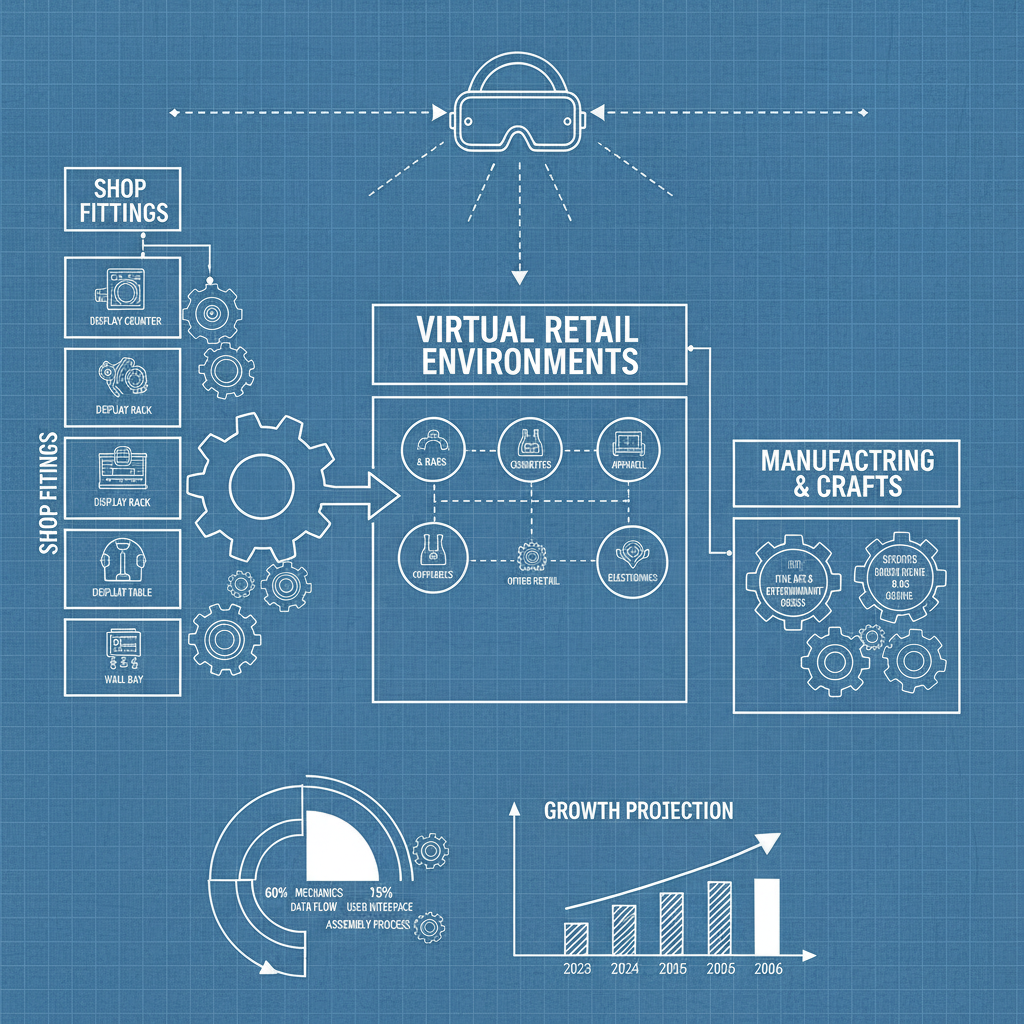
On a global scale, virtual reality (vr) is driving a paradigm shift in how industrial assets are managed. According to recent market analysis, the integration of immersive technologies in the manufacturing sector has seen a compound annual growth rate that reflects a desperate need for precision and reduced lead times. By utilizing VR, companies can bypass the expensive process of building multiple physical prototypes for display racks or store layouts, thereby accelerating the time-to-market for new retail concepts.
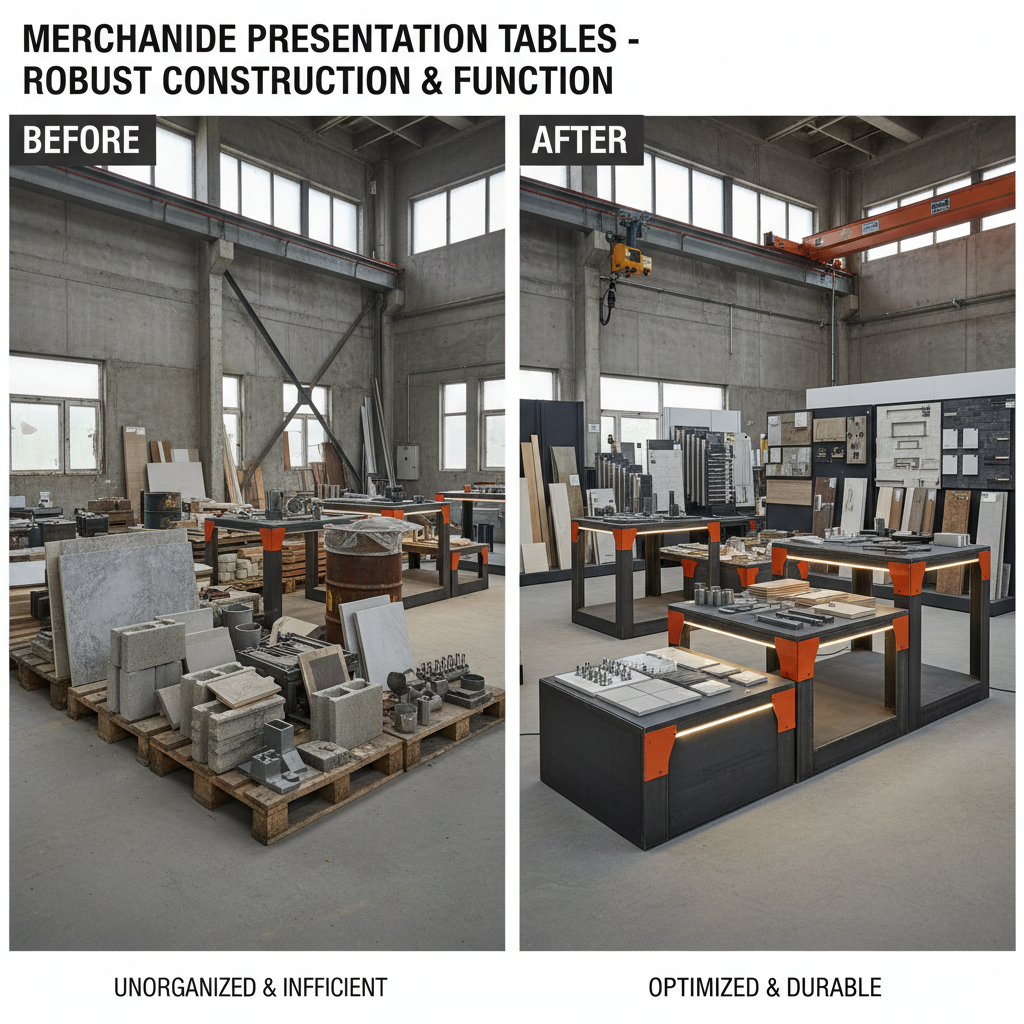
The challenge previously faced by the industry was the "gap of imagination"—the difficulty in communicating a 3D design to a client using only 2D blueprints. This often led to costly revisions during the installation phase of shop fittings. With the advent of immersive simulation, stakeholders can now "walk through" a digital version of their store before a single piece of metal or wood is cut, ensuring that every display table and wall bay is positioned for maximum ergonomic efficiency and customer flow.
Defining Virtual Reality in Modern Commerce
At its core, virtual reality (vr) is a computer-generated simulation of a three-dimensional environment that can be interacted with in a seemingly real or physical way by a person using special electronic equipment, such as a headset. Unlike augmented reality, which overlays digital information on the physical world, VR completely replaces the user's surroundings, creating a total immersion that is invaluable for sensory testing and spatial planning.
In the context of modern commerce and retail manufacturing, this means the ability to create "digital twins" of physical products. For a manufacturer of display stands or cosmetics store fixtures, this translates to a virtual showroom where every texture, lighting angle, and dimension is rendered with mathematical precision. It allows for a level of detail that transcends traditional CAD software, providing a psychological sense of "presence" that is critical for design approval.
Furthermore, the connection to humanitarian and educational needs is evident in how VR is used for vocational training. By simulating the assembly of complex store design elements or the safe operation of heavy machinery, workers can gain expertise without the risk of injury or material waste. This educational pivot ensures that the workforce is better equipped to handle high-precision tasks in the crafts and entertainment equipment manufacturing sector.
Core Components of Immersive Systems
To achieve true immersion, virtual reality (vr) relies on several key technical pillars. First is Sensory Fidelity, which encompasses high-resolution displays and spatial audio to trick the brain into accepting the virtual environment as real. In retail design, this means being able to see the exact reflection of light on a glass display counter, which is essential for luxury brand positioning.
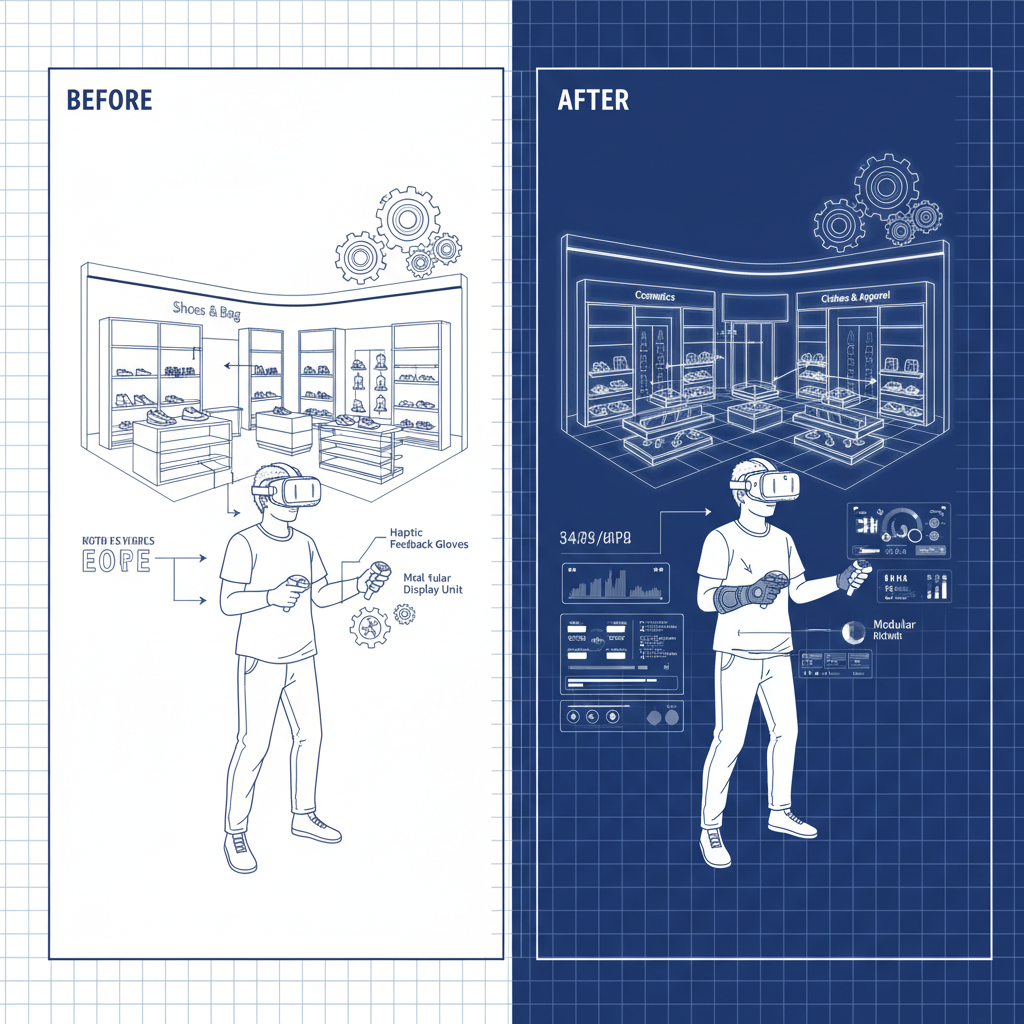
The second pillar is Interactivity and Haptics. For virtual reality (vr) to be useful in manufacturing, users must be able to manipulate objects. Haptic feedback allows a designer to "feel" the scale of a display rack or the resistance of a sliding door in a wall bay system, ensuring that the ergonomic design is not just visually appealing but functionally sound.
Finally, Low Latency and Tracking are critical for preventing motion sickness and ensuring precision. High-frequency tracking of head and hand movements allows a user to inspect the underside of a display table or the corner of a shelving unit with absolute accuracy. This technical reliability transforms the tool from a mere visual aid into a professional-grade engineering instrument.
Scalability and Cost Efficiency Metrics
The implementation of virtual reality (vr) offers a scalable approach to business growth. Instead of investing in expensive physical showrooms in every target city, a company can deploy a single, high-fidelity virtual environment accessible to clients worldwide. This scalability reduces the overhead costs associated with logistics and physical sample transport, allowing small-to-medium enterprises in the crafts manufacturing sector to compete on a global stage.
From a cost-efficiency perspective, the reduction in "prototype churn" is the most significant advantage. Traditional iterative design often requires three or four physical iterations of a product. By moving 90% of this process into a virtual space, companies can realize massive savings in raw materials and labor hours, while simultaneously increasing the precision of the final output.
Performance Comparison of VR Implementation Methods
Real-World Applications in Retail Design
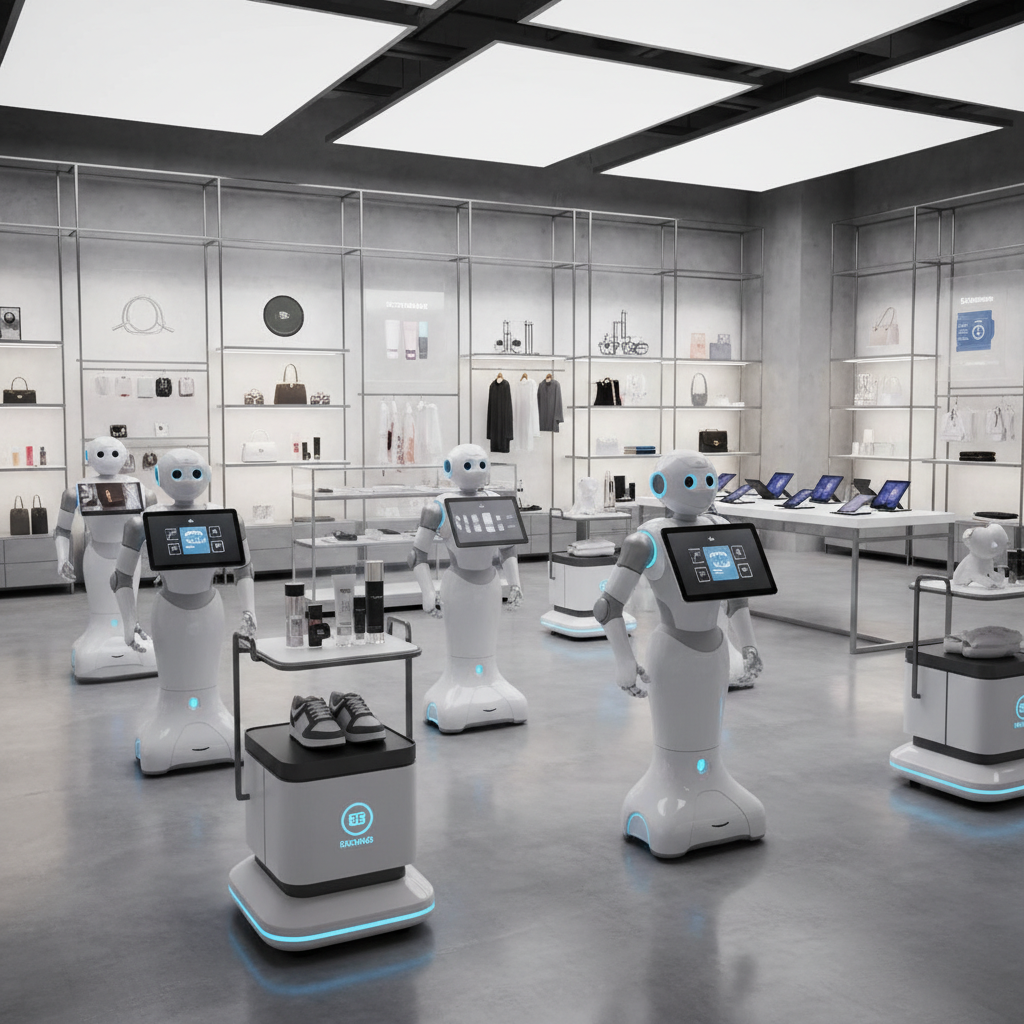
In the practical world of shop fittings, virtual reality (vr) is being used to optimize the "Customer Journey." Retailers can simulate foot traffic patterns in a virtual store, adjusting the placement of display stands and wall bays to eliminate bottlenecks and increase the visibility of high-margin products. This data-driven approach to store design ensures that the physical layout is optimized for conversion before construction even begins.
Moreover, in the cosmetics and electronics sectors, VR allows for "virtual staging." A brand can visualize how their specific product line will look on a custom-designed display counter across different lighting conditions—from the bright fluorescent lights of a mall to the dimmed ambiance of a boutique. This ensures brand consistency and visual impact across all global touchpoints.
Long-Term Value and Sustainable Innovation
The long-term value of integrating virtual reality (vr) extends far beyond immediate cost savings; it is a cornerstone of sustainable manufacturing. By drastically reducing the need for physical samples and the associated waste of acrylic, steel, and wood, companies can significantly lower their carbon footprint. This aligns with global ESG (Environmental, Social, and Governance) goals, making the business more attractive to conscious investors and eco-friendly clients.
From a psychological perspective, VR builds a deeper level of trust between the manufacturer and the client. When a customer can experience a virtual version of their store, the anxiety associated with large-scale capital expenditure is mitigated. The transparency provided by a 360-degree virtual walkthrough eliminates ambiguity, fostering a collaborative partnership rather than a transactional relationship.
Furthermore, the ability to store and iterate on virtual designs creates a digital archive of intellectual property. Instead of relying on old blueprints or photos of past projects, a company can maintain a library of interactive models that can be easily modified and updated for future clients, ensuring that innovation is cumulative rather than repetitive.
Future Trends in Digital Twin Integration
Looking ahead, the fusion of virtual reality (vr) with IoT (Internet of Things) is leading to the creation of "Live Digital Twins." Imagine a display rack in a physical store that sends real-time data back to a virtual model, indicating which products are being touched the most. Designers can then use VR to test layout changes based on actual live behavior, creating a continuous feedback loop of optimization.
We are also seeing a shift toward "Collaborative VR," where designers in different continents can meet inside the same virtual store model to make real-time adjustments. This eliminates the lag of email chains and video calls, allowing for an organic, creative process that mimics being in the same room. As hardware becomes lighter and more affordable, these tools will become standard in every design studio.
Finally, the integration of AI-driven generative design within VR environments will allow for the automatic creation of the most efficient display table or shelving unit based on specific constraints (e.g., maximum weight, minimum footprint). The designer will no longer start from a blank canvas but will curate the best options presented by the AI within a virtual space.
Comparison of VR Integration Levels in Shop Fitting Design
| Integration Level |
Primary Goal |
Cost Impact |
Design Precision |
| Basic Visualization |
Client Approval |
Moderate Reduction |
Low (Visual only) |
| Interactive Prototyping |
Ergonomic Testing |
High Reduction |
Medium (Functional) |
| Digital Twin Sync |
Operational Analysis |
Initial High Investment |
High (Data-driven) |
| AI-Generative VR |
Automated Optimization |
Long-term Efficiency |
Extreme (Algorithmic) |
| Collaborative Cloud VR |
Global Teamwork |
Reduced Travel Cost |
Medium (Collaborative) |
| Haptic-Integrated VR |
Material Feel Simulation |
Moderate Investment |
High (Sensory) |
FAQS
VR reduces costs primarily by eliminating the need for multiple physical prototypes. Instead of building a full-scale display counter or wall bay to test ergonomics and aesthetics, designers can iterate infinitely in a virtual environment. This saves significantly on raw material costs, labor, and shipping, while also preventing expensive errors that would otherwise only be discovered during the final installation phase.
While traditional VR focuses on visuals, the integration of haptic feedback devices allows users to simulate the sensation of touch, weight, and resistance. For example, high-end haptic gloves can mimic the texture of a glass surface or the "click" of a fixture. While not yet a 1:1 replacement for physical touch, it provides enough sensory data for designers to make informed decisions about material usability.
Yes, the barrier to entry has dropped significantly. With the rise of standalone headsets and affordable software like Unity or Unreal Engine, small manufacturers no longer need supercomputers to create impressive simulations. Many now use VR as a primary sales tool to win contracts by showing clients a professional, immersive vision of the finished project, regardless of the manufacturer's physical size.
VR improves the end-customer experience by allowing retailers to perform "virtual heat mapping" and flow analysis. By simulating how a customer moves around a display table or through a clothing store, designers can remove obstacles and place key products in the most natural line of sight. This results in a more intuitive, stress-free shopping environment that encourages longer visits and higher spending.
Virtual Reality (VR) creates a completely synthetic environment, making it ideal for the initial design and conceptual phase where the store doesn't exist yet. Augmented Reality (AR), on the other hand, overlays digital objects onto the real world, which is more useful for the installation phase—such as using a tablet to see exactly where a wall bay should be bolted to a real wall.
The timeline depends on the complexity. A basic conceptual layout can be created in a few days using existing asset libraries. However, a high-fidelity, photorealistic "Digital Twin" that includes custom-designed display counters and accurate lighting may take several weeks. The investment in time is usually offset by the total elimination of physical prototype cycles.
Conclusion
In summary, virtual reality (vr) has evolved from a futuristic concept into a practical, indispensable tool for the manufacturing and retail design industries. By bridging the gap between conceptual sketches and physical reality, it enables unprecedented precision in the creation of display counters, racks, and comprehensive store layouts. The integration of sensory fidelity, haptic feedback, and collaborative cloud environments not only drives down operational costs but also elevates the standard of sustainable manufacturing and client trust.
As we look toward a future defined by digital twins and AI-driven optimization, businesses that embrace immersive technologies will find themselves better equipped to navigate the complexities of global commerce. We encourage designers and retailers to shift their perspective—viewing VR not as an expense, but as a strategic investment in innovation and sustainability. To explore how high-quality display solutions and immersive design can transform your business, visit our website: www.chshopdisplay.com.