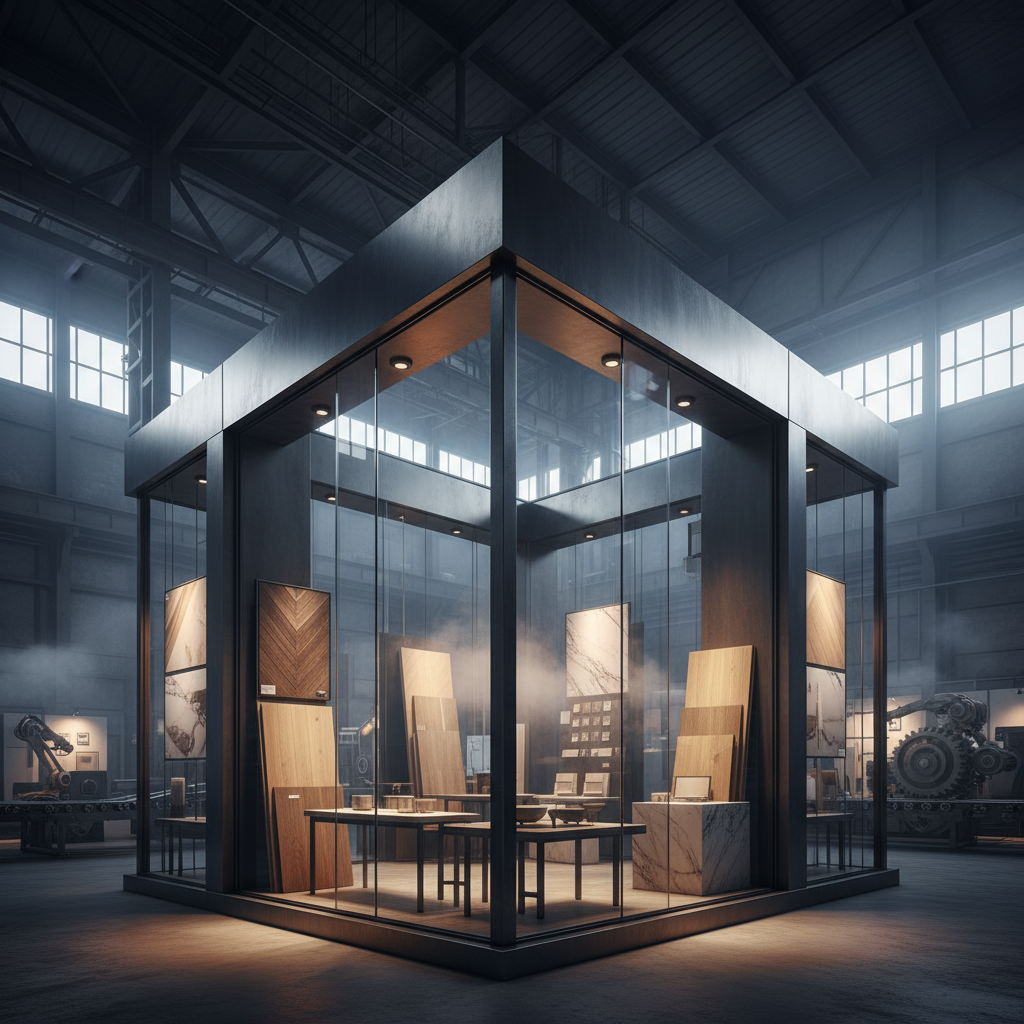
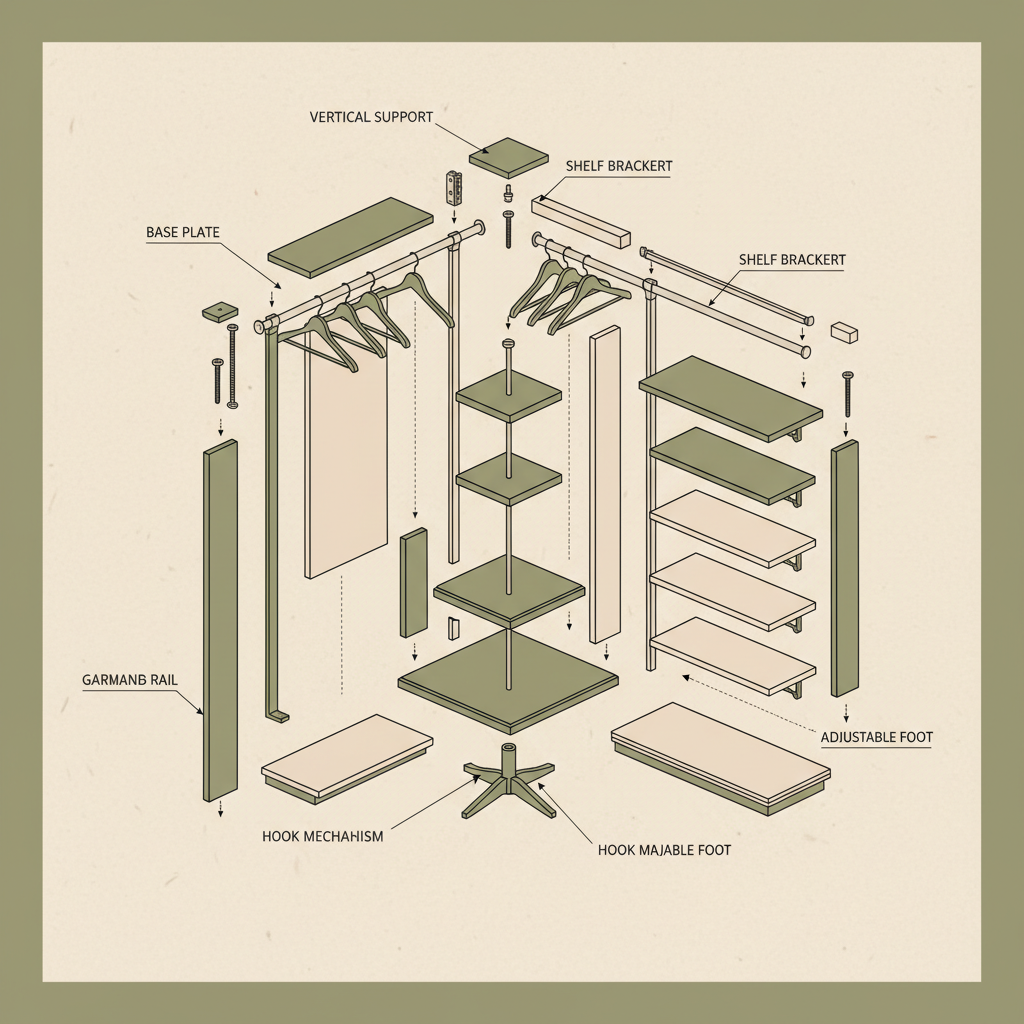
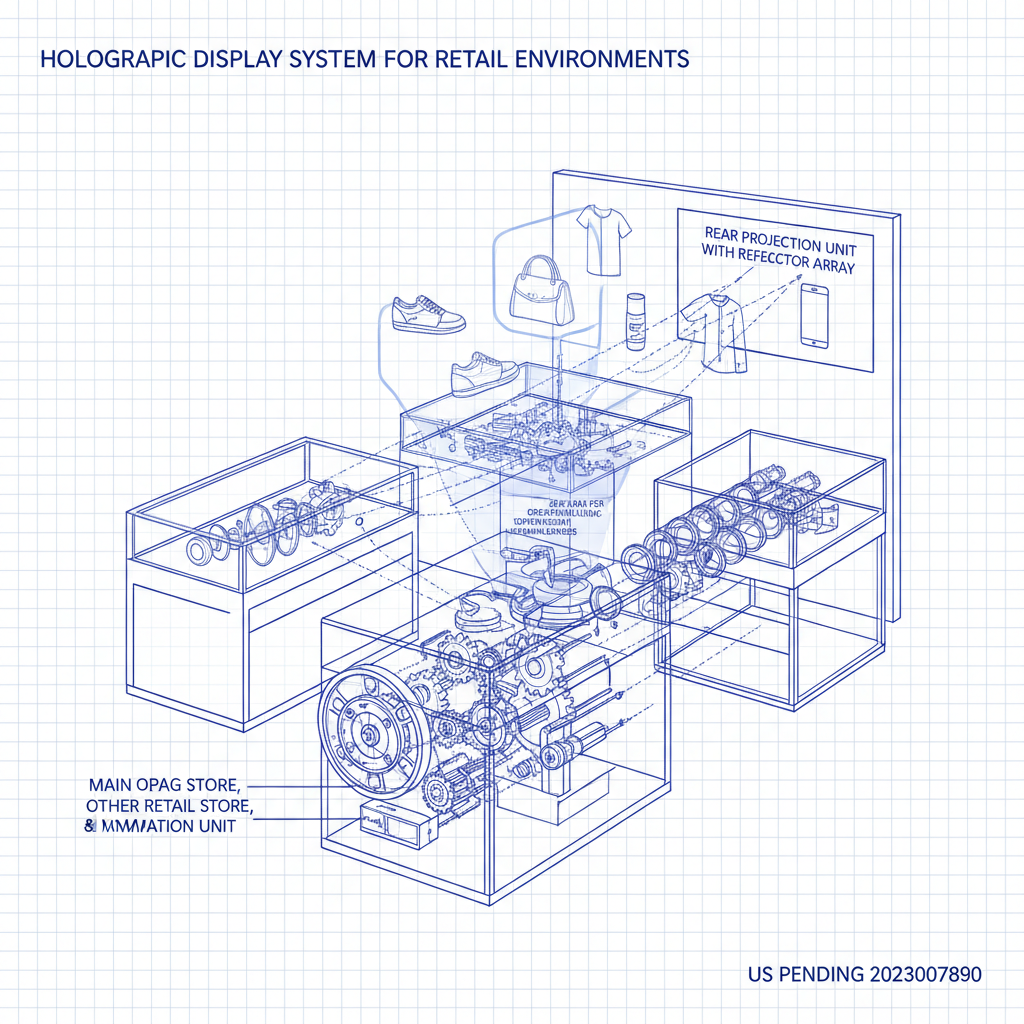
The concept of a display showcase extends far beyond mere product presentation; it’s a critical component of modern retail, museum curation, and even industrial demonstrations. Effective display showcases enhance brand perception, drive sales, and improve customer engagement. Globally, the demand for innovative and aesthetically pleasing display solutions is rising, fueled by an increasingly competitive marketplace and a desire for immersive consumer experiences. Understanding the nuances of display showcase design and implementation is therefore paramount for businesses aiming to thrive in today's dynamic environment.
The industry surrounding display showcases is substantial, with a projected market value reaching billions of dollars globally. According to reports from market research firms, the Asia-Pacific region currently dominates the market, driven by rapid economic growth and increasing retail activity. However, innovation isn’t limited to a single region. Across the world, manufacturers and designers are continually seeking new materials, technologies, and design approaches to create more impactful and functional display solutions.
Addressing challenges related to sustainability, cost-effectiveness, and adaptability is crucial. The increasing demand for eco-friendly materials and customizable solutions underscores the need for continuous improvement within the display showcase sector, benefitting both businesses and consumers alike. A well-executed display showcase is no longer a simple fixture; it's a strategic investment in brand success.
The Core Principles of Display Showcase Design
A successful display showcase fundamentally relies on creating a visual hierarchy. This means guiding the customer's eye to the most important items first, utilizing techniques like lighting, placement, and contrasting colors. Effective design considers not just the products themselves, but the overall story and brand message they convey.
Beyond aesthetics, the structural integrity and functionality of a display showcase are crucial. It needs to securely house the displayed items, be easily maintained, and ideally, offer some level of flexibility for adapting to changing merchandise or promotions. This often involves careful selection of materials and thoughtful engineering.
The Historical Development of display showcase
The origins of display showcases can be traced back to the elaborate vitrines of 19th-century European salons, initially used to exhibit precious artifacts and works of art. These early showcases were often ornate and crafted from rich materials like mahogany and glass, signifying luxury and exclusivity. They were more about preservation and status than active sales.
The rise of modern retail in the early 20th century spurred a shift towards more functional and commercially-focused display showcases. Department stores adopted showcases to highlight merchandise, and the focus shifted to maximizing visibility and encouraging impulse purchases. The introduction of fluorescent lighting further enhanced product presentation.
Over the decades, display showcase design has continued to evolve, incorporating new materials like acrylic and metal, and responding to changing consumer preferences. Today’s showcases are often modular, adaptable, and integrated with digital technologies, reflecting a dynamic and evolving retail landscape.
Material Science in Modern Display Showcase Construction
The choice of materials in display showcase construction directly impacts durability, aesthetics, and cost. Traditional materials like tempered glass and wood remain popular, but are increasingly complemented by innovative alternatives such as acrylic, polycarbonate, and metal alloys. Each material offers unique properties, influencing the overall design and functionality of the showcase.
Acrylic, for instance, is a lightweight and shatter-resistant alternative to glass, offering excellent clarity and design flexibility. Polycarbonate provides even greater impact resistance, making it suitable for high-traffic areas. Metal alloys like aluminum offer structural strength and can be finished in a variety of colors and textures. Understanding these material properties is key to creating a durable and visually appealing display showcase.
Sustainable material sourcing is also becoming a critical consideration. Manufacturers are increasingly exploring eco-friendly options like recycled plastics, bamboo, and sustainably harvested wood, aligning with growing consumer demand for environmentally responsible products. This trend is shaping the future of display showcase construction.
Key Performance Indicators for Display showcase Effectiveness
Measuring the effectiveness of a display showcase requires tracking key performance indicators (KPIs). One crucial metric is sales lift – the percentage increase in sales attributed to products displayed in the showcase. This can be measured by comparing sales data before and after the implementation of a new display or promotional campaign.
Another important KPI is dwell time, which refers to the amount of time customers spend interacting with the showcase. Longer dwell times generally indicate greater engagement and a higher likelihood of purchase. Tracking foot traffic around the display showcase also provides valuable insights into its visibility and appeal.
Display showcase Performance Metrics
Global Applications of Display showcase Solutions
Display showcase solutions are universally applied across various industries. In retail, they are integral to presenting merchandise attractively, enhancing the shopping experience, and driving sales. Luxury brands rely heavily on high-end display showcases to reinforce their image of exclusivity and craftsmanship.
Museums and galleries utilize specialized display showcases to protect and showcase artifacts, artwork, and historical objects. These showcases often incorporate climate control and security features to ensure the preservation of delicate items. Beyond retail and museums, industrial companies employ display showcases to demonstrate products, highlight features, and attract potential clients.
The Economic Impact of Display showcase Design
Investing in well-designed display showcases can yield significant economic returns. Increased sales, improved brand perception, and reduced inventory losses all contribute to a positive return on investment. Effective display showcases can also attract more foot traffic to a store or exhibit, leading to increased revenue opportunities.
The display showcase industry itself generates substantial economic activity, providing employment opportunities in manufacturing, design, installation, and maintenance. Innovation in display technology and materials drives further economic growth and competitiveness within the sector.
Furthermore, aesthetically pleasing display showcases enhance the overall environment, contributing to a more vibrant and attractive retail landscape, which in turn benefits the surrounding community.
Future Trends and Innovation in Display showcase Technology
The future of display showcase technology is poised for significant advancements. The integration of augmented reality (AR) and virtual reality (VR) is enabling interactive and immersive display experiences, allowing customers to virtually "try on" products or visualize them in their own homes. Digital display showcases are also becoming increasingly popular, offering dynamic content and customizable displays.
Sustainability will continue to be a key driver of innovation, with a growing emphasis on eco-friendly materials and energy-efficient lighting solutions. Smart display showcases equipped with sensors and data analytics capabilities will provide valuable insights into customer behavior and preferences.
The use of modular and adaptable display systems will also gain traction, allowing businesses to quickly and easily reconfigure displays to meet changing needs. These trends indicate a shift towards more dynamic, engaging, and sustainable display solutions.
Summary of Key Trends in Display Showcase Innovation
| Technology Integration |
Material Sustainability |
Adaptability & Modularity |
Data Analytics & Insights |
| AR/VR integration for immersive experiences |
Increased use of recycled and bio-based materials |
Rapid reconfiguration for changing merchandise |
Tracking dwell time and customer engagement |
| Digital displays with dynamic content |
Reduced carbon footprint in manufacturing |
Cost-effective scalability for businesses |
Identifying popular products and trends |
| Interactive touchscreens for product information |
Focus on circular economy principles |
Simplified installation and maintenance |
Optimizing display layouts for maximum impact |
| Smart showcases with sensor technology |
Reduced reliance on virgin materials |
Faster response to market demands |
Personalized customer experiences |
| Integration with IoT for remote monitoring |
Compliance with environmental regulations |
Increased design flexibility and customization |
Improved inventory management |
| AI-powered product recommendations |
Sustainable sourcing and ethical production |
Reduced waste and environmental impact |
Data-driven decision making |
FAQS
Traditional display showcases are typically custom-built for a specific location and purpose, offering limited flexibility. Modular display showcases, on the other hand, are comprised of interchangeable components, allowing for easy reconfiguration and adaptation to changing needs. This adaptability makes modular showcases a more cost-effective and versatile solution, particularly for retailers with evolving merchandise or limited space. They often require less skilled labor for installation and maintenance, further reducing long-term costs.
Durability hinges on material selection. Opt for robust materials like tempered glass, high-quality acrylic, or powder-coated metal. Consider the intended environment – high-traffic areas require more resilient materials. Look for showcases with reinforced corners and sturdy construction. Regular maintenance, including cleaning and prompt repair of any damage, is also crucial for extending the lifespan of your display showcase. A well-maintained showcase will deliver a stronger return on your investment.
Absolutely. Sustainable display showcase options are becoming increasingly prevalent. Choose materials like recycled plastics, bamboo, or sustainably harvested wood. Look for energy-efficient lighting options, such as LED, to reduce energy consumption. Consider the entire lifecycle of the showcase, opting for designs that are easily disassembled and recycled at the end of their use. Consumers are also increasingly valuing environmentally responsible businesses, making sustainability a competitive advantage.
LED lighting is the preferred choice for most display showcases due to its energy efficiency, long lifespan, and ability to produce vibrant, customizable illumination. Spotlights can highlight specific products, while strip lighting can create a more diffused and even glow. Consider the color temperature of the lighting – warmer tones create a cozy atmosphere, while cooler tones offer a more modern and sophisticated look. Proper lighting dramatically enhances product visibility and draws the customer's eye.
The cost of a display showcase varies widely depending on size, materials, complexity, and customization. Simple acrylic showcases can start as low as a few hundred dollars, while elaborate custom-built showcases with advanced features can cost several thousand dollars. Modular showcases offer a mid-range price point, providing a balance between affordability and flexibility. It’s important to factor in installation costs and ongoing maintenance when budgeting for a display showcase.
Modern display showcases offer a range of security features, including laminated glass for added impact resistance, locking mechanisms to prevent unauthorized access, and alarm systems that trigger alerts in case of tampering. Some showcases also incorporate sensor technology to detect movement or vibration. For high-value items, consider showcases with remote monitoring capabilities and integrated surveillance systems. Investing in robust security measures protects your merchandise and deters theft.
Conclusion
Throughout this exploration, we’ve seen how the display showcase has evolved from a simple fixture to a vital component of successful retail, museum curation, and industrial presentation. The core principles of effective design, material science advancements, and the integration of innovative technologies all contribute to a showcase’s ability to attract attention, enhance brand perception, and ultimately, drive sales. Understanding these factors is critical for businesses seeking to maximize their return on investment.
Looking ahead, the future of display showcase technology is bright. Sustainability, personalization, and immersive experiences will continue to shape the industry, driving the development of increasingly sophisticated and adaptable solutions. By embracing these trends and prioritizing customer engagement, businesses can leverage the power of the display showcase to create memorable and impactful brand experiences. For exceptional display showcase solutions, visit our website: display showcase.