0%

Table of Contents

The realm of retail showcase is a cornerstone of modern commerce, influencing how products are presented, perceived, and ultimately, purchased. From elegant boutiques to large-scale department stores, the effective display of goods is paramount to attracting customers and driving sales. Understanding the nuances of retail showcase isn't merely about aesthetics; it's a strategic imperative that directly impacts a business's bottom line and brand image.

Globally, the retail sector contributes significantly to economic growth, employing millions and generating substantial revenue. According to UNCTAD, retail sales account for a considerable portion of global GDP. This thriving industry demands constant innovation in display techniques to remain competitive. The increasing consumer sophistication and demand for immersive experiences necessitate a shift towards more captivating and strategically designed retail showcase solutions.

A well-executed retail showcase leverages visual merchandising principles to create a compelling narrative around a product. It influences buying decisions, builds brand loyalty, and can significantly enhance the overall shopping experience. From enhancing visibility to creating a desired atmosphere, the potential benefits are far-reaching and integral to success in today's dynamic marketplace.
Elevating Retail Experiences A Comprehensive Guide to Retail Showcase Design

The Essence of Retail Showcase

Elevating Retail Experiences A Comprehensive Guide to Retail Showcase Design

At its core, retail showcase is about creating an engaging and persuasive presentation of merchandise. It’s the art and science of attracting customers’ attention, communicating product benefits, and ultimately driving sales. It’s not simply placing items on shelves; it’s strategically arranging them to tell a story, evoke emotions, and enhance the overall shopping experience.

Effective retail showcase goes beyond aesthetics, encompassing lighting, space utilization, color psychology, and customer flow. It requires a deep understanding of target audience preferences and a commitment to continuous improvement. Retail showcase adapts to trends, technologies, and evolving consumer behaviors, ensuring its continued relevance in the modern marketplace.

Defining Retail Showcase

Retail showcase can be defined as the intentional and strategic presentation of products within a retail environment to maximize their appeal and drive sales. It encompasses all aspects of visual merchandising, including display arrangements, lighting, signage, and overall store ambiance. It’s the process of turning merchandise into a compelling narrative that resonates with customers.

This definition extends beyond simply displaying products; it includes the creation of a sensory experience. Factors like scent, music, and even temperature contribute to the overall showcase. Retail showcase is inextricably linked to brand identity, ensuring a cohesive and consistent message across all touchpoints.

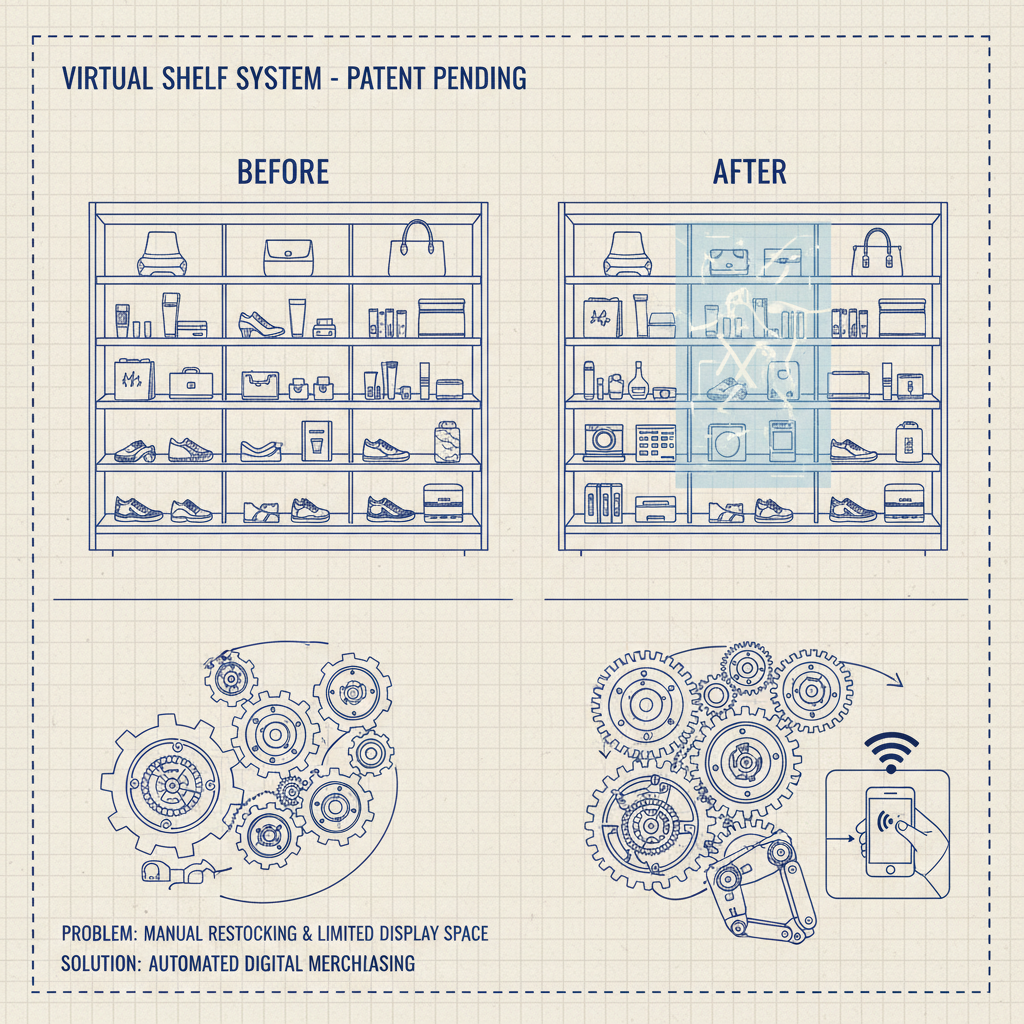
In the modern context, retail showcase increasingly integrates digital elements, such as interactive displays, augmented reality experiences, and personalized recommendations, to enhance engagement and conversion rates.

Key Components of Effective Retail Showcase

One crucial component of an effective retail showcase is visual hierarchy. This refers to the strategic arrangement of products to guide the customer’s eye to the most important items first. Using techniques such as focal points, contrasting colors, and varying heights creates a clear visual path that highlights key merchandise.

Lighting is another essential element. Properly positioned and calibrated lighting can dramatically enhance the appearance of products, highlighting their features and creating a desirable atmosphere. Different types of lighting – ambient, accent, and task – serve distinct purposes in showcasing merchandise effectively.

Color psychology plays a significant role, as different colors evoke different emotions and associations. Selecting colors that align with the brand identity and target audience can positively influence buying decisions. Finally, storytelling through displays – creating scenes and narratives around products – adds depth and engagement.

Factors Influencing Retail Showcase Design

Several factors significantly influence the design of successful retail showcase. Target audience demographics are paramount; what appeals to a young, fashion-conscious audience will differ vastly from what resonates with a more mature, value-oriented consumer. Understanding customer preferences, shopping habits, and lifestyle is essential.

Brand identity must be consistently reflected in the showcase. The design should align with the brand's values, aesthetic, and overall messaging. Store layout and space constraints also play a critical role; maximizing space efficiency while maintaining an inviting and accessible environment is a key challenge.

Retail Showcase Design Factors - Importance Rating


Global Applications of Retail Showcase

The principles of effective retail showcase are universally applicable, yet their implementation varies widely across regions and industries. In high-end fashion districts of Paris and Milan, showcases prioritize luxury and exclusivity, utilizing minimalist designs and sophisticated lighting.

In bustling Asian markets, displays often emphasize abundance and vibrant colors, appealing to a culture of collectivity and sensory stimulation. In North America, retail showcase frequently embraces a more pragmatic approach, focusing on clarity, value, and convenience.

Advantages and Long-Term Value

The benefits of investing in well-designed retail showcase are multifaceted. Tangible advantages include increased sales, higher average transaction values, and improved brand recognition. Strategic displays can effectively communicate product benefits, leading to higher conversion rates.

Beyond financial gains, effective showcase enhances the customer experience, fostering brand loyalty and positive word-of-mouth referrals. A visually appealing and thoughtfully curated store environment creates a sense of trust and confidence, encouraging repeat business.

The long-term value extends to building a strong brand identity and establishing a competitive advantage. Retail showcase isn’t merely an expense; it’s an investment in a sustainable and profitable future.

Future Trends in Retail Showcase

The future of retail showcase is inextricably linked to technological advancements. Augmented reality (AR) and virtual reality (VR) are poised to revolutionize the shopping experience, allowing customers to virtually “try on” products or visualize them in their own homes.

Personalized displays powered by artificial intelligence (AI) will become increasingly common, tailoring product recommendations and presentations to individual customer preferences. Sustainable materials and eco-friendly display solutions are gaining traction, reflecting a growing consumer demand for responsible business practices.

Interactive displays and seamless integration with mobile devices will blur the lines between the physical and digital worlds, creating a truly immersive and engaging shopping experience.

Summarizing Key Considerations for Retail Showcase Effectiveness

Display Method Target Audience Alignment Cost Effectiveness (1-10) Implementation Complexity (1-10)
Mannequin Displays Fashion-conscious consumers 7 4
Shelf Arrangements Broad consumer base 8 3
Window Displays Passerby traffic 6 5
Interactive Kiosks Tech-savvy consumers 4 9
Themed Displays Seasonal or event-driven shoppers 7 6
Digital Signage All demographics 5 7

FAQS

What is the ROI of investing in professional retail showcase design?

The return on investment for professional retail showcase design is significant. Studies show that improved visual merchandising can lead to a 10-20% increase in sales. Beyond direct revenue gains, it boosts brand perception, customer loyalty, and reduces marketing costs through enhanced in-store appeal. By creating a compelling shopping experience, you’re investing in long-term growth and customer engagement, resulting in a measurable positive impact on your bottom line.

How often should retail displays be updated?

The frequency of retail display updates depends on factors like seasonality, new product launches, and target audience preferences. As a general guideline, update window displays every 2-4 weeks to maintain freshness and capture attention. In-store displays should be refreshed monthly or with each new promotional campaign. Keeping displays dynamic and current prevents customer fatigue and encourages repeat visits. Regularly analyzing sales data can also inform your update schedule.

What are the key differences between visual merchandising and retail showcase?

While often used interchangeably, visual merchandising is a broader concept encompassing all aspects of the store's aesthetic, including layout, lighting, and music. Retail showcase specifically refers to the presentation of individual products or collections to maximize their appeal. Visual merchandising sets the stage, while showcase focuses on spotlighting the merchandise and driving sales.

How can I measure the effectiveness of my retail showcase efforts?

Several metrics can be used to gauge the effectiveness of your retail showcase. Track sales data before and after display changes, monitor foot traffic patterns, and conduct customer surveys to gather feedback. Analyze average transaction value and conversion rates to assess the impact on purchasing behavior. Utilize heatmaps to understand how customers interact with displays and identify areas for improvement.

Is it possible to create an effective retail showcase on a limited budget?

Absolutely. Effective retail showcase doesn’t always require expensive fixtures. Clever use of lighting, strategic product placement, and creative displays utilizing repurposed materials can be highly impactful. Focus on maximizing existing resources, utilizing storytelling to engage customers, and regularly rotating displays to maintain interest. Prioritizing cleanliness, organization, and attention to detail can also yield significant results.

How does sustainability influence modern retail showcase trends?

Sustainability is increasingly shaping retail showcase trends. Consumers are demanding eco-friendly practices, driving retailers to utilize sustainable materials, reduce waste, and minimize their environmental impact. This includes opting for recyclable displays, sourcing locally, and promoting transparency in supply chains. Showcasing eco-friendly products and highlighting a commitment to sustainability can enhance brand image and attract environmentally conscious shoppers.

Conclusion

In conclusion, retail showcase is far more than just aesthetics. It is a strategic function that profoundly impacts sales, brand perception, and customer loyalty. Understanding the core components – visual hierarchy, lighting, color psychology, and storytelling – is crucial for creating compelling displays that resonate with target audiences. From its global applications to its evolving trends, mastering the art of retail showcase is essential for success in today’s competitive marketplace.

Looking ahead, the integration of technology, sustainability, and personalized experiences will define the future of retail showcase. Retailers who embrace these innovations and prioritize customer engagement will be best positioned to thrive in the ever-changing landscape of modern commerce. Visit our website at www.chshopdisplay.com to explore how we can help you elevate your retail presentation and achieve your business goals.

Ethan Carter

Ethan Carter

Ethan Carter is the Lead Designer at Changhong, responsible for creating innovative and visually appealing retail spaces for brand clients. Having joined the company in 2018, Ethan quickly became instrumental in developing differentiated shop solutions. He’s a strong advocate for sustainable design practices, aligning with Changhong’s commitment to green business
Previous Strategic Store Design Enhances Customer Experience and Drives Retail Success
Next Innovative Display Showcase Solutions for Enhanced Retail and Museum Experiences