To be honest, things have been crazy busy lately. Been running between factories in the Pearl River Delta and construction sites in first-tier cities. Everyone's talking about ‘smart’ everything now, right? Smart homes, smart factories, even smart… retail furniture. It’s all about integration, IoT, and making things ‘efficient’. But, have you noticed, a lot of these “smart” features are just… fluff? They add cost but don’t really solve problems for the guys on the ground.
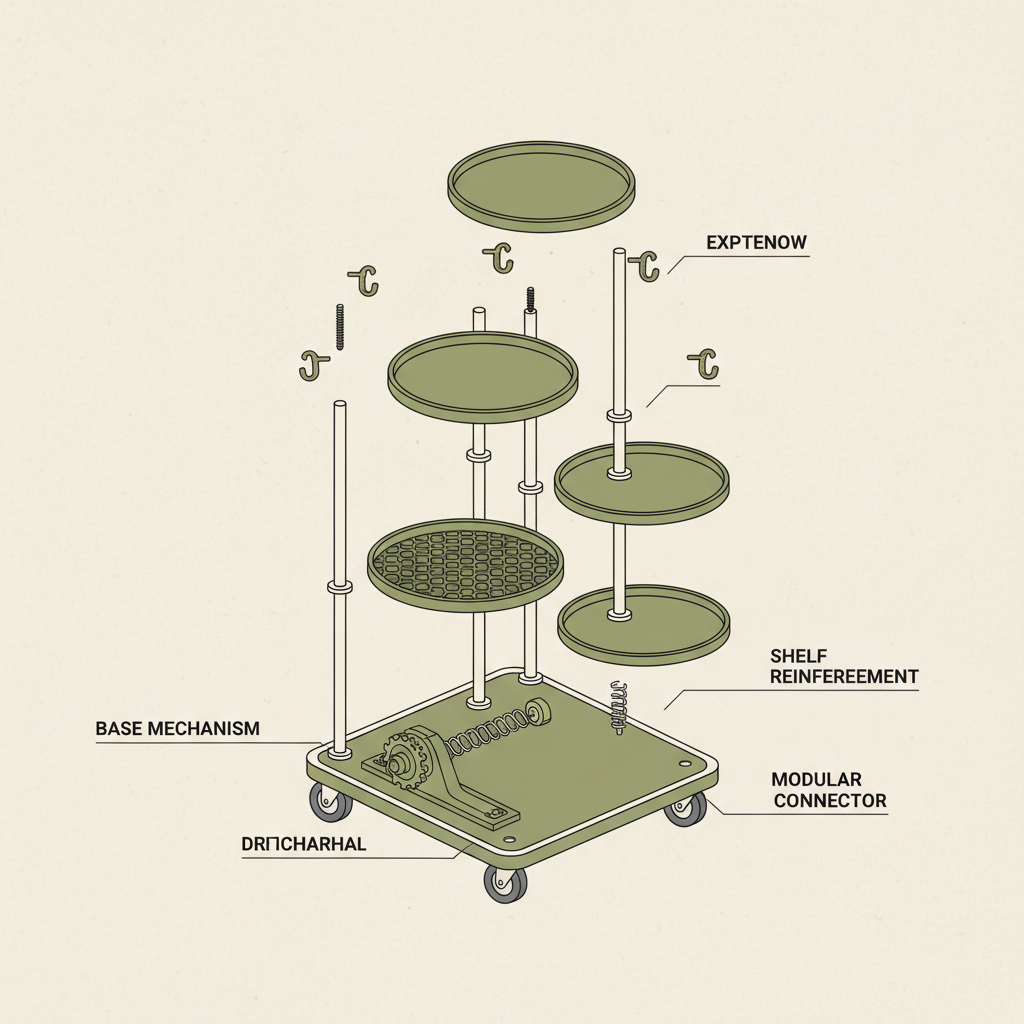
What really gets me thinking is how easily you can fall into traps with the design. You spend hours in front of a computer, perfecting the 3D model, but the minute it hits the shop floor, reality hits. It’s always something. A slightly off angle, a material that doesn't quite behave as expected, a connection point that’s impossible to reach with a standard tool. I encountered this at a factory in Dongguan last time, they were trying to make a modular shelving system, looked great on the screen, but the locking mechanism was fiddly as hell.
Speaking of materials, that’s where it gets really interesting. Everyone’s chasing the next ‘wonder material’ – carbon fiber, graphene, whatever. But honestly, good old steel still has its place. It smells like… well, steel. You know the smell, right? That oily, metallic tang. And aluminum, of course. Lightweight, easy to work with, but dents easily if you're not careful. We’ve been playing with a lot of recycled plastics lately. It feels… different. Not as smooth as virgin plastic. Kind of grainy. But it’s the right thing to do, you know? Anyway, I think sustainability is more than a buzzword; it’s essential.
Industry Trends and Design Pitfalls
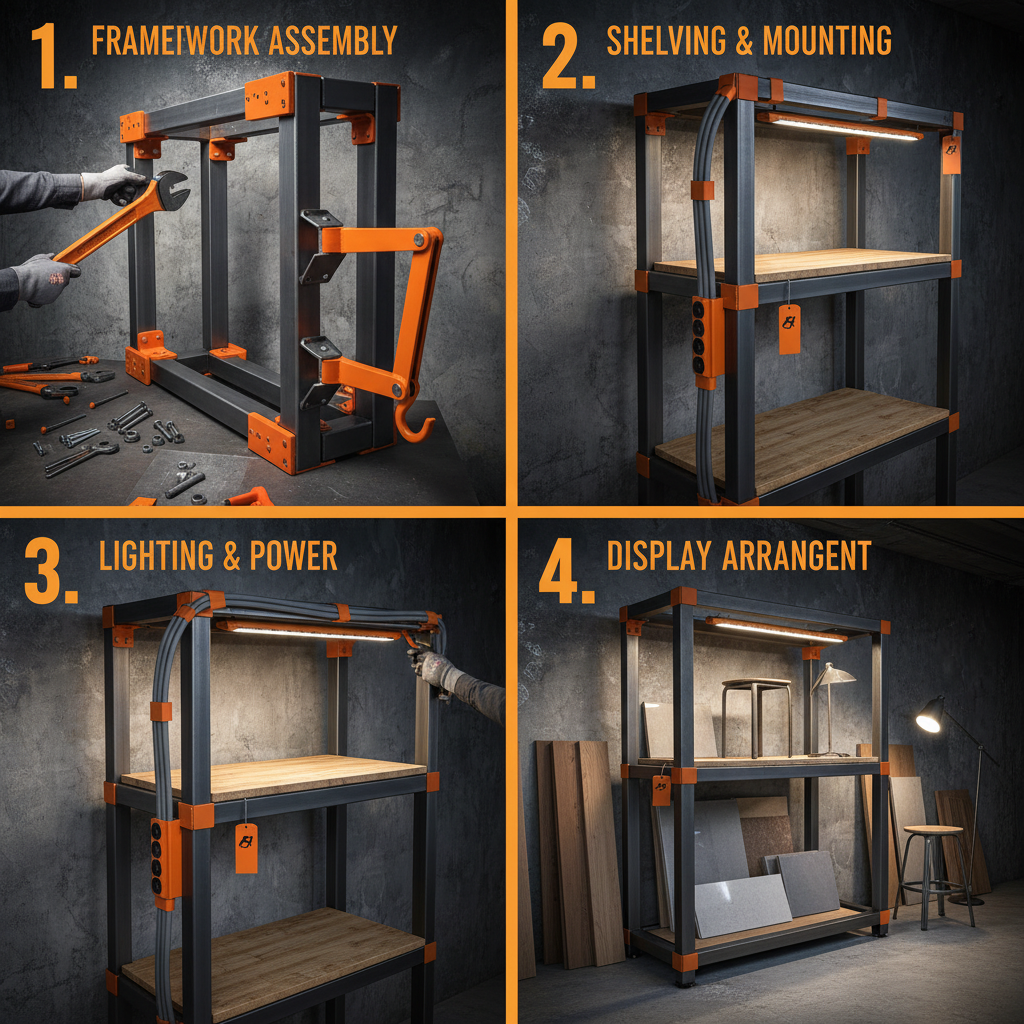
The push for modularity is huge. Everyone wants everything to be flat-packed and easily assembled. Which is great in theory, but in practice? You end up with flimsy connections and instructions that make no sense. I've spent more than one afternoon untangling Allen wrenches and arguing with a client over a missing dowel. Strangely, the simplest designs are often the most robust. And don’t even get me started on hidden fasteners. They always fail eventually.
The whole ‘minimalist’ aesthetic is also a bit of a trap. It looks good in the showroom, but it doesn’t stand up to real-world abuse. Scratches, dents, spills… they all show up much more easily on a clean, minimalist surface. People want things that look good, sure, but they also need things that can withstand life.
Material Matters: A Hands-On Perspective
We've been experimenting with bamboo plywood lately. It's surprisingly strong, and it looks good. A bit splintery to work with, though. You really need to wear gloves. And the finish needs to be top-notch to prevent water damage. We also tried a composite material made from rice husks. It’s incredibly sustainable, but… the smell. Oh, the smell. Like burnt popcorn. Not ideal for a high-end retail display.
Powder coating is the way to go for metal finishes, in my opinion. Durable, comes in a ton of colors, and doesn’t show scratches as easily as paint. But it’s gotta be applied correctly. I've seen too many jobs where the coating is too thin and starts to chip off after a few months. It's frustrating, because it's such a simple thing to get right.
Don’t underestimate the importance of good quality hardware. Cheap hinges, flimsy drawer slides… they'll ruin an otherwise well-made piece of furniture. Seriously. It's one of the first things I check when I'm evaluating a new supplier.
Real-World Testing and User Behavior
Forget the lab tests. Those are… okay, for baseline measurements. But the real test is putting the furniture in a busy retail environment and watching what happens. I’ve seen customers try to climb on displays, kids use them as play structures, and employees stack boxes on top of them. You learn a lot from that.
One thing I’ve noticed is that people rarely read the instructions. They just… try to figure it out. Which means the assembly process has to be incredibly intuitive. No weird angles, no ambiguous parts, no need for a PhD in engineering. I swear, sometimes I think designers actively try to make things more complicated than they need to be.
And user behavior is always surprising. You design a display to showcase a specific product, and they use it to display something completely different. Or they rearrange the shelves in a way you never intended. You just have to roll with it.
Advantages, Disadvantages, and Customization
The biggest advantage of modular retail furniture is the flexibility. You can reconfigure the displays quickly and easily to adapt to changing seasons or promotions. It’s also easier to ship and store. But it can be more expensive upfront, and it doesn’t always feel as solid as traditional furniture.
Customization is key. Clients always want something unique. Last month, that small boss in Shenzhen who makes smart home devices insisted on changing the interface to on all the charging stations within the displays, even though USB-A was cheaper and more readily available. The result? His production schedule got delayed by two weeks while he sourced the right components. It was… a learning experience.
Material Durability Comparison
Customer Story: The Dilemma
Like I mentioned earlier, that Shenzhen guy... honestly, he was a piece of work. He had this vision of a super-modern, tech-forward display for his smart home gadgets. Everything had to be cutting-edge, including the charging ports. He saw as the future, and he wanted to be ahead of the curve.
We tried to explain that USB-A was still the standard, that most customers wouldn't even notice the difference, and that it would save him time and money. But he wouldn't budge. "It's about the image," he said. "It's about showing that we're innovative."
Testing and Quality Control
Forget drop tests in a lab. I want to see the furniture survive a loading dock. We subject every piece to a battery of real-world tests: repeated assembly and disassembly, simulated shipping damage, weight loading beyond the specified capacity. We even spill coffee on it. (Don't tell anyone).
It's not about finding the breaking point; it's about identifying potential weaknesses and fixing them before they become problems. A small crack in a joint, a slightly loose screw… these things can turn into disasters down the line.
The quality control process is brutal. But it has to be. Reputation is everything in this business.
Durability & Long-Term Performance
We focus heavily on joint strength and material fatigue. A beautiful display is useless if it falls apart after a few months. We use a lot of mortise-and-tenon joints, they're old-school, but they’re incredibly strong. And we specify high-quality adhesives. The cheap stuff just doesn’t cut it.
We also consider the environment. Retail spaces can be harsh: temperature fluctuations, humidity, constant handling. The materials have to be able to withstand these conditions without warping, cracking, or fading.
Here's a quick breakdown of expected lifespan based on material and usage:
Durability Assessment of Retail Furniture Materials
| Material Type |
Initial Strength Rating (1-10) |
Long-Term Durability (Years) |
Maintenance Requirements |
| Solid Wood (Oak) |
9 |
15+ |
Regular polishing & occasional repairs |
| Steel with Powder Coating |
8 |
10-12 |
Occasional touch-ups for scratches |
| Aluminum Alloy |
7 |
8-10 |
Regular cleaning & dent repair |
| Bamboo Plywood |
6 |
5-7 |
Waterproofing & splinter prevention |
| Recycled Plastic Composite |
5 |
3-5 |
Cleaning & UV protection |
| Tempered Glass |
7 |
7-9 |
Regular cleaning & crack inspection |
FAQS
Honestly, it's focusing too much on aesthetics and not enough on functionality. A beautiful display that can’t withstand daily use is a waste of money. They need to think about how the display will be used, who will be using it, and what kind of abuse it will take. It’s about balancing form and function, always.
Critically important. Bad edge banding is a giveaway of cheap construction. It chips, peels, and just looks… terrible. A good edge bander can make a huge difference in the overall quality and appearance of the furniture. It’s one of the first things I check when evaluating a supplier. Seriously.
Poorly written instructions are a major problem. Also, missing parts, ambiguous diagrams, and screws that are all the same size. It drives me crazy! The design needs to be incredibly intuitive, so anyone can assemble it without a degree in engineering. Simplicity is key.
Weight distribution is crucial. You need a wide base and a low center of gravity. We also use a lot of internal bracing and anchoring systems to secure the display to the floor or wall. And we always do a tilt test to make sure it can withstand a reasonable amount of force. Safety first, always.
With proper care and maintenance, a good quality modular system should last at least 5-7 years, and potentially much longer. It depends on the materials used, the level of traffic, and how well it's looked after. Regular inspections and repairs are essential to prevent small problems from turning into big ones.
I'm keeping an eye on mycelium-based materials – grown from mushrooms. It’s incredibly sustainable and surprisingly strong. It's still early days, but the potential is huge. Also, there’s a lot of research going into self-healing polymers. Imagine a display that can repair minor scratches automatically! Now that would be something.
Conclusion
Ultimately, we're talking about creating spaces that sell things, but also withstand the everyday chaos of a retail environment. It’s about finding the right balance between aesthetics, durability, cost, and sustainability. It's more than just designing pretty furniture; it’s about understanding how people actually use that furniture.
And let's be real, fancy designs and lab tests are nice, but they don't mean much if the worker tightening the last screw shakes his head and says, “Nah, this won’t last.” Because ultimately, he knows the moment it’s going to work… or not. Want to discuss your retail furniture needs? Visit us at www.chshopdisplay.com.