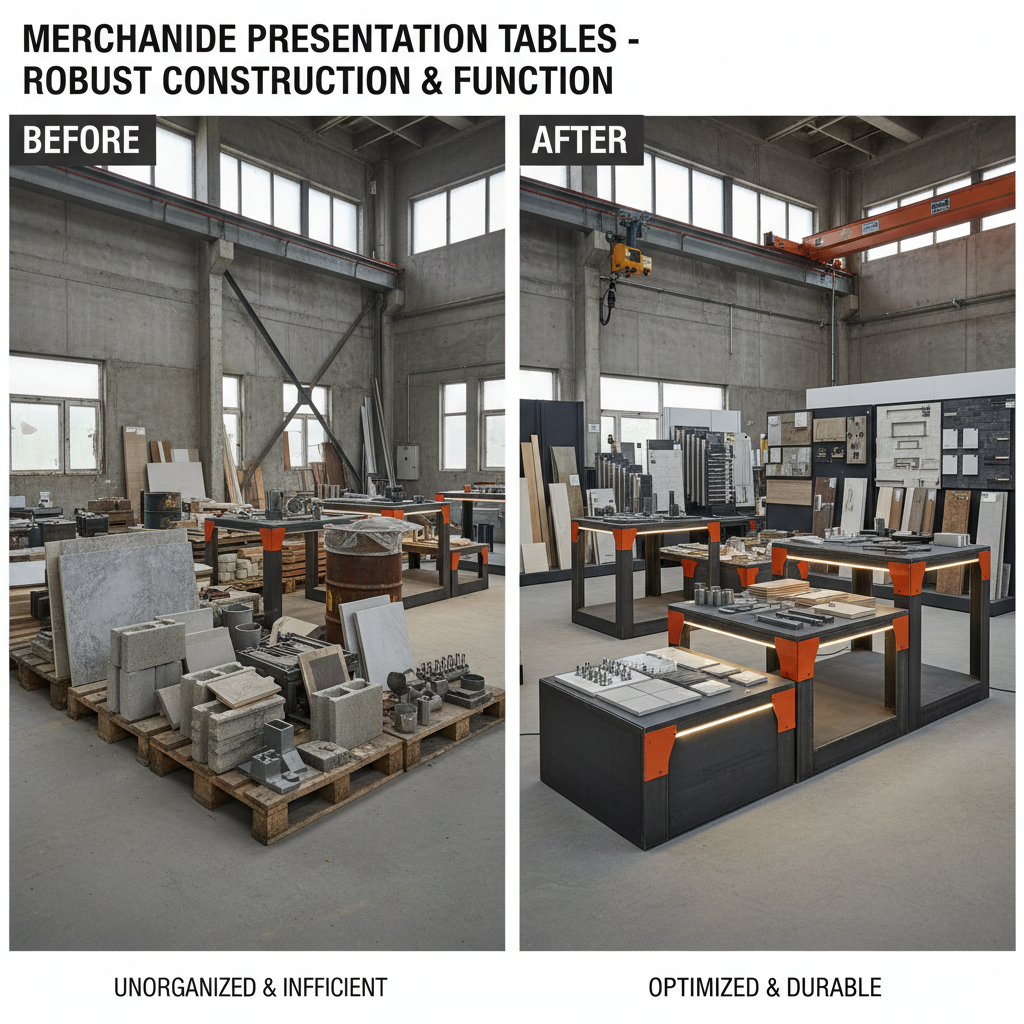
Shelf systems are fundamental to modern logistics, retail, and storage solutions worldwide. From the vast warehouses supporting e-commerce giants to the meticulously organized aisles of grocery stores, these systems underpin efficient supply chains and convenient consumer access. Understanding the principles behind effective shelf systems is crucial for optimizing space, maximizing productivity, and ultimately, driving economic growth.
The global market for shelving and racking systems is substantial and continuously expanding, driven by factors like urbanization, increasing retail sales, and the growth of third-party logistics (3PL) providers. According to industry reports, the global warehouse shelving market was valued at over $40 billion in 2022 and is projected to reach nearly $60 billion by 2030. This growth underscores the vital role these systems play in the interconnected global economy.
Beyond commercial applications, innovative shelf systems are also being deployed in humanitarian aid, disaster relief, and even modular housing, addressing critical needs for efficient storage and organized living spaces. The versatility of these systems allows for adaptation to a wide range of environments and challenges, making them a cornerstone of modern infrastructure.
Introduction to Shelf Systems
Shelf systems, at their core, are about organization and access. They’ve evolved significantly from simple wooden shelves to complex, automated storage and retrieval systems (AS/RS). These systems are integral to managing inventory, optimizing warehouse space, and streamlining order fulfillment processes. Understanding the different types of shelf systems available is crucial for making informed decisions about storage solutions.
The impact of well-designed shelf systems extends beyond mere storage. They directly affect operational efficiency, employee safety, and even customer satisfaction. By implementing the right system, businesses can reduce handling costs, minimize errors, and create a more productive work environment. Investing in optimized storage is investing in the future of the organization.
Defining Shelf Systems
A shelf system encompasses any method of storing and organizing goods in a tiered, accessible manner. This includes a broad range of solutions, from simple static shelving to dynamic systems like pallet racking, cantilever racks, and automated storage and retrieval systems. The primary goal is to maximize storage density while maintaining easy access to individual items.
The connection to modern industry is undeniable. Supply chains rely heavily on the efficient flow of goods, and shelf systems are the backbone of this flow within warehouses, distribution centers, and retail environments. Without organized storage, businesses would face increased costs, delays, and potential disruptions in their operations.
Even in humanitarian contexts, shelf systems provide critical organization. Relief organizations utilize shelving in temporary storage facilities to manage and distribute essential supplies like food, water, and medical equipment, ensuring aid reaches those in need efficiently and effectively.
Core Components of Effective Shelf Systems
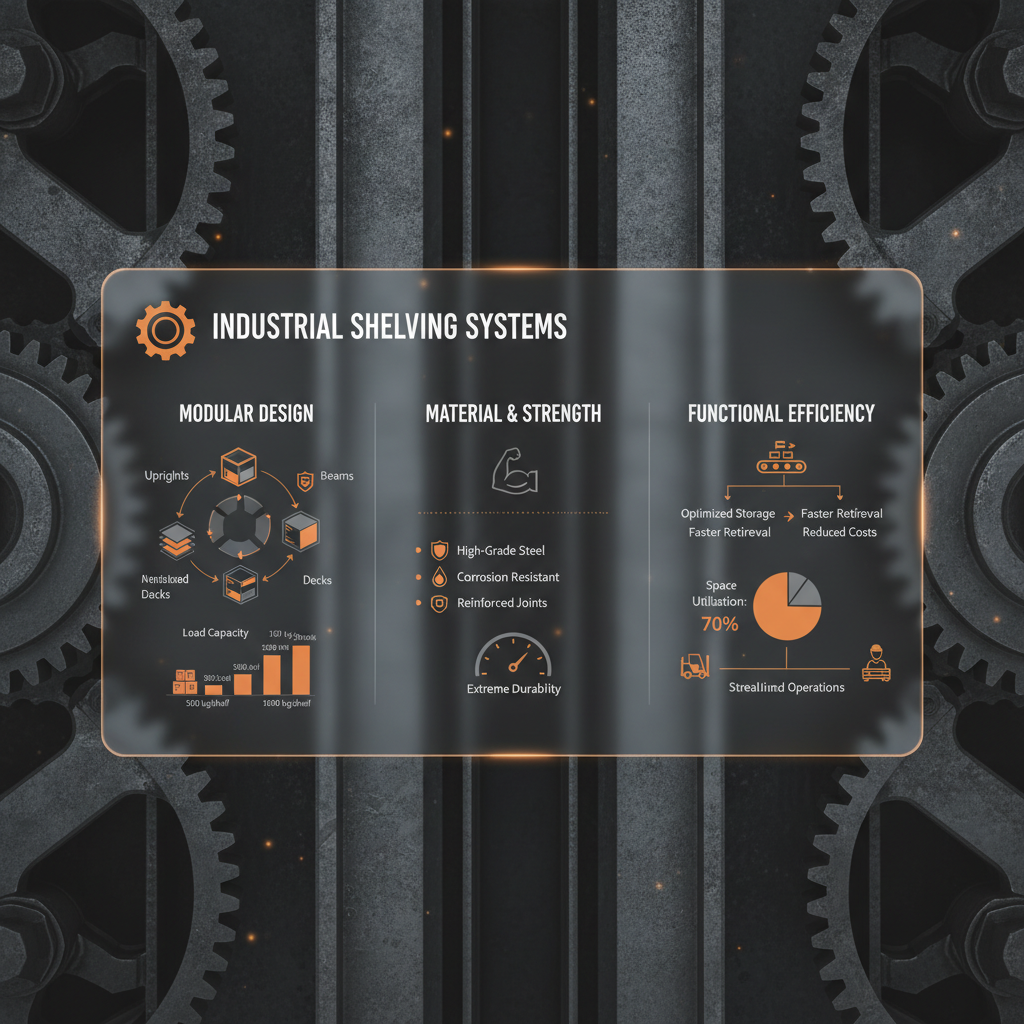
Durability is paramount. Shelf systems must be constructed from robust materials capable of withstanding heavy loads and frequent handling. Steel, often treated with corrosion-resistant coatings, is a common choice for heavy-duty applications. The lifespan of a system directly impacts its return on investment.
Scalability is equally important. Businesses grow and evolve, and their storage needs change accordingly. A modular shelf system allows for easy expansion or reconfiguration to accommodate increasing inventory or shifting product lines. This prevents costly replacements and disruptions.
Accessibility is key to operational efficiency. Shelving should be designed to allow for easy loading and unloading of goods, minimizing worker effort and reducing the risk of injuries. Features like adjustable shelf heights and open shelving configurations enhance accessibility.
Key Factors Influencing Shelf System Performance
Cost efficiency is a primary consideration for many businesses. The initial investment in a shelf system must be weighed against the long-term benefits of increased storage density, improved efficiency, and reduced handling costs. Total cost of ownership, including maintenance and potential upgrades, should be evaluated.
Space utilization is critical, particularly in urban areas where warehouse space is at a premium. High-density storage systems, such as narrow aisle racking and drive-in racking, maximize the use of vertical space, allowing businesses to store more inventory in a smaller footprint.
Shelf System Performance Metrics
Global Applications of Shelf Systems
In post-disaster relief operations, rapidly deployable shelf systems are crucial for organizing and distributing emergency supplies. These systems are often lightweight, portable, and require minimal assembly, allowing aid workers to quickly set up temporary storage facilities in affected areas.
Within the retail sector, shelf systems are integral to the customer experience. Attractive and well-organized displays not only showcase products effectively but also encourage impulse purchases and increase sales. Specialized shelving is used for various product types, from clothing and footwear to groceries and electronics.
Advantages & Long-Term Value
The tangible benefits of optimized shelf systems are significant. Reduced labor costs, improved inventory accuracy, and minimized damage to goods all contribute to increased profitability. Sustainable systems can also reduce waste and lower environmental impact.
Beyond the economic advantages, effective shelf systems enhance safety and improve working conditions for employees. Organized storage reduces the risk of accidents and injuries, creating a more positive and productive work environment. This fosters trust and loyalty among employees.
Investing in innovative shelf systems demonstrates a commitment to efficiency, sustainability, and customer satisfaction. This strengthens a company's reputation and builds long-term value.
Future Trends & Innovations in Shelf Systems
Automation is rapidly transforming the world of warehousing and storage. Automated storage and retrieval systems (AS/RS) are becoming increasingly common, utilizing robots and sophisticated software to streamline inventory management and order fulfillment. This trend is driven by the demand for faster delivery times and reduced labor costs.
The integration of IoT (Internet of Things) sensors into shelf systems allows for real-time monitoring of inventory levels, temperature, and humidity. This data can be used to optimize storage conditions, prevent spoilage, and improve supply chain visibility. Digital twins of warehouse spaces are also emerging as valuable tools for simulating and optimizing shelf system layouts.
Sustainability is also a growing focus, with manufacturers developing shelf systems made from recycled materials and incorporating energy-efficient designs. Modular designs and adaptable systems further contribute to sustainability by reducing waste and extending the lifespan of storage infrastructure.
Key Considerations for Selecting Shelf Systems
| Load Capacity |
Space Constraints |
Budget Allocation |
Scalability Needs |
| Weight requirements of stored items. |
Available floor space and ceiling height. |
Initial investment and ongoing maintenance costs. |
Anticipated growth and future expansion plans. |
| Heavy-duty racking for palletized goods. |
Narrow aisle racking for maximizing space. |
Consider long-term ROI and total cost of ownership. |
Choose modular systems for easy adaptation. |
| Lightweight shelving for smaller items. |
Mezzanine floors for utilizing vertical space. |
Explore financing options and leasing programs. |
Assess future inventory needs accurately. |
| Impact of dynamic loading on system stability. |
Accessibility requirements for forklifts and personnel. |
Factor in potential energy savings from efficient designs. |
Plan for potential upgrades and replacements. |
| Compliance with safety regulations and standards. |
Integration with existing warehouse management systems. |
Compare prices from multiple vendors. |
Consider future automation possibilities. |
| Material strength and corrosion resistance. |
Optimizing flow within the storage facility. |
Analyze lifecycle costs for informed decision-making. |
Prioritize flexibility and adaptability. |
FAQS
Pallet racking is designed for storing palletized goods, typically using forklifts for access. It offers high density and load capacity. Shelving, on the other hand, is generally used for smaller items and allows for manual access. Pallet racking is more suited for large-scale warehousing, while shelving is more versatile for retail or smaller storage spaces.
Calculating load capacity requires considering the weight of the heaviest item you'll be storing, plus the weight of any containers or packaging. It's crucial to add a safety factor – typically 20-25% – to account for uneven loading or dynamic forces. Consulting with a shelving professional is highly recommended to ensure a safe and compliant system.
Ensure the floor is level and capable of supporting the weight of the loaded system. Always follow the manufacturer's instructions for installation and load distribution. Regularly inspect the system for damage or wear and tear. Train employees on proper loading and unloading procedures, and enforce safety regulations like wearing appropriate footwear.
Mobile shelving systems are mounted on rolling carriages, eliminating the need for fixed aisles between rows of shelving. Aisles are created on demand, allowing for significantly higher storage density. These systems are ideal for archives, libraries, and warehouses with limited space. However, they require a level floor and may have higher initial costs.
Yes, many manufacturers now offer shelf systems made from recycled materials or with sustainably sourced wood. Look for systems with durable coatings that reduce the need for frequent replacements. Consider modular designs that allow for easy expansion and reconfiguration, minimizing waste. Choosing energy-efficient lighting for your storage space also contributes to sustainability.
A WMS integrates with shelf systems to track inventory in real-time, optimize storage locations, and streamline order fulfillment. It can direct pickers to the most efficient routes, minimize travel time, and reduce errors. A WMS provides valuable data insights that can be used to improve overall warehouse efficiency and reduce costs.
Conclusion
In conclusion, shelf systems are far more than just storage solutions; they are fundamental components of efficient supply chains, optimized workspaces, and effective disaster relief efforts. From the initial assessment of load capacity and space constraints to the adoption of innovative technologies like automation and IoT, careful consideration of these systems is critical for success. Understanding the core components, global applications, and future trends will enable organizations to make informed decisions and maximize the value of their storage infrastructure.
Looking ahead, the evolution of shelf systems will continue to be driven by the demands for increased efficiency, sustainability, and resilience. By embracing innovative materials, intelligent designs, and data-driven insights, businesses and organizations can unlock the full potential of their storage spaces and create a more productive and sustainable future. For tailored shelf system solutions, visit our website: www.chshopdisplay.com.