In the competitive landscape of modern retail and commercial spaces, the strategic use of illuminated signs and accessories has evolved from a simple utility to a critical psychological tool for brand engagement. These visual elements act as the first point of contact between a business and its potential customers, utilizing light to guide attention, evoke emotion, and communicate value propositions instantaneously. In an era of sensory overload, the ability to cut through the noise with precise illumination is what separates a generic storefront from a destination brand.
Globally, the demand for high-quality signage is surging as emerging markets in Asia and Africa modernize their retail infrastructures. According to industry trends aligned with ISO standards for visual communication, the shift toward energy-efficient LED technology has democratized the use of premium lighting, allowing small-scale boutiques and large electronics stores alike to implement sophisticated visual hierarchies. However, the challenge remains in balancing aesthetic brilliance with sustainability and operational cost-effectiveness.
Understanding the technical nuances of illuminated signs and accessories allows business owners to optimize their "path to purchase." By integrating these elements into a cohesive store design—alongside display counters and wall bays—retailers can create an immersive environment that increases dwell time and boosts conversion rates. This guide explores the global context, technical components, and future innovations of light-based commercial communication.
Global Relevance of Illuminated Signage
The global marketplace is currently witnessing a paradigm shift in how physical spaces communicate with humans. illuminated signs and accessories are no longer mere additions to a building's facade; they are integral components of the urban fabric. From the neon-drenched streets of Tokyo to the minimalist luxury malls of Dubai, light is used to signal quality, urgency, and brand identity. The integration of smart city initiatives has further pushed the need for signage that can adapt to ambient light conditions and peak traffic hours.
Beyond simple visibility, the global relevance of these systems lies in their ability to standardize communication across different languages and cultures. A well-lit, intuitively designed sign transcends linguistic barriers, providing essential wayfinding and product information. For manufacturers in the craft and ceremonial arts sector, this means blending traditional aesthetics with modern lighting technology to create pieces that are both culturally resonant and commercially viable.
Defining Modern Illuminated Signs and Accessories
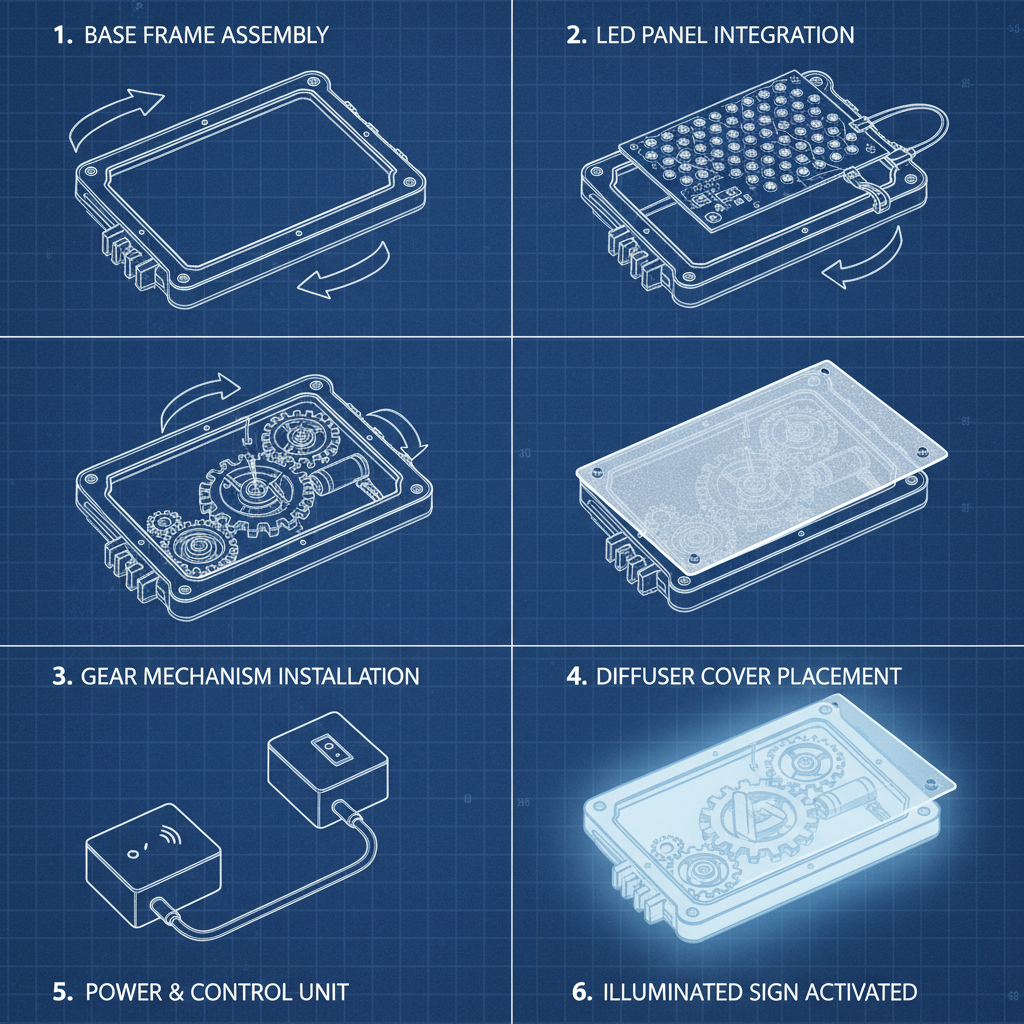
At its core, illuminated signs and accessories refer to any visual communication system that incorporates an internal or external light source to enhance visibility, contrast, and aesthetic appeal. This encompasses a wide range of products, from large-scale LED channel letters and lightbox displays to smaller accessories like edge-lit acrylic panels and backlit shelving strips used in display counters. The primary goal is to manipulate light to draw the eye toward a specific focal point.
In the context of modern industry, these systems are deeply connected to the concept of "experiential retail." As e-commerce grows, physical stores must provide an experience that cannot be replicated online. illuminated signs and accessories play a pivotal role here by creating atmospheric lighting that influences customer mood and perceived value, transforming a simple transaction into a memorable brand interaction.
Technically, the definition has expanded to include "dynamic signage," where the light source is programmable. This allows for animations, color shifts, and real-time data integration. Whether it is a cosmetics store highlighting a new product line or a clothing boutique emphasizing a seasonal sale, the intersection of lighting and structural design is where the most effective commercial communication happens.
Core Components of High-Impact Lighting
The effectiveness of illuminated signs and accessories depends on several critical factors. First is Luminous Efficacy, which measures how efficiently a light source converts electricity into visible light. For retail environments, high efficacy means brighter signs with lower energy costs, reducing the overhead for store owners while maintaining a premium look.
Second is Color Rendering Index (CRI). This is especially vital for cosmetics and apparel stores where the accuracy of color is non-negotiable. High-CRI accessories ensure that a red dress or a specific shade of lipstick looks the same under the sign as it does in natural daylight, preventing customer dissatisfaction and reducing return rates.
Finally, Material Durability and Thermal Management are the unsung heroes of lighting design. Because high-intensity LEDs generate heat, the accessories used—such as aluminum heat sinks and UV-resistant acrylics—must be capable of dissipating heat and resisting yellowing over time. This ensures that the initial investment in illuminated signs and accessories provides long-term value without frequent replacements.
Technical Performance and Efficiency Metrics
When evaluating the performance of different lighting solutions, industry experts look at a combination of longevity, brightness, and installation ease. The transition from fluorescent to LED has drastically improved these metrics, allowing for slimmer profiles in display stands and wall bays. The goal is to achieve a "seamless glow" without visible hotspots or flickering, which can distract customers and diminish the perceived quality of the merchandise.
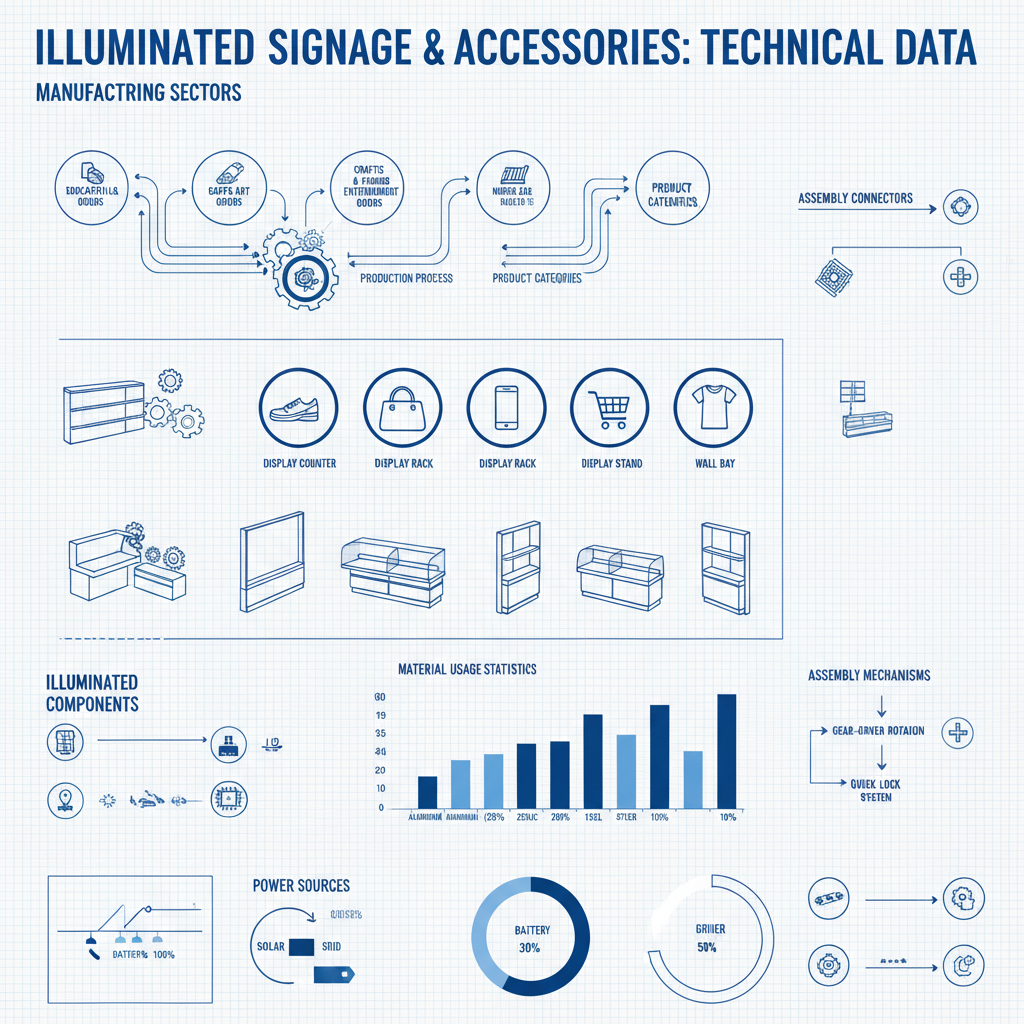
To better understand the trade-offs between different types of illuminated signs and accessories, we analyze them based on key performance indicators such as energy efficiency and visual impact.
Comparative Performance of Lighting Methods
Real-World Applications Across Retail Sectors
In the electronics and cell phone store sector, illuminated signs and accessories are used to emphasize the "futuristic" nature of the products. Cool-toned white lighting is typically integrated into display tables and shelving to highlight the sleek lines of smartphones and tablets, creating a high-tech atmosphere that justifies premium pricing.
Conversely, in luxury shoes and bag stores, the application shifts toward warmth and exclusivity. Here, backlit accessories are often hidden within wall bays to create a soft halo effect around the product, drawing the customer's focus toward the craftsmanship and materials. This strategic use of light doesn't just illuminate the product; it signals the status and prestige associated with the brand.
Long-Term Value and Brand Psychology
The long-term value of investing in premium illuminated signs and accessories extends beyond immediate sales. Consistency in lighting across multiple store locations builds brand trust. When a customer enters a store and recognizes the specific luminosity and color temperature of the signage, it triggers a psychological sense of familiarity and reliability.
Furthermore, there is a strong emotional component to lighting. Soft, diffused light can reduce customer anxiety and encourage longer browsing times, while bright, vibrant signs can create a sense of excitement and urgency. By mastering these triggers, retailers can guide the customer journey from the moment they see the exterior sign to the moment they reach the display counter.
From a logical perspective, the transition to sustainable lighting also aligns brands with global ESG (Environmental, Social, and Governance) goals. Reducing the carbon footprint of store operations through efficient illuminated signs and accessories not only lowers costs but also enhances the brand's image as a responsible corporate citizen.
Future Innovations in Visual Communication
The future of illuminated signs and accessories is inextricably linked to the digital transformation of the physical world. We are moving toward "Phygital" signage—where physical lights are integrated with Augmented Reality (AR). Imagine a customer pointing their phone at an illuminated sign, and the light colors shift to provide personalized product recommendations based on the user's profile.
Sustainability will also drive material innovation. We are seeing the rise of biodegradable light diffusers and organic LEDs (OLEDs) that can be printed on flexible surfaces. This will allow illuminated signs and accessories to wrap around curved display racks or be integrated directly into the fabric of clothing store partitions, breaking the traditional "box" shape of signage.
Automation through AI will allow signs to adjust their brightness and color temperature in real-time based on the number of people in the store or the time of day. This not only optimizes energy use but also maintains a perfect visual balance regardless of external weather conditions.
Technical Analysis of Signage Material Innovations
|
Material Type
|
Luminous Uniformity
|
Energy Efficiency
|
Installation Complexity
|
| Acrylic LED Panels |
High |
9/10 |
Low |
| Flexible Neon-Flex |
Medium |
8/10 |
Medium |
| OLED Films |
Ultra-High |
7/10 |
High |
| Backlit Fabric |
High |
8/10 |
Low |
| Smart Glass LED |
Medium |
6/10 |
High |
| Aluminum Channel |
Medium |
9/10 |
Medium |
FAQS
The choice depends on the visual effect you desire. Backlit accessories provide a strong, overall glow that is excellent for large brand logos or focal walls. Edge-lit accessories are more subtle and precise, ideal for highlighting the edges of acrylic shelves or small product descriptions without overwhelming the product itself. For a balanced look, many retailers combine both in their store design.
Actually, modern LED systems are significantly cheaper to maintain than traditional neon or fluorescent lighting. LEDs have a lifespan of 50,000+ hours and consume up to 80% less energy. The primary maintenance involves keeping the diffusers clean and occasionally replacing the power driver every few years. Investing in high-quality aluminum heat sinks further extends the life of the LEDs.
Yes, customization is a core feature of modern illuminated signs and accessories. Through the use of RGB (Red, Green, Blue) and RGBW (including White) LEDs, virtually any brand color can be replicated. Professional designers use specific Kelvin ratings for white light to ensure the atmosphere matches the brand's identity—from warm gold for luxury to crisp blue for tech.
Lighting acts as a silent salesman. By using illuminated accessories to create a "visual hierarchy," you can guide a customer's eyes toward high-margin products or new arrivals. Studies show that well-lit environments increase the perceived value of products and reduce the "friction" of the shopping experience, leading to higher average transaction values and increased customer dwell time.
Absolutely. The industry is moving toward "Green Lighting." This includes the use of recyclable acrylics, lead-free solder in circuit boards, and energy-monitoring sensors that dim lights during low-traffic periods. Switching to high-efficiency LED modules is the single most effective way to reduce the environmental impact of your store's visual communication systems.
Integration should happen at the design phase. Whether you are using display counters or wall bays, ensuring that there are pre-routed channels for wiring prevents unsightly cables from ruining the aesthetic. Using modular accessories that clip into standard shelving systems allows for flexibility, enabling you to move your illuminated signs and accessories as your product layout changes.
Conclusion
In summary, illuminated signs and accessories are far more than simple lighting fixtures; they are strategic assets that merge art, psychology, and engineering to drive commercial success. From enhancing product visibility in electronics stores to crafting a luxury atmosphere in boutiques, the correct application of light can fundamentally alter how a customer perceives a brand and its value. By focusing on key metrics like CRI, energy efficiency, and material durability, businesses can create sustainable, high-impact environments that stand the test of time.
Looking ahead, the integration of AI and smart materials will continue to make visual communication more personalized and dynamic. For any business owner or store designer, the priority should be to move away from static lighting and embrace adaptive, energy-efficient solutions that evolve with the customer. Investing in professional signage today is an investment in the future longevity and visibility of your brand in an increasingly crowded global marketplace. Visit our website for more professional display solutions: www.chshopdisplay.com