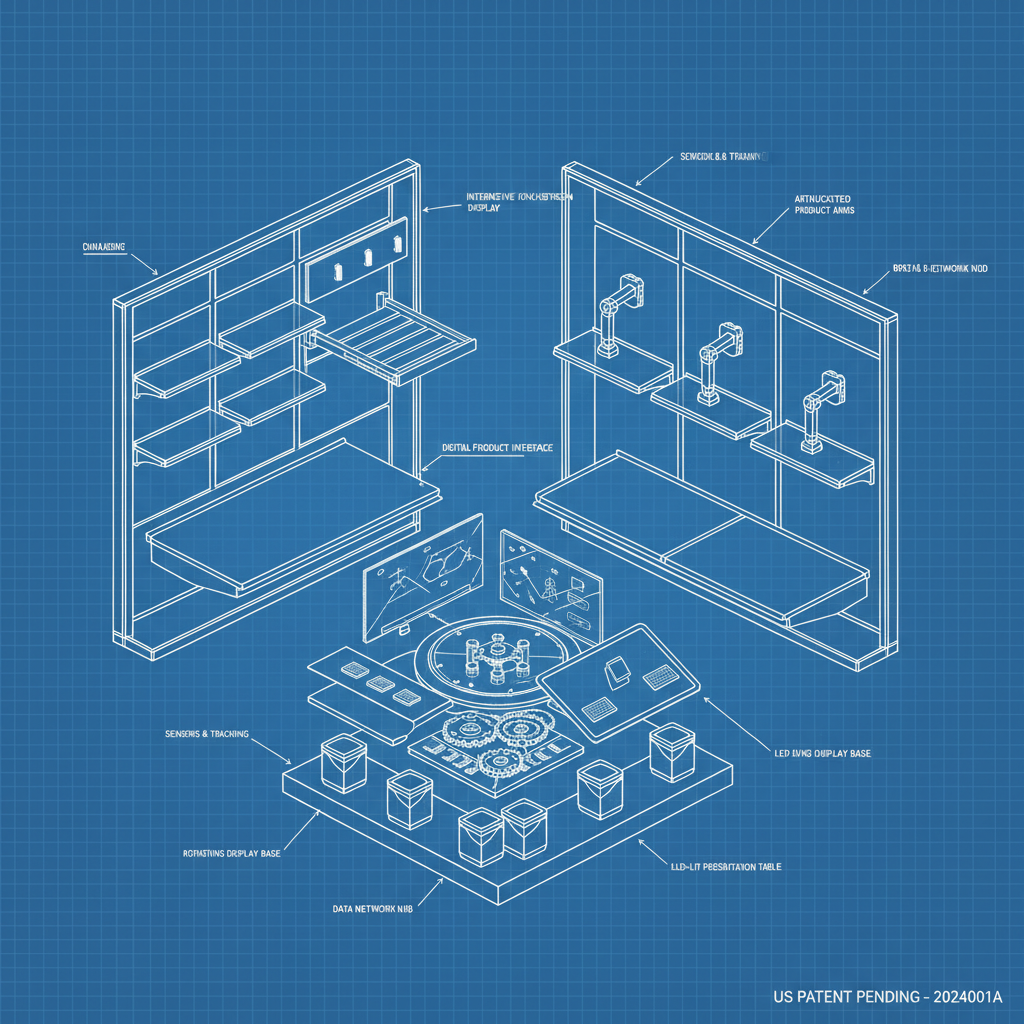
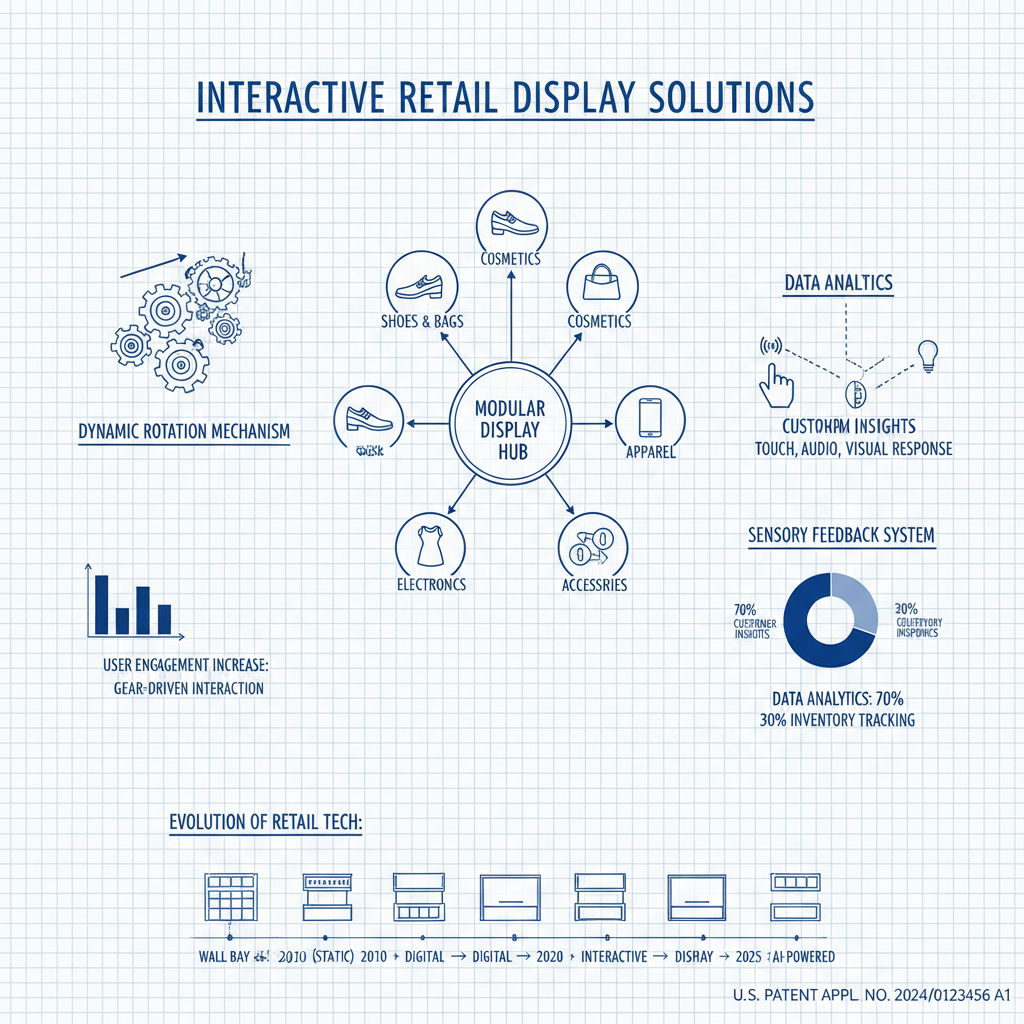
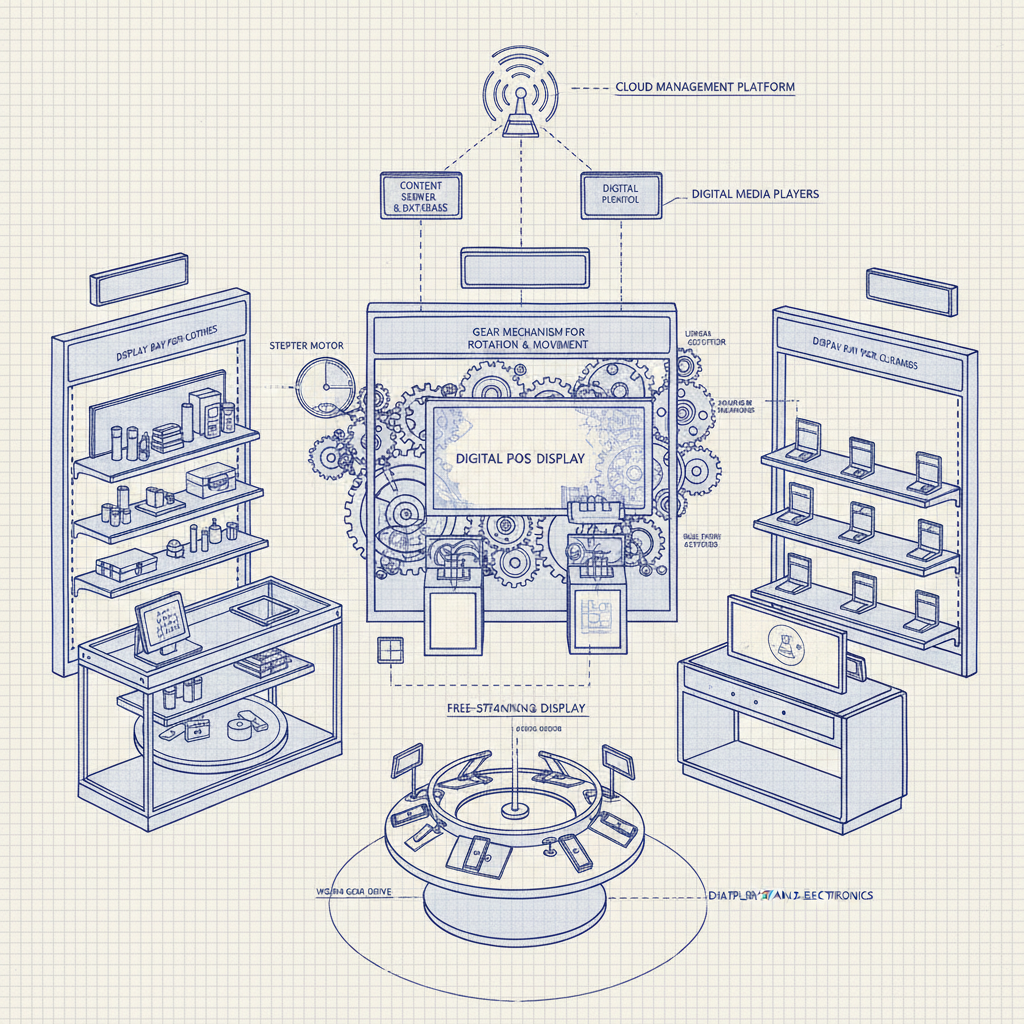
Interactive display solutions are revolutionizing the way businesses engage with customers and showcase their products. Driven by advancements in technology and shifting consumer expectations, these solutions move beyond static presentations, offering immersive and personalized experiences. From retail environments to museums and trade shows, the demand for dynamic and captivating displays is steadily increasing, making it a critical component of modern marketing strategies and brand building.
The global market for display technology is currently valued at billions of dollars and is projected to continue expanding rapidly. Factors fueling this growth include increased disposable incomes, the rise of experiential retail, and the need for businesses to differentiate themselves in a competitive landscape. Furthermore, the integration of interactive elements enhances customer engagement, boosts sales conversion rates, and provides valuable data insights for businesses. Understanding and leveraging these interactive display solutions is no longer a luxury, but a necessity.
The core benefit of implementing interactive display solutions lies in their ability to create memorable and impactful interactions. These solutions go beyond simply displaying information; they invite participation, foster a sense of discovery, and build stronger connections between brands and their audiences. This translates into increased brand loyalty, positive word-of-mouth marketing, and a significant return on investment for businesses across various sectors.
The Importance of Interactive Display Solutions
In today’s competitive landscape, simply presenting products isn't enough. Consumers are seeking experiences, and interactive display solutions provide exactly that. They transform passive browsing into active engagement, allowing customers to explore products in a more meaningful way. This heightened engagement translates directly into increased brand recall and a stronger customer connection. interactive display solutions are now a key differentiator.
Furthermore, the data gathered from these interactive displays offers invaluable insights into customer behavior. By tracking user interactions, businesses can gain a deeper understanding of product preferences, popular features, and overall customer journey, leading to more informed decision-making and optimized marketing strategies. This data-driven approach elevates interactive display solutions beyond a marketing tool and into a powerful analytical asset.
Defining Interactive Display Solutions
Interactive display solutions encompass a range of technologies designed to actively involve users with presented information. These can include touch screens, gesture recognition, augmented reality (AR), virtual reality (VR), and projection mapping. The common thread is a departure from traditional, one-way communication to a dynamic, two-way exchange between the display and the audience.
The core principle revolves around enabling users to manipulate, explore, and personalize the content they are viewing. Unlike static signage, interactive displays invite touch, movement, and active participation. This fosters a sense of ownership and engagement, making the information more memorable and impactful.
This concept is increasingly crucial in a world saturated with information. Interactive displays cut through the noise by offering a personalized and engaging experience that captures attention and fosters a deeper understanding of the presented content. They are a bridge between physical and digital worlds, seamlessly blending the tangible with the virtual.
Key Components of Effective Solutions
Durability: Robust construction and high-quality materials are paramount, particularly for displays in high-traffic areas. Solutions must withstand frequent use and maintain a consistently appealing appearance. Selecting displays resistant to scratches, impacts, and environmental factors ensures a long-lasting return on investment.
User Interface (UI) & User Experience (UX): Intuitive and user-friendly interfaces are vital. The display should be easily navigable, responsive to touch, and provide clear and concise information. A positive user experience is crucial for driving engagement and achieving desired outcomes, such as lead generation or product purchase.
Connectivity & Data Integration: Seamless connectivity to data sources and analytics platforms is essential for tracking performance and gaining valuable insights. The ability to collect and analyze user interaction data allows businesses to optimize their displays and personalize the customer experience. This data integration is a key differentiator in maximizing the return on investment for interactive display solutions.
Global Applications and Industry Impact
The application of interactive display solutions spans a diverse range of industries. In retail, they enhance the shopping experience by allowing customers to virtually try on clothes, customize products, and access detailed product information. Museums use them to bring exhibits to life, providing interactive narratives and immersive experiences.
In the automotive industry, interactive displays enable customers to configure vehicles, explore features, and experience virtual test drives. Trade shows leverage them to attract attendees, showcase products, and gather leads. Even healthcare facilities are utilizing interactive displays for patient education and wayfinding.
Geographically, the adoption of interactive display solutions is particularly strong in North America and Europe, driven by high levels of technological adoption and consumer spending. However, rapidly growing economies in Asia-Pacific, particularly China and India, are emerging as significant markets, fueled by increasing disposable incomes and a growing demand for innovative retail experiences.
Interactive Display Solution Adoption by Sector
Advantages and Long-Term Value Proposition
The advantages of interactive display solutions extend far beyond enhanced customer engagement. These solutions contribute to increased brand awareness, higher conversion rates, and improved customer loyalty. The ability to gather valuable data insights empowers businesses to make more informed decisions, optimize their marketing strategies, and personalize the customer experience.
From a long-term perspective, these solutions represent a sustainable investment. Their durability and adaptability ensure a long lifespan, while the ongoing data analysis provides continuous value. Moreover, the positive brand perception fostered by an engaging customer experience translates into lasting relationships and increased revenue.
Future Trends in Interactive Display
The future of interactive display is poised for significant innovation. We can expect to see increased integration of artificial intelligence (AI) and machine learning (ML) to personalize content and predict customer behavior. Augmented reality (AR) and virtual reality (VR) technologies will become more sophisticated and accessible, creating even more immersive experiences.
Furthermore, the use of holographic displays and gesture control will become increasingly prevalent, offering a futuristic and intuitive user interface. Sustainability will also play a crucial role, with a focus on energy-efficient displays and eco-friendly materials.
Challenges and Innovative Solutions
Despite the numerous benefits, implementing interactive display solutions can present certain challenges. These include the initial investment cost, the need for technical expertise, and concerns about data security and privacy. However, innovative solutions are emerging to address these concerns.
Cloud-based platforms are reducing the upfront costs and simplifying deployment. Remote management tools are making it easier to maintain and update displays. And robust security protocols are ensuring the protection of sensitive customer data.
The development of open-source software and standardized APIs is also fostering greater interoperability and reducing vendor lock-in, ultimately empowering businesses to choose the solutions that best meet their needs and budget.
Core Analysis of Challenges and Solutions for Interactive Display
| Challenge Area |
Severity (1-10) |
Current Solutions |
Future Innovations |
| Initial Investment Cost |
7 |
Leasing Options, Cloud-Based Services |
Modular Design, Component Pricing |
| Technical Expertise Required |
8 |
Managed Services, User-Friendly Interfaces |
AI-Powered Automation, Simplified Configuration |
| Data Security & Privacy |
9 |
Encryption, Data Anonymization |
Blockchain Integration, Decentralized Data Storage |
| Content Creation & Management |
6 |
Content Management Systems, Template Libraries |
AI-Generated Content, Dynamic Content Personalization |
| Integration with Existing Systems |
7 |
API Integration, Open Standards |
Universal Connectivity Protocols, Plug-and-Play Compatibility |
| Scalability & Future-Proofing |
5 |
Modular Architecture, Software Updates |
Flexible Platforms, Adaptable Hardware |
FAQS
Interactive display solutions dramatically increase customer engagement by inviting active participation, leading to higher brand recall and stronger emotional connections. Unlike static displays which passively convey information, interactive displays offer personalized experiences and valuable data insights, enabling businesses to optimize their marketing efforts and improve customer satisfaction. This leads to higher conversion rates and ultimately a greater return on investment.
The cost of implementation varies depending on the complexity of the solution, the size of the display, and the level of customization required. However, options such as leasing, cloud-based services, and modular designs can help to reduce upfront costs. A comprehensive cost-benefit analysis is recommended to determine the long-term return on investment, considering factors like increased sales and improved customer engagement.
While some technical knowledge is beneficial, many modern interactive display solutions are designed for ease of use. Managed services, user-friendly interfaces, and remote management tools can simplify maintenance and operation. Vendors often provide training and support to ensure that businesses can effectively utilize the technology without needing a dedicated IT team.
Data security is a paramount concern. Implementing robust security protocols, such as encryption and data anonymization, is essential. Compliance with relevant data privacy regulations, like GDPR or CCPA, is also crucial. Choosing a vendor with a strong track record in data security and employing secure network infrastructure are vital steps to protect sensitive customer information.
Interactive displays can be used for virtual product try-ons, personalized recommendations, interactive games and quizzes, wayfinding, and customer feedback collection. Integrating AR/VR technologies can create immersive experiences, while AI-powered personalization can tailor content to individual preferences. The possibilities are endless and limited only by creativity and innovation.
Many vendors are focusing on developing energy-efficient displays and using eco-friendly materials. Digital signage reduces the need for printed materials, minimizing waste. Moreover, the data insights gathered from interactive displays can help businesses optimize their operations and reduce their environmental footprint. Choosing sustainable solutions demonstrates a commitment to environmental responsibility.
Conclusion
Interactive display solutions are no longer a futuristic novelty but a powerful tool for businesses seeking to enhance customer engagement, drive sales, and gain a competitive edge. From retail to healthcare, museums to education, the applications are diverse and the benefits are substantial. By embracing these technologies, businesses can create memorable experiences, gather valuable data insights, and build lasting relationships with their customers.
Looking ahead, the future of interactive display is bright, with continued innovation in AI, AR/VR, and sustainable materials. Investing in interactive display solutions is not simply adopting a new technology; it's embracing a new way of connecting with customers and shaping the future of commerce. Visit our website at www.chshopdisplay.com to learn more and explore our range of solutions.