Seating, in its broadest sense, is the provision of places for humans to rest or support their weight. This seemingly simple concept underpins vast sectors globally, from healthcare and education to transportation and entertainment. The importance of effective seating extends beyond mere comfort; it directly impacts productivity, safety, well-being, and even social inclusion. Understanding the nuances of seating design, materials, and implementation is therefore critical for a wide range of industries and humanitarian efforts.
Globally, the demand for efficient and adaptable seating solutions is constantly evolving. Driven by population growth, urbanization, and increasingly mobile lifestyles, the need for durable, ergonomic, and space-saving seating options is at an all-time high. Simultaneously, concerns around sustainability and accessibility are pushing innovation in materials and design. This dynamic landscape requires constant adaptation and a deep understanding of the interconnected factors influencing seating trends.
The impact of seating isn’t merely functional; it's deeply ingrained in our daily experiences. From the ergonomic chairs in our offices to the public seating in our parks, seating shapes how we interact with our environment and with each other. Recognizing this inherent value is essential for fostering inclusive and supportive spaces for all.
The Importance of Seating Globally
The global seating market is a multi-billion dollar industry, deeply intertwined with societal needs. According to UN data, over half of the world’s population lives in urban areas, increasing the demand for public seating and efficient transportation seating. Furthermore, the ISO standards for ergonomic seating in workplaces are increasingly adopted internationally, reflecting a growing emphasis on employee well-being and productivity. This demonstrates that seating is not simply about comfort, but a crucial element in supporting global economic and social development.
A significant challenge exists in providing adequate seating in underserved communities and disaster-stricken areas. The lack of proper seating can exacerbate existing inequalities, impacting access to education, healthcare, and economic opportunities. Affordable, durable, and rapidly deployable seating solutions are therefore critical in addressing these global challenges and promoting inclusive growth.
Defining Seating and Its Applications
At its core, seating refers to any structure designed to support the weight of a human body in a seated position. This encompasses a remarkably diverse range of products, from simple stools and benches to complex ergonomic chairs and specialized seating for vehicles and aircraft. The design of seating considers factors like posture, comfort, safety, and aesthetics.
In modern industry, seating isn’t confined to furniture. Specialized seating systems are integral to the automotive industry, aerospace engineering, and even medical equipment. For instance, racing car seats are designed for maximum support and safety, while hospital beds incorporate adjustable seating to enhance patient comfort and care.
From a humanitarian perspective, appropriate seating can be life-changing. In refugee camps or disaster relief settings, providing even basic seating can offer dignity, comfort, and a sense of normalcy to those affected by crisis. This highlights the profound impact of seating beyond its functional purpose.
Key Factors in Effective Seating Solutions
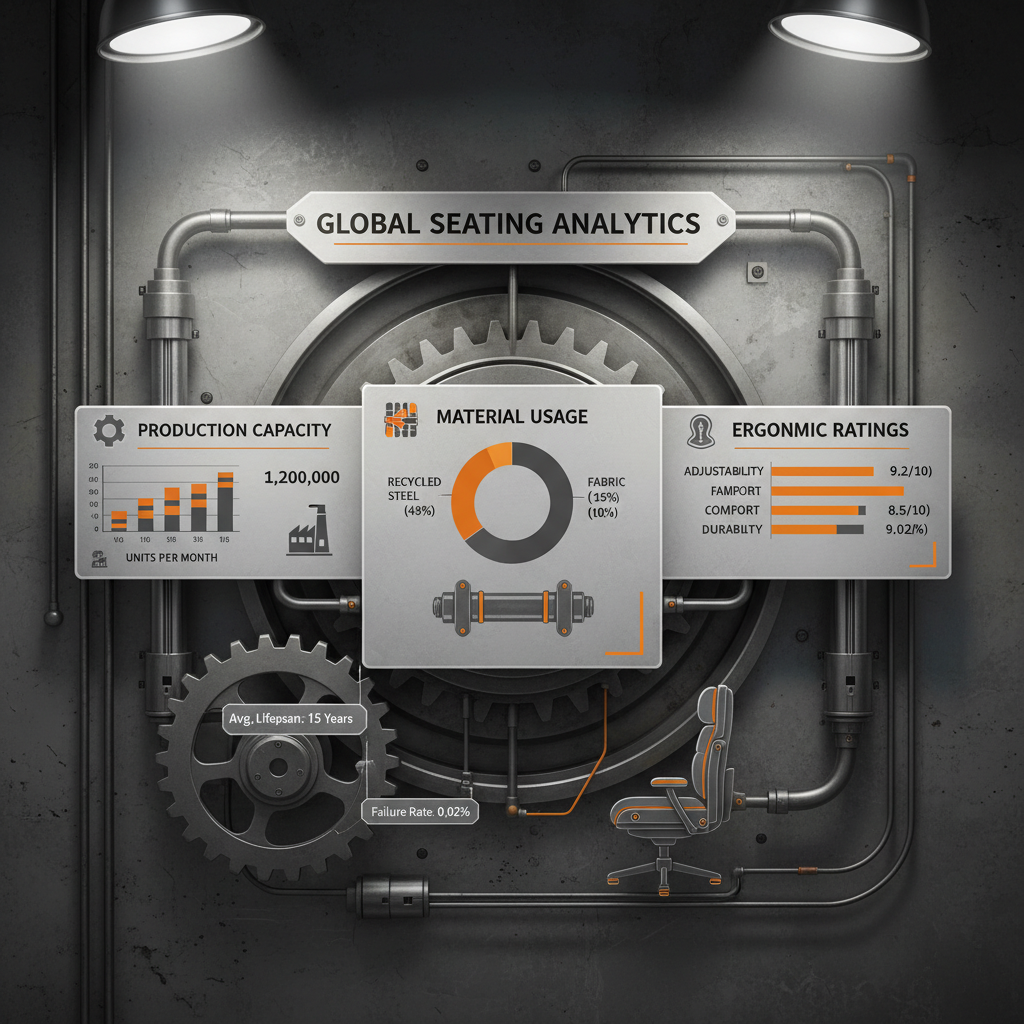
Several key factors determine the effectiveness of seating solutions. First and foremost is Ergonomics – the science of designing for human use. Ergonomic seating promotes good posture, reduces strain, and minimizes the risk of musculoskeletal disorders. Secondly, Material Selection plays a crucial role, influencing durability, comfort, and environmental impact. Options range from traditional wood and metal to innovative plastics and sustainable textiles.
Scalability is another vital consideration, especially in large-scale applications like stadiums or public transportation. The ability to easily replicate and deploy seating arrangements efficiently is essential. Closely linked to scalability is Cost Efficiency, as seating needs to be affordable for a wide range of consumers and organizations. Finding the balance between quality, functionality, and price is a constant challenge.
Finally, Aesthetics are important, particularly in spaces where visual appeal matters. Seating should complement the surrounding environment and enhance the overall user experience. Good design can transform a simple seat into a statement piece.
Durability and Longevity of Seating
The durability of seating is paramount, especially in high-traffic or demanding environments. Materials must withstand wear and tear, resist damage from weather or impact, and maintain their structural integrity over time. Proper construction techniques, including robust framing and secure fastening systems, are critical for ensuring longevity.
Factors influencing durability include the type of materials used (e.g., steel vs. plastic, hardwood vs. softwood), the quality of manufacturing, and the intended use of the seating. Seating designed for outdoor use requires weather-resistant materials and protective coatings, while seating in public spaces should be vandal-resistant and easy to clean.
Durability Ratings of Different Seating Materials
Global Applications of Seating
The applications of seating are incredibly diverse. In educational institutions, ergonomic seating is increasingly recognized for its positive impact on student concentration and learning. In healthcare facilities, specialized seating supports patient comfort and mobility. Public spaces, such as parks, plazas, and transportation hubs, rely on durable and accessible seating to create welcoming environments.
In post-disaster relief operations, rapidly deployable seating provides a vital service to displaced populations. In remote industrial zones, robust seating solutions are essential for worker safety and productivity. The automotive and aerospace industries rely on advanced seating technologies to enhance comfort, safety, and performance.
Advantages and Long-Term Value of Quality Seating
Investing in quality seating offers numerous tangible benefits. Reduced healthcare costs associated with musculoskeletal disorders, increased employee productivity due to improved comfort, and enhanced customer satisfaction in public spaces are all direct outcomes of well-designed seating solutions. Furthermore, sustainable seating options contribute to environmental conservation and responsible resource management.
Beyond the practical advantages, quality seating also provides emotional benefits. A comfortable and supportive seat can enhance a sense of well-being, promote relaxation, and foster social interaction. This translates into a more positive user experience and a stronger sense of community.
The trust and reliability associated with reputable seating manufacturers are also invaluable. Customers and organizations can rely on established brands to deliver durable, safe, and aesthetically pleasing seating solutions that meet their specific needs.
Future Trends and Innovations in Seating Design
The future of seating is marked by innovation and a growing focus on sustainability. Bio-based materials, such as mycelium and algae-based plastics, are emerging as eco-friendly alternatives to traditional materials. Smart seating systems, incorporating sensors and data analytics, are being developed to personalize comfort and monitor posture.
Digital fabrication technologies, such as 3D printing, are enabling the creation of customized seating solutions tailored to individual needs. Automation and robotics are streamlining the manufacturing process, reducing costs and improving efficiency. These advancements are poised to revolutionize the seating industry, offering more sustainable, ergonomic, and personalized options.
Policy changes promoting accessibility and ergonomic standards are also driving innovation. Increased awareness of the importance of well-being and the need for inclusive design are shaping the future of seating, ensuring that it meets the diverse needs of all users.
Summary of Key Seating Design Considerations
| Seating Type |
Primary Material |
Durability Score (1-10) |
Typical Application |
| Office Chair |
Mesh & Steel |
7 |
Workplace Ergonomics |
| Park Bench |
Wood & Cast Iron |
8 |
Public Spaces & Recreation |
| Stadium Seating |
Concrete & Plastic |
9 |
Large-Scale Events |
| Airplane Seat |
Aluminum & Fabric |
6 |
Air Travel & Transportation |
| Healthcare Bed |
Steel & Vinyl |
5 |
Medical Care & Patient Comfort |
| School Desk Chair |
Plastic & Metal |
6 |
Educational Environments |
FAQS
When selecting seating for a large event, prioritize durability, comfort, and ease of setup and takedown. Consider the weather conditions, the expected attendee demographics, and any accessibility requirements. Stackable or foldable chairs are often ideal for large gatherings due to their space-saving design. Also, ensure the seating meets safety standards and local regulations.
Ergonomic seating for office workers should provide adjustable features like seat height, backrest angle, and lumbar support. Look for chairs that promote good posture and reduce strain on the back, neck, and wrists. Encourage employees to adjust their chairs properly and take regular breaks to stretch and move around. Consulting with an ergonomics specialist can provide tailored recommendations for your workplace.
Sustainable seating materials include recycled plastics, bamboo, reclaimed wood, and fabrics made from organic cotton or recycled fibers. Look for certifications like FSC (Forest Stewardship Council) for wood products and Oeko-Tex for textiles. Consider seating with modular designs that allow for easy repair and component replacement, extending the product's lifespan.
Cleaning and maintenance depend on the material. Fabric seating typically requires regular vacuuming and spot cleaning. Leather seating should be conditioned periodically to prevent cracking. Plastic and metal seating can be cleaned with mild soap and water. Always check the manufacturer's recommendations for specific cleaning instructions to avoid damaging the material.
Outdoor seating must be weather-resistant and durable enough to withstand exposure to sunlight, rain, and temperature fluctuations. Materials like treated wood, powder-coated metal, and UV-resistant plastics are good choices. Consider drainage to prevent water pooling and select seating with a stable base to prevent tipping in windy conditions.
Accessible seating should include features like armrests, a firm and stable seat, and sufficient space for maneuvering wheelchairs or other mobility devices. Ensure that seating is strategically placed throughout the space to provide convenient access for everyone. Consider varying heights and styles to accommodate different needs and preferences, complying with ADA guidelines where applicable.
Conclusion
Throughout this exploration, we’ve seen that seating is far more than just a place to rest. It's a critical component of global well-being, economic productivity, and social inclusion. From ergonomic designs that promote health to sustainable materials that protect the environment, seating solutions are constantly evolving to meet the changing needs of our world. Understanding the key factors influencing seating – durability, scalability, ergonomics, and cost-effectiveness – is essential for making informed decisions and creating spaces that support human flourishing.
Looking ahead, continued innovation in materials, design, and manufacturing will further enhance the value of seating. Embracing these advancements and prioritizing accessibility, sustainability, and user comfort will be crucial in shaping the future of seating. For further information and a wide range of seating options, visit our website today.