Fitting rooms are integral to the retail experience, evolving significantly alongside fashion trends and consumer behavior. From simple changing stalls to sophisticated, technology-enhanced spaces, they represent a critical touchpoint influencing purchasing decisions. Globally, the demand for efficient and comfortable fitting rooms is driven by the continued growth of the apparel industry, a sector contributing trillions to the world economy. Understanding the nuances of fitting room design and functionality is paramount for retailers seeking to optimize sales and enhance customer satisfaction.
The importance of fitting rooms extends beyond mere practicality. They provide a private and personalized space for customers to assess garments, build confidence, and ultimately, commit to a purchase. In a competitive retail landscape, superior fitting room experiences can differentiate brands and foster customer loyalty. This is particularly crucial in the age of online shopping, where the tactile and experiential aspects of physical stores are increasingly valued.
Furthermore, fitting rooms are undergoing a technological transformation, integrating features such as smart mirrors, virtual try-on capabilities, and personalized recommendations. This evolution reflects a broader trend toward enhancing the in-store experience and bridging the gap between physical and digital retail channels. The future of retail hinges on seamlessly integrating these elements to cater to the evolving needs of today's consumers.
The Significance of Fitting Rooms
Fitting rooms are far more than just a functional necessity within retail spaces; they are powerful psychological environments. The act of trying on clothing triggers emotional responses and self-perception assessments that directly influence purchase decisions. A well-designed fitting room fosters a positive experience, increasing the likelihood of a sale.
Moreover, fitting rooms provide an opportunity for retailers to reinforce their brand identity and create a memorable shopping experience. Through careful consideration of lighting, ambiance, and personalized services, retailers can elevate the fitting room from a utilitarian space to a brand touchpoint that enhances customer engagement.
Historical Context of Fitting Rooms
The concept of dedicated spaces for trying on clothing has evolved alongside the development of the modern apparel industry. Initially, garments were often purchased without the opportunity for trial, relying heavily on skilled tailors for alterations. As ready-to-wear clothing became more prevalent in the 19th century, the need for fitting rooms emerged to accommodate standardized sizing and consumer preferences.
Early fitting rooms were often simple, private alcoves within department stores, offering basic functionality. Over time, they became increasingly sophisticated, reflecting changing fashion trends and consumer expectations. The post-war era saw the rise of more spacious and luxuriously appointed fitting rooms, emphasizing comfort and personalization.
Today, fitting rooms are undergoing another significant transformation, driven by technological advancements and the desire to create immersive shopping experiences. The integration of smart mirrors, virtual try-on technology, and personalized recommendations represents the latest chapter in the evolution of this essential retail component.
Core Design Elements of Fitting Rooms
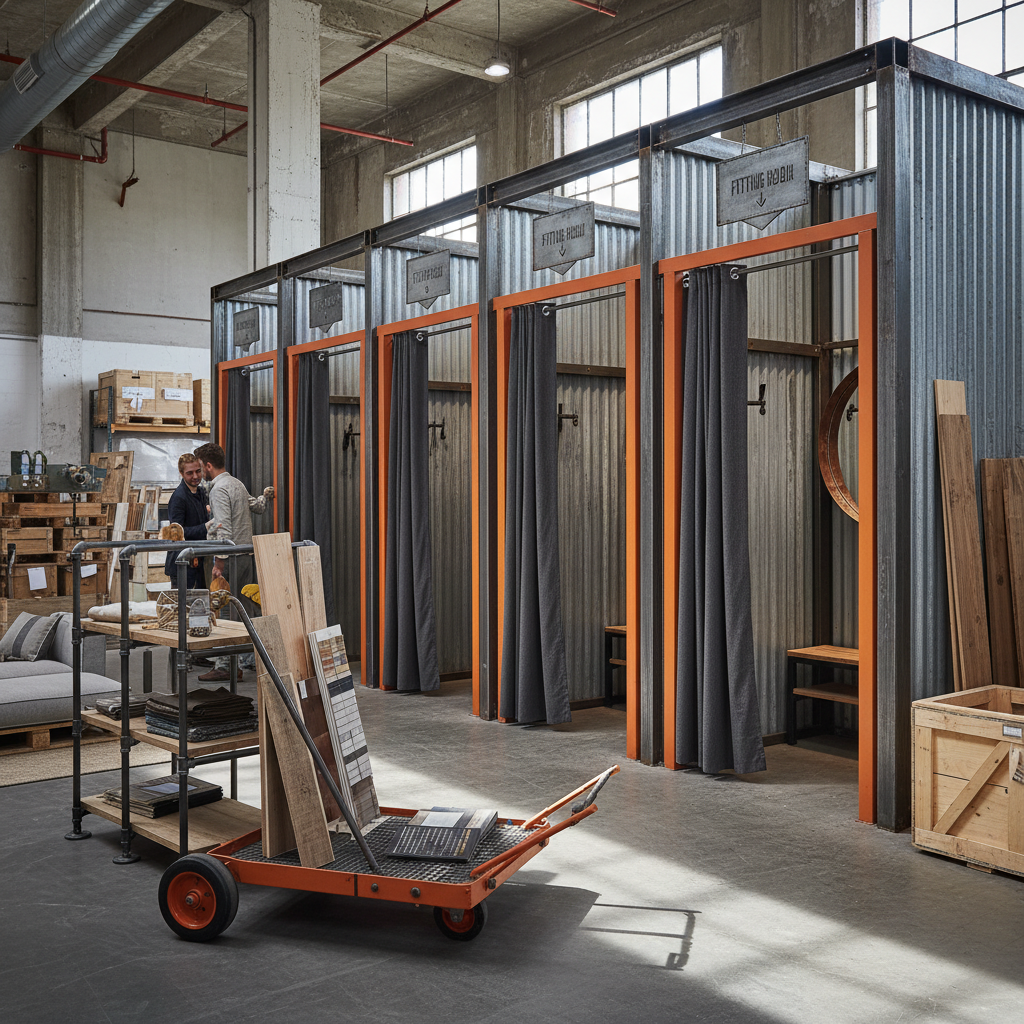
Several core design elements contribute to the effectiveness of fitting rooms. Adequate lighting is crucial, ideally mimicking natural daylight to provide accurate color representation. Spaciousness is also essential, allowing customers to move comfortably and assess garments from multiple angles.
Beyond the basics, attention to detail can significantly enhance the customer experience. Features such as full-length mirrors, comfortable seating, secure hooks for garments, and attentive staff assistance are all important considerations. The overall ambiance, including color schemes and music, should align with the brand's aesthetic and target audience.
Furthermore, accessibility is paramount. Fitting rooms should be designed to accommodate customers of all sizes and abilities, including those with disabilities. This includes providing sufficient space for wheelchairs, adjustable mirrors, and accessible hooks and seating.
Material Durability and Maintenance
The durability of materials used in fitting room construction is a critical factor, particularly in high-traffic retail environments. Materials should be able to withstand frequent use, resist wear and tear, and maintain their appearance over time. Common materials include wood, metal, laminate, and fabric.
Regular maintenance is essential to ensure the longevity and cleanliness of fitting rooms. This includes routine cleaning of mirrors, floors, and surfaces, as well as prompt repair of any damage. Choosing materials that are easy to clean and maintain can significantly reduce maintenance costs and minimize disruption to the shopping experience.
Fitting Room Material Performance Ratings
Global Applications in Retail
The principles of effective fitting room design are universally applicable across various retail sectors and geographic regions. However, specific adaptations are often necessary to cater to local cultural norms and consumer preferences. For example, fitting rooms in some Asian countries may be larger and more private than those in Western countries.
Fitting room configurations also vary depending on the type of apparel being sold. Luxury boutiques may offer exclusive, personalized fitting suites, while fast-fashion retailers may prioritize efficiency and high throughput. The increasing prevalence of online returns also underscores the importance of well-designed fitting rooms to encourage in-store purchases.
Benefits and Value Proposition
Investing in high-quality fitting rooms offers a multitude of benefits for retailers. Enhanced customer satisfaction translates directly into increased sales and brand loyalty. A positive fitting room experience encourages customers to spend more time in the store and try on more items, ultimately boosting conversion rates.
Furthermore, well-designed fitting rooms can reduce returns by allowing customers to make informed purchase decisions. This, in turn, lowers operational costs and improves profitability. The psychological impact of a comfortable and confidence-boosting fitting room experience should not be underestimated – it fosters a positive association with the brand.
From a sustainability perspective, encouraging in-store purchases via improved fitting rooms reduces the environmental impact associated with shipping and returns. This aligns with growing consumer demand for environmentally responsible retail practices.
Future Trends and Innovations
The future of fitting rooms is poised for significant innovation, driven by advancements in technology and evolving consumer expectations. Smart mirrors with virtual try-on capabilities are becoming increasingly commonplace, allowing customers to visualize garments without physically trying them on.
Personalized recommendations based on body type, style preferences, and purchase history are also on the horizon, enhancing the shopping experience and driving sales. The integration of RFID technology will enable seamless inventory management and automated fitting room assistance.
Sustainability will continue to be a key focus, with retailers exploring eco-friendly materials and energy-efficient lighting solutions. The convergence of physical and digital retail will redefine the fitting room experience, creating immersive and personalized environments that cater to the needs of the modern consumer.
Summary of Key Future Trends in Fitting Room Technology
| Technology Area |
Implementation Complexity (1-10) |
Potential ROI (1-10) |
Adoption Rate (Current) |
| Smart Mirrors with Virtual Try-On |
7 |
8 |
25% |
| RFID-Enabled Garment Tracking |
6 |
7 |
15% |
| AI-Powered Style Recommendations |
8 |
9 |
10% |
| Automated Fitting Room Assistants (Robotics) |
9 |
6 |
5% |
| Biometric Scanning for Size & Fit |
7 |
7 |
8% |
| Sustainable & Recycled Materials |
4 |
8 |
40% |
FAQS
Accessible fitting rooms prioritize inclusivity. Essential features include wider doorways, sufficient floor space for wheelchairs to maneuver, adjustable mirrors positioned at appropriate heights, secure hooks within reach, comfortable seating with armrests, and grab bars for support. Clear signage and well-lit spaces are also crucial. Adhering to ADA guidelines is paramount for ensuring compliance and providing a comfortable experience for all customers.
Balancing privacy and management requires careful planning. Consider using partially enclosed fitting rooms with floor-to-ceiling curtains or solid walls offering visual separation without feeling completely isolated. Implement a system for staff to check on fitting rooms discreetly, offering assistance without intruding. Proper lighting and ventilation contribute to a comfortable and secure environment.
Lighting is critical. Avoid harsh fluorescent lights, which can distort colors and unflatteringly illuminate customers. Opt for layered lighting that mimics natural daylight – a combination of ambient, task, and accent lighting. Warm-toned lighting is generally more flattering, while adjustable lighting allows customers to customize the brightness to their preference. Proper lighting accurately represents colors, enhancing confidence and purchase decisions.
Technology offers numerous opportunities. Smart mirrors with virtual try-on capabilities allow customers to experiment with different styles without physically changing. RFID tags can track garments brought into the fitting room, providing inventory data and personalized recommendations. Interactive displays can offer styling advice and product information. Automated requests for different sizes or colors streamline the assistance process.
Durable and low-maintenance materials are essential. Solid surface materials like quartz or acrylic are resistant to stains and scratches. Laminates offer a cost-effective and versatile option. Metal framing provides strength and stability. Fabric selections should be durable, easy to clean, and stain-resistant. Regularly sealing surfaces and choosing materials with antimicrobial properties can enhance hygiene.
Cultural norms significantly influence fitting room preferences. In some cultures, greater privacy is desired, leading to larger, fully enclosed fitting rooms. In others, communal changing areas may be acceptable. Considerations for modesty, personal space, and religious customs are crucial. Retailers should research local preferences and adapt their designs accordingly to create a comfortable and welcoming experience for all customers.
Conclusion
In conclusion, fitting rooms are much more than just functional spaces; they are integral to the retail experience, profoundly impacting customer satisfaction and sales. Understanding the historical evolution of fitting rooms, core design elements, and emerging technological trends is crucial for retailers seeking to optimize their in-store environments. Investing in well-designed, accessible, and innovative fitting rooms translates to enhanced customer loyalty, increased conversion rates, and a stronger brand image.
Looking ahead, the future of fitting rooms will be shaped by the convergence of physical and digital retail, driven by advancements in AI, RFID, and virtual reality. Retailers who embrace these innovations and prioritize the customer experience will be well-positioned to thrive in the ever-evolving retail landscape. To explore customized fitting room solutions designed to elevate your retail space, visit our website: fitting rooms.