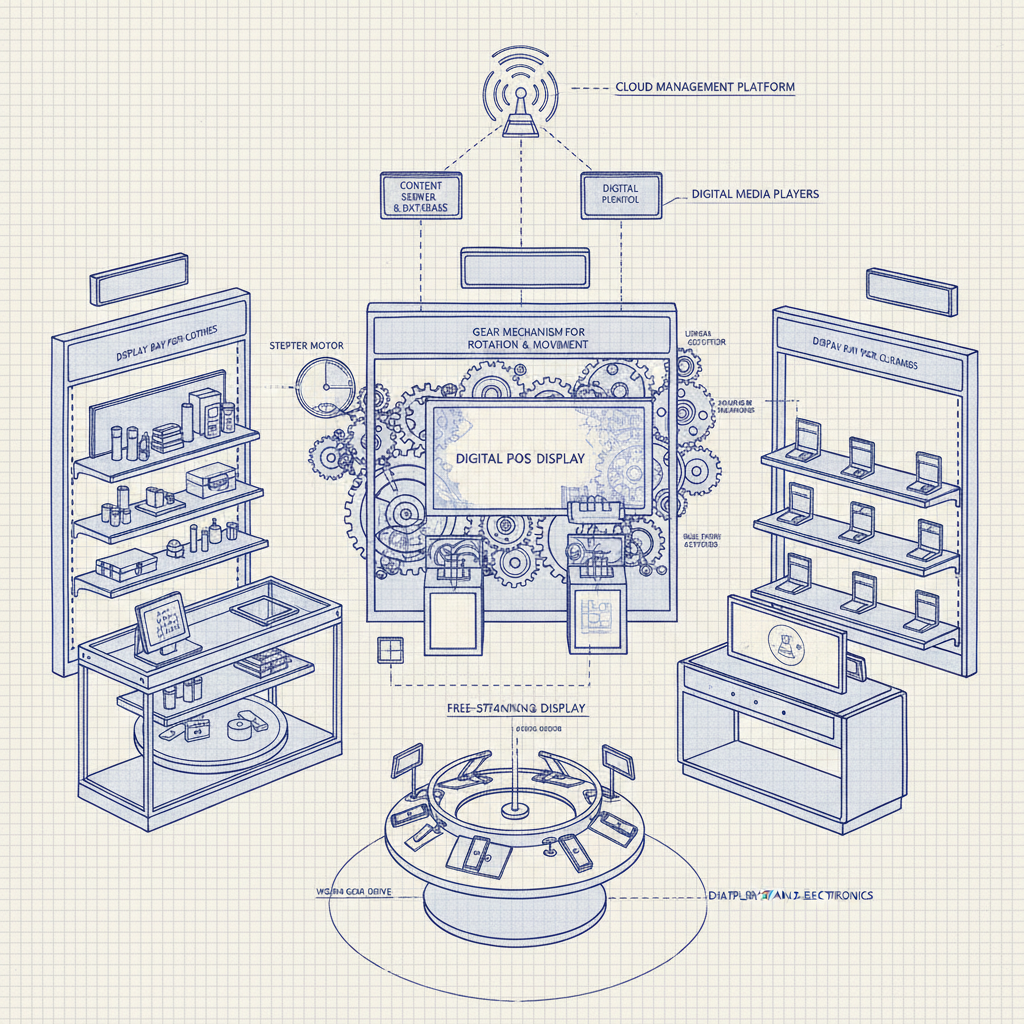
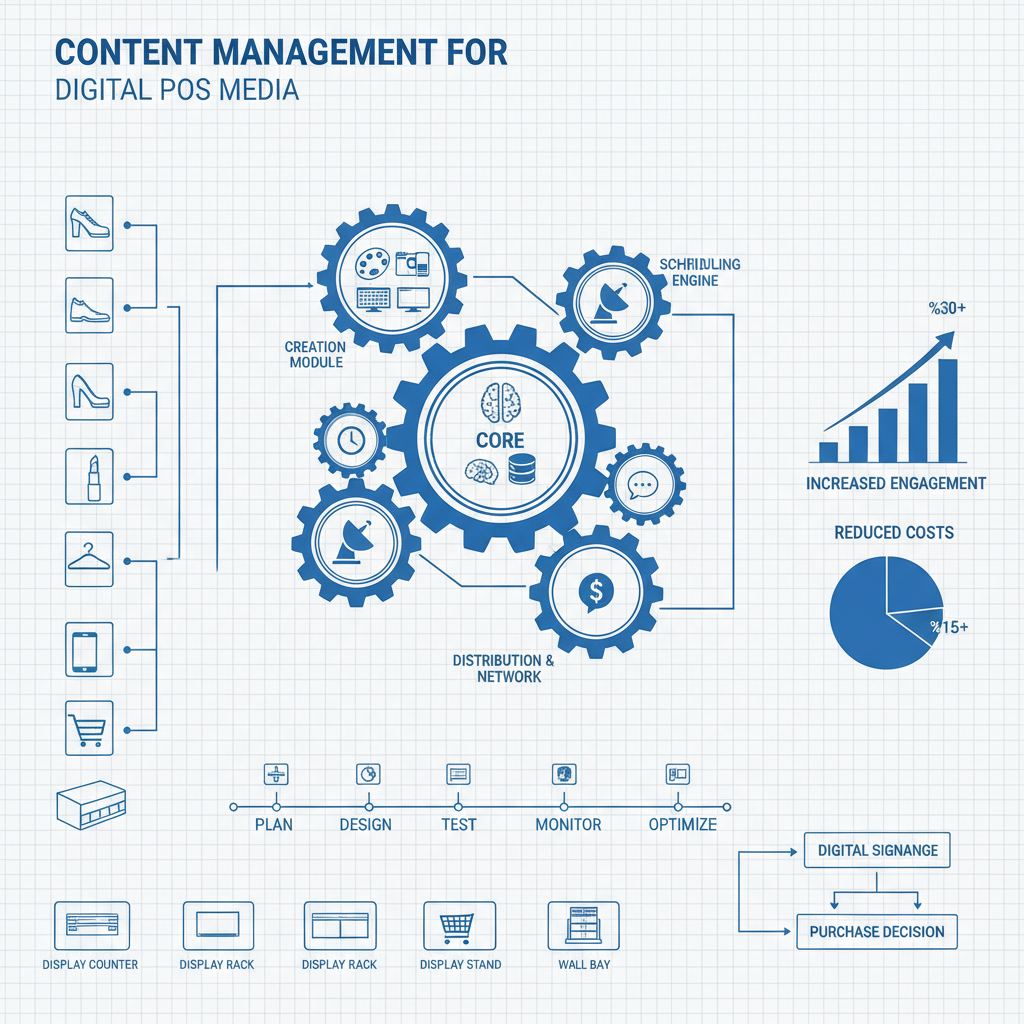
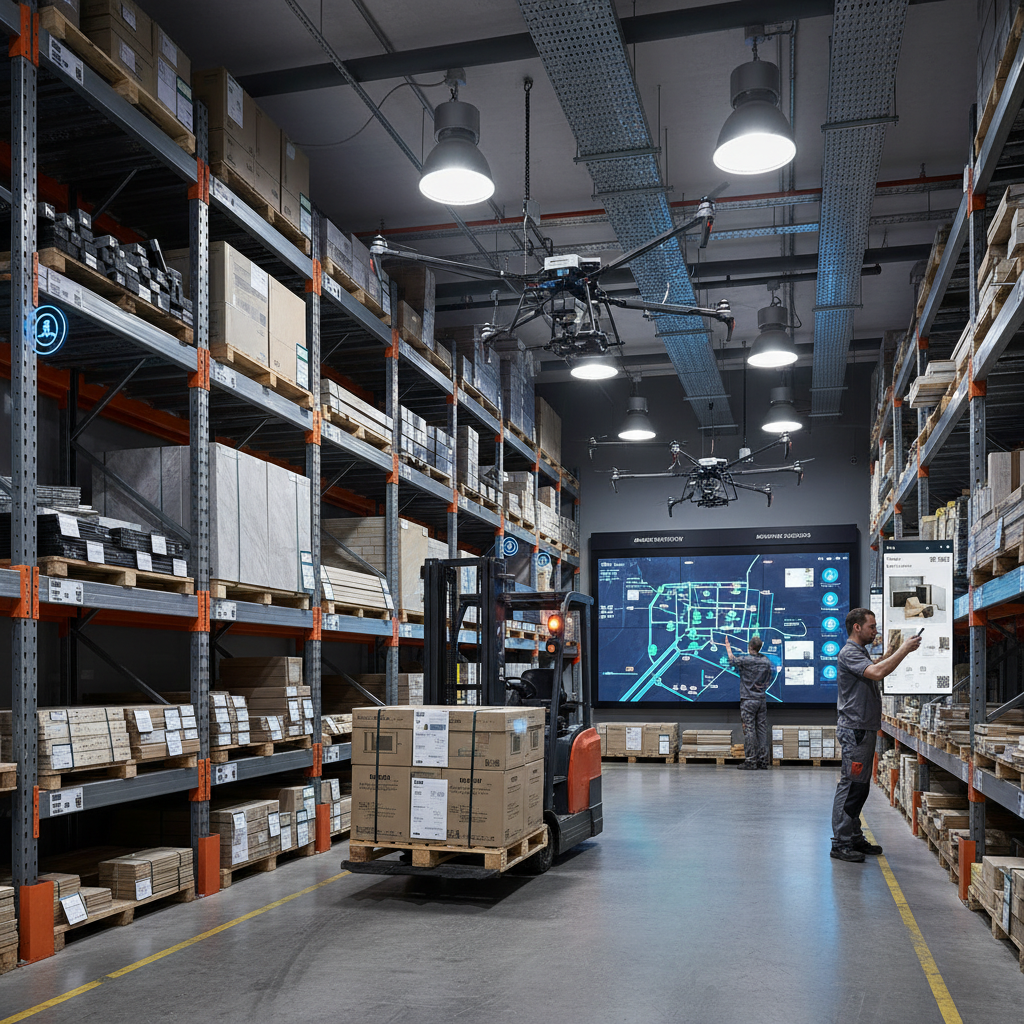
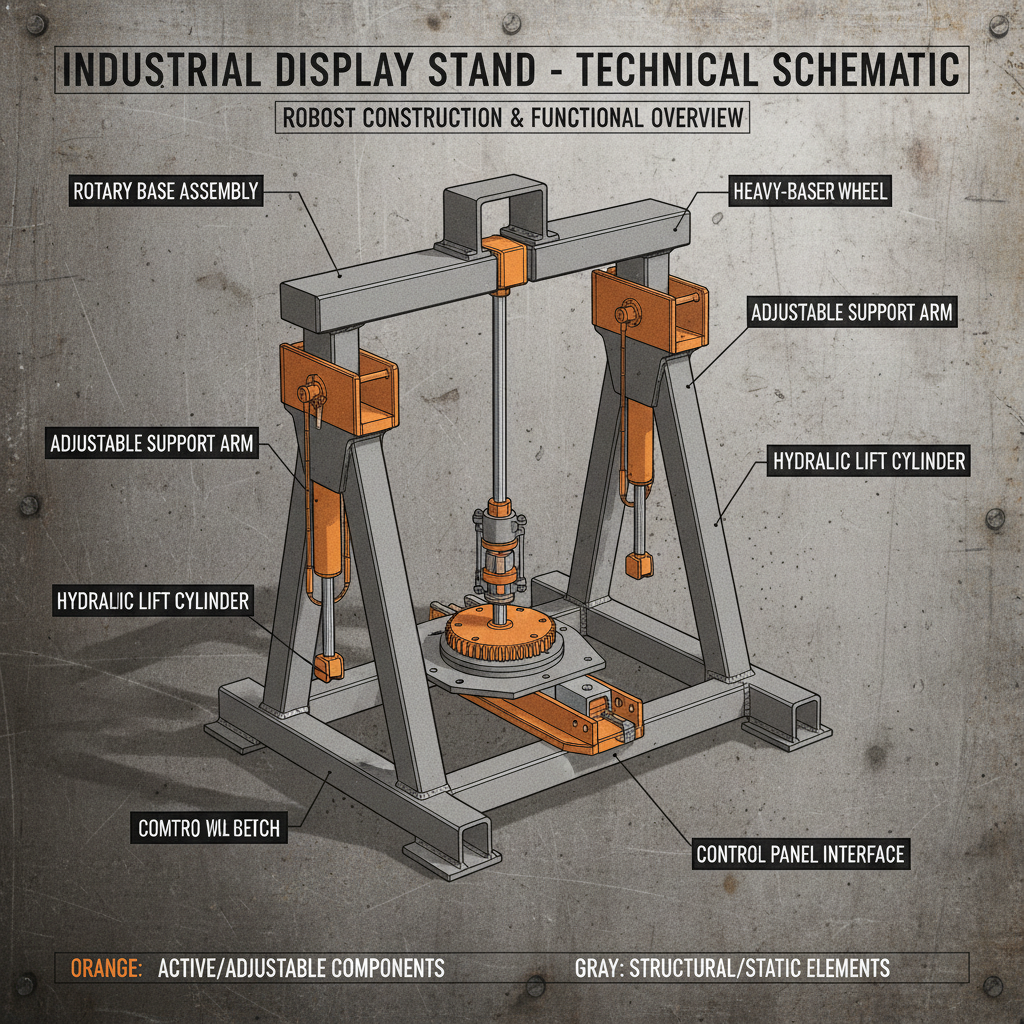
Content management for digital POS media is rapidly becoming essential for retail businesses striving to enhance customer engagement and drive sales. In today’s competitive market, simply having a physical presence is no longer sufficient. Effective communication with customers at the point of sale, through dynamic and engaging digital displays, is crucial for influencing purchasing decisions and building brand loyalty. This requires a robust system for managing, updating, and distributing content to these displays—hence, the growing importance of specialized content management solutions.
Globally, the demand for sophisticated digital signage and POS systems is soaring. According to a recent report by Statista, the global digital signage market is projected to reach $32.8 billion by 2027. This growth is fueled by advancements in display technology, declining hardware costs, and the increasing availability of cloud-based content management platforms. However, many retailers struggle with the complexity of managing diverse content formats, ensuring consistency across multiple locations, and adapting to rapidly changing promotional campaigns. content management for digital pos media is the answer.
At its core, content management for digital POS media encompasses the strategies and technologies used to create, schedule, distribute, and monitor digital content on point-of-sale displays. This includes everything from product advertisements and promotional offers to brand messaging and interactive customer experiences. Effective content management isn’t just about displaying information; it’s about delivering the right information, to the right customer, at the right time, ultimately maximizing impact and ROI.
The Global Significance of Content Management for Digital POS Media
The significance of content management for digital POS media extends far beyond simple advertising. In a world saturated with information, capturing customer attention requires targeted, engaging, and dynamically updated content. This is particularly crucial in retail environments where impulse purchases are common. A well-managed digital POS system can significantly influence buying behavior, boosting sales and improving brand perception. The United Nations Sustainable Development Goal 9 (Industry, Innovation and Infrastructure) is indirectly supported by technologies like this, as they foster efficient business practices and economic growth.
The global market for retail technology is expanding rapidly, driven by consumer demand for personalized experiences and seamless transactions. Content management for digital POS media is a cornerstone of this transformation, enabling retailers to create dynamic, responsive environments that cater to individual customer preferences and promote brand loyalty. Without a strategic approach to content management, retailers risk losing customers to competitors who are better equipped to deliver compelling and engaging experiences.
Defining Content Management for Digital POS Media
Content management for digital POS media is the process of controlling and manipulating digital content displayed on screens at the point of sale. This includes not only the content itself – images, videos, text, interactive applications – but also the scheduling, distribution, and monitoring of that content across multiple locations. It’s about ensuring that the right message is delivered to the right audience at the right time, maximizing its impact and effectiveness. The term encompasses the software, hardware, and processes involved in this entire lifecycle.
In the context of modern industry, effective content management for digital POS media is intrinsically linked to data analytics and customer relationship management (CRM) systems. By tracking customer interactions with digital displays, retailers can gain valuable insights into their preferences, purchasing habits, and demographics. This data can then be used to personalize content, optimize campaigns, and improve overall customer experience. It moves beyond simple broadcasting to a two-way communication channel.
The connection to humanitarian needs, while perhaps less direct, lies in the potential for efficient information dissemination during crises. In emergency situations, digital POS displays in stores can be repurposed to provide vital information to the public—alerts, safety guidelines, or locations of relief centers. This underscores the versatility and adaptability of the technology beyond commercial applications.
Key Components of Effective Content Management for Digital POS Media
Scalability: A robust content management system must be able to accommodate growth. As a retailer expands its footprint, the system should seamlessly handle an increasing number of displays and locations without compromising performance or reliability. This requires a cloud-based architecture and a flexible infrastructure.
Real-Time Updates: The ability to make instant changes to content is critical, especially for time-sensitive promotions or urgent announcements. Traditional methods of updating physical signage are slow and costly. Digital POS displays, managed through a centralized system, allow for immediate adjustments, ensuring that customers always have access to the latest information.
Centralized Control: Managing content across multiple locations can be a logistical nightmare without a centralized system. A centralized platform allows administrators to schedule, distribute, and monitor content from a single interface, ensuring consistency and reducing the risk of errors. This simplifies operations and improves efficiency. content management for digital pos media provides this.
Content Versioning & Approval Workflows: Maintaining brand consistency and legal compliance requires careful control over content versions. A good system will support versioning, allowing administrators to track changes and revert to previous versions if necessary. Approval workflows ensure that all content is reviewed and approved by the appropriate stakeholders before it is published.
Global Applications & Real-World Use Cases
Content management for digital POS media is utilized across a diverse range of industries globally. In retail, it's commonplace to see dynamic displays showcasing promotions, new products, and brand storytelling. In the quick-service restaurant (QSR) industry, digital menu boards offer flexibility and reduce printing costs. Banks and financial institutions use digital displays to promote financial products and services, and to provide customers with account information. The applications are virtually limitless.
In post-disaster relief operations, strategically placed digital displays in community centers or stores can provide crucial information to affected populations, including evacuation routes, shelter locations, and emergency contact details. Similarly, in remote industrial zones, digital displays can be used to communicate safety protocols, training materials, and operational updates to workers. content management for digital pos media systems can be adapted for these urgent needs.
Luxury brands are leveraging the technology to create immersive and personalized customer experiences. Interactive displays, augmented reality applications, and targeted promotions enhance brand perception and drive sales. In emerging markets, digital POS displays are proving to be particularly effective in reaching consumers who may have limited access to traditional advertising channels.
Content Management for Digital POS Media – Feature Importance
Advantages & Long-Term Value Proposition
The advantages of implementing a robust content management system for digital POS media are numerous and far-reaching. From a cost perspective, the reduction in printing and distribution costs associated with traditional signage can be substantial. Furthermore, the ability to rapidly adapt to changing market conditions and promotional opportunities translates into increased sales and revenue. Sustainability is another key benefit, as digital displays eliminate the need for paper-based materials.
Beyond the tangible financial benefits, effective content management enhances the overall customer experience, fostering brand loyalty and creating a more engaging shopping environment. The ability to personalize content, deliver targeted promotions, and provide real-time information builds trust and strengthens the customer-brand relationship. This contributes to a positive brand image and a competitive advantage.
Future Trends & Emerging Innovations
The future of content management for digital POS media is being shaped by several emerging trends. Artificial intelligence (AI) is playing an increasingly significant role, enabling features such as automated content creation, personalized recommendations, and facial recognition-based advertising. The integration of Internet of Things (IoT) devices will allow for even greater levels of customization and interactivity.
Another key trend is the adoption of cloud-based content management platforms, which offer scalability, flexibility, and cost-effectiveness. The growing demand for immersive experiences is driving the development of augmented reality (AR) and virtual reality (VR) applications that can be integrated into digital POS displays. These technologies promise to revolutionize the way retailers engage with customers.
Challenges & Innovative Solutions
Despite the numerous benefits, implementing and maintaining a content management system for digital POS media is not without its challenges. One common obstacle is the complexity of integrating the system with existing IT infrastructure. Another is the need for specialized skills and training to effectively manage the content and optimize campaigns. Data security is also a critical concern, as digital displays can be vulnerable to cyberattacks.
Innovative solutions are emerging to address these challenges. Cloud-based platforms simplify integration and reduce the need for on-premise hardware. User-friendly interfaces and intuitive design tools make it easier for non-technical users to create and manage content. Robust security protocols and encryption technologies protect against cyber threats. content management for digital pos media is at the forefront of these innovations.
Furthermore, the development of AI-powered analytics tools helps retailers gain deeper insights into customer behavior, enabling them to optimize their content strategies and maximize ROI.
Table Summarizing Content Management for Digital POS Media System Maturity
| System Functionality |
Implementation Complexity |
Maintenance Effort |
Cost-Effectiveness (1-10) |
| Basic Scheduling & Playlists |
Low |
Low |
8 |
| Remote Content Updates |
Medium |
Medium |
7 |
| Dynamic Content Personalization |
High |
High |
9 |
| Real-time Analytics & Reporting |
Medium |
Medium |
8 |
| AI-Powered Content Optimization |
Very High |
High |
10 |
| Integration with CRM & POS Systems |
High |
Medium |
9 |
FAQS
The ROI varies depending on the size of your retail operation, the number of displays, and the effectiveness of your content strategy. However, studies show that businesses can typically expect to see a return on investment within 6-12 months, primarily through increased sales, reduced printing costs, and improved operational efficiency. Targeted promotions and dynamic pricing adjustments, enabled by effective content management, contribute significantly to this ROI.
Digital POS displays are potential targets for cyberattacks, but modern content management systems incorporate robust security measures to mitigate these risks. These include encryption of data in transit and at rest, access control restrictions, and regular security audits. Implementing strong passwords, keeping software up-to-date, and using a secure network connection are also crucial for protecting your system.
The level of training required depends on the complexity of the content management system. Most systems offer user-friendly interfaces that require minimal technical expertise. However, training on content creation best practices, campaign scheduling, and data analysis is recommended to maximize the effectiveness of your digital signage investment. Many vendors offer comprehensive training programs and online resources.
Yes, many content management systems offer integration with popular POS systems. This allows you to dynamically update content based on real-time sales data, inventory levels, and other information. This integration streamlines your operations, enhances personalization, and improves the customer experience. Check with your content management provider to confirm compatibility with your specific POS system.
Key considerations include scalability, ease of use, content scheduling capabilities, remote management features, analytics reporting, and integration with existing systems. Also consider the vendor's reputation, customer support, and pricing model. A cloud-based solution often offers greater flexibility and cost-effectiveness than an on-premise system. It is imperative to match the system's capabilities with your specific business needs.
By replacing traditional printed signage with digital displays, retailers can significantly reduce their paper consumption, contributing to a more sustainable business model. Digital signage also eliminates the need for frequent printing and disposal of outdated materials, reducing waste and environmental impact. Furthermore, energy-efficient displays and optimized content scheduling can minimize energy consumption.
Conclusion
In conclusion, content management for digital POS media is no longer a luxury, but a necessity for retailers seeking to thrive in today’s competitive landscape. From enhancing customer engagement and driving sales to improving operational efficiency and promoting sustainability, the benefits are clear and compelling. Investing in a robust and scalable content management system is a strategic decision that can yield significant returns.
Looking ahead, the integration of AI, IoT, and immersive technologies will further revolutionize the way retailers interact with customers. By embracing these innovations and continuously optimizing their content strategies, businesses can unlock the full potential of digital POS media and create truly exceptional customer experiences. Visit our website at content management for digital pos media to learn more.