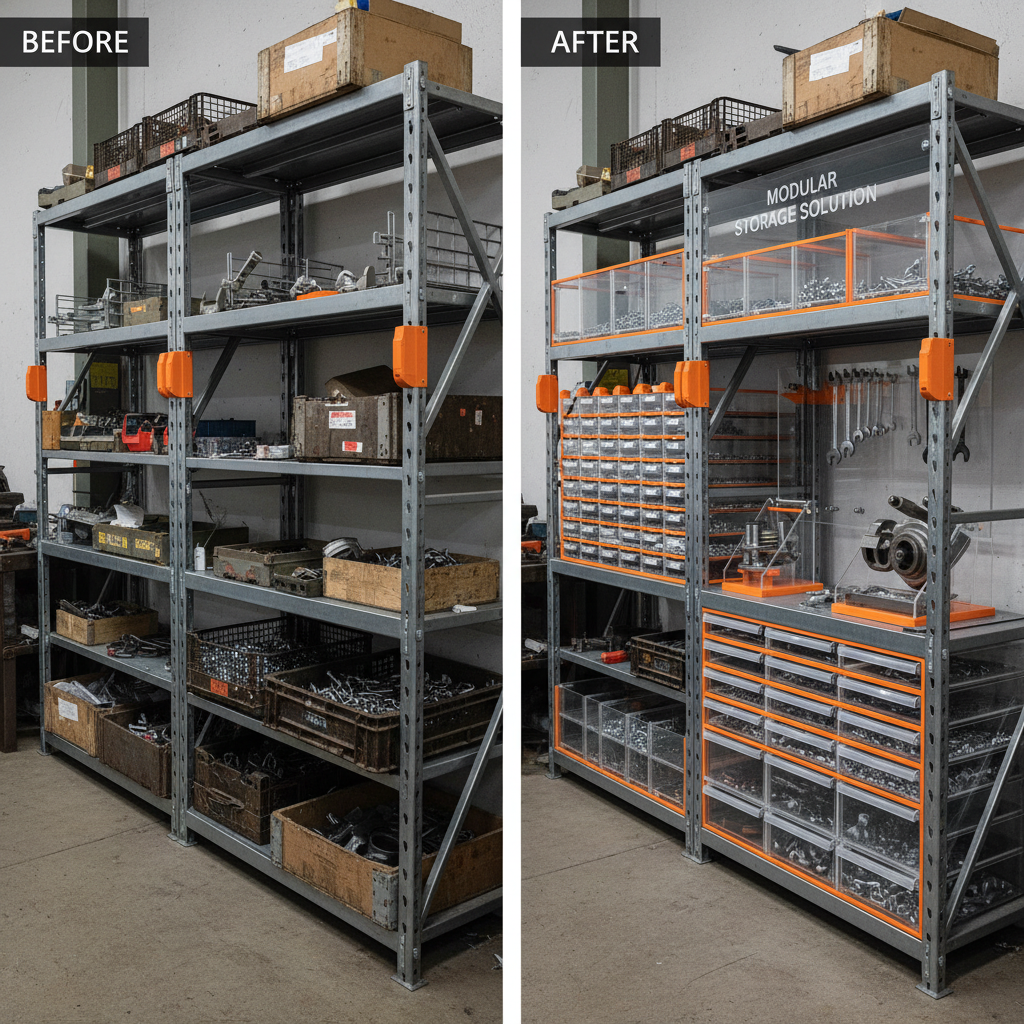
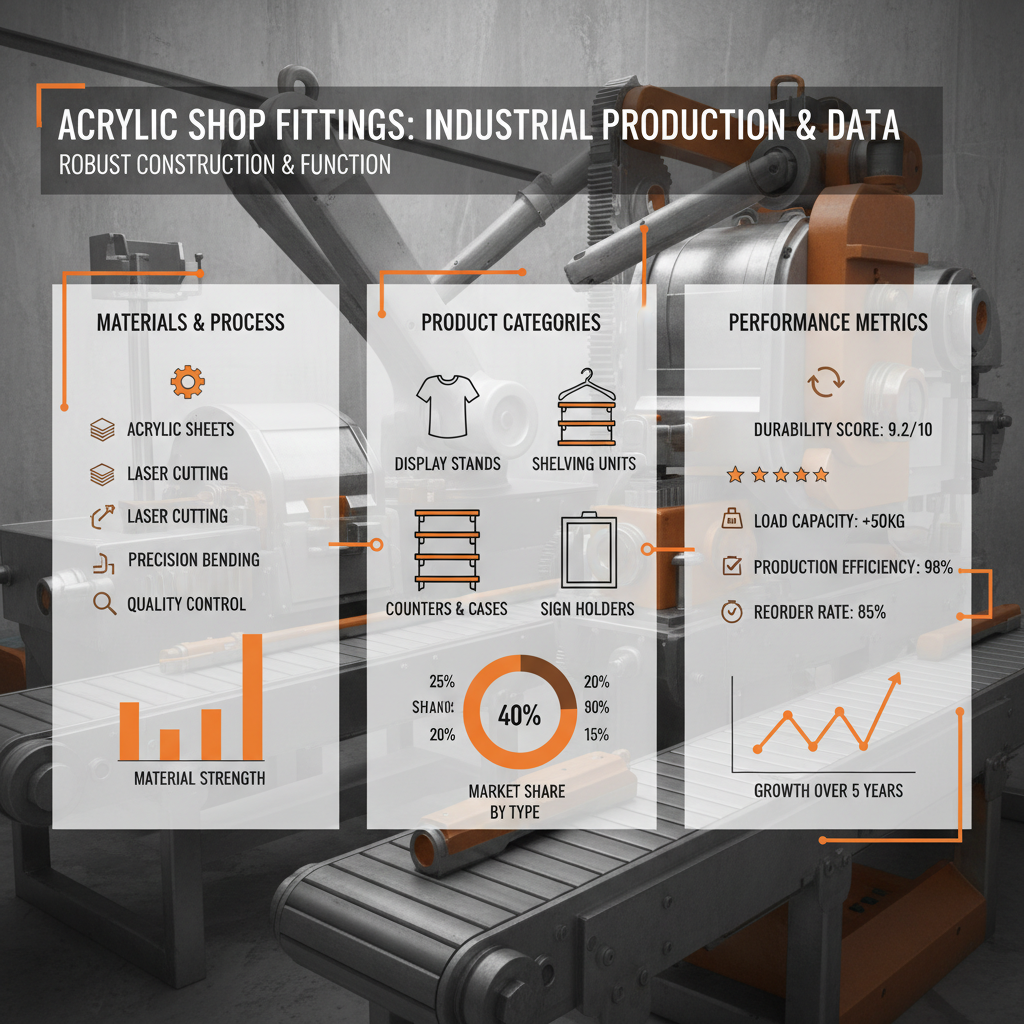
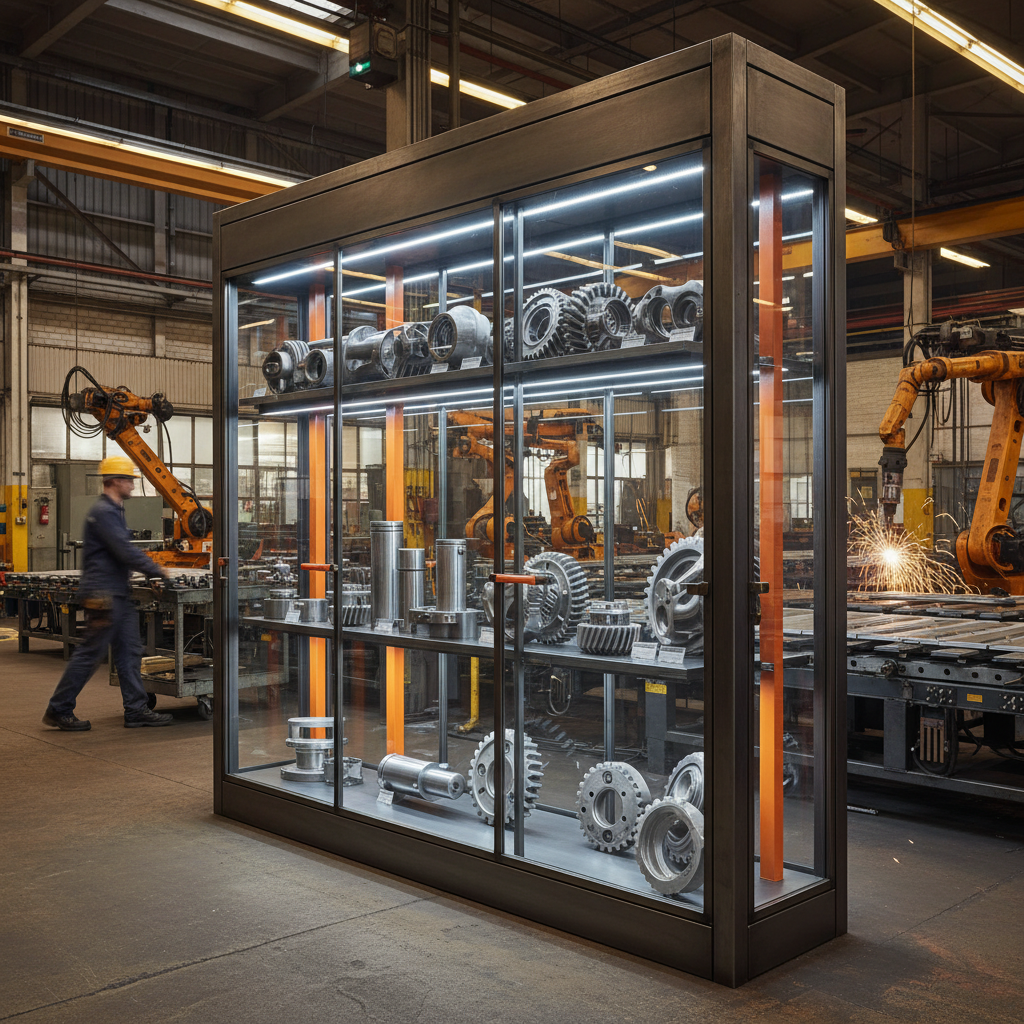
Acrylic shop fittings are revolutionizing retail spaces worldwide, offering a versatile and cost-effective solution for displaying merchandise. Their increasing adoption reflects a growing need for adaptable, visually appealing, and durable display systems. From small boutiques to large department stores, acrylic fittings provide a modern aesthetic and enhance the customer experience, driving sales and brand recognition. Understanding the nuances of these fittings is crucial for retailers seeking to optimize their store layouts and maximize product visibility.
The global market for retail displays, including acrylic shop fittings, is experiencing substantial growth, driven by factors such as the expanding retail sector, evolving consumer preferences, and the rise of visual merchandising. According to recent industry reports, the demand for innovative display solutions is projected to increase significantly in the coming years. This growth underscores the importance of adopting modern display technologies, like those utilizing acrylic, to remain competitive in today's dynamic retail landscape.
Acrylic shop fittings address challenges related to traditional display materials – like glass and metal – by offering a lightweight, shatter-resistant, and customizable alternative. Their affordability and ease of maintenance also contribute to their widespread appeal, making them an ideal choice for businesses of all sizes looking for impactful and practical display solutions.
Introduction to Acrylic Shop Fittings
Acrylic shop fittings offer a compelling blend of aesthetics, functionality, and cost-effectiveness, making them a preferred choice for modern retailers. They are increasingly utilized to create visually striking displays, optimize product presentation, and enhance the overall shopping experience. The ability to customize acrylic fittings to specific brand requirements and store layouts further adds to their popularity.
Beyond aesthetics, acrylic's inherent properties - such as its durability and resistance to breakage – contribute to reduced maintenance costs and increased safety compared to traditional materials like glass. This makes acrylic shop fittings a practical and sustainable solution for businesses looking to create a long-lasting and visually appealing retail environment.
Defining Acrylic Shop Fittings
Acrylic shop fittings encompass a wide range of display components crafted from acrylic (polymethyl methacrylate, or PMMA). These fittings include items like display stands, risers, brochure holders, shelf dividers, cosmetic organizers, and point-of-sale (POS) displays. They're designed to showcase products effectively, attract customer attention, and ultimately drive sales.
The versatility of acrylic allows it to be molded into virtually any shape or size, providing retailers with immense creative freedom. Unlike glass, acrylic is lightweight and shatter-resistant, making it a safer and more practical option for busy retail environments. The material’s clarity, resembling glass, offers excellent product visibility.
These fittings are integral to modern retail design, bridging the gap between functional display and aesthetic appeal. They play a critical role in creating a cohesive brand image and influencing consumer purchasing decisions.
Key Advantages of Acrylic Fittings
One of the most significant advantages of acrylic shop fittings is their durability. Acrylic is remarkably strong and can withstand the rigors of daily use in a retail environment. It is far less prone to shattering or cracking than glass, reducing the risk of accidents and minimizing replacement costs. This inherent robustness translates to a longer lifespan and a better return on investment.
Customizability is another key benefit. Acrylic can be easily molded, cut, and engraved to create bespoke display solutions tailored to specific product requirements and brand aesthetics. This allows retailers to create unique displays that stand out and effectively communicate their brand message. Color options and finishes further enhance the customization possibilities.
Cost-effectiveness makes acrylic fittings accessible to businesses of all sizes. While offering a premium look and feel, acrylic is generally more affordable than glass or metal alternatives. The ease of manufacturing and reduced material waste contribute to lower production costs, which are then passed on to the consumer. Acrylic shop fittings represent a smart investment for retailers looking to maximize their display budget.
Global Applications & Use Cases
Acrylic shop fittings are employed across a wide spectrum of retail sectors globally. In the fashion industry, they are used to display clothing, accessories, and footwear, showcasing items elegantly and attractively. Cosmetics retailers rely on acrylic organizers and displays to present products in a hygienic and visually appealing manner.
The electronics industry utilizes acrylic fittings for showcasing smartphones, tablets, and other gadgets, often incorporating illuminated displays to highlight key features. Jewelry stores utilize acrylic risers and stands to accentuate the brilliance and value of their merchandise. These applications are seen in major retail hubs like New York, London, and Tokyo, as well as emerging markets in Asia and South America.
Even in non-retail settings, acrylic fittings find application. Museums and art galleries use acrylic cases to protect and display artifacts. Trade shows and exhibitions utilize acrylic displays to showcase products and services.
Acrylic Shop Fitting Popularity by Application
Benefits & Long-Term Value
The tangible benefits of adopting acrylic shop fittings extend beyond initial cost savings. Their durability significantly reduces the frequency of replacements, leading to long-term cost efficiency. The material’s resistance to UV degradation ensures that displays maintain their clarity and vibrancy for years, minimizing the need for premature refurbishment.
From a sustainability perspective, acrylic is recyclable, aligning with growing consumer demand for eco-friendly products and practices. The emotional impact of visually appealing displays should not be underestimated. Well-designed acrylic fittings create a positive shopping experience, fostering customer loyalty and brand advocacy.
Future Trends & Innovation
The future of acrylic shop fittings is intertwined with advancements in materials science and digital technology. We’re seeing the emergence of bio-based acrylics, offering a more sustainable alternative to traditional petroleum-based materials. Smart acrylic displays incorporating LED lighting and interactive touchscreens are gaining traction, providing enhanced product information and engaging customer experiences.
Integration with augmented reality (AR) and virtual reality (VR) technologies is also on the horizon, allowing customers to visualize products in their own homes before making a purchase. These innovations promise to revolutionize retail displays, transforming them from static showcases into dynamic and immersive marketing tools.
Challenges & Solutions
While acrylic shop fittings offer numerous benefits, some challenges exist. Acrylic can be susceptible to scratches and requires careful cleaning. Larger acrylic structures may require professional installation to ensure stability and safety.
To mitigate these issues, retailers can utilize acrylic polishes and protective coatings to prevent scratches. Investing in high-quality acrylic and engaging experienced installers are crucial for larger displays. Furthermore, exploring innovative designs that minimize the risk of damage can enhance the longevity and overall value of acrylic fittings.
Continued research and development into more scratch-resistant acrylic formulations will further address this concern, ensuring that acrylic shop fittings remain a durable and reliable display solution for the retail industry.
Summary of Common Challenges and Potential Solutions for Acrylic Shop Fittings
| Challenge |
Severity (1-10) |
Potential Solution |
Implementation Cost (Low/Medium/High) |
| Scratch Susceptibility |
7 |
Acrylic Polish & Protective Coatings |
Low |
| Installation Complexity (Large Structures) |
6 |
Professional Installation Services |
Medium |
| UV Degradation (Long-Term Exposure) |
5 |
UV-Resistant Acrylic Formulations |
Medium |
| Potential for Cracking Under Impact |
4 |
Strategic Design & Reinforced Structures |
Low |
| Cleaning Requirements |
3 |
Microfiber Cloths & Acrylic Cleaners |
Low |
| Environmental Impact (Traditional Acrylic) |
5 |
Utilizing Recycled or Bio-Based Acrylics |
Medium |
FAQS
Acrylic shop fittings offer several advantages over glass, including being significantly lighter, more impact-resistant (less prone to shattering), and more easily customizable. Acrylic is also generally more affordable and allows for greater design flexibility. While glass provides a certain aesthetic appeal, acrylic delivers a comparable look with increased safety and practicality for a retail environment.
To clean acrylic shop fittings effectively, use a soft microfiber cloth and a mild soapy water solution. Avoid abrasive cleaners, harsh chemicals, or scouring pads, as these can scratch or damage the surface. Rinse thoroughly with clean water and dry with a clean, lint-free cloth. For stubborn marks, specialized acrylic cleaning solutions are available.
Yes, acrylic is recyclable. However, not all recycling facilities accept acrylic. It's essential to check with your local recycling center to confirm whether they accept PMMA (polymethyl methacrylate). Some manufacturers also offer take-back programs for recycling acrylic materials, promoting a more sustainable lifecycle for the product.
While acrylic is relatively weather-resistant, prolonged exposure to direct sunlight and extreme temperatures can cause it to become brittle or discolored. For outdoor applications, it’s recommended to use UV-resistant acrylic formulations specifically designed to withstand outdoor conditions. Regular cleaning and maintenance will also help prolong the lifespan of outdoor acrylic fittings.
Acrylic offers extensive customization options. It can be cut, bent, drilled, engraved, and molded into various shapes and sizes. A wide range of colors, finishes (glossy, matte, satin), and thicknesses are available. You can also incorporate logos, graphics, and lighting into acrylic fittings to create unique and branded displays.
The appropriate acrylic thickness depends on the size and weight of the items being displayed, as well as the overall structure of the fitting. For small items and lightweight displays, a thinner acrylic sheet (e.g., 3mm) may suffice. For larger displays or those supporting heavier items, a thicker sheet (e.g., 5mm or 8mm) is recommended to ensure stability and prevent bending or breakage. Consulting with a manufacturer can help determine the optimal thickness for your specific needs.
Conclusion
In conclusion, acrylic shop fittings represent a versatile, cost-effective, and aesthetically pleasing solution for modern retail displays. Their durability, customizability, and increasing sustainability make them a compelling alternative to traditional materials like glass and metal. By embracing these fittings, retailers can enhance product presentation, improve the customer experience, and strengthen their brand image.
As innovation continues to drive the development of new materials and technologies, the future of acrylic shop fittings looks bright. Exploring bio-based acrylics, integrating smart technologies, and embracing sustainable practices will further solidify their position as a leading choice for retailers seeking to create visually impactful and environmentally responsible displays. Visit our website at https://www.chshopdisplay.com to learn more about our range of acrylic shop fitting solutions.