Garment display racks are essential components of the retail landscape, playing a critical role in showcasing merchandise and influencing consumer purchasing decisions. From small boutiques to large department stores, the effective presentation of clothing is paramount to success. Understanding the nuances of garment display rack design, materials, and functionality is therefore vital for retailers seeking to optimize their sales and enhance the customer experience. Globally, the retail sector is a massive economic driver, and effective merchandising, enabled by robust and adaptable display solutions, is a cornerstone of this industry.
The demand for efficient and aesthetically pleasing garment display solutions is constantly evolving, driven by changing fashion trends, space constraints, and the increasing need for flexibility in retail environments. The industry faces the challenge of balancing cost-effectiveness with durability and visual appeal. Furthermore, the rise of fast fashion and the demand for frequent stock rotations necessitate racks that are easily adaptable and can accommodate a diverse range of clothing styles and quantities. This underlines the importance of continually innovating in the garment display rack sector.
Investing in high-quality garment display racks is more than just a logistical decision; it's a strategic investment in brand image and customer engagement. These racks directly impact how customers perceive the merchandise, influencing their willingness to browse, interact with products, and ultimately, make a purchase. A well-designed and maintained display system contributes to a positive shopping environment, fostering brand loyalty and driving revenue growth.
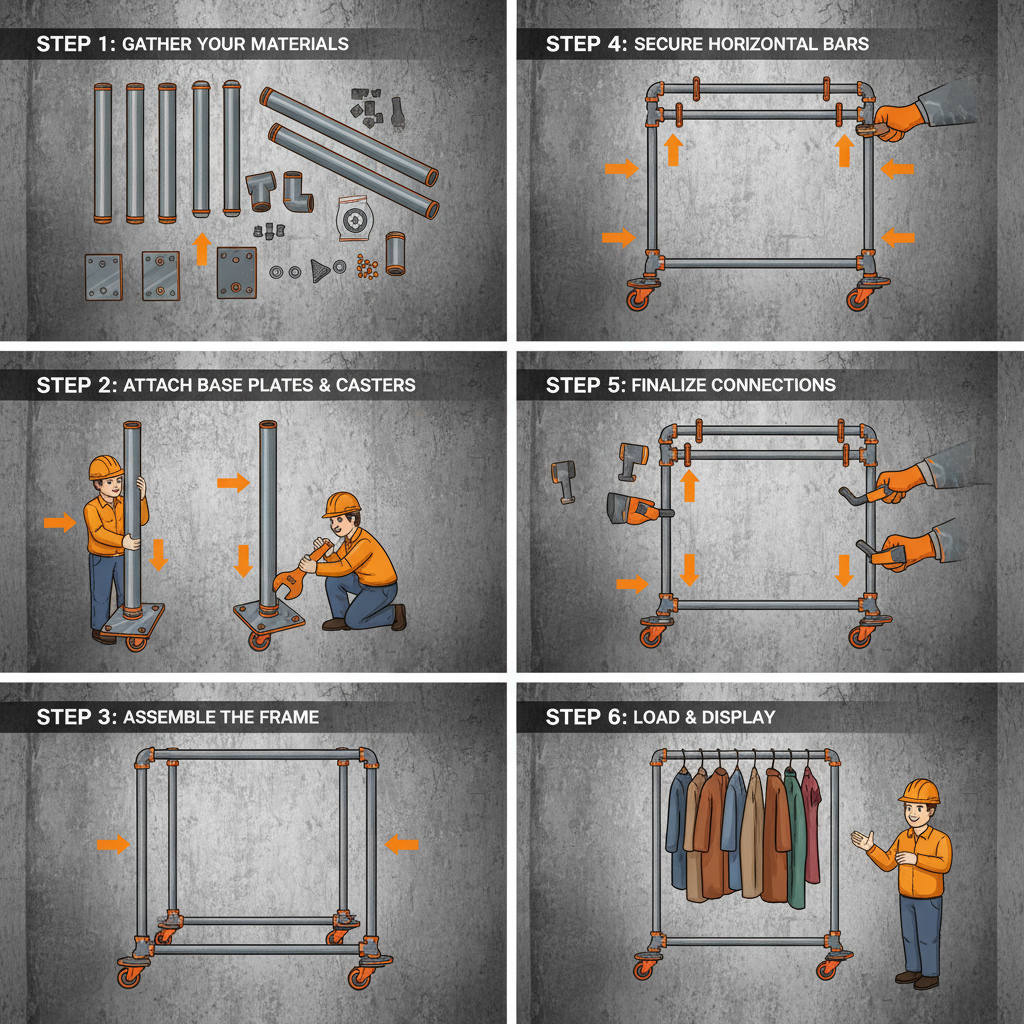

The primary function of a garment display rack is to present clothing in an appealing and accessible manner. However, their importance extends far beyond mere aesthetics. Strategically placed racks can guide customer flow, highlight key merchandise, and ultimately increase sales. The right display system can transform a mundane shopping experience into an engaging and enjoyable one, encouraging customers to spend more time browsing and discovering new items.
Effective garment display rack systems also contribute significantly to store efficiency. They allow for easy organization of inventory, facilitate quick stock replenishment, and minimize clutter. This not only enhances the shopping experience for customers but also streamlines operations for retail staff, freeing up their time to focus on customer service and sales.
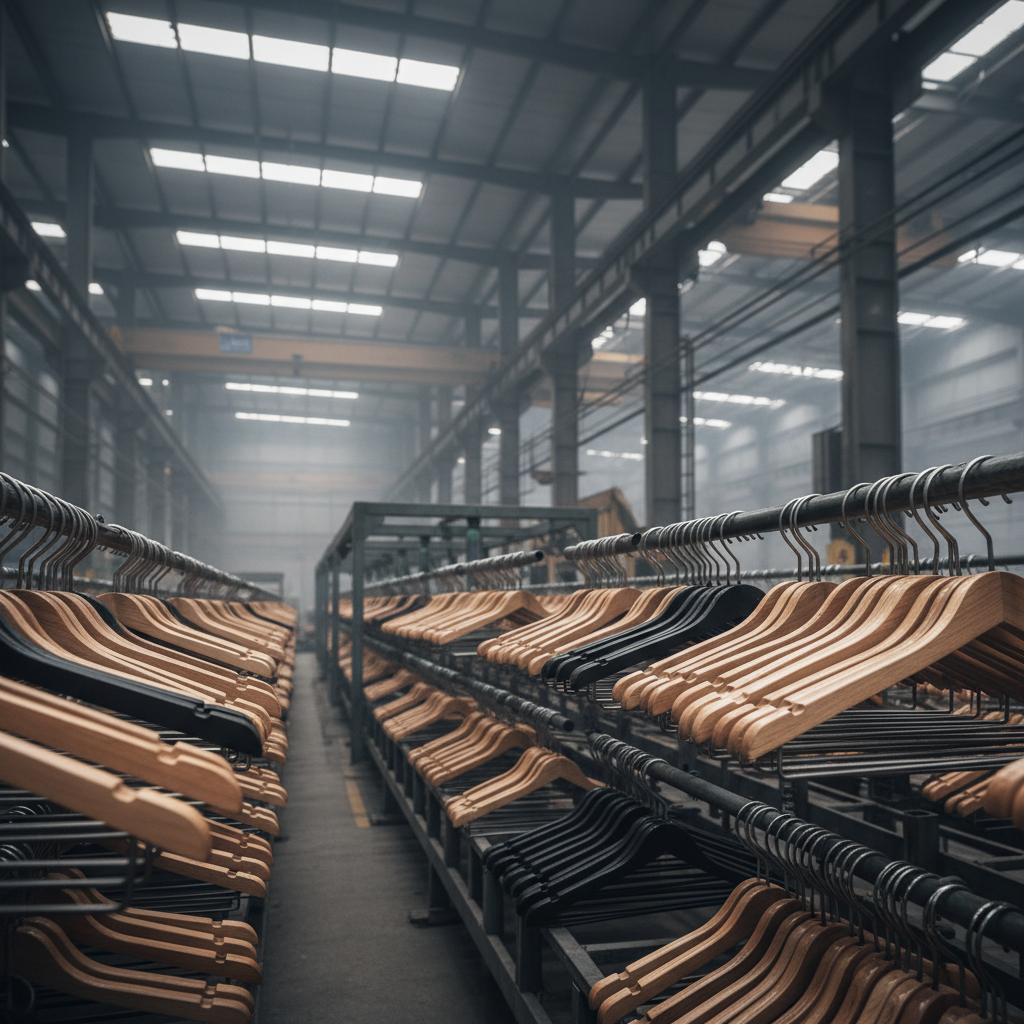
Stainless steel and powder-coated steel are renowned for their exceptional durability and resistance to corrosion and wear. Solid wood, particularly hardwoods, also offers excellent strength and longevity. However, wood may require more maintenance to prevent damage from moisture or pests. Choosing the right material depends on your budget, desired aesthetic, and the expected level of use.
Utilize vertical space by opting for tiered racks or wall-mounted systems. Consider using racks with adjustable height and width settings to accommodate different types of clothing. Narrower racks can also help to maximize floor space. Strategic placement of racks can also create clear pathways and optimize customer flow within your store.
The finish of a garment display rack plays a significant role in its aesthetic appeal and durability. Powder coating provides a durable, scratch-resistant finish in a wide range of colors. Chrome finishes offer a sleek, modern look, while wooden finishes provide a warmer, more traditional aesthetic. Choose a finish that complements your store's overall design and protects the rack from wear and tear.
Delicate fabrics require smooth surfaces to prevent snags. Heavier garments need sturdy racks with a high weight capacity. Consider using padded hangers or racks with rounded edges for fragile items. Adjustable height settings are also useful for accommodating different garment lengths. Always check the weight limit of the rack before displaying heavy items.
Yes, an increasing number of manufacturers offer garment display racks made from recycled materials, such as reclaimed wood or recycled metal. Look for racks with sustainable certifications. Modular systems that can be easily reconfigured and reused also promote sustainability by reducing waste. Prioritizing durable racks that last longer also contributes to a more eco-friendly approach.
Regular maintenance is essential to ensure the longevity and appearance of your garment display racks. Regularly dust and clean the racks to remove dirt and debris. Inspect for any signs of damage, such as loose screws or cracked surfaces, and repair them promptly. For metal racks, apply a protective coating to prevent rust. For wooden racks, reapply a sealant or varnish as needed.
In conclusion, garment display racks are more than just fixtures; they are integral components of a successful retail strategy. Their impact extends beyond aesthetics, influencing customer behavior, store efficiency, and brand image. Selecting the right racks requires careful consideration of factors such as durability, versatility, space constraints, and the type of merchandise being displayed.
Looking ahead, the future of garment display racks will be shaped by sustainability, digital integration, and a growing demand for customizable solutions. Retailers who embrace these trends will be well-positioned to create engaging shopping experiences, optimize their operations, and achieve long-term success. For high-quality and innovative garment display rack solutions, visit our website today: www.chshopdisplay.com.