Store construction, encompassing the rapid deployment and assembly of structures, has become increasingly vital in addressing global challenges. From disaster relief and emergency housing to remote site accommodations and scalable industrial facilities, the demand for efficient and adaptable building solutions is surging worldwide. The ability to quickly establish functional spaces, particularly in areas lacking established infrastructure, offers immediate benefits for communities and industries alike. This need is amplified by factors like climate change, urbanization, and geopolitical instability, fueling innovation and investment in advanced store construction techniques.
The global store construction market is experiencing significant growth, driven by the need for affordable, sustainable, and rapidly deployable buildings. Estimates suggest a market value in the billions, with projections for continued expansion. Organizations like the UN and World Bank are increasingly utilizing modular and prefabricated structures in humanitarian aid efforts, recognizing their efficiency and cost-effectiveness. ISO standards are also evolving to address the unique requirements of these building systems, ensuring quality and safety. However, challenges remain in areas such as permitting, transportation logistics, and local acceptance.
Understanding the intricacies of store construction is paramount for architects, engineers, project managers, and policymakers. It’s not simply about building faster; it’s about building smarter – considering factors like environmental impact, long-term durability, and the specific needs of the end-users. This knowledge is crucial for effectively responding to emergencies, promoting sustainable development, and creating resilient communities. A thorough understanding of this field can significantly impact both economic efficiency and social welfare.
Introduction to store construction
Store construction represents a paradigm shift in how we approach building projects. Moving beyond traditional, on-site construction methods, it prioritizes prefabrication, modularity, and rapid assembly. This approach significantly reduces construction timelines, minimizes waste, and offers greater flexibility in design and deployment. The benefits extend to numerous sectors, including disaster relief, affordable housing, and temporary infrastructure for industrial projects.
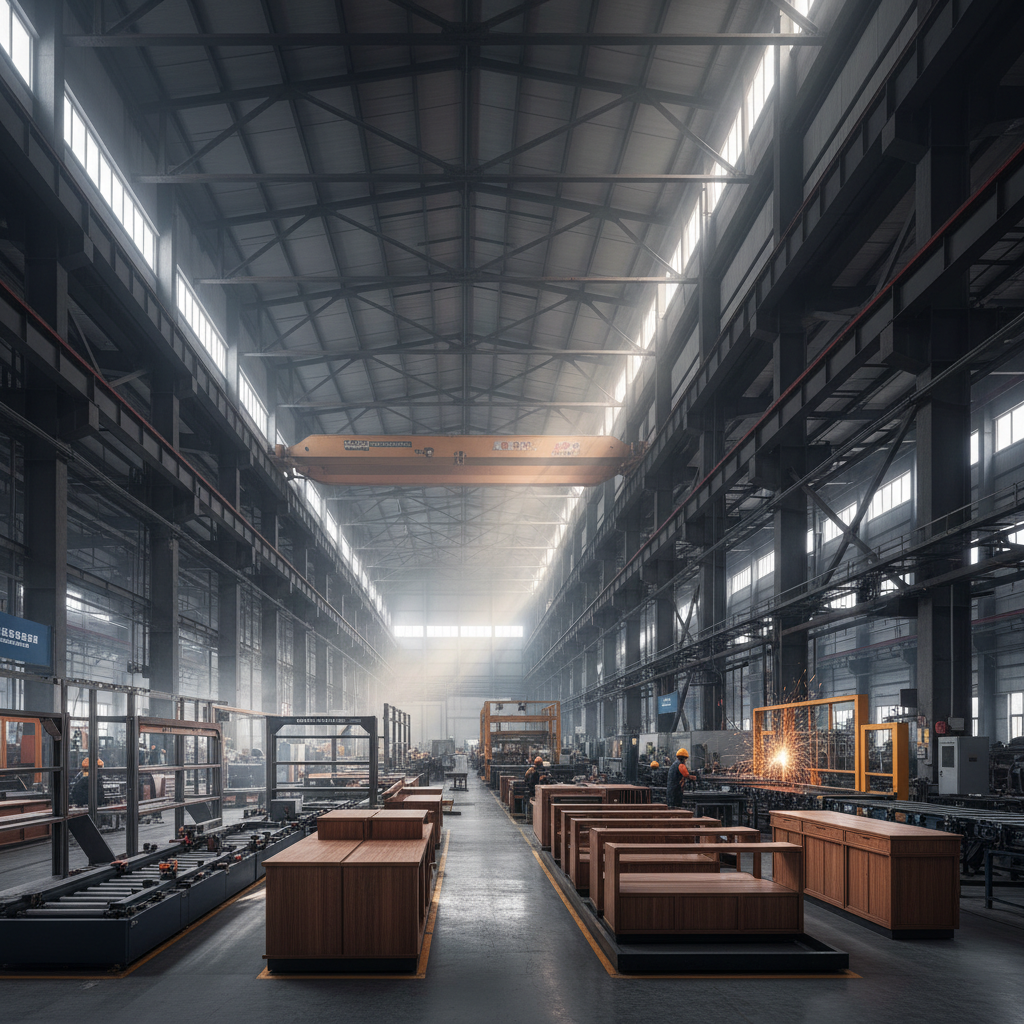
The increasing complexity of modern infrastructure demands innovative solutions like store construction. It allows for the creation of standardized, high-quality structures that can be customized to meet specific needs. Furthermore, the controlled factory environment of prefabrication ensures consistent quality and minimizes the impact of weather-related delays—critical advantages for time-sensitive projects. The impact of store construction is far-reaching, influencing project efficiency and sustainability.
Defining store construction
At its core, store construction involves the assembly of building components—often prefabricated modules—at a final site. Unlike conventional building, where structures are constructed piece-by-piece on location, a substantial portion of the work is completed in a controlled factory setting. This process significantly reduces on-site construction time, labor costs, and material waste. The concept encompasses a range of techniques, from container-based buildings and modular construction to pre-engineered metal buildings.
Store construction is directly connected to modern industrial practices, mirroring the principles of lean manufacturing and just-in-time delivery. The emphasis on standardization and efficiency allows for economies of scale and reduced production costs. Its humanitarian applications are also profound; store construction offers a rapid and effective solution for providing shelter and infrastructure in disaster-affected areas, offering dignity and stability to displaced populations.
The adaptability of store construction means it’s not limited to simple structures. Complex designs, including multi-story buildings and specialized facilities, can be realized using modular and prefabricated components. This versatility, combined with its speed and cost-effectiveness, makes it a compelling alternative to traditional construction methods in a wide range of scenarios.
Core Components of Effective store construction
Effective store construction relies on several key components working in harmony. Durability is paramount, requiring the use of high-quality materials and robust structural designs capable of withstanding various environmental conditions. This is especially critical for applications in disaster-prone areas or remote locations. The selection of materials should prioritize longevity and minimize the need for ongoing maintenance.
Scalability is another crucial element, allowing for the easy expansion or reconfiguration of structures as needs evolve. Modular designs facilitate this process, enabling the addition of new modules or the rearrangement of existing ones without significant disruption. This adaptability is particularly valuable for businesses and organizations experiencing rapid growth or fluctuating demands.
Cost efficiency is a primary driver for adopting store construction methods. By reducing on-site labor costs, minimizing material waste, and accelerating project timelines, substantial savings can be achieved. Furthermore, the controlled factory environment allows for more accurate cost estimation and reduces the risk of unexpected expenses. Transportation and logistics also play a critical role in overall cost.
Key Factors Influencing Store Construction
Several factors significantly impact the success of a store construction project. Design for Deconstruction (DfD) is increasingly important, promoting the reuse and recycling of building components at the end of a structure's life. This aligns with sustainability goals and reduces waste. Careful consideration of material selection, focusing on eco-friendly and locally sourced options, contributes to minimizing the environmental footprint.
Transportation logistics represent a significant challenge, particularly for remote or geographically challenging locations. Efficient planning and coordination are essential to ensure the safe and timely delivery of prefabricated modules. Compliance with local building codes and regulations can also be complex, requiring a thorough understanding of permitting processes and design standards.
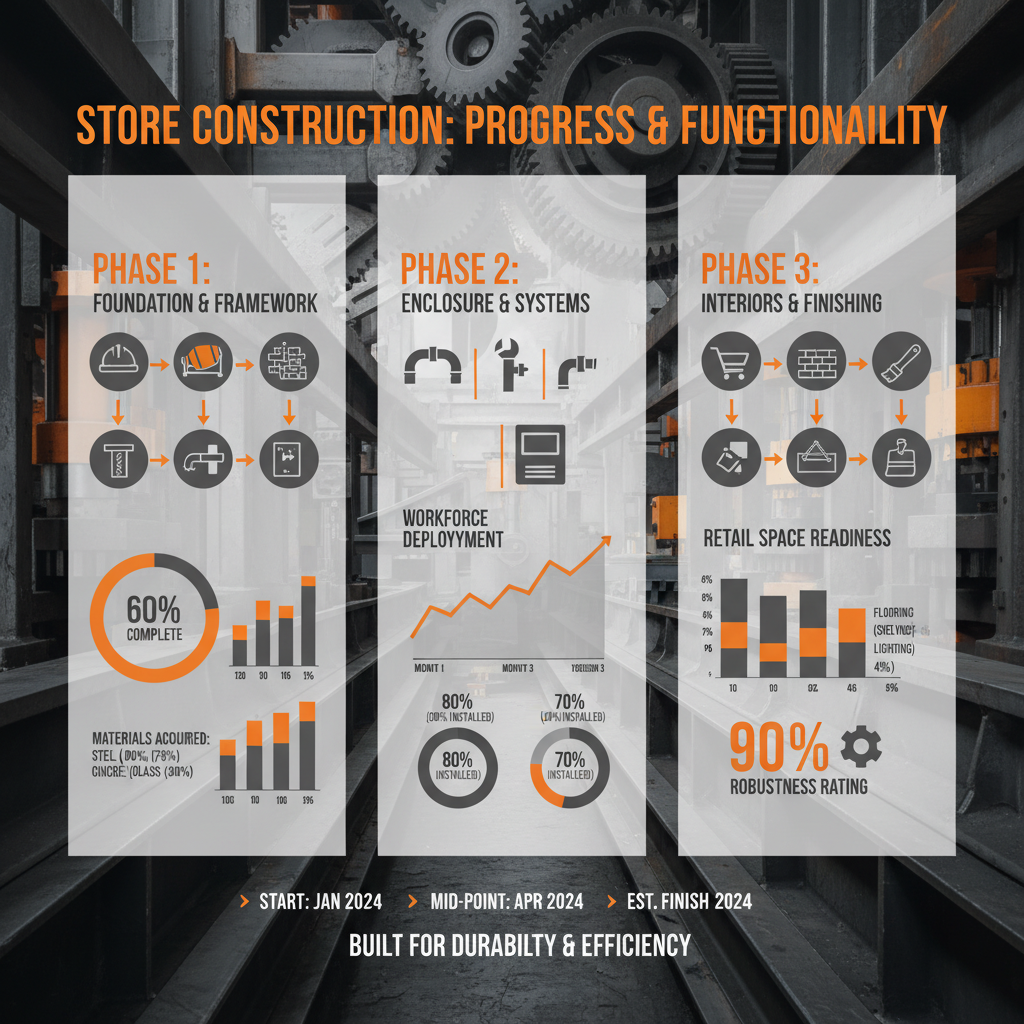
Store Construction Performance Metrics
Global Applications of store construction
The applications of store construction are remarkably diverse. In post-disaster relief operations, rapidly deployable shelters and medical facilities are crucial for providing immediate assistance to affected populations. These structures can be quickly transported and assembled, offering safe and sanitary living conditions. Similarly, in remote industrial zones, store construction provides a cost-effective and efficient solution for establishing worker accommodations and operational facilities.
Across the globe, store construction is being utilized for affordable housing projects, addressing critical housing shortages in urban areas. Modular apartment buildings can be constructed faster and more affordably than traditional housing, offering a viable solution for low-income communities. In regions with harsh climates, prefabricated structures offer superior insulation and weather resistance, providing comfortable and energy-efficient living spaces.
Advantages and Long-Term Value
The benefits of store construction extend far beyond initial cost savings. Sustainability is a major advantage, as prefabricated structures generate less waste and require fewer resources than traditional building. The controlled factory environment allows for precise material usage and the implementation of eco-friendly building practices. The reduced construction time minimizes disruption to surrounding communities and reduces the carbon footprint of the project.
Store construction offers significant social impact, providing safe, dignified, and resilient housing solutions. The quality control inherent in the factory setting ensures that structures meet high safety standards, fostering trust and confidence among residents. Moreover, the speed of construction allows for a faster response to urgent needs, such as emergency housing or disaster relief. This reinforces a sense of security and stability for vulnerable populations.
Future Trends and Innovations in store construction
The future of store construction is brimming with innovation. The integration of digital technologies, such as Building Information Modeling (BIM) and 3D printing, is revolutionizing the design and manufacturing processes. BIM enables precise modeling and coordination of building components, while 3D printing allows for the creation of custom shapes and complex designs. These technologies are driving efficiency and reducing errors.
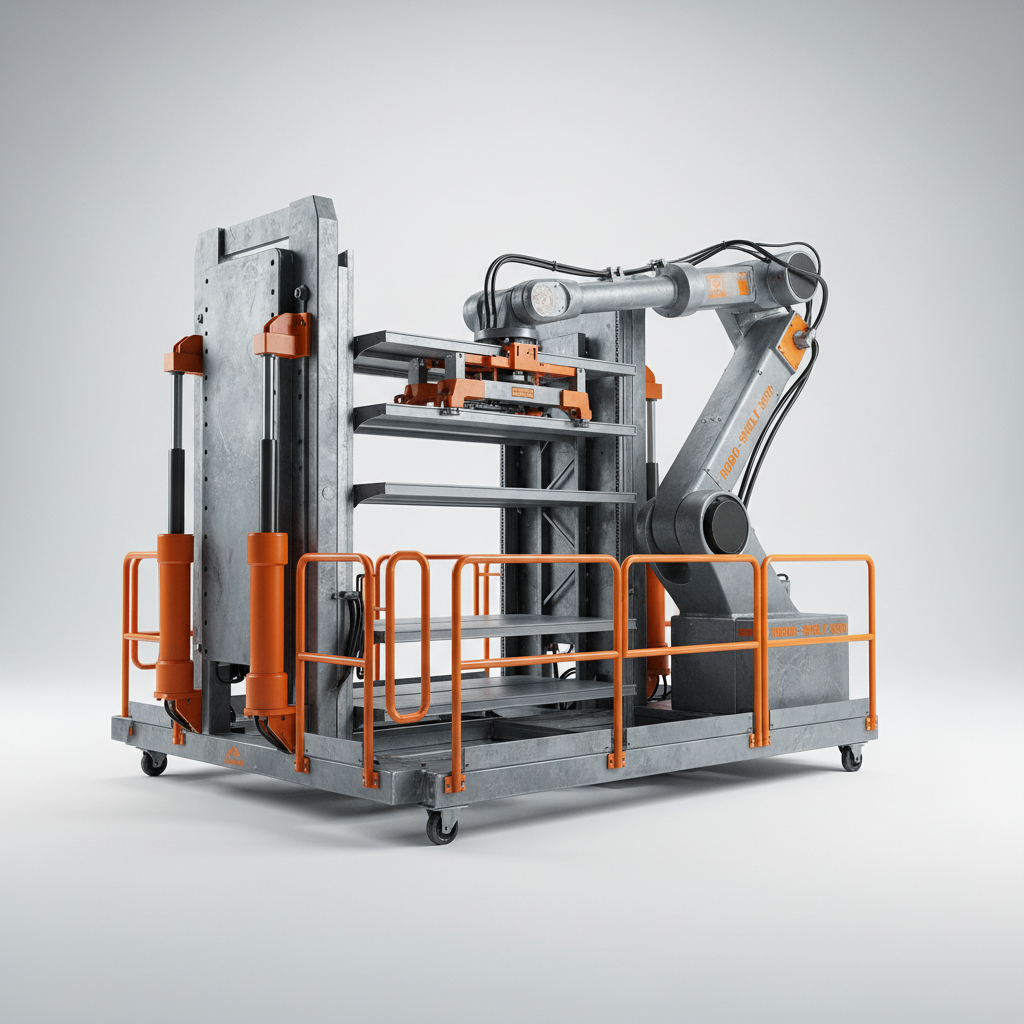
The development of new materials, including sustainable and lightweight composites, is also shaping the industry. These materials offer improved performance, reduced environmental impact, and enhanced design flexibility. Furthermore, the increasing adoption of green energy solutions, such as solar panels and rainwater harvesting systems, is enhancing the sustainability of prefabricated structures. Automation and robotics are also poised to play a larger role in the manufacturing process, further reducing costs and improving quality.
Policy changes are also underway, with governments increasingly recognizing the benefits of store construction and streamlining permitting processes to encourage its adoption. Incentives and tax breaks are being offered to developers who utilize modular and prefabricated building methods, further accelerating the growth of the industry.
Challenges in store construction and potential solutions
Despite its many advantages, store construction faces some persistent challenges. The initial investment in factory infrastructure can be substantial, requiring significant capital outlay. Transportation costs can also be a major factor, especially for large or bulky modules. Furthermore, overcoming resistance from traditional building trades and navigating complex regulatory frameworks can be difficult.
However, innovative solutions are emerging to address these challenges. Collaborative manufacturing models, where multiple companies share factory resources, can reduce initial investment costs. Optimizing transportation logistics through efficient route planning and the use of specialized vehicles can minimize shipping expenses. Advocacy efforts and the development of standardized building codes can help to streamline the permitting process.
The table below outlines these challenges and the corresponding solutions for a clearer understanding of the landscape of store construction.
Overview of Challenges and Solutions in Store Construction
| Challenge |
Impact on Project |
Potential Solution |
Implementation Complexity (1-5) |
| High Initial Factory Costs |
Limits Accessibility |
Collaborative Manufacturing |
3 |
| Transportation Logistics |
Increases Project Costs |
Optimized Routing & Specialized Transport |
4 |
| Regulatory Hurdles |
Delays Project Timelines |
Standardized Building Codes |
5 |
| Traditional Building Resistance |
Slows Adoption Rate |
Education & Demonstration Projects |
2 |
| Material Sourcing |
Impacts Sustainability |
Local & Sustainable Material Procurement |
3 |
| Design Limitations |
Restricts Architectural Freedom |
Advanced Digital Design Tools |
4 |
FAQS
Store construction offers a multitude of advantages, including reduced construction time – often by as much as 50% – and lower overall costs. The controlled factory environment results in higher quality control, less material waste, and minimized disruption to surrounding areas. Furthermore, modular designs allow for greater flexibility and scalability, making it an ideal solution for diverse project requirements. Ultimately, this leads to a more efficient, sustainable, and cost-effective building process.
Store construction inherently promotes sustainability by minimizing material waste through precise manufacturing and reducing on-site pollution. The controlled factory setting allows for the implementation of eco-friendly practices, such as utilizing recycled materials and optimizing energy efficiency. Furthermore, the reduced construction time minimizes the carbon footprint of the project, and the modular design facilitates deconstruction and reuse of components at the end of the building's life cycle.
Absolutely. While traditionally associated with smaller structures, advancements in technology and engineering have made store construction viable for increasingly complex and large-scale projects. Multi-story buildings, hospitals, schools, and even high-rise apartments are now being successfully constructed using modular and prefabricated components. BIM software and advanced manufacturing techniques allow for intricate designs and precise assembly.
Permitting and regulatory compliance can be a significant hurdle, as building codes often haven't fully caught up with the advancements in store construction. Challenges often include obtaining approvals for modular designs, ensuring compliance with local zoning regulations, and navigating inspection processes. However, many jurisdictions are now recognizing the benefits of store construction and streamlining the permitting process to encourage its adoption.
While initial factory setup costs can be significant, store construction often proves more cost-effective overall. Reduced labor costs, minimized material waste, and faster project timelines contribute to substantial savings. The predictability of costs associated with prefabrication also helps to avoid budget overruns. However, transportation costs and site preparation expenses must also be considered in the overall cost analysis.
The lifespan of a structure built using store construction techniques is comparable to, and often exceeds, that of traditionally built structures. With proper design, materials, and maintenance, these buildings can last for decades. The controlled factory environment ensures higher quality construction and reduces the risk of structural defects, contributing to long-term durability. Regular inspections and preventative maintenance are crucial for maximizing lifespan.
Conclusion
Store construction represents a transformative approach to building, offering significant advantages in terms of speed, cost-effectiveness, sustainability, and quality. From addressing urgent needs in disaster relief to tackling affordable housing shortages, its applications are diverse and far-reaching. Embracing this innovative methodology is vital for meeting the evolving demands of a rapidly changing world and building a more resilient and sustainable future.
Looking ahead, the continued integration of digital technologies, the development of new materials, and the adoption of more streamlined regulatory frameworks will further accelerate the growth of store construction. By prioritizing collaboration, innovation, and sustainability, we can unlock the full potential of this revolutionary building technique and create a better built environment for all. Visit our website at store construction to explore how we can help bring your project to life.