In the rapidly evolving landscape of retail and visual communication, holographic projection has emerged as a transformative force, bridging the gap between physical storefronts and digital experiences. By utilizing advanced light manipulation, businesses can now present products in a three-dimensional space without the need for bulky physical prototypes, creating an ethereal allure that captures consumer attention instantly.
The global shift toward "phygital" retail—the blending of physical and digital environments—has made the adoption of 3D visualization a strategic necessity rather than a luxury. From high-end cosmetics stores to electronics showrooms, the ability to project a rotating, floating image of a product allows brands to demonstrate complex features and intricate designs that a traditional static display simply cannot convey.
Understanding the technical nuances and commercial applications of this technology is essential for any store owner looking to scale their visual identity. By integrating holographic projection into store design, retailers can reduce inventory overhead while simultaneously increasing dwell time and conversion rates through immersive, educational storytelling.
The Global Impact of Holographic Projection in Retail
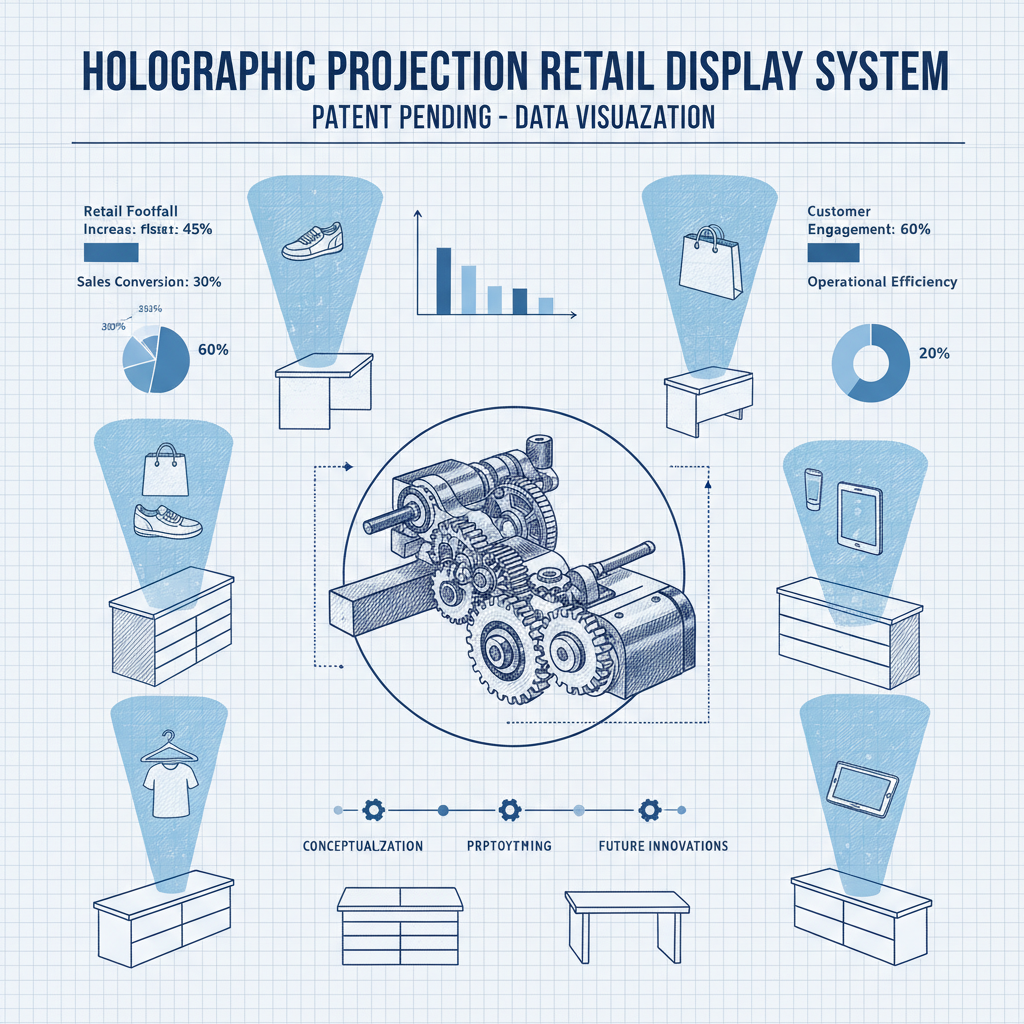
The adoption of holographic projection on a global scale reflects a broader trend toward the digitalization of physical spaces. According to emerging market data, stores that integrate interactive 3D displays see a significant uptick in foot traffic, as the novelty and visual stimulation act as a powerful magnet for pedestrians. This is particularly evident in tech-forward hubs like Tokyo, Seoul, and New York, where the competition for visual attention is fierce.
Beyond simple attraction, these systems address the critical challenge of space optimization. In dense urban retail environments where square footage is expensive, a single holographic unit can showcase an entire product line—from various colors of a sneaker to different models of a smartphone—without requiring a massive physical footprint or expansive wall bays.
Defining Holographic Projection and Its Mechanics
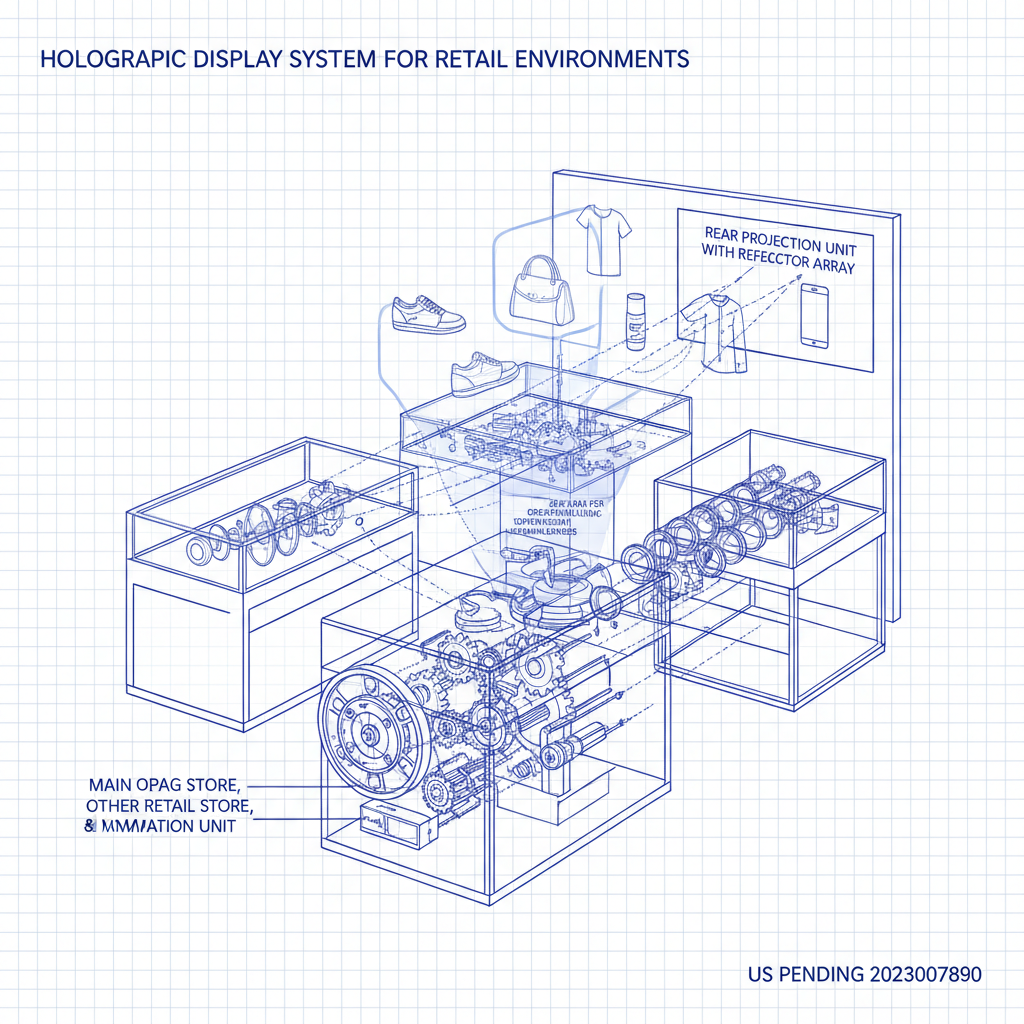
At its core, holographic projection is the process of creating a three-dimensional image that appears to float in mid-air, allowing viewers to see the object from multiple angles without the need for specialized eyewear. Unlike standard 2D screens, this technology manipulates light—often through the use of high-resolution LEDs and specialized reflective surfaces or prisms—to trick the human eye into perceiving depth and volume.
In the context of modern shop fittings, this means that a display counter is no longer just a piece of furniture; it becomes a dynamic stage. By integrating projection hardware into display tables or racks, the product becomes the hero of an augmented reality experience, blending the tangible feel of a store with the flexibility of digital media.
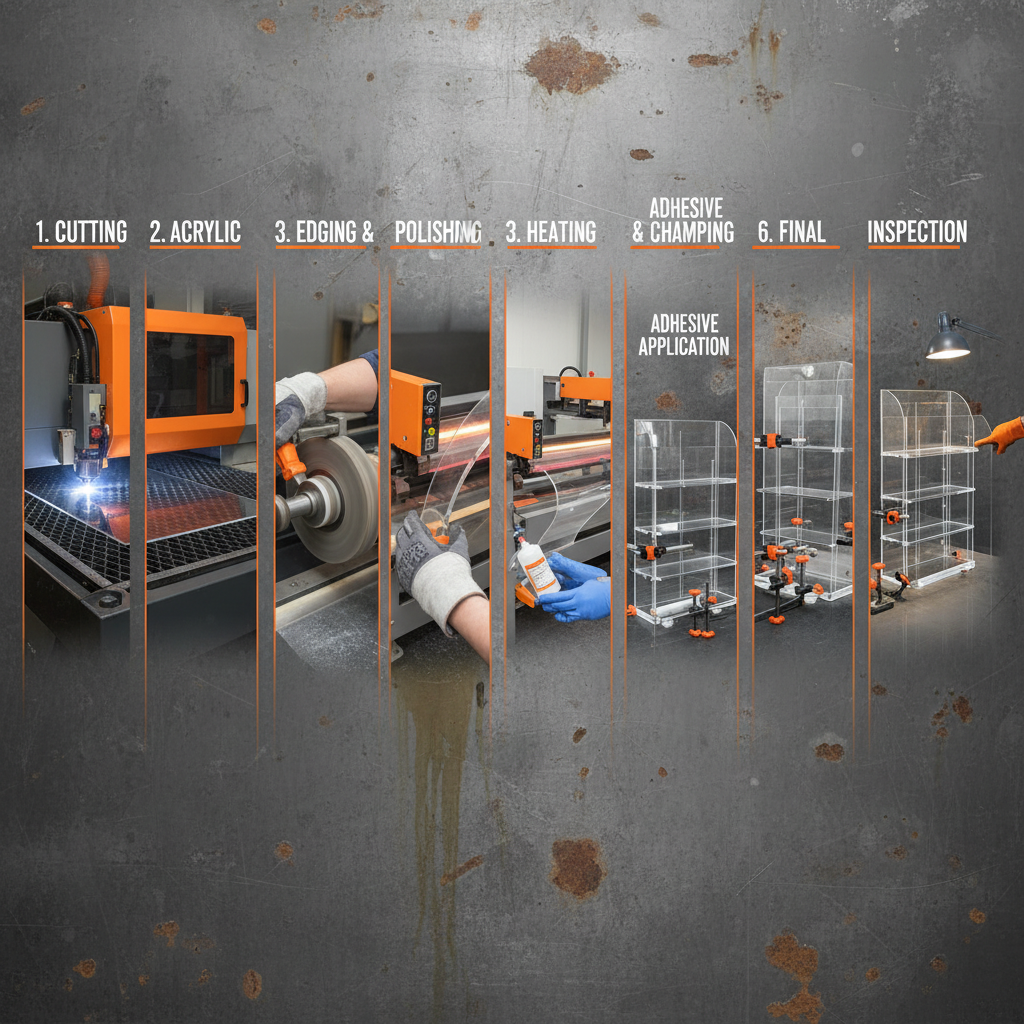
This synergy between art and engineering is what defines the "craft" in the manufacturing of these systems. It is not merely about the hardware, but about how the light interacts with the surrounding environment to ensure the projection remains crisp, vibrant, and believable, regardless of the ambient lighting in a retail store.
Core Components of High-Efficiency Holograms
The effectiveness of a holographic projection system depends heavily on the quality of the light source. High-lumens projectors or precision-engineered LED fans are required to ensure that the image does not wash out under the bright fluorescent lights common in cosmetics or electronics stores.
Scalability is another crucial factor. A professional system must allow store managers to update content remotely and seamlessly. Whether it is a seasonal promotion for a clothing store or a new product launch for a gadget shop, the ability to swap 3D assets via a cloud-based interface ensures the display remains relevant and engaging.
Finally, the integration with physical shop fittings—such as custom-built display stands—provides the necessary structural support and optimal viewing angles. The marriage of high-grade acrylics and optical glass ensures that the light is refracted correctly, maximizing the 3D effect for the customer.
Performance Metrics for Different Projection Methods
When choosing a holographic solution, businesses must evaluate various methods based on their specific environment. Some prefer the "Pepper's Ghost" technique for its stability and luxury feel in jewelry stores, while others opt for holographic LED fans for their high impact and portability in high-traffic malls.
Comparing these methods involves analyzing parameters such as brightness, viewing angle, and ease of installation. The following data illustrates how different holographic projection technologies perform across key commercial requirements.
Comparative Analysis of Holographic Projection Technologies
Global Applications Across Diverse Store Types
In the electronics and cell phone sector, holographic projection is used to "explode" a device in mid-air, showing the internal circuitry and processor power in a way that is visually stunning and educational. This reduces the need for multiple dummy units and allows the salesperson to guide the customer through a digital tour of the hardware.
Conversely, in fashion and apparel stores, these projections can be used to showcase a garment's movement on a virtual model, allowing customers to see how a fabric drapes and flows without the need for a physical runway. This integration into wall bays and display racks transforms the shopping experience from a passive search into an active discovery.
Long-Term Value and Sustainable Innovation
The long-term value of investing in holographic projection lies in its contribution to sustainability. By replacing physical prototypes—which often end up in landfills after a season—with digital 3D assets, brands significantly reduce their material waste and carbon footprint associated with shipping physical samples.
Moreover, the emotional impact on the consumer builds a deeper sense of trust and innovation. When a brand utilizes cutting-edge visual technology, it signals a commitment to progress and quality, enhancing the perceived value of the products being sold. It moves the retail interaction from a transaction to an experience.
Reliability is also a key driver. Modern holographic units are designed for 24/7 operation with low energy consumption, ensuring that the "wow factor" remains consistent throughout business hours without adding significant overhead to utility costs.
Future Trends in 3D Visual Merchandising
Looking ahead, the integration of Artificial Intelligence (AI) with holographic projection will enable hyper-personalized shopping. Imagine a display stand that recognizes a customer's preferences via a mobile app and instantly projects a 3D version of a product tailored to their size, color preference, or previous purchase history.
We are also seeing a move toward "haptic holograms," where ultrasound waves are used to create a sensation of touch in mid-air. This would allow a customer in a cosmetics store to "feel" the texture of a product or a shoe store customer to sense the material of a bag, all within a projected holographic field.
The digital transformation of the retail sector will likely lead to a standard where every store design incorporates an interactive holographic element. As the cost of hardware drops and the quality of 3D rendering improves, these systems will become as common as digital signage is today.
Analysis of Future Holographic Implementation Strategies
|
Implementation Level
|
Primary Technology
|
Expected Engagement Increase
|
Sustainability Impact
|
| Entry Level |
LED Hologram Fan |
20-30% |
Low Waste |
| Mid-Tier |
Pyramid Prism Display |
40-50% |
Moderate |
| Premium |
Custom Pepper's Ghost |
60-70% |
High Efficiency |
| Enterprise |
Transparent OLED Walls |
80%+ |
Optimal |
| Experimental |
Haptic Laser Projection |
Unknown (High) |
Eco-Transformative |
| Integrated |
AI-Driven Mixed Reality |
90%+ |
Circular Economy |
FAQS
A true hologram is created using laser interference to record a light field. In a commercial retail context, "holographic projection" usually refers to the illusion of a 3D image created via high-speed LEDs or reflections (like the Pepper's Ghost effect). These projection methods are more cost-effective and scalable for store displays while providing a nearly identical visual experience for the consumer.
Standard holographic fans and projectors can struggle with direct sunlight due to washout. However, by using high-brightness LED technology and specialized optical enclosures (such as darkened glass or high-contrast acrylics) integrated into your display counters, the image can remain visible. For outdoor use, we recommend high-nit transparent OLED screens.
Modern systems are designed for ease of use. Most utilize a cloud-based CMS (Content Management System) where you can upload a 3D file (like .obj or .mp4) and push it to all your displays globally in seconds. This allows for agile marketing campaigns, such as changing the projected product to match a holiday theme or a flash sale.
Yes. While large-scale installations are expensive, entry-level solutions like holographic LED fans are very affordable. These can be integrated into existing display racks or stands to provide a high-tech feel without a massive investment, making it accessible for small businesses looking to differentiate themselves from competitors.
To get the best results, 3D modeling software like Blender or Maya is used to create assets with a black background, which becomes "invisible" during projection. However, many providers offer design services or template libraries, allowing store owners to simply provide images or videos that are then converted into holographic-ready content.
It improves conversion by reducing the "imagination gap." When a customer can see a 360-degree, floating view of a product, they gain a better understanding of its dimensions and aesthetics. This interactive experience increases confidence in the purchase and creates a memorable brand association that encourages return visits.
Conclusion
The integration of holographic projection into retail and exhibition spaces represents more than just a visual upgrade; it is a strategic shift toward more sustainable, engaging, and space-efficient merchandising. By blending high-precision manufacturing of shop fittings with cutting-edge optical technology, businesses can create immersive environments that capture the modern consumer's fleeting attention and transform it into lasting brand loyalty.
As we move toward an era of AI-driven personalization and haptic interactions, the brands that embrace these 3D visual tools today will be the ones leading the market tomorrow. We encourage retailers to explore how augmented displays can redefine their customer journey and operational efficiency. Visit our website to discover more: www.chshopdisplay.com