In the competitive landscape of modern retail and visual merchandising, the lighting box has evolved from a simple illuminated sign into a strategic tool for brand storytelling. By blending artistic craftsmanship with precise lighting engineering, these displays capture consumer attention in crowded environments, transforming static product presentations into dynamic visual experiences.
The global demand for high-quality illuminated displays is driven by the need for better visibility and the psychology of light in consumer behavior. Whether it is a high-end cosmetics store or a tech-heavy electronics hub, a well-implemented lighting box serves as a silent salesperson, guiding the customer's eye toward key promotions and enhancing the perceived value of the merchandise.
Understanding the technical nuances of luminosity, material durability, and energy efficiency is crucial for business owners looking to optimize their store design. This comprehensive guide explores how the right lighting box integration can lead to higher conversion rates and a more professional brand image across various retail sectors.
Global Context of the Lighting Box Industry
The global visual communication market has seen a significant shift toward integrated lighting solutions. According to industry trends aligned with ISO quality standards for signage, the adoption of LED-based lighting box systems has grown exponentially as businesses move away from traditional fluorescent tubes. This transition is not merely aesthetic but is driven by a global push for energy efficiency and reduced carbon footprints in commercial spaces.
The primary challenge facing modern retailers is "visual noise." With the saturation of digital screens, there is a renewed appreciation for the tactile and atmospheric quality of a physical lighting box. By providing a controlled, high-contrast glow, these units bridge the gap between digital brilliance and physical presence, ensuring that key brand messages are not lost in the chaos of a busy shopping mall or store.
Technical Definition and Industrial Meaning
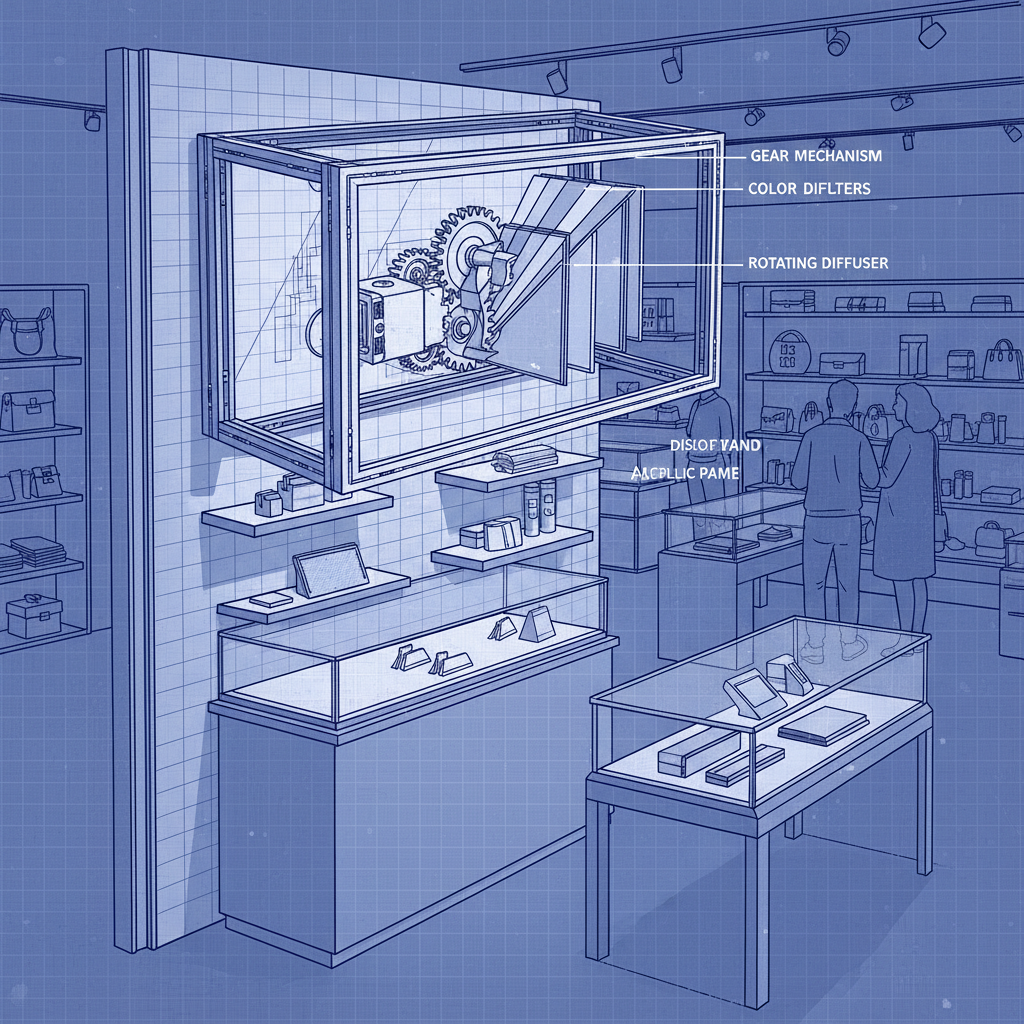
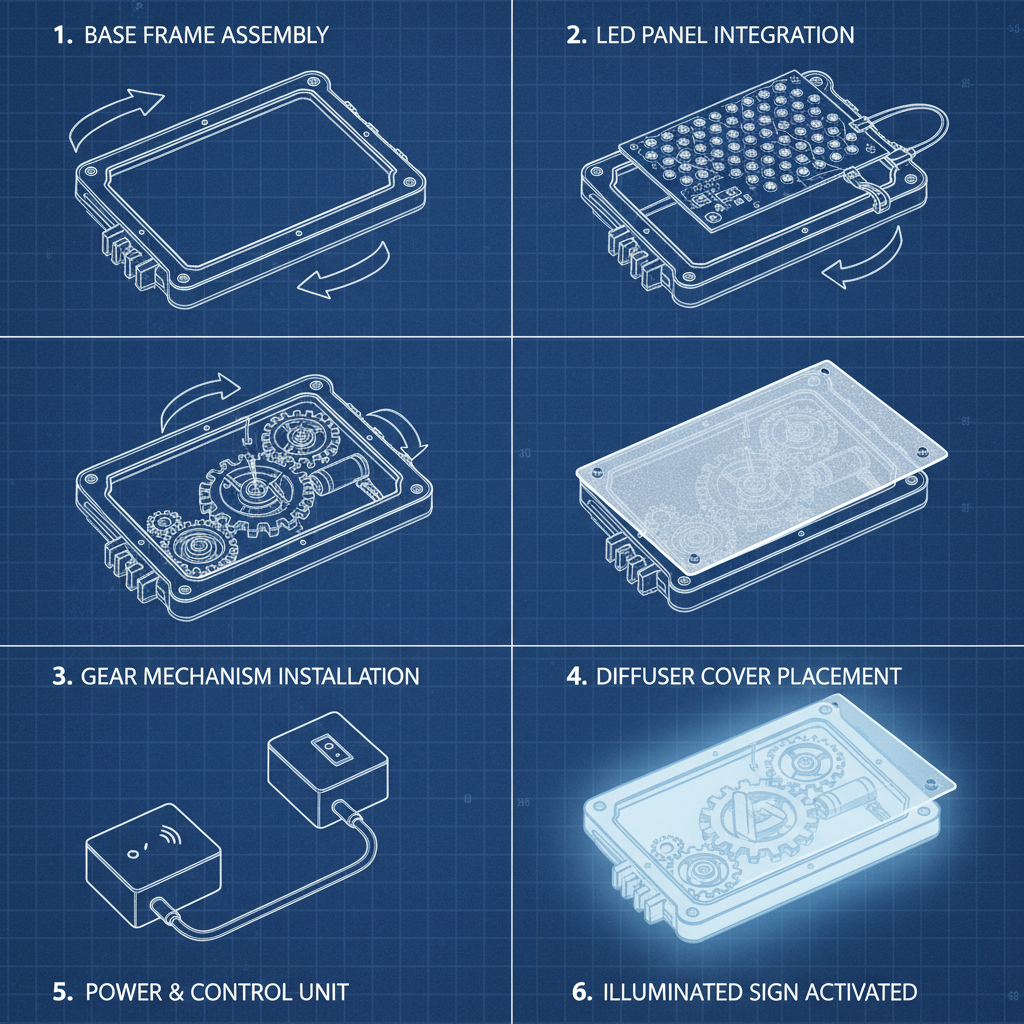
At its core, a lighting box is a backlit display unit designed to illuminate a graphic or product from within. It typically consists of a light source (usually LED strips or panels), a diffuser to ensure even light distribution, and a frame that houses the promotional artwork. In the context of professional shop fittings, it is an essential component of a "visual hierarchy," directing the customer's gaze toward high-margin items.
Beyond the basic definition, these systems represent a intersection of electrical engineering and industrial art. The goal is to achieve "perfect diffusion"—a state where there are no "hot spots" (visible dots of light) and the brightness is uniform across the entire surface. This technical precision is what separates a professional-grade lighting box from a generic lightbox, directly impacting how customers perceive the quality of the brand.
In modern humanitarian and industrial contexts, the concept of the illuminated box has also expanded into safety signage and instructional displays in remote zones. The ability to provide clear, bright information regardless of ambient light levels makes the lighting box a critical tool for communication in environments where traditional lighting is insufficient or unreliable.
Core Components for Maximum Visual Impact
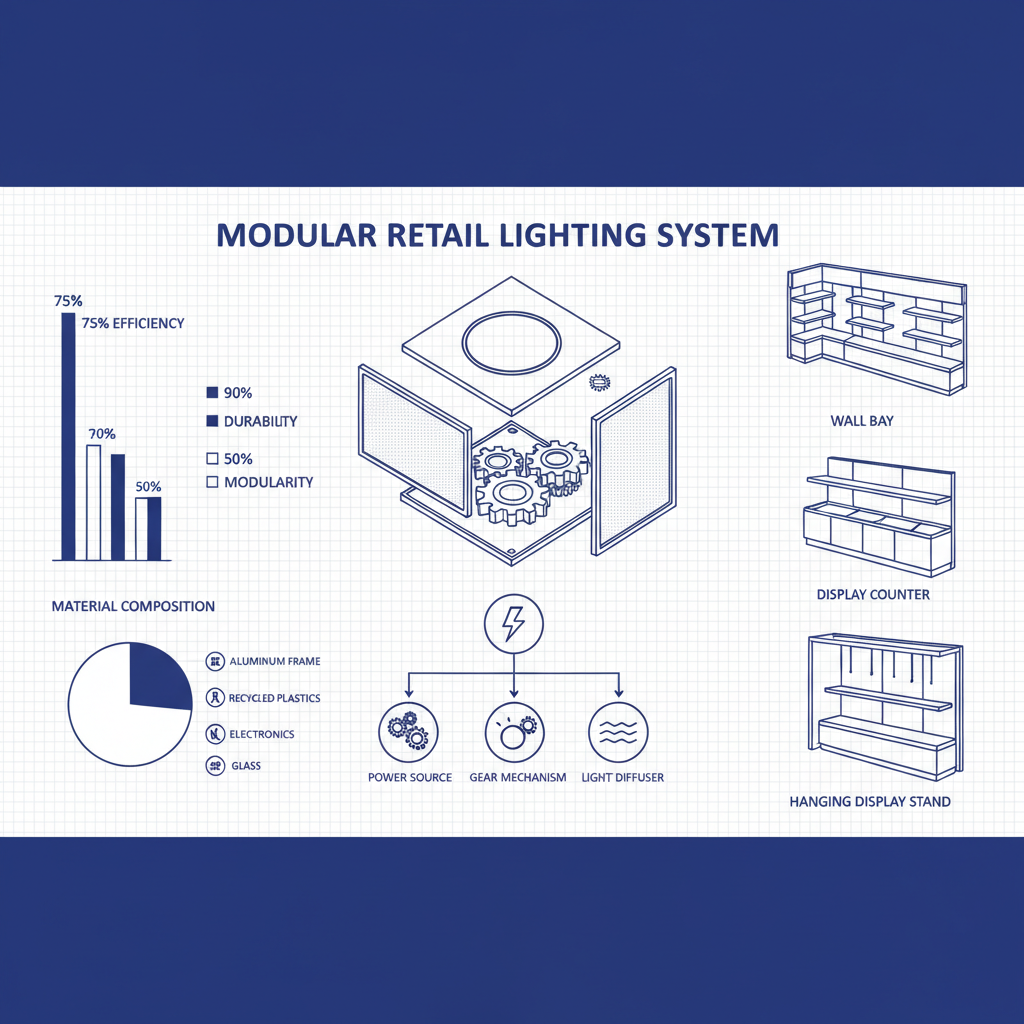
The durability of a lighting box depends heavily on the frame material. High-grade aluminum alloys are preferred for their strength-to-weight ratio and resistance to corrosion, ensuring that the display remains structurally sound even in high-traffic areas like cosmetics stores or electronics shops.
Light uniformity is achieved through advanced diffusion technology. A professional lighting box utilizes acrylic or polycarbonate diffusers that scatter the LED light, preventing glare and ensuring that the colors of the printed graphic are reproduced accurately and vividly.
Energy scalability is the final pillar of a modern system. By integrating smart drivers and dimmable LEDs, a lighting box can be adjusted based on the time of day or the specific lighting conditions of the store, reducing operational costs while maintaining a premium look.
Performance Metrics of Different Display Types
When choosing between different lighting box configurations, it is essential to look at empirical data regarding brightness, power consumption, and ease of graphic replacement. Different retail environments require different specifications; for instance, a window display needs higher lumens to compete with sunlight, whereas an indoor display counter requires a softer, more inviting glow.
The following analysis compares common lighting box methods based on their overall efficiency and visual appeal, providing a benchmark for store designers to make informed decisions.
Comparison of Lighting Box Performance Methods
Real-World Applications Across Retail Sectors
In the cosmetics and apparel industry, the lighting box is often used as a focal point for seasonal launches. By placing a backlit graphic behind a display table or integrating it into a wall bay, brands can create an immersive atmosphere that emphasizes the texture and color of their products. For instance, a high-contrast lighting box can make lipstick shades appear more vibrant, directly influencing a customer's purchase decision.
Electronics and phone stores utilize these units to highlight technical specifications through "feature boxes." A slim lighting box positioned next to a new smartphone model allows the retailer to display high-resolution renders of the internal hardware, effectively communicating complex technical data in a visually appealing manner that attracts the tech-savvy consumer.
Long-Term Value and Sustainability Benefits
The long-term value of investing in a high-quality lighting box extends beyond initial sales increases. Sustainability has become a core commercial driver; by utilizing energy-efficient LED technology, businesses can reduce their electricity costs by up to 70% compared to older backlit systems. This not only improves the bottom line but also aligns the brand with global green energy initiatives.
Reliability is another critical factor. A professionally manufactured lighting box is designed for 24/7 operation without overheating or dimming over time. This consistency builds consumer trust, as a flickering or dim sign can subconsciously signal a lack of professionalism or instability in the brand's operations.
Furthermore, the emotional impact of light cannot be understated. Soft, warm illumination in a luxury shoe and bag store evokes a sense of exclusivity and dignity, while bright, cool light in a sports store suggests energy and innovation. The versatility of the lighting box allows brands to pivot their emotional messaging simply by changing the graphic and adjusting the light temperature.
Future Trends in Illuminated Merchandising
The future of the lighting box is trending toward "Phygital" integration—the blending of physical hardware with digital intelligence. We are seeing the rise of smart lighting boxes that can change color or intensity based on real-time data, such as the number of people passing by or the current weather outside the store.
Material innovation is also playing a huge role. The shift toward biodegradable diffusers and recycled aluminum frames is making the lighting box more eco-friendly. Additionally, the integration of ultra-thin OLED panels is allowing for displays that are only a few millimeters thick, enabling them to be integrated into surfaces where traditional boxes were too bulky.
Automation in graphic replacement is the next frontier. Magnetic "snap-in" systems and motorized fabric rollers are reducing the labor cost associated with updating promotional content. This allows retailers to implement "hyper-local" marketing, where the lighting box content is updated daily to reflect local trends or stock levels.
Core Technical and Market Analysis of Lighting Box Variants
|
Box Type
|
Luminous Efficiency
|
Installation Complexity
|
Maintenance Cycle
|
|
Slim LED Panel
|
High (9/10)
|
Low
|
24 Months
|
|
Fabric SEG Box
|
Very High (10/10)
|
Medium
|
12 Months (Fabric)
|
|
Acrylic Vacuum
|
Medium (7/10)
|
Low
|
36 Months
|
|
Double-Sided Totem
|
High (8/10)
|
High
|
24 Months
|
|
Wall Bay Integrated
|
Medium (6/10)
|
Very High
|
48 Months
|
|
Custom Art Box
|
Variable (7/10)
|
Medium
|
18 Months
|
FAQS
The ideal brightness depends on the ambient light of your environment. For window displays exposed to direct sunlight, you need high-intensity LEDs (typically over 5000 lux) to prevent the image from looking washed out. For indoor retail counters, a softer range (2000-3000 lux) is preferable to avoid blinding customers while still drawing attention to the product. We recommend testing samples in your specific store location before a full rollout.
Yes, modern LED-based lighting boxes are designed specifically for long-term operational efficiency. Compared to traditional fluorescent tubes, they consume significantly less power and generate far less heat, which also reduces the load on your store's air conditioning system. When paired with an automatic timer or a motion sensor, the cost of running a lighting box 24/7 becomes negligible compared to the increase in brand visibility.
The "best" material depends on your update frequency. For high-end, long-term displays, backlit acrylic is the gold standard for clarity and durability. For brands that change promotions weekly, SEG (Silicone Edge Graphics) fabric is the best choice; it is lightweight, easy to snap into the frame, and provides a matte finish that eliminates reflections, making the image visible from all angles.
Absolutely. Professional lighting boxes are highly modular. They can be recessed into wall bays, built into display tables, or suspended from ceilings. During the store design phase, we can coordinate the electrical wiring and frame dimensions to ensure the lighting box feels like a natural architectural element of the store rather than an afterthought, enhancing the overall flow of the customer journey.
Uneven lighting is usually caused by a gap that is too small between the LED source and the diffuser. To prevent this, we use a calculated "depth-to-pitch" ratio and high-quality opal acrylic diffusers. If you are seeing spots, it's a sign that the diffusion layer is either too thin or the LEDs are placed too far apart. Our professional-grade units are engineered to ensure a seamless, uniform glow across the entire surface.
A high-quality aluminum frame can last indefinitely, but the lifespan of the system is determined by the LEDs. Most professional-grade LEDs are rated for 50,000 to 100,000 hours of use. In a standard retail setting, this equates to roughly 5 to 10 years of operation before any significant dimming occurs. Replacing the power driver occasionally is the only major maintenance required to keep the system at peak performance.
Conclusion
The integration of a high-performance lighting box is more than just a lighting choice; it is a strategic investment in brand perception and consumer engagement. By combining structural durability, precise luminous diffusion, and energy-efficient technology, these displays solve the problem of visual clutter and guide customers toward the heart of the retail experience. From the high-energy environment of an electronics store to the refined atmosphere of a luxury boutique, the right illuminated display transforms a simple product into a desired object.
Looking forward, the convergence of smart technology and sustainable materials will further redefine how we interact with physical spaces. Businesses that embrace these innovations—moving toward Phygital displays and eco-friendly frameworks—will not only reduce their operational overhead but also resonate more deeply with the modern, conscious consumer. To elevate your visual merchandising and capture the attention your brand deserves, we invite you to explore our professional solutions. Visit our website: www.chshopdisplay.com