To be honest, this year’s been… something. Everyone's talking about modularity, right? Pre-fab everything. It's not exactly new, we've been seeing bits and pieces for years, but now it's like, everyone wants it. It's driven by labor costs, mainly. Finding good hands is harder than ever, and quicker install times save a ton of cash. It’s the same story with those retail fixture systems, everyone’s wanting something they can just slot together. Seen a lot of companies trying to reinvent the wheel on connections, too. And believe me, a bad connection on-site…that’s a whole day wasted.
Have you noticed how everyone jumps on the 'lightweight' bandwagon? They want things lighter, easier to move. Which is good, I get it. But they often forget that lightweight often means flimsy. I encountered this at a factory in Ningbo last time, they were touting this new composite material, ‘revolutionary!’ they said. But it dented just looking at it wrong. It’s a constant balancing act, you know? Strength versus weight. Anyway, I think folks are starting to realize you can't always have both.
It all comes down to the details. Like the finish. Everyone wants that brushed stainless look, but getting a consistent finish that can withstand real-world abuse... that’s the tricky part. And the smell. Seriously, the smell. Some of these new coatings…whew. I had a client complain his whole warehouse smelled like bubblegum for a week after an install. Strangely, he wasn’t entirely unhappy about it.
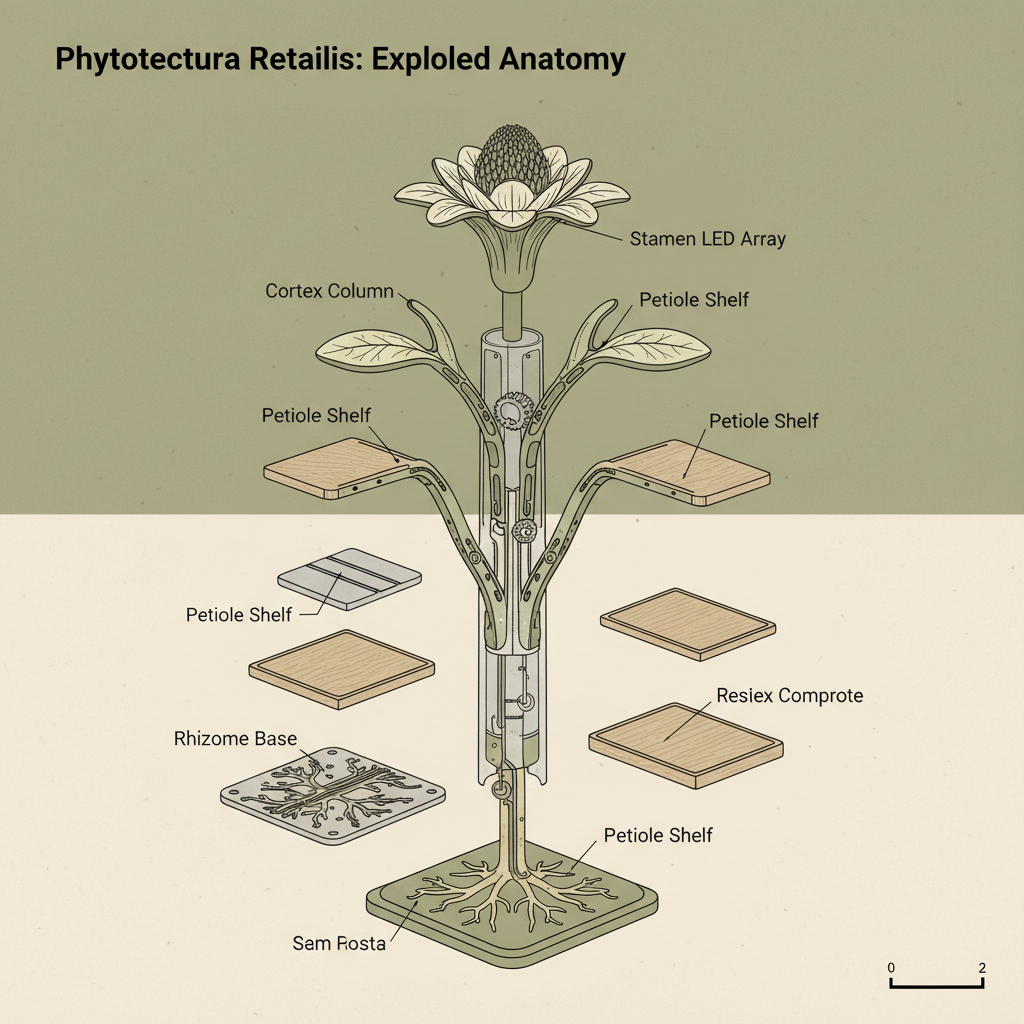
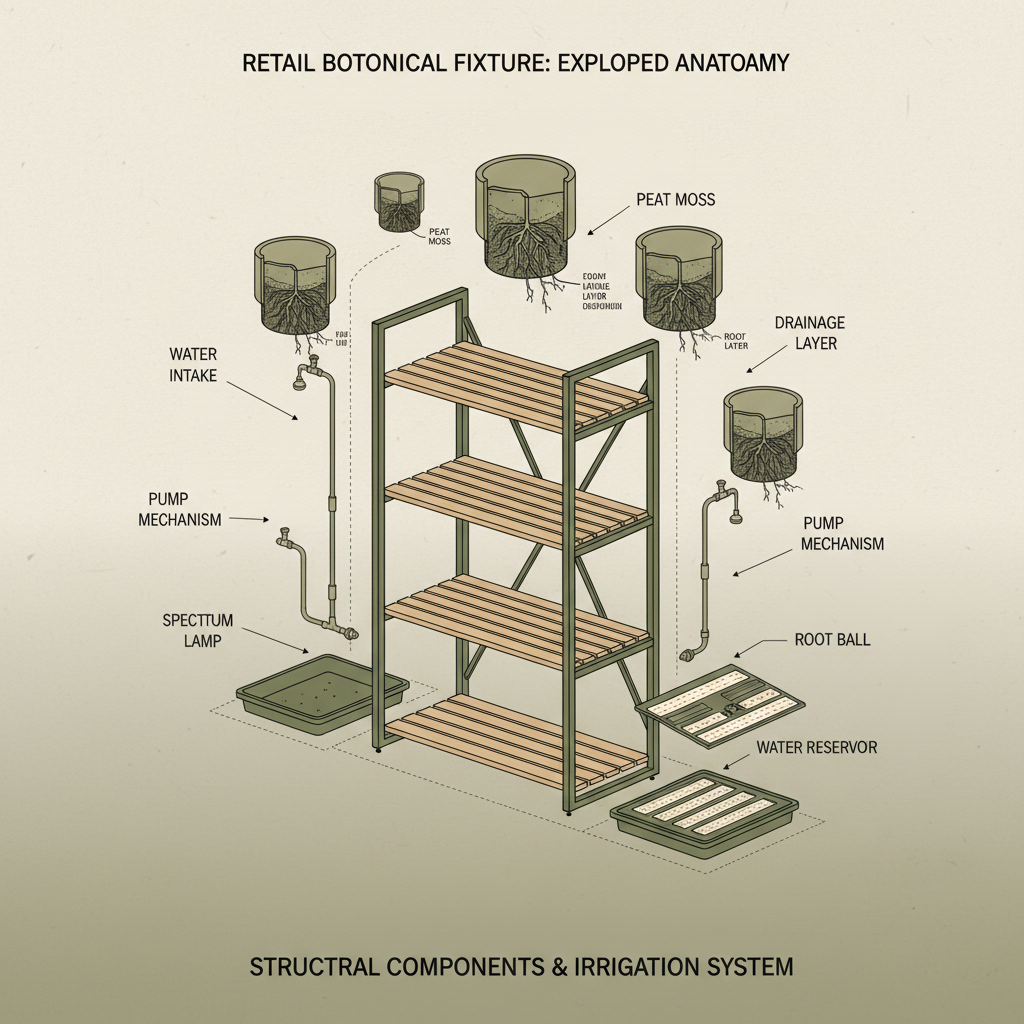
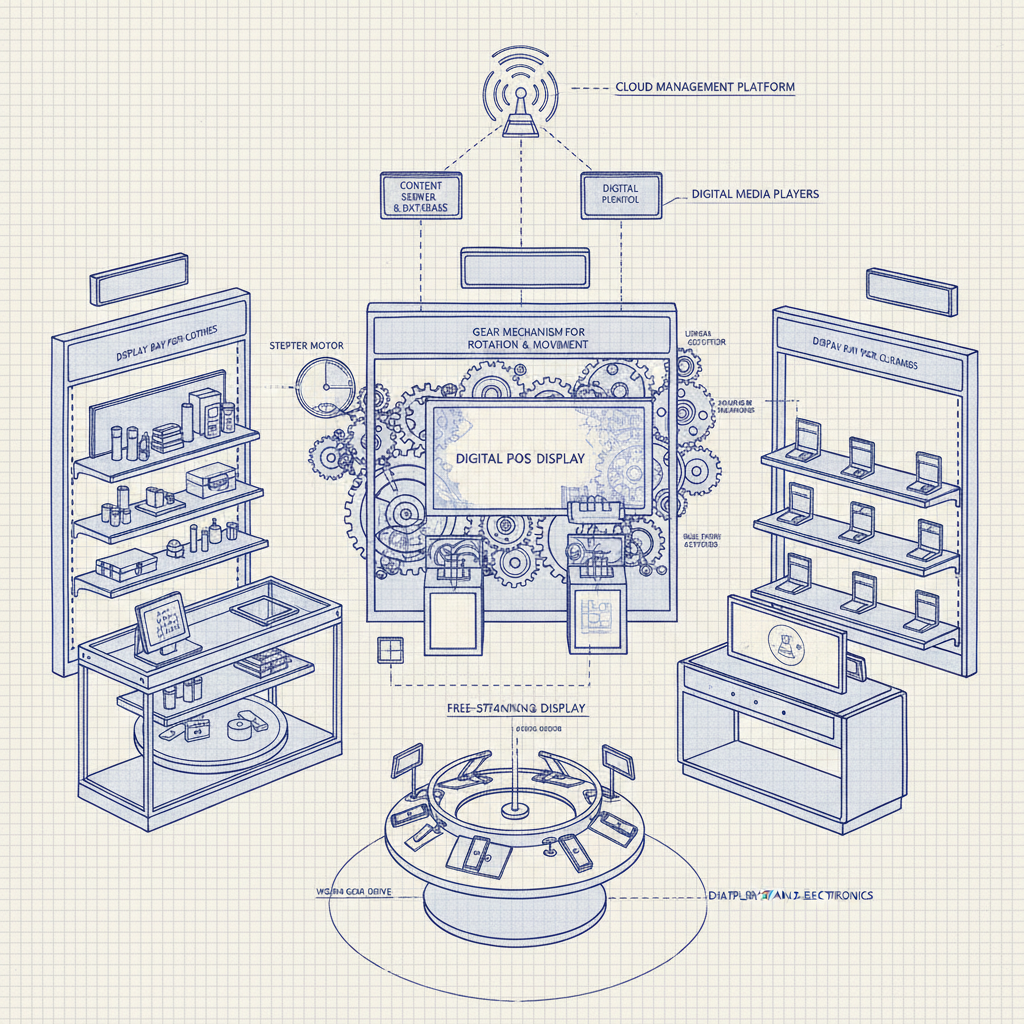
The push for 'smart' retail fixture is…well, it's something. Everyone wants sensors, RFID tags, integrated displays. Which is fine, in theory. But I've seen so many designs where they jam all this tech in after the structure is built. That’s a recipe for disaster. Wiring issues, accessibility for maintenance, it’s a nightmare. You have to design for the tech from the beginning. And the power supply... that's always a headache. It needs to be hidden, easily accessible, and able to handle fluctuating loads.
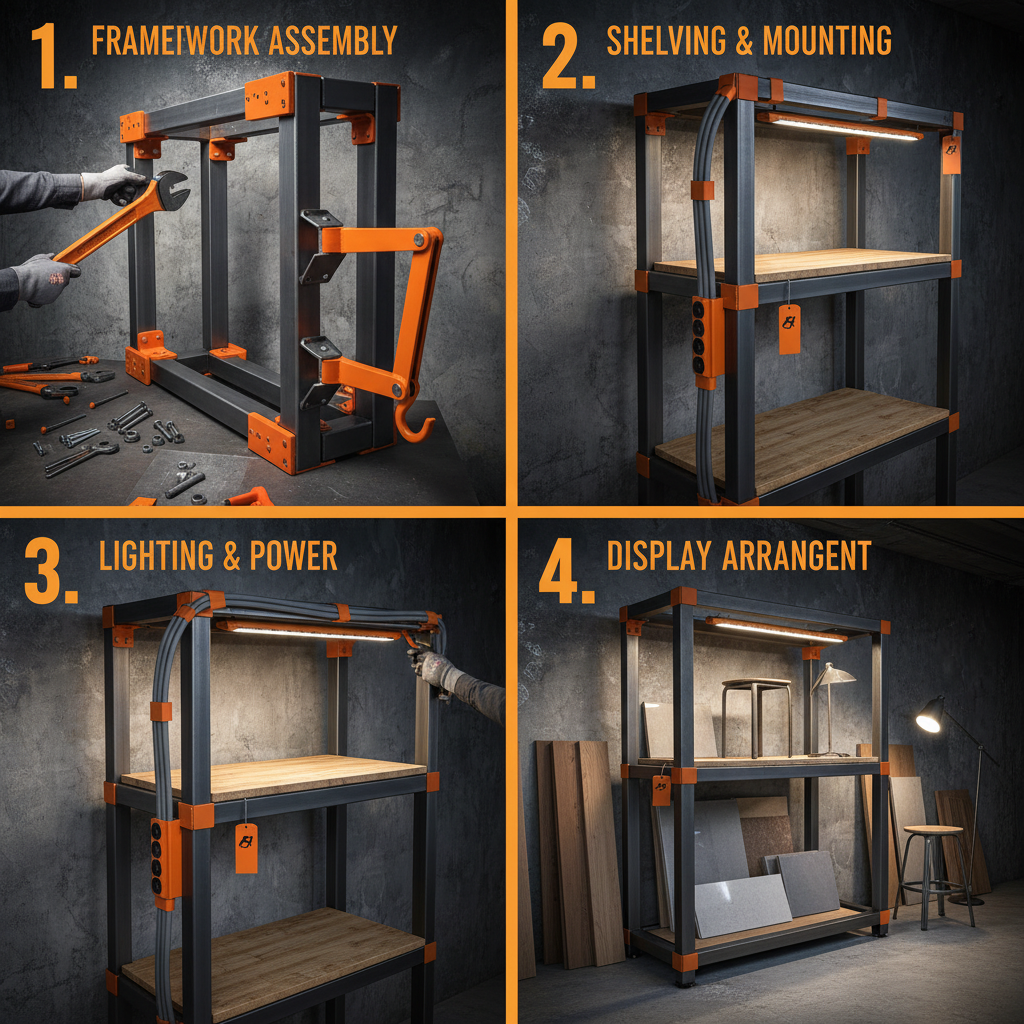
Another thing I've noticed – and this is a big one – is a lack of consideration for the actual installers. Designers sit in their offices and come up with these beautiful renderings, but have they ever actually tried to put it together? You need clear instructions, pre-drilled holes in the right places, and hardware that doesn’t require a PhD to operate. I've lost count of the number of times I've seen a simple install turned into a three-hour struggle because of poorly designed hardware. Later... forget it, I won’t mention it.
Honestly, it's forgetting about the end user. They get so caught up in aesthetics they forget the display needs to be functional and easy to interact with. Too often, you see beautiful displays that are a pain to stock or shop from. It's about finding that balance between form and function. Plus, they usually underestimate the amount of abuse these things take from customers and staff.
It depends heavily on the materials and how well it's maintained, but a well-built system should easily last 5-10 years, even in a high-traffic environment. We’ve seen some installations still going strong after 15 years with just a few replacement parts. The key is using quality materials and ensuring the connections are robust. Cheap materials and flimsy connections will fail quickly.
Generally, yes. That’s one of the biggest advantages. We recently had a client who wanted to add integrated lighting to their existing system. We were able to modify the design and add the lighting without having to completely rebuild the entire display. The possibilities are pretty much limitless, you just need to think ahead.
Shipping can be a factor, especially if you're dealing with large volumes. However, because modular systems are often designed to be flat-packed, they can be shipped more efficiently than traditional displays, potentially saving on costs. It’s worth getting a quote from a freight forwarder to compare.
That depends on your budget, the environment, and the desired look and feel. Aluminum is great for durability, but expensive. Engineered wood offers a good balance of cost and performance. Talk to a materials expert and get samples. Don’t just rely on datasheets. Feel the materials, test them, and see how they hold up.
The biggest challenge is usually communication. Ensuring the installers have clear instructions and the right tools is crucial. Also, making sure all the components are properly labeled and organized. A little bit of planning goes a long way. And always, always have a contingency plan for unexpected problems. Things rarely go exactly as planned.
Ultimately, we’ve talked about trends, materials, testing, and customization, but all this boils down to one thing: building something that works in the real world. Modular retail fixture is a good tool, and it’s getting better all the time. But it’s not a magic bullet. You still need to pay attention to the details, choose the right materials, and ensure the design is practical and user-friendly.
And remember, whether this thing works or not, the worker will know the moment he tightens the screw. That's the honest truth. If it feels right, it probably is. If it feels flimsy, it probably will be. So, listen to the people on the ground, and don’t get too caught up in the hype. You can find more information and browse our selection of retail fixture systems on our website.