Store decoration, encompassing everything from visual merchandising to interior design, is a cornerstone of the retail experience. It's no longer simply about aesthetics; it's a strategic investment that directly impacts consumer behavior, brand perception, and ultimately, sales. Globally, the retail sector represents a multi-trillion dollar industry, and effective store decoration is a critical differentiator in an increasingly competitive landscape. Understanding the principles behind compelling store design is vital for businesses of all sizes, from independent boutiques to multinational corporations.
The significance of store decoration extends beyond the retail sector, impacting hospitality, healthcare, and even corporate offices. A well-decorated space enhances the customer or employee experience, fostering loyalty and productivity. The United Nations Sustainable Development Goals also indirectly benefit from improved retail environments, particularly Goal 8 (Decent Work and Economic Growth) and Goal 12 (Responsible Consumption and Production) as thriving businesses contribute to economic stability and sustainable practices. Data from the World Bank highlights the correlation between robust retail sectors and overall economic development in emerging markets.
In essence, store decoration is a multifaceted discipline that blends artistry, psychology, and commerce. It’s a continuous process of adaptation and innovation, responding to evolving consumer trends and technological advancements. Mastering this art is crucial for creating spaces that attract customers, build brand identity, and drive profitable growth. Investing in thoughtful store decoration is an investment in the future success of any consumer-facing business.
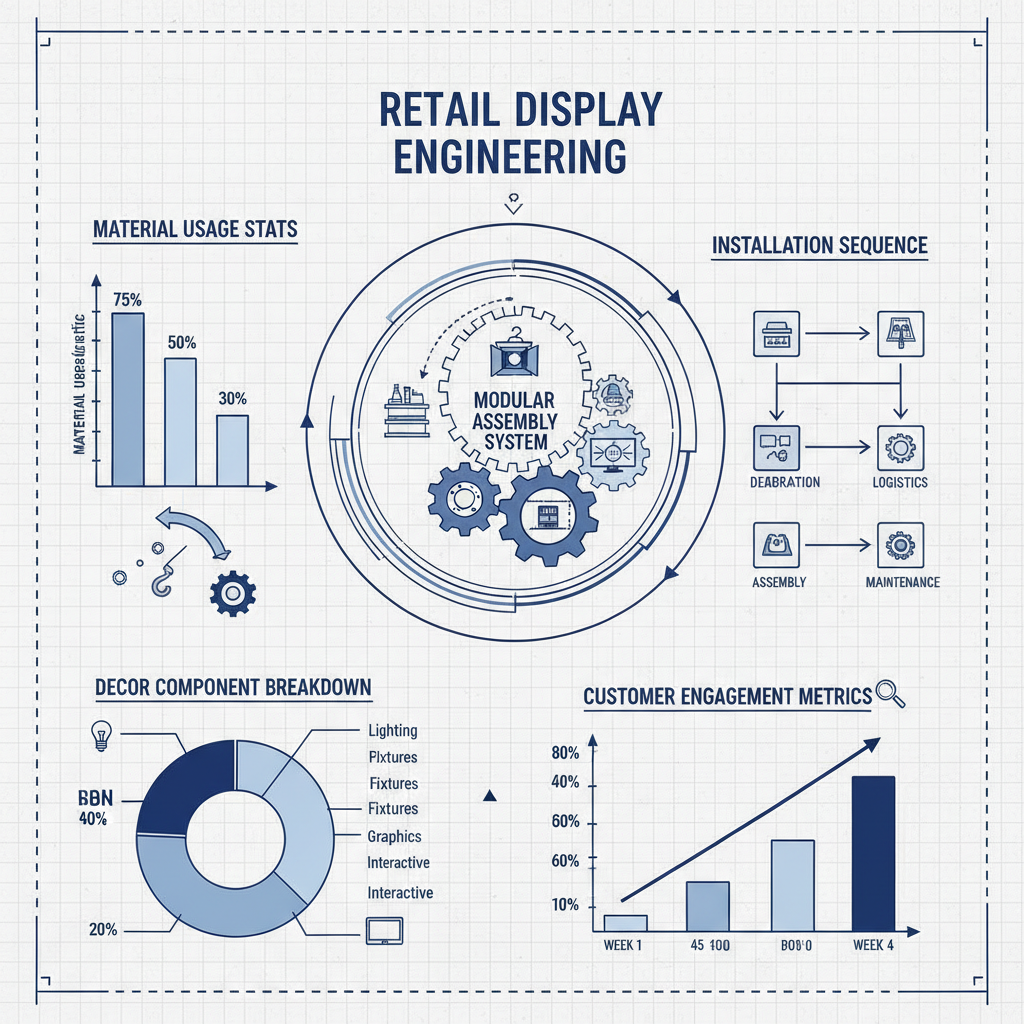
Effective store decoration isn’t merely about creating a visually appealing space; it's about crafting an immersive experience that resonates with the target audience. It influences purchasing decisions, brand recall, and customer loyalty. A thoughtfully designed store can differentiate a business from its competitors, even in a crowded market. The core of effective store decoration lies in understanding the psychological principles that govern consumer behavior.
Furthermore, store decoration plays a crucial role in brand storytelling. The design elements, layout, and overall ambiance should communicate the brand’s values, personality, and unique selling proposition. A cohesive and consistent brand experience, extended through the physical store environment, fosters trust and strengthens customer relationships.
The ROI for professional store decoration varies depending on factors such as the store’s size, location, and target audience. However, studies consistently show that well-designed stores experience significant increases in sales, often ranging from 10% to 30%. This is achieved through improved customer experience, increased impulse purchases, and enhanced brand perception. Furthermore, a well-maintained store reduces the need for frequent costly renovations.
The frequency of store decoration updates depends on the brand's identity and the pace of change within the industry. Generally, a major refresh every 3-5 years is recommended to maintain a fresh and appealing look. However, seasonal updates to window displays and in-store promotions should occur more frequently – typically every quarter – to capitalize on seasonal trends and attract new customers.
Small businesses can achieve impactful store decoration on a limited budget. Repainting walls with fresh, inviting colors, rearranging existing fixtures to optimize flow, and incorporating cost-effective lighting solutions are excellent starting points. Adding plants and artwork can also enhance the ambiance. Focusing on visual merchandising – creating attractive product displays – is a high-impact, low-cost strategy.
Lighting is arguably one of the most important elements of store decoration. It influences customer mood, highlights key products, and creates a welcoming atmosphere. Strategic use of different lighting types – ambient, task, and accent – is crucial. Warm lighting can create a cozy feel, while bright lighting can convey a sense of energy and cleanliness. Properly lit stores consistently report higher sales and customer satisfaction.
Color psychology plays a powerful role in influencing customer behavior. Warm colors like red and orange can evoke excitement and energy, making them suitable for promotional areas. Cool colors like blue and green create a sense of calm and relaxation, ideal for stores selling wellness products. Neutral colors like gray and white provide a clean and sophisticated backdrop. Consider your target audience and brand identity when selecting colors.
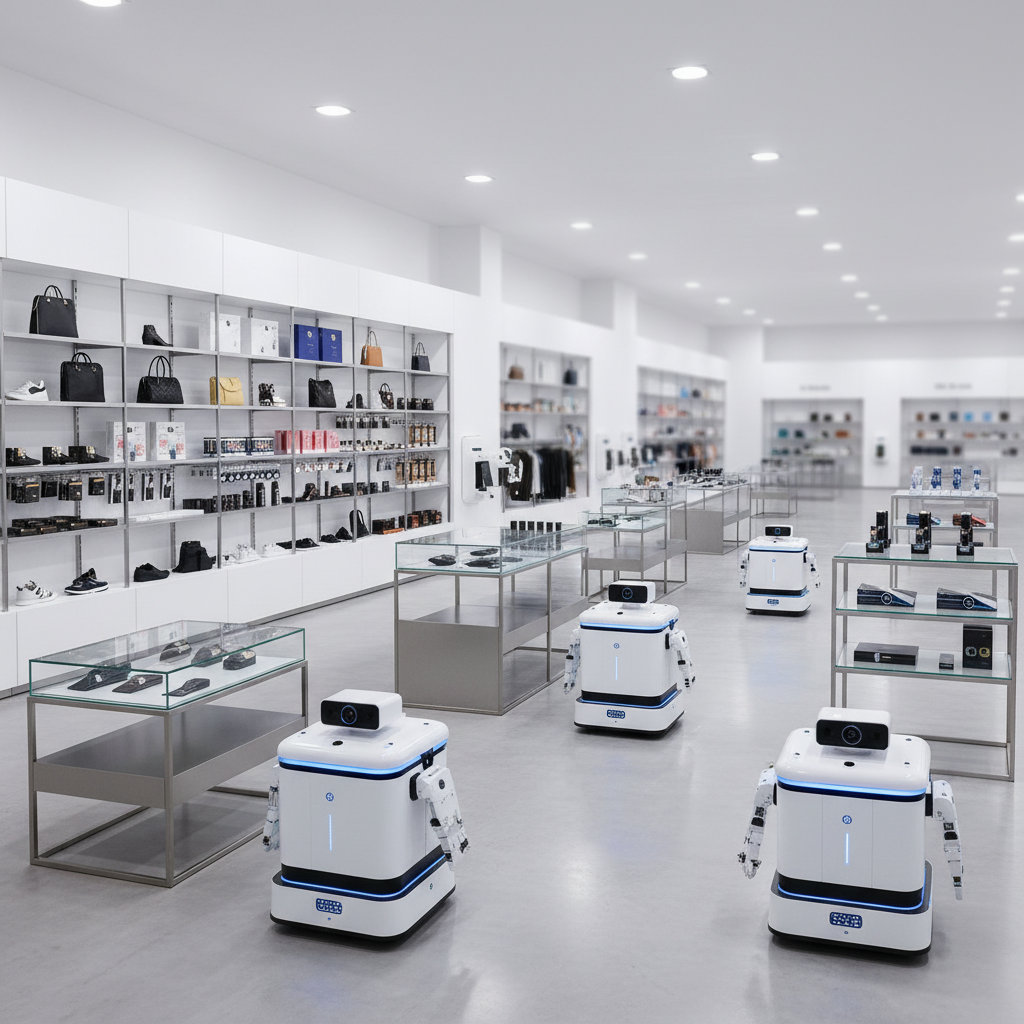
Store layout is critical for guiding customer traffic and maximizing exposure to products. A well-planned layout creates a logical flow, encouraging customers to explore the entire store. Consider using a "race track" layout to lead customers through all sections, or a "free-flow" layout for a more relaxed browsing experience. Avoid creating bottlenecks or dead ends, and ensure that high-margin items are strategically placed in high-traffic areas.
In conclusion, store decoration is far more than just aesthetics; it’s a strategic investment that profoundly impacts brand perception, customer behavior, and ultimately, profitability. From understanding the core principles of visual merchandising and lighting to embracing emerging trends like sustainability and digital integration, a thoughtful approach to store design is crucial for success in today’s competitive retail landscape. A well-decorated store is a destination, a reflection of a brand’s values, and a catalyst for customer loyalty.
Looking ahead, the future of store decoration will be shaped by data-driven insights, personalized experiences, and a commitment to sustainability. Businesses that prioritize these areas will be well-positioned to attract and retain customers in an ever-evolving market. Embrace innovation, stay attuned to customer preferences, and remember that the ultimate goal of store decoration is to create an experience that is both memorable and meaningful. For expert guidance and a wide range of store decoration solutions, visit our website: store decoration.