Free standing fixtures are becoming increasingly vital across numerous sectors globally, from retail and exhibition spaces to healthcare and educational institutions. These self-supporting displays offer unparalleled flexibility in space utilization and are critical for creating engaging and dynamic environments. Understanding their design, implementation, and future trends is crucial for businesses and organizations looking to optimize their operations and enhance customer experiences. This knowledge impacts economic efficiency, brand visibility, and overall functional design.
The demand for adaptable and easily reconfigurable display solutions has surged due to changing consumer behaviors and the need for agile business models. Free standing fixtures address this need by providing a cost-effective and visually appealing alternative to permanent installations. The global market for these fixtures is experiencing significant growth, driven by the expansion of the retail sector in emerging economies and the increasing adoption of innovative display technologies.
Effectively utilizing free standing fixtures allows for swift adjustments to promotional layouts, seasonal displays, and product presentations. This responsiveness is particularly valuable in today’s fast-paced marketplace, contributing to higher sales and improved customer engagement. Investing in a thorough understanding of these fixtures is no longer a luxury, but a necessity for success.
Introduction to Free Standing Fixtures
Free standing fixtures represent a versatile approach to display and organization in diverse environments. Unlike built-in or permanently installed systems, these units are designed to stand independently, providing flexibility and ease of rearrangement. This characteristic is particularly advantageous for businesses that require adaptable spaces to showcase products, promotions, or information.
The adaptability of free standing fixtures isn’t solely about physical location. Modern designs increasingly incorporate modularity, allowing components to be easily swapped and reconfigured. This capability enhances the lifespan of the fixtures and enables them to evolve with changing business needs. Choosing the right free standing fixtures can significantly impact a space’s efficiency and aesthetic appeal.
Defining Free Standing Fixtures
At their core, free standing fixtures are display or organizational units that do not require permanent attachment to walls, floors, or ceilings. They rely on their own structural integrity to maintain stability. This is achieved through a variety of base designs, including weighted bases, wide footprints, and internal bracing. They are distinct from fixed shelving, wall-mounted displays, and integrated cabinetry.
Their connection to modern industry lies in the demand for dynamic retail experiences and efficient space management. Retailers are constantly seeking ways to optimize floor space, highlight key merchandise, and create visually appealing presentations. Free standing fixtures offer a powerful solution, allowing for frequent changes in layout and the ability to quickly adapt to seasonal promotions or new product launches.
In a broader context, these fixtures are increasingly important in humanitarian efforts. Portable display units are often used in field hospitals, refugee camps, and disaster relief operations to organize supplies, provide information, and create functional spaces with limited resources.
Core Components of Effective Fixtures
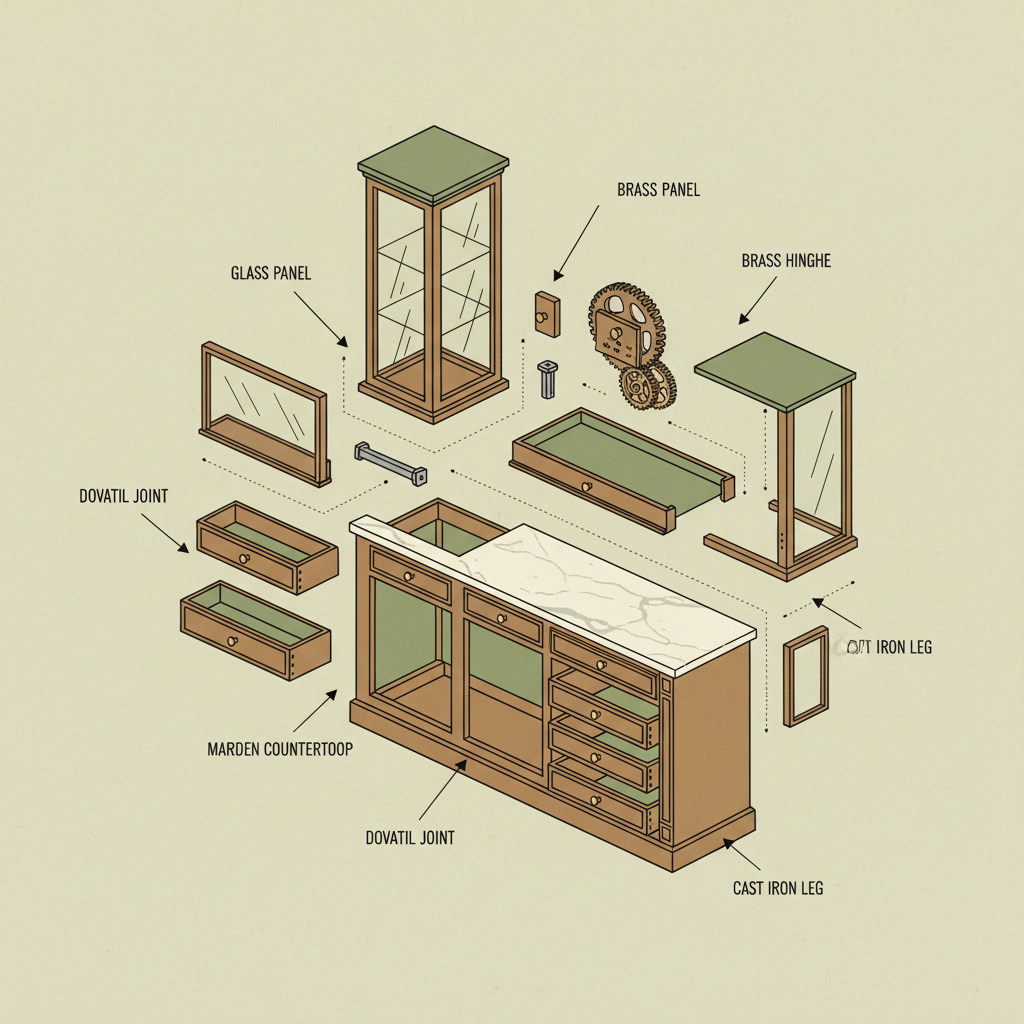
Effective free standing fixtures are built on a foundation of key components. One crucial aspect is Material Selection. The materials used – often metal, wood, acrylic, or laminate – determine the fixture’s durability, aesthetic appeal, and overall cost. Another significant factor is Structural Stability. A robust base and well-engineered framework are essential for preventing tipping and ensuring longevity.
Design Aesthetics play a pivotal role in attracting customers and enhancing brand image. A thoughtfully designed fixture should complement the surrounding environment and highlight the products on display. Furthermore, Modularity and Adaptability are becoming increasingly important. Fixtures that can be easily reconfigured or expanded offer greater flexibility and a longer lifespan.
Finally, Ease of Assembly and Transport is critical, particularly for retailers with multiple locations or for events and exhibitions. Fixtures that are simple to assemble and disassemble save time and reduce labor costs. A carefully considered combination of these components results in a functional and visually appealing free standing fixture.
Key Factors Influencing Fixture Selection
Selecting the right free standing fixtures requires careful consideration of several key factors. Durability is paramount, particularly in high-traffic areas. The fixture must be able to withstand regular use and potential impacts without damage. Scalability is another critical consideration, allowing businesses to easily expand or reconfigure their displays as their needs evolve.
Cost Efficiency plays a significant role in budgetary decisions. Balancing initial investment with long-term value is essential. Aesthetic Compatibility with the overall brand image and store design is also crucial. Fixtures should enhance the shopping experience and reinforce brand identity.
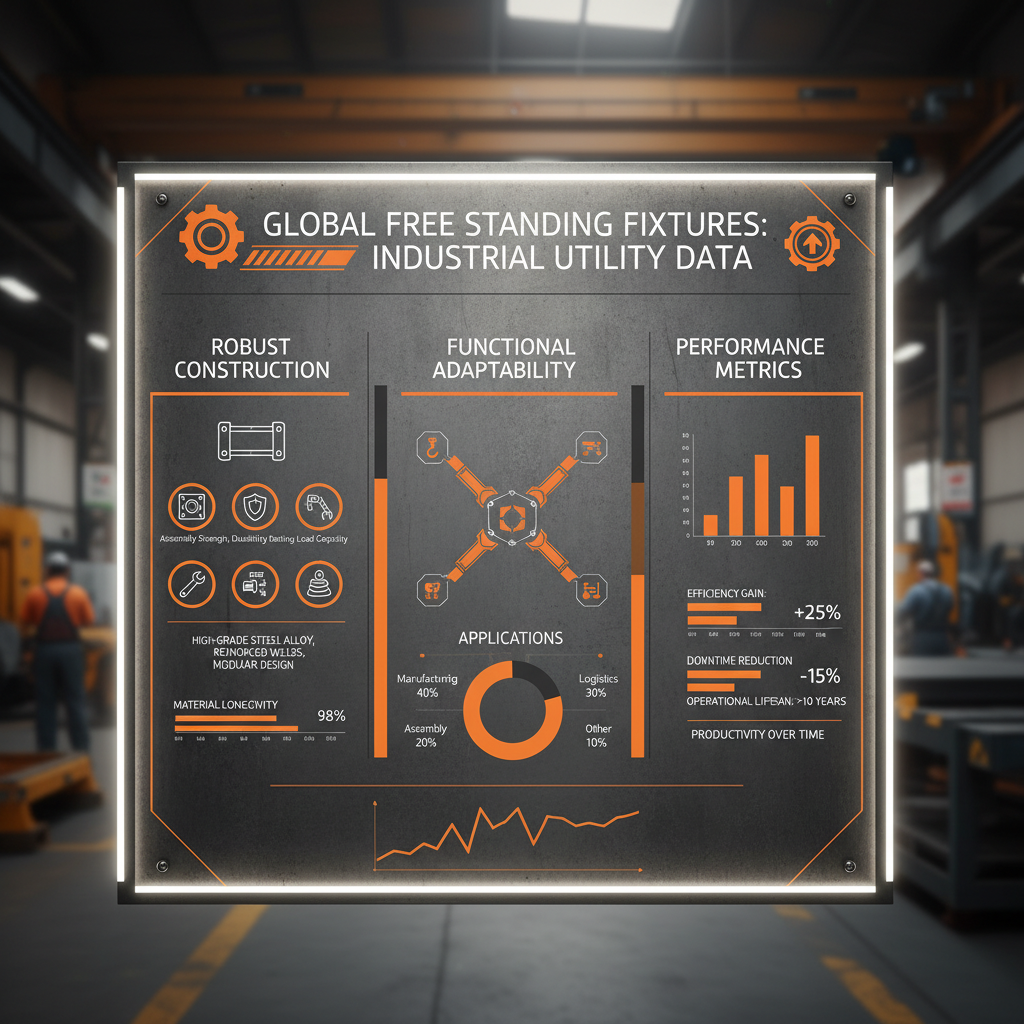
Free Standing Fixture Performance Metrics
Global Applications of Free Standing Fixtures
Free standing fixtures find widespread application across diverse industries. In retail environments, they are used to create visually appealing displays, highlight promotions, and guide customer flow. They're invaluable for showcasing seasonal merchandise or new product launches, allowing for quick and easy reconfiguration of the store layout.
In healthcare settings, free standing fixtures can be used to organize medical supplies, create temporary triage areas, or provide informational displays for patients. These portable solutions are especially valuable in emergency situations or when adapting to changing patient needs. In post-disaster relief operations, free standing display units provide organization and information delivery in temporary shelters and aid distribution centers.
Long-Term Value and Advantages
The advantages of utilizing free standing fixtures extend beyond immediate functionality. Tangible benefits include reduced installation costs compared to permanent fixtures and increased flexibility in space utilization. Sustainability is also a key advantage, as these fixtures can be easily relocated or repurposed, minimizing waste.
The emotional appeal of well-designed displays contributes to a positive customer experience, fostering brand loyalty and driving sales. Logically, the ease of reconfiguration and scalability provides businesses with a competitive edge, allowing them to respond quickly to market changes. The reliable performance and longevity of quality fixtures provide long-term value and reduce the need for frequent replacements.
Future Trends and Innovations
The future of free standing fixtures is poised for innovation, driven by advances in materials science and digital technologies. We anticipate increased use of sustainable materials, such as recycled plastics and bamboo, to minimize environmental impact. Integration of smart technologies, like interactive displays and sensor-based tracking, will enhance customer engagement.
The rise of digital transformation will lead to the development of modular fixtures with integrated digital signage and data analytics capabilities. Automation in manufacturing processes will drive down costs and increase production efficiency. The growing emphasis on sustainability will fuel demand for eco-friendly designs and materials, aligning with broader environmental goals.
The convergence of these trends will result in free standing fixtures that are not only visually appealing and functional but also intelligent, sustainable, and responsive to the evolving needs of businesses and consumers alike.
Summary of Common Challenges and Potential Solutions for Free Standing Fixtures
| Challenge |
Impact on Fixture Performance |
Potential Solution |
Implementation Cost (1-10) |
| Instability/Tipping Hazard |
Safety risks, potential damage to products |
Wider base, weighted foundation, secure locking mechanisms |
4 |
| Material Degradation |
Reduced lifespan, diminished aesthetic appeal |
Utilizing durable, weather-resistant materials (e.g., powder-coated steel, high-density polymers) |
6 |
| Assembly Complexity |
Increased labor costs, potential for errors |
Modular designs, simplified assembly instructions, pre-assembled components |
3 |
| Lack of Adaptability |
Inability to accommodate changing product sizes or display requirements |
Adjustable shelving, interchangeable panels, modular components |
5 |
| High Transportation Costs |
Increased overall project expenses |
Flat-pack designs, optimized packaging, lighter materials |
2 |
| Limited Integration with Technology |
Missed opportunities for interactive displays and data collection |
Integrated digital signage, sensor-based tracking, wireless charging capabilities |
7 |
FAQS
Free standing fixtures offer significantly greater flexibility and cost-effectiveness. They require no permanent installation, reducing labor costs and minimizing disruption. This adaptability is ideal for retailers who frequently change layouts or require portable displays for events. Furthermore, free standing fixtures can be easily repurposed or relocated, offering a longer lifespan and reducing waste compared to fixed installations.
Determining the weight capacity involves assessing the items you intend to display and factoring in a safety margin. Consider the heaviest potential load and choose fixtures specifically designed to handle that weight. Check the manufacturer's specifications for maximum load limits and ensure the fixture’s base is stable and appropriate for the floor surface. Distributing weight evenly is also crucial for maintaining stability.
Common materials include metal (steel, aluminum), wood (solid wood, MDF, plywood), acrylic, and laminate. Metal offers durability and strength, while wood provides a warm aesthetic. Acrylic is lightweight and versatile, and laminate offers a cost-effective and durable surface. The best material depends on the intended use, budget, and desired aesthetic.
Stability is paramount. Select fixtures with a wide, weighted base. Consider using floor protection pads to prevent sliding. Regularly inspect fixtures for any signs of damage or instability. Avoid overloading shelves and ensure items are securely arranged. In areas prone to accidental impact, consider using protective barriers or strategically positioning fixtures away from high-traffic zones.
Regular cleaning with appropriate cleaning solutions is essential to maintain appearance and prevent damage. Periodically inspect fixtures for loose screws, damaged panels, or wobbly bases. Tighten any loose connections and repair or replace damaged parts promptly. For wooden fixtures, occasional polishing can help preserve the finish. Following manufacturer's recommendations is key.
Outdoor use requires materials that are weather-resistant, such as powder-coated steel or treated wood. Fixtures should be securely anchored to prevent tipping in windy conditions. Consider UV protection to prevent fading and cracking. Regular cleaning is essential to remove dirt and debris. Proper drainage is crucial to prevent water damage.
Conclusion
Free standing fixtures represent a dynamic and versatile solution for display and organizational needs across a wide range of industries. Their inherent flexibility, cost-effectiveness, and adaptability make them an increasingly vital component of modern retail, healthcare, and event spaces. Understanding the core components, key factors, and future trends associated with these fixtures is crucial for maximizing their benefits and achieving optimal results.
Investing in quality free standing fixtures, coupled with careful planning and strategic implementation, can significantly enhance a space’s functionality, aesthetic appeal, and overall customer experience. For innovative and customizable solutions to meet your specific needs, visit our website today at www.chshopdisplay.com and explore our extensive range of free standing fixtures.