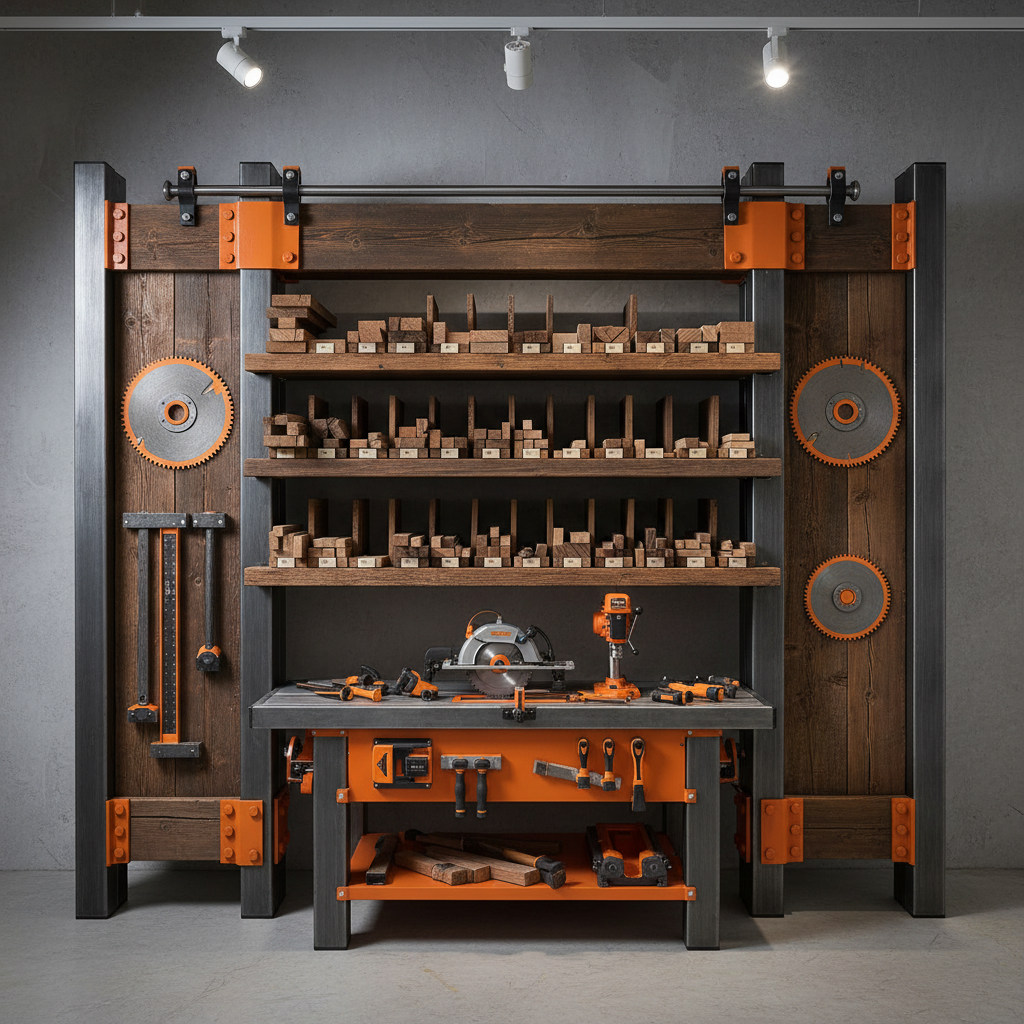
You know, honestly, things are moving fast. Everyone's talking about lightweight, modular, and, of course, 'smart' display fixtures these days. It feels like every other factory tour now involves someone showing off their IoT-enabled shelving. A lot of hype, if you ask me. But there's a reason for it, right? Retail is changing, fast. Gotta be adaptable.
Have you noticed how everyone is obsessed with minimizing materials? It’s good, don’t get me wrong – sustainability and all that. But I’ve seen too many designers try to cut corners and end up with something that feels…cheap. Feels flimsy. It needs to feel solid, you know? A customer needs to trust it can hold their stuff.
And it’s not just about the big picture, it’s the little things. Like, the finish. You’d be surprised how many places skimp on the powder coating. It'll chip after six months, then what are you left with? Rust, that's what. It smells awful, too. I encountered this at a fixture factory in Ningbo last time, they were so proud of their 'cost-effective' solution…it was a disaster.
The Current Landscape of display fixture
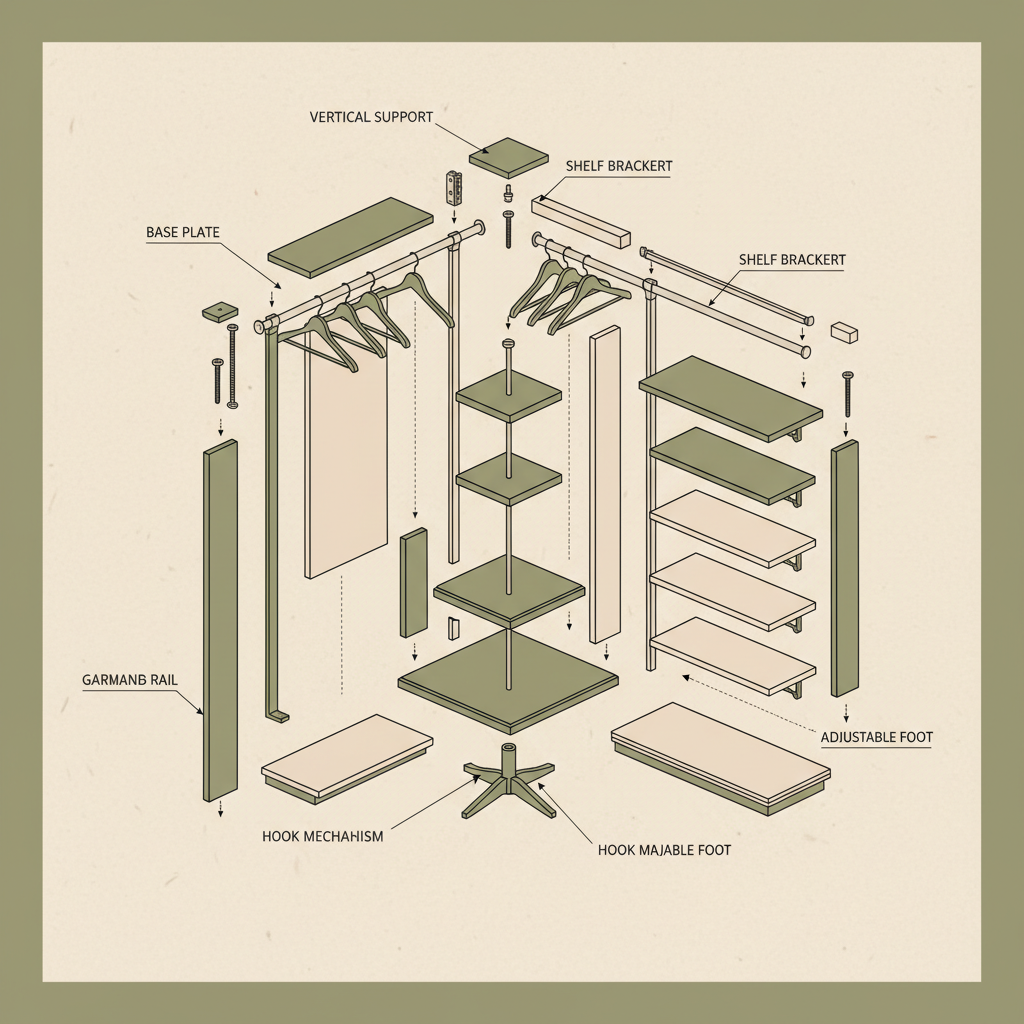
To be honest, the biggest trend right now is flexibility. Retailers need to be able to change layouts on a dime, respond to new product launches, seasonal shifts, you name it. That means modular systems are king. It's not just about aesthetics anymore; it’s about minimizing downtime. And of course, everyone’s chasing lower shipping costs, so flat-pack designs are huge. It’s a pain to assemble sometimes, but… it’s what the clients want.
You see a lot of aluminum, obviously. Lightweight, strong, recyclable. But it’s expensive. So you’re starting to see more clever engineering with steel – thinner gauges, optimized bracing. It’s a constant balancing act between cost, weight, and durability. And the whole ‘visual merchandising’ thing… it’s gotten intense. Everything has to tell a story. I mean, it's just shelving, but apparently, it needs a personality now.
Common Design Pitfalls in display fixture
Strangely enough, the biggest mistake I see is over-engineering. People get so focused on making something indestructible they forget it needs to be usable. Like, I was at a sporting goods store last week, and they had these massive gondola units. Looked solid enough to survive a hurricane, but the shelves were so deep you couldn’t reach anything in the back. Pointless.
Another one? Ignoring load distribution. I saw a store try to stack heavy winter boots on some flimsy wire shelving… it collapsed. Thankfully nobody was hurt, but it was a mess. Always factor in the weight, not just the static load but the dynamic load of people grabbing things. And don't even get me started on adjustable shelving systems that wobble after a week.
And the worst? When they design something that looks good in the showroom but is a nightmare to assemble on-site. Tiny screws, ambiguous instructions… it's a recipe for disaster. You end up spending half the day wrestling with it.
Materials: Beyond the Spec Sheet
Look, a spec sheet can tell you the tensile strength of steel all day long, but it won’t tell you how it feels in your hands. I'm a big fan of cold-rolled steel. It’s got a good heft to it, and the finish takes well. But it can be prone to rust if it's not properly treated. We usually go with a zinc phosphate coating followed by powder coating.
And don't underestimate the power of a good wood veneer. It adds a touch of warmth and sophistication. But you gotta be careful with the adhesive – some of the cheaper stuff will peel after a few years. We use a high-pressure laminate, it's more durable and looks fantastic. It smells a bit like formaldehyde when you first cut it, though…
For plastic components, ABS is generally reliable. It's tough, impact-resistant, and relatively inexpensive. But it scratches easily. Polycarbonate is stronger, but it’s also more brittle and more expensive. It really depends on the application.
Real-World Testing of display fixture
Forget the lab tests, honestly. Those are useful for baseline data, sure, but they don’t simulate real-world conditions. I prefer to stress-test things on-site. Like, I'll have the guys load up a shelf with the heaviest items we can find and then just… jump on it. Okay, maybe not jump on it, but give it a good shake. If it wobbles, it fails.
We also do ‘drop tests’ – not from a great height, but enough to simulate someone bumping into it with a cart. And we pay attention to how easily things scratch and dent. A pristine showroom display looks great, but it doesn’t matter if it’s covered in scratches after a week in a busy store.
display fixture Performance Metrics
How Customers Actually Use display fixture
This is where it gets interesting. You design something for a specific purpose, and then customers find completely new ways to use it. I had a client who was using our shelving units as makeshift workstations. They were putting laptops, monitors, the whole nine yards on top of them. Never even considered that when we designed it!
And another one was using our display cases to store tools. Tools! I mean, it’ll hold them, sure, but it’s not what it was designed for. It just shows you need to build something robust enough to handle the unexpected.
Advantages and Disadvantages of display fixture
The advantage is simple: organization. A well-designed display fixture can make a store look cleaner, more appealing, and ultimately, more profitable. It guides the customer's eye, highlights key products, and creates a more enjoyable shopping experience. But the disadvantages… well, there are a few. They can be expensive, especially custom designs. And they can take up a lot of space.
And let's be real, a lot of them are just… boring. Generic metal shelving. It's functional, sure, but it's not exactly inspiring. That’s why you need to focus on the details – the finish, the lighting, the accessories. It’s the little things that make a difference.
They can also be a pain to reconfigure. You spend hours rearranging everything, and then the store manager decides they want to change the layout again next week. It's a never-ending cycle.
Customization Options for display fixture
We do a lot of customization. Colors, sizes, materials, finishes… you name it. But the most common request is for custom shelving heights. Everyone has different product dimensions, so they want shelves that fit perfectly. Last month, that small boss in Shenzhen who makes smart home devices insisted on changing the interface to , and the result was a three-week delay. He thought it would be a ‘future-proof’ solution, but it just created headaches for everyone.
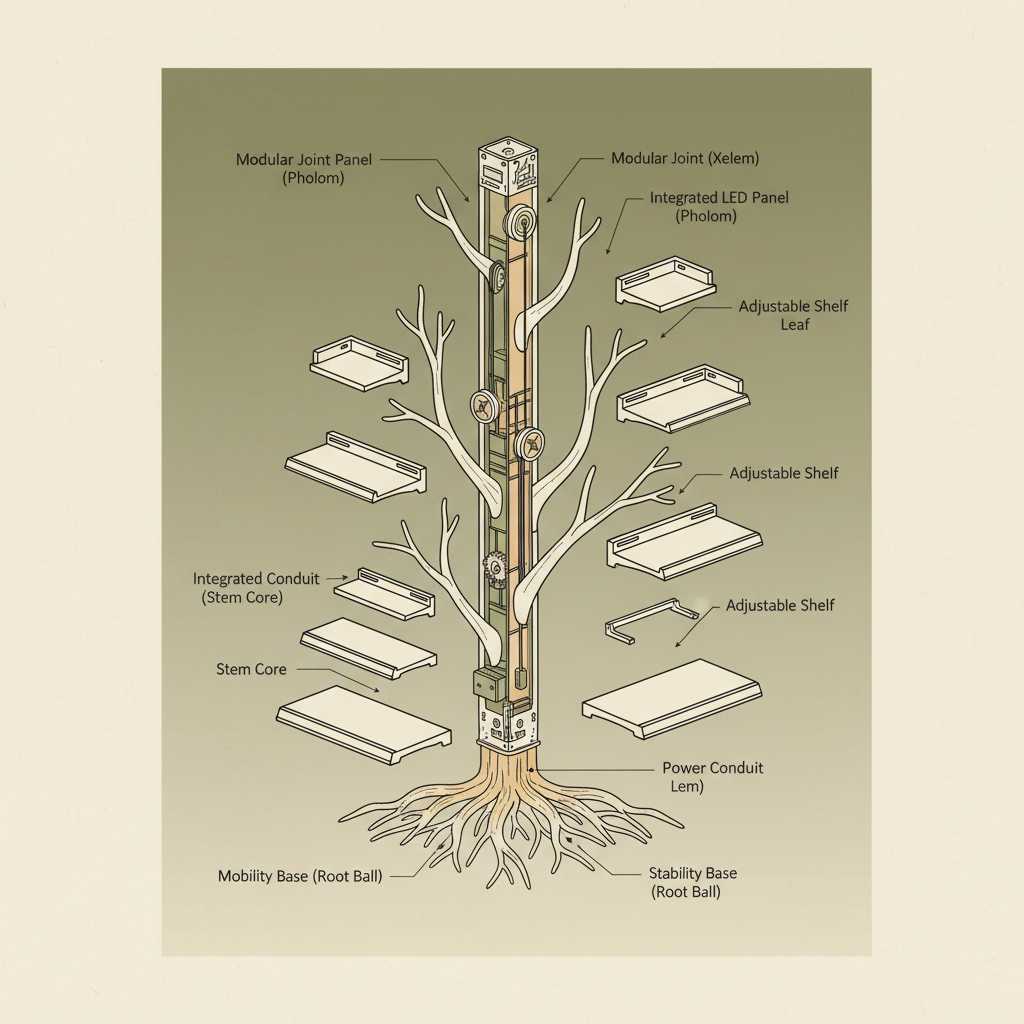
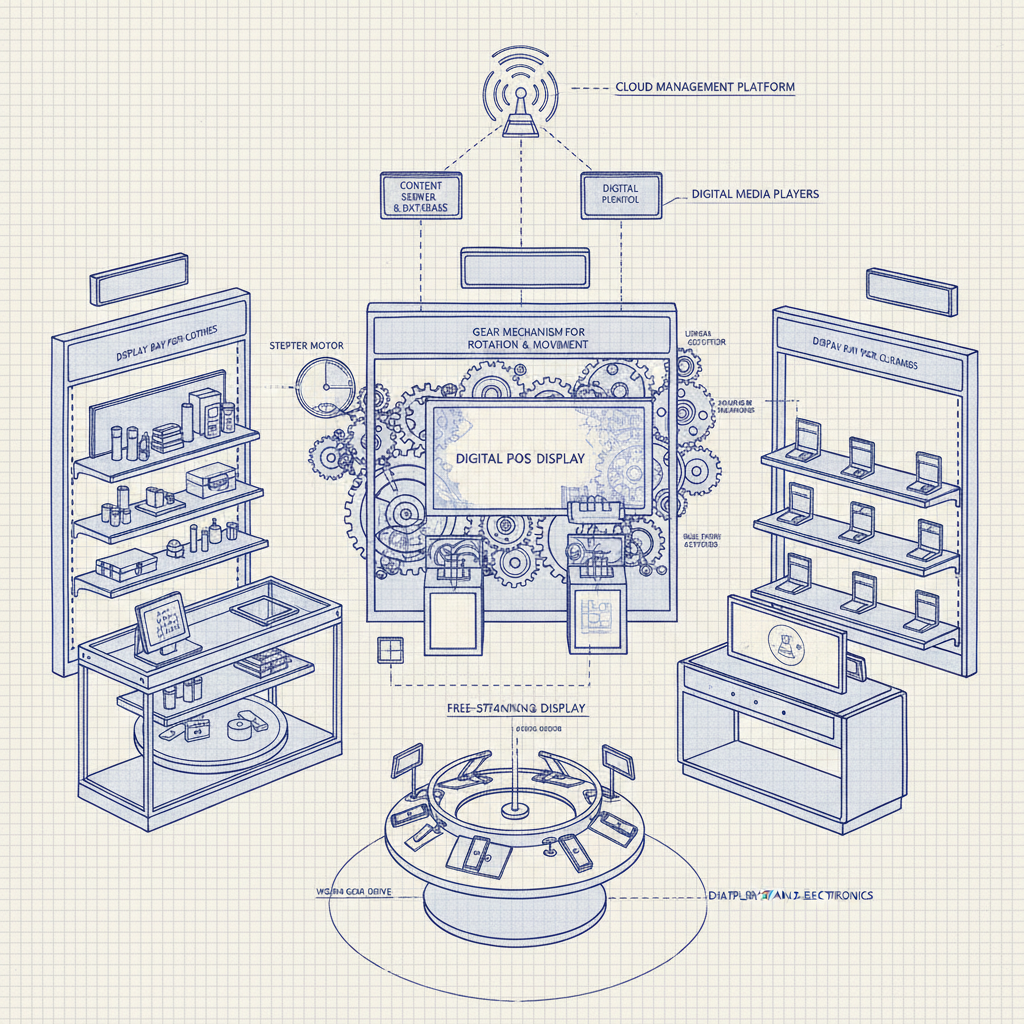
We can also add things like integrated lighting, digital displays, even built-in security features. It depends on the budget and the customer's needs. And we’re starting to see more demand for sustainable materials – bamboo, recycled plastic, that sort of thing. It's good to see, honestly.
Sometimes, people want completely bespoke designs. That’s where things get tricky – and expensive. But if they’re willing to pay for it, we can create something truly unique.
Summary of Key Factors in display fixture Customization
| Customization Type |
Complexity |
Cost Impact |
Lead Time |
| Color Change |
Low |
Minimal |
1-2 weeks |
| Shelf Height Adjustment |
Medium |
Moderate |
2-3 weeks |
| Material Substitution |
High |
Significant |
4-6 weeks |
| Integrated Lighting |
Medium-High |
Moderate-Significant |
3-5 weeks |
| Bespoke Design |
Very High |
Very Significant |
8+ weeks |
| Sustainable Material Sourcing |
Medium |
Moderate |
2-4 weeks |
FAQS
Honestly, it's focusing too much on aesthetics and not enough on functionality. They pick something that looks good, but it’s a pain to stock, flimsy, or just doesn’t fit their products. A good display fixture needs to work as hard as it looks pretty. You need to think about the whole lifecycle, from delivery to daily use to potential disassembly.
Crucial. Absolutely crucial. Cheap materials will fail, plain and simple. It’s false economy. You'll end up replacing it sooner, and the cost of downtime and disruption will far outweigh the initial savings. We always recommend investing in high-quality materials, even if it means a higher upfront cost. Look for corrosion-resistant coatings and robust construction techniques.
That’s the whole point of modular systems! Yes, they should be. Look for fixtures with adjustable shelves, easy-to-connect components, and flexible configurations. The ability to quickly reconfigure a store is essential in today's retail environment. Avoid anything that requires a ton of tools or specialized skills to modify.
Lighting is everything. It can make or break a product. You want to highlight key features, create a sense of drama, and draw the customer's eye. LED lighting is the way to go – it’s energy-efficient, long-lasting, and doesn't generate a lot of heat. Think about the color temperature and the beam angle – you want to choose lighting that complements your products.
It varies, of course, depending on the complexity of the customization. A simple color change won’t add much, but a completely bespoke design can easily double the cost. It’s important to get a detailed quote upfront and to understand all the associated costs, including design fees and tooling charges. But sometimes, the investment is worth it to create a truly unique and impactful display.
We're seeing a lot of interest in bamboo, recycled plastic, and reclaimed wood. People are becoming more aware of the environmental impact of their purchasing decisions, and they want to support sustainable businesses. These materials are not only eco-friendly but can also add a unique aesthetic to your store. It’s a win-win.
Conclusion
Ultimately, display fixtures are about more than just holding products. They’re about creating an experience, telling a story, and driving sales. A well-designed fixture can enhance the customer journey, improve brand perception, and ultimately, boost your bottom line. It’s a complex field, and there’s a lot to consider, but it’s worth getting it right.
But here’s the thing: all the design, all the materials, all the testing… it doesn't matter if the worker on the ground doesn't approve. Ultimately, whether this thing works or not, the worker will know the moment he tightens the screw. And if they're cursing under their breath, you've failed.