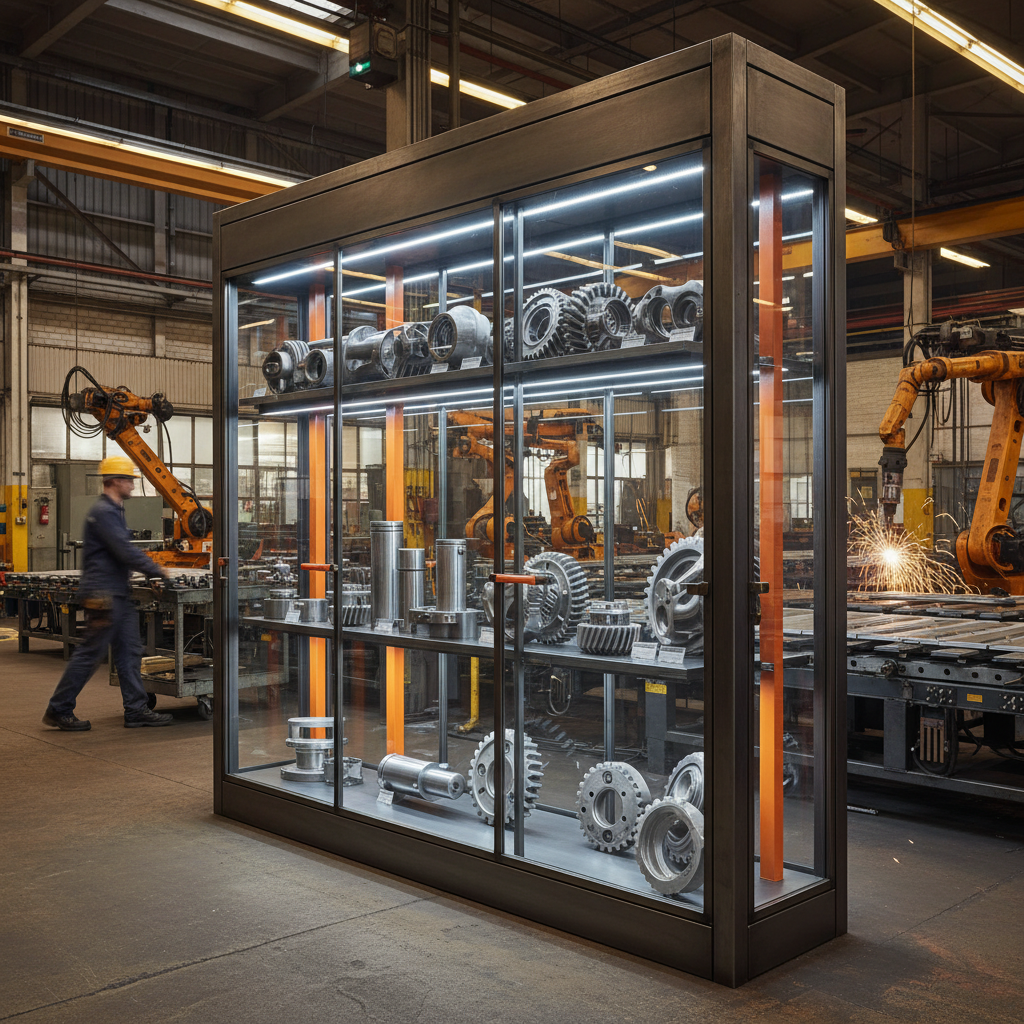
Shop decoration, encompassing visual merchandising, store layout, and ambiance creation, is more than just aesthetics; it’s a critical driver of customer experience and sales. Globally, the retail landscape is fiercely competitive, demanding businesses to differentiate themselves and attract customers. Effective shop decoration transforms spaces into engaging environments, influencing purchasing decisions and building brand loyalty. Understanding the principles of shop decoration isn't simply about interior design – it’s a strategic investment in business success.
The importance of shop decoration extends beyond large retailers. Small businesses and independent boutiques rely heavily on creating a welcoming and memorable atmosphere to compete with larger chains. Moreover, the rise of experiential retail highlights the need for stores to offer more than just products; they must provide an immersive and enjoyable shopping experience. This trend underscores the central role of shop decoration in attracting and retaining customers in today’s market.
According to data from the UN Conference on Trade and Development (UNCTAD), the global retail and wholesale trade sector accounts for a significant portion of global GDP. A well-decorated shop can increase foot traffic, average transaction values, and customer lifetime value. Investment in effective shop decoration is, therefore, an investment in economic growth and consumer satisfaction. Visit shop decoration to explore innovative solutions.
The Core Principles of Shop Decoration
Effective shop decoration hinges on understanding the psychology of the consumer. Layout design, lighting, color schemes, and visual merchandising all play a crucial role in guiding customers through the store and influencing their purchasing behaviors. A well-designed space isn’t just aesthetically pleasing; it’s strategically planned to maximize sales and enhance the customer experience.
Furthermore, the principles of branding must be integrated into every aspect of shop decoration. The store’s design should reflect the brand’s identity, values, and target audience. Consistency in branding across all touchpoints, including the physical store environment, builds brand recognition and fosters customer trust. Shop decoration, therefore, acts as a powerful communication tool.
Defining Shop Decoration and Its Relevance
Shop decoration, broadly defined, is the art and science of creating a visually appealing and functionally effective retail environment. It involves a comprehensive approach encompassing store layout, display design, lighting, color psychology, signage, and the overall ambiance. It goes beyond simple aesthetics to consider the customer journey and how the space influences their purchasing decisions.
In the context of modern industry, shop decoration is intrinsically linked to retail success. With the increasing competition from online retailers, brick-and-mortar stores must offer experiences that cannot be replicated online. Well-executed shop decoration creates a destination, fostering a sense of community and encouraging customers to linger and explore. This relevance extends to various sectors, from fashion and food to electronics and home goods.
The relevance to humanitarian needs, while seemingly indirect, exists in the creation of welcoming and dignified spaces for community gathering and retail initiatives in underserved areas. Thoughtful shop decoration can transform basic stores into centers of commerce and social interaction, improving quality of life.
Key Factors Influencing Shop Decoration Effectiveness
Several core components contribute to effective shop decoration. First, layout and space planning dictate the flow of traffic and influence customer browsing habits. A logical and intuitive layout encourages exploration and maximizes exposure to merchandise. Second, lighting plays a pivotal role in highlighting products, creating ambiance, and influencing mood. Proper lighting can dramatically enhance the perceived value of merchandise.
Third, color psychology leverages the emotional impact of colors to create specific feelings and associations. Strategic color choices can reinforce brand identity and encourage purchasing behaviors. Fourth, visual merchandising involves the artful display of products to attract attention and create desire. Effective visual merchandising tells a story and showcases the benefits of the merchandise. Finally, sensory elements, such as music, scent, and texture, contribute to the overall ambiance and create a more immersive shopping experience.
These factors aren’t isolated; they work synergistically to create a cohesive and compelling retail environment. Understanding how each element interacts and impacts the customer is crucial for maximizing the effectiveness of shop decoration. For example, a well-lit display featuring products in carefully chosen colors can significantly increase sales. shop decoration provides tools to optimize these elements.
Global Applications and Practical Implementations
Shop decoration principles are applied universally, albeit with regional variations. In bustling urban centers like Tokyo and New York, space is at a premium, demanding innovative and compact display solutions. Conversely, in larger retail spaces in North America, the focus often shifts to creating immersive experiences and destination shopping.
In the fashion industry, luxury brands utilize elaborate window displays and meticulously designed interiors to convey exclusivity and sophistication. Food retailers emphasize freshness and abundance through vibrant displays of produce and appealing product arrangements. Electronics stores often employ technology-driven displays and interactive kiosks to showcase their products.
In post-disaster relief operations, temporary retail spaces can be quickly established using modular shop decoration elements, providing essential goods and a sense of normalcy to affected communities. In remote industrial zones, well-designed canteens and break rooms, incorporating principles of shop decoration, can improve employee morale and productivity.
Shop Decoration Effectiveness by Method
Advantages and Long-Term Value of Strategic Decoration
The advantages of well-planned shop decoration are multifaceted. Tangibly, it can lead to increased foot traffic, higher conversion rates, and larger average transaction values. Reduced operational costs, through efficient space utilization and energy-efficient lighting, also contribute to long-term profitability.
From a sustainability perspective, utilizing eco-friendly materials and designing for longevity reduces environmental impact. Socially, an inviting and accessible store environment promotes inclusivity and fosters a positive brand image. The emotional connection created through thoughtful decoration builds customer loyalty and advocacy.
Future Trends and Innovations in Shop Decoration
Emerging trends are shaping the future of shop decoration. Augmented reality (AR) and virtual reality (VR) are enabling customers to visualize products in their own homes before purchasing, blurring the lines between physical and digital retail. Personalized shopping experiences, powered by data analytics, are allowing retailers to tailor displays and offers to individual customer preferences.
Sustainable materials and eco-friendly design principles are gaining prominence, reflecting a growing consumer demand for environmentally responsible businesses. The integration of smart technologies, such as digital signage and interactive displays, is enhancing the customer experience and providing valuable data insights.
Challenges and Solutions in Optimizing Shop Decoration
A common challenge is balancing aesthetic appeal with functionality and cost-effectiveness. Maintaining consistency across multiple locations can also be difficult. Adapting to changing consumer preferences and keeping up with the latest trends requires ongoing monitoring and adaptation.
Solutions include utilizing modular shop decoration systems that are flexible and easily adaptable. Investing in data analytics to understand customer behavior can inform design decisions. Collaborating with experienced shop decoration consultants can provide valuable expertise and insights. shop decoration offers expert consultations to address these challenges.
Finally, embracing a long-term perspective and viewing shop decoration as an investment, rather than an expense, is crucial for maximizing its benefits.
Summary of Challenges and Corresponding Solutions in Shop Decoration
| Challenge |
Impact on Business |
Solution |
Implementation Cost (1-10) |
| High Initial Investment |
May deter small businesses |
Phased implementation, modular systems |
6 |
| Maintaining Brand Consistency |
Dilutes brand identity |
Detailed brand guidelines, standardized materials |
7 |
| Adapting to Trends |
Risk of becoming outdated |
Flexible designs, regular updates |
5 |
| Space Constraints |
Limited display options |
Vertical displays, compact fixtures |
4 |
| Measuring ROI |
Difficulty justifying investment |
Track foot traffic, sales data, customer feedback |
8 |
| Integrating Technology |
Cost and complexity of implementation |
Start with simple solutions, partner with tech providers |
9 |
FAQS
The ROI on professional shop decoration can vary significantly based on factors like industry, location, and the quality of the design. However, studies consistently show that a well-designed store can increase sales by 10-20%, and in some cases, even higher. This increase is attributed to improved customer experience, increased foot traffic, and higher conversion rates. Furthermore, effective shop decoration can reduce operational costs by optimizing space utilization and energy efficiency.
The frequency of updates depends on your brand identity, target audience, and industry trends. A complete overhaul is typically recommended every 3-5 years. However, seasonal updates to displays and visual merchandising are essential to keep the store looking fresh and engaging. Minor adjustments, such as changing lighting or adding new accessories, can be made more frequently to maintain a dynamic and appealing environment.
Common mistakes include poor lighting, cluttered displays, ignoring the customer flow, and a lack of consistency with brand identity. Overlooking the importance of sensory elements like music and scent is also a frequent error. Failing to analyze customer behavior and adapt the design accordingly can also hinder effectiveness. Professional help can address these issues.
Focus on impactful, low-cost changes. Repainting walls, rearranging displays, and improving lighting can make a significant difference. Utilize creative DIY solutions, repurpose existing materials, and prioritize visual merchandising. Effective window displays are also a cost-effective way to attract attention. Carefully consider your color scheme and ensure consistency with your brand image.
Store layout is critically important. A well-planned layout guides customers through the store, maximizing their exposure to merchandise. It should be intuitive and easy to navigate, encouraging exploration and increasing dwell time. Consider the "decompression zone" near the entrance and strategically place high-margin items in high-traffic areas. Optimize pathways and ensure adequate space for browsing.
Lighting dramatically impacts the customer experience. It highlights products, creates ambiance, and influences mood. Layered lighting – combining ambient, task, and accent lighting – is essential. Use warm lighting to create a welcoming atmosphere and brighter lighting to showcase merchandise. Consider the color temperature of the lights and how it affects the perceived colors of the products.
Conclusion
In conclusion, effective shop decoration is far more than just aesthetics; it’s a strategic investment in business success. By understanding the core principles of layout, lighting, color psychology, and visual merchandising, retailers can create engaging environments that attract customers, increase sales, and build brand loyalty. Embracing emerging trends and addressing common challenges will be crucial for staying competitive in the ever-evolving retail landscape.
Looking ahead, a holistic approach to shop decoration, integrating physical and digital elements, will be essential. Continuously analyzing customer behavior, adapting to changing trends, and prioritizing sustainability will ensure long-term success. Consider exploring innovative solutions and partnering with experts like shop decoration to elevate your retail experience.