Shop construction, encompassing the design and erection of retail spaces, is a globally significant industry driving economic activity and shaping consumer experiences. From bustling city centers to remote commercial hubs, the need for effective and adaptable retail infrastructure is constant. This is not merely about aesthetics; it’s about creating environments that facilitate commerce, enhance brand identity, and cater to evolving consumer needs. A robust shop construction sector is a key indicator of economic health and a catalyst for innovation in design, materials, and building technologies.
The importance of efficient and sustainable shop construction extends beyond individual businesses. Large-scale retail development impacts urban planning, supply chains, and employment rates. Increasingly, the industry faces pressure to adopt eco-friendly practices and incorporate technological advancements to minimize environmental impact and maximize operational efficiency. Globalization and the rise of e-commerce further complicate the landscape, requiring shop construction to be flexible and responsive to rapidly changing market dynamics.
Understanding the principles of modern shop construction is crucial for architects, developers, retailers, and investors alike. Effective planning, meticulous execution, and a commitment to quality are essential for creating retail spaces that are not only visually appealing but also functionally sound, cost-effective, and sustainable, providing long-term value to all stakeholders.
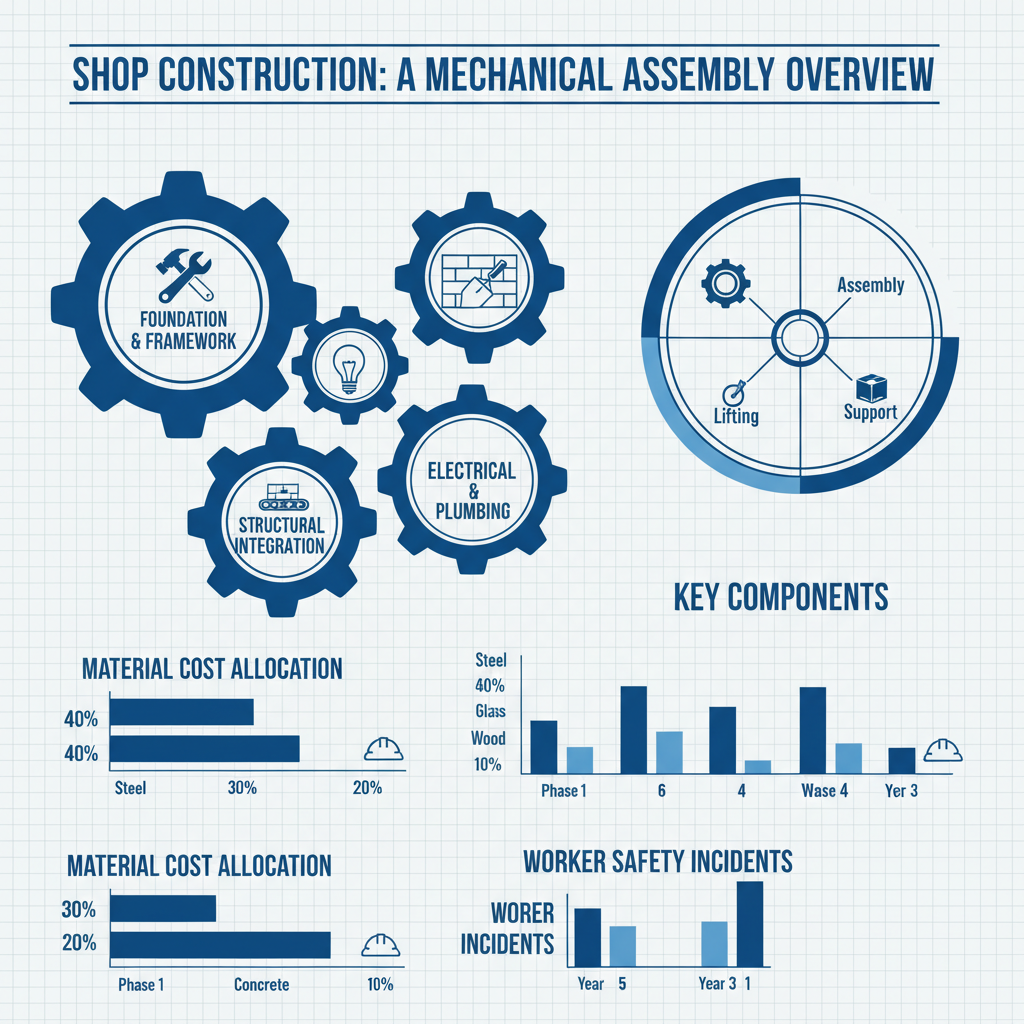
Shop construction is a massive global industry, representing trillions of dollars in economic activity annually. According to data from the United Nations Conference on Trade and Development (UNCTAD), retail sales contribute significantly to global GDP, and the physical spaces that house these sales are crucial infrastructure. The demand for new retail spaces is driven by population growth, urbanization, and changing consumer behavior. A recent report by the World Bank highlights the importance of a thriving commercial sector in supporting economic development, and shop construction plays a pivotal role in facilitating this growth.
However, the industry also faces significant challenges. Supply chain disruptions, rising material costs, and a shortage of skilled labor are all impacting project timelines and budgets. Furthermore, the increasing focus on sustainability is forcing shop construction firms to adopt more eco-friendly practices, requiring investment in new technologies and materials. Addressing these challenges is essential for ensuring the continued growth and resilience of the global retail sector.
Modular shop construction offers significantly faster build times, reduced on-site disruption, and greater cost control. The modular units are fabricated in a controlled factory environment, ensuring higher quality and consistency. This method also promotes sustainability by minimizing waste and maximizing material efficiency. It’s an excellent solution for retailers seeking rapid expansion or flexible space options.
Ensuring compliance requires partnering with an experienced shop construction team familiar with local regulations. This team will handle permitting, inspections, and ensure all construction practices meet the required standards. It’s crucial to verify that the contractor has a thorough understanding of accessibility guidelines, fire safety codes, and other relevant regulations specific to your location. Thorough documentation and communication are key.
The lifespan of a prefabricated shop construction project is comparable to, and often exceeds, that of traditionally built structures. High-quality materials and precise manufacturing techniques contribute to durability and longevity. With proper maintenance, a prefabricated shop can easily last for several decades. Factors like climate, usage, and maintenance schedules will influence the actual lifespan.
Sustainability can be integrated through material selection, energy-efficient systems, and waste reduction strategies. Consider using recycled materials, low-VOC paints, and LED lighting. Implementing energy-efficient HVAC systems and water-saving fixtures can also significantly reduce environmental impact. Prioritize natural light and ventilation to minimize reliance on artificial sources. A sustainable design can also enhance brand reputation.
The permitting process varies by location, but typically involves submitting detailed plans to local authorities for review. These plans must demonstrate compliance with building codes, zoning regulations, and accessibility standards. Your shop construction team should handle the permit application process, coordinating with local officials and addressing any concerns. Allow ample time for the permitting process, as it can sometimes be lengthy.
Effective budgeting involves detailed cost estimation, considering all aspects of the project, including design, materials, labor, permits, and contingency funds. Obtain multiple quotes from qualified contractors and carefully review their proposals. Factor in potential unforeseen expenses and allocate a contingency budget of 10-15%. Regular monitoring of project costs and proactive management of change orders are crucial for staying within budget.
In conclusion, shop construction is a complex yet vital industry, shaping the retail landscape and driving economic growth globally. From its core components – durability, scalability, and cost efficiency – to its future innovations in sustainable materials and digital technologies, the field is constantly evolving. A thoughtful and well-executed shop construction project not only creates a functional retail space but also enhances brand identity, fosters customer loyalty, and contributes to the vibrancy of communities.
Looking ahead, embracing innovation and prioritizing sustainability will be crucial for success in the shop construction industry. Retailers and developers must collaborate with experienced professionals who can navigate the complexities of building codes, material selection, and project management. By investing in quality design, efficient construction processes, and a commitment to long-term value, we can create retail spaces that are not only aesthetically pleasing but also environmentally responsible and economically sustainable.