In today's dynamic retail landscape, optimizing store layouts and visual merchandising is paramount for success. wireless store solutions are emerging as a crucial element in achieving this optimization, offering flexibility and efficiency in adapting to evolving consumer demands and product displays. These solutions encompass a wide range of fixtures and systems designed for easy reconfiguration, ensuring that stores can remain competitive and appealing to customers.
The global demand for efficient retail solutions is driven by factors such as urbanization, changing consumer behavior, and the increasing need for adaptable store environments. Data from the UN projects continued urban growth, requiring retailers to maximize space utilization and create engaging shopping experiences. Furthermore, the rise of omnichannel retail necessitates stores to seamlessly integrate online and offline experiences, and wireless store solutions play a key role in enabling this integration through dynamic display capabilities.
A significant challenge facing retailers is the need to rapidly respond to seasonal changes, new product launches, and promotional campaigns. Traditional store fixtures often require extensive labor and downtime for reconfiguration, resulting in lost sales and increased operational costs. wireless store solutions address this challenge by providing modular and easily adjustable systems, allowing for quick and cost-effective store refreshes.
The Essence of Wireless Store Solutions
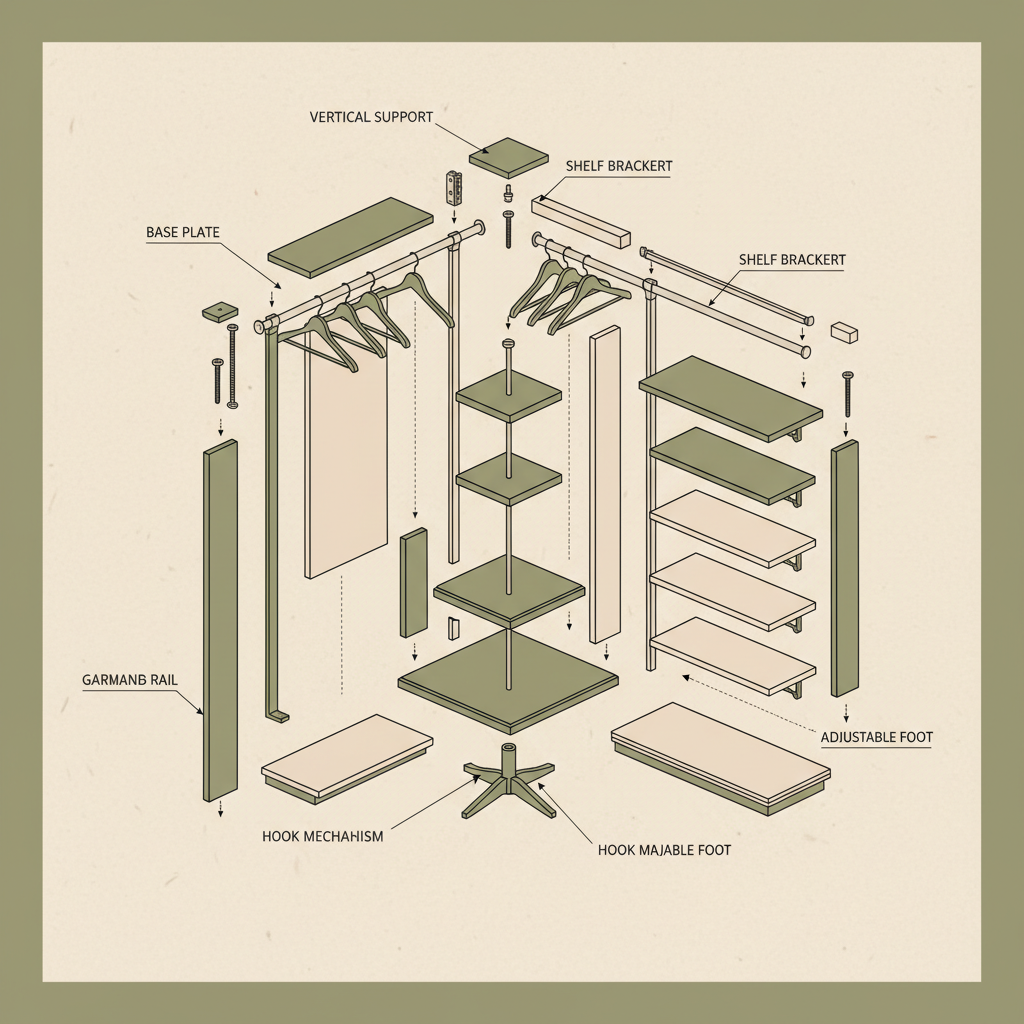
At their core, wireless store solutions represent a paradigm shift in retail design and merchandising. They move away from static, fixed fixtures toward dynamic systems capable of adapting quickly to changing needs. This adaptability is achieved through modular components, often incorporating features like tool-less assembly and adjustable shelving.
These solutions are not merely about flexibility; they are also about enhancing the customer experience. By enabling retailers to create visually appealing and easily navigable store layouts, wireless systems contribute to increased foot traffic, longer dwell times, and ultimately, higher sales conversions. The ability to customize displays on demand allows for targeted promotions and personalized shopping experiences.
Defining Wireless Store Solutions
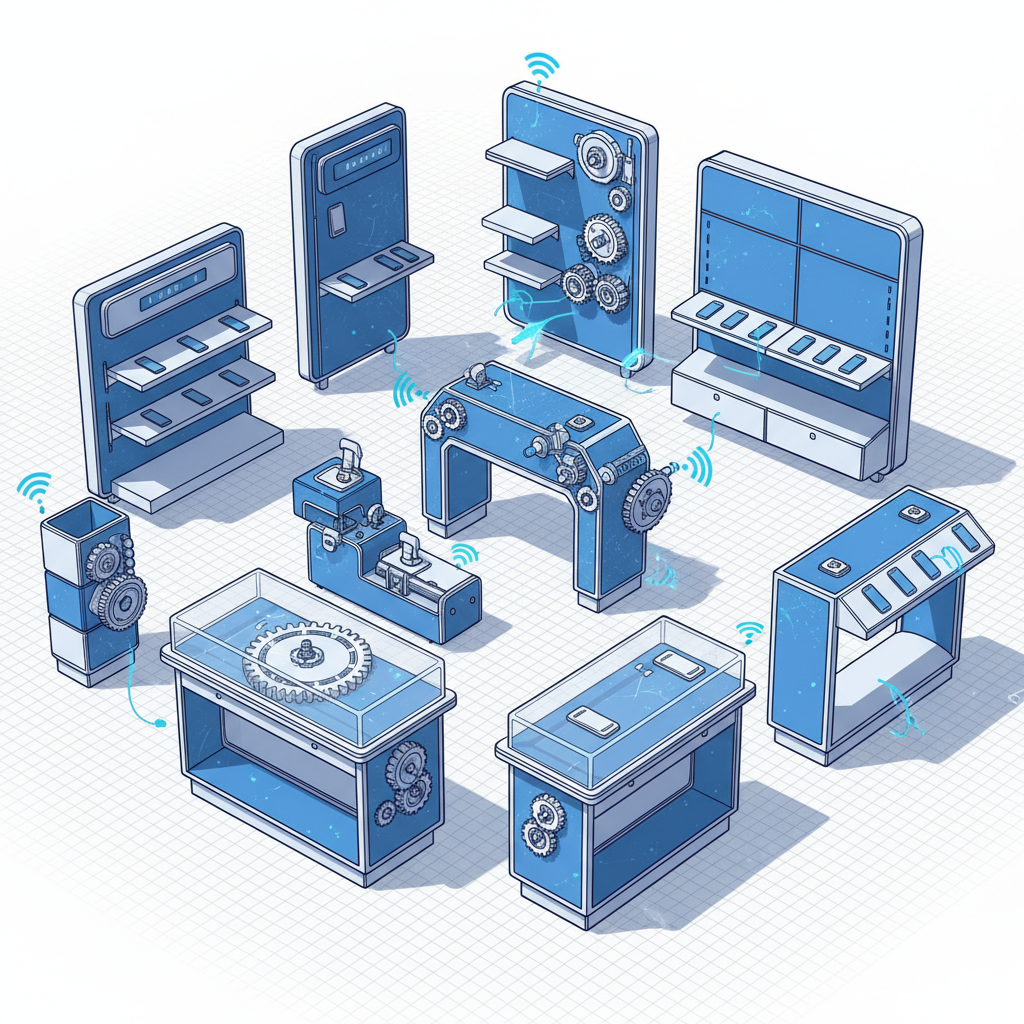
Wireless store solutions encompass a comprehensive range of retail fixtures and systems designed for ease of installation, reconfiguration, and adaptation. Unlike traditional store fittings that often require specialized tools and labor, these solutions prioritize modularity and intuitive assembly. This includes display counters, racks, stands, wall bays, and even complete store design packages.
The ‘wireless’ aspect refers not necessarily to a lack of electrical wiring (though some solutions incorporate wireless lighting or data connectivity), but rather to the freedom from rigid, permanent installations. It’s about the ability to easily connect and disconnect components without the need for extensive modifications to the store infrastructure. This aligns with the growing trend towards agile retailing and the need for rapid response to market changes.
These solutions directly address modern challenges like supply chain disruptions, shifting consumer preferences, and the demand for personalized shopping experiences. By empowering retailers with the ability to quickly adapt their store layouts and displays, wireless systems provide a competitive edge in a fast-paced market.
Core Components of Effective Solutions
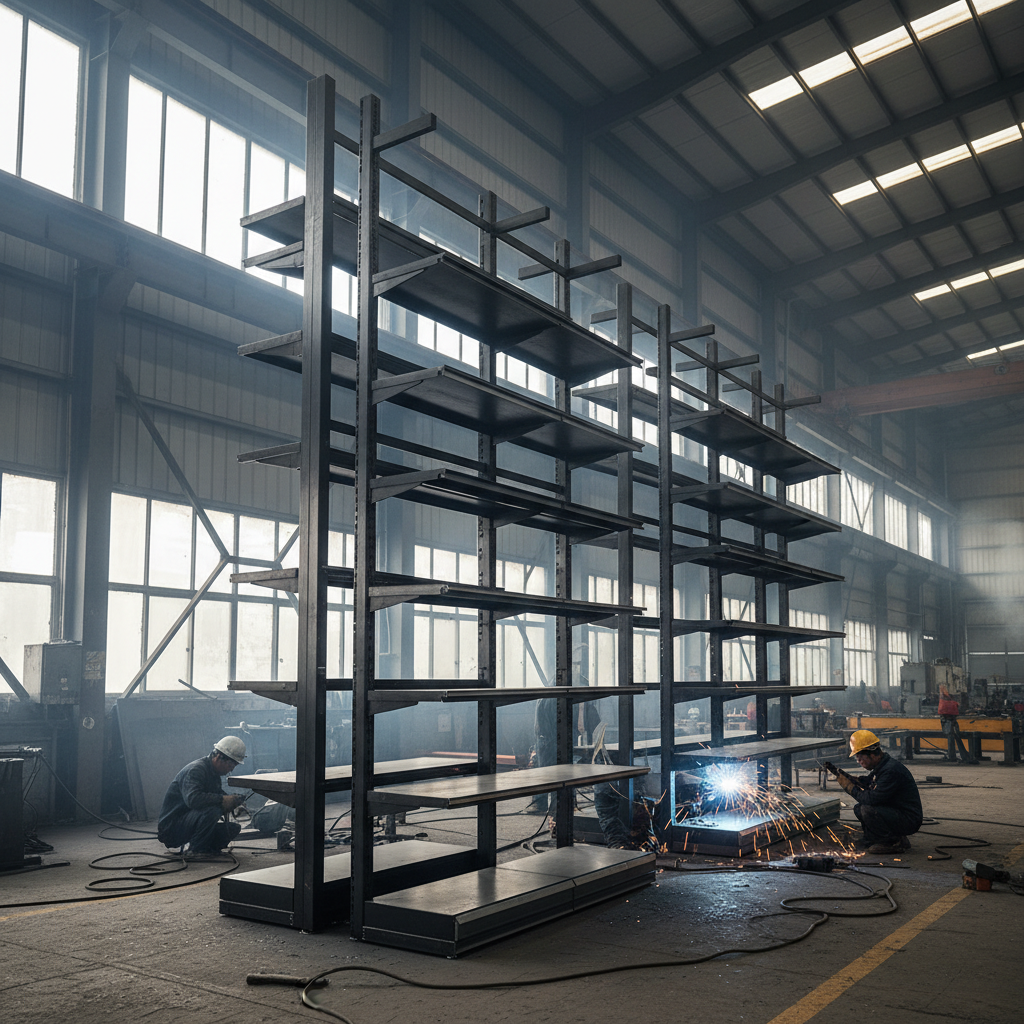
Several key components contribute to the effectiveness of wireless store solutions. Firstly, Modularity is essential. The ability to break down a system into individual, interchangeable parts allows for a high degree of customization and reconfiguration. Secondly, Durability is paramount, ensuring the system can withstand the rigors of a retail environment.
Thirdly, Scalability allows retailers to easily expand or contract their display space as needed. This is particularly important for businesses experiencing growth or seasonal fluctuations in demand. Fourthly, Cost Efficiency is critical; initial investment and ongoing maintenance costs should be carefully considered. A well-designed system should offer a strong return on investment over its lifespan.
Finally, Aesthetics play a significant role. The system should complement the store’s overall brand image and create a visually appealing environment for customers. Materials, finishes, and design elements should be carefully selected to reflect the desired aesthetic. These components collectively contribute to the overall value and effectiveness of wireless store solutions.
Global Applications and Use Cases
The applications of wireless store solutions are diverse and span a wide range of retail sectors. In fashion retail, these systems allow for rapid changes to displays, reflecting the latest trends and seasonal collections. Cosmetics stores benefit from the ability to create dynamic displays showcasing new products and promotions.
In electronics stores, wireless systems facilitate the presentation of a variety of devices and accessories, while also enabling easy access for customers to interact with the products. Cell phone and electronics stores particularly benefit from the adaptability needed to showcase constantly evolving technology. Shoe and bag stores utilize these systems to maximize space and create visually appealing displays of their inventory.
Globally, these solutions are being adopted by retailers in major markets like North America, Europe, and Asia. In Europe, the emphasis on sustainable retail practices drives demand for durable and reusable systems. In Asia, the rapid growth of e-commerce and omnichannel retail creates a need for adaptable store formats.
Performance of Wireless Store Solutions Methods
Advantages and Long-Term Value
The advantages of adopting wireless store solutions extend beyond mere flexibility. From a cost perspective, the reduced labor and downtime associated with reconfiguration translate into significant savings. Furthermore, the durability of these systems ensures a longer lifespan compared to traditional fixtures, minimizing replacement costs.
Sustainability is another key benefit. By utilizing modular and reusable components, these solutions reduce waste and minimize the environmental impact of store renovations. Socially, a well-designed store environment enhances the shopping experience for customers, fostering loyalty and brand affinity. The reliability of these systems ensures minimal disruption to retail operations.
Future Trends and Innovations
The future of wireless store solutions is poised for significant innovation. We anticipate increased integration with digital technologies, such as interactive displays and data-driven merchandising. The incorporation of smart sensors and analytics will allow retailers to track customer behavior and optimize display layouts in real-time.
Sustainability will continue to be a driving force, with a focus on developing systems from recycled and renewable materials. The rise of augmented reality (AR) and virtual reality (VR) will further enhance the shopping experience, allowing customers to visualize products in their own homes before making a purchase.
Addressing Challenges and Finding Solutions
Despite their numerous benefits, wireless store solutions face certain challenges. One common concern is the initial investment cost, which may be higher than that of traditional fixtures. However, this cost can be offset by the long-term savings in labor, maintenance, and replacement costs.
Another challenge is ensuring seamless integration with existing store infrastructure. Careful planning and collaboration with experienced designers are essential to avoid compatibility issues. Finally, maintaining a consistent brand aesthetic across all store locations requires a standardized approach to design and implementation.
To overcome these challenges, retailers should prioritize careful planning, invest in high-quality systems, and partner with reputable suppliers like Chshopdisplay, which can provide expert guidance and support. By proactively addressing these challenges, retailers can unlock the full potential of wireless store solutions.
Core Benefits of Wireless Store Solutions
| Feature |
Implementation Difficulty (1-10) |
Cost-Effectiveness (1-10) |
Impact on Customer Experience (1-10) |
| Modularity and Flexibility |
3 |
9 |
8 |
| Ease of Assembly/Disassembly |
2 |
10 |
7 |
| Durability and Longevity |
5 |
8 |
6 |
| Scalability and Adaptability |
4 |
7 |
9 |
| Aesthetic Appeal |
6 |
7 |
9 |
| Integration with Technology |
7 |
6 |
8 |
FAQS
Switching to wireless store solutions offers a multitude of benefits, including increased flexibility in store layout, reduced labor costs associated with reconfiguration, and enhanced ability to adapt to changing consumer trends. They allow for faster product launches, improved visual merchandising, and a more dynamic shopping experience for customers. Moreover, the modularity contributes to long-term cost savings by reducing replacement needs and enabling easy upgrades.
The initial investment for wireless store solutions can be slightly higher than traditional fixtures. However, a comprehensive cost analysis reveals that the long-term benefits often outweigh this initial expense. Reduced labor costs for reconfiguration, lower maintenance requirements, increased sales due to improved merchandising, and the extended lifespan of modular components contribute to a strong return on investment over time.
Wireless store solutions are incredibly versatile and adaptable, making them suitable for a wide range of retail environments, including fashion boutiques, cosmetics stores, electronics retailers, grocery stores, and more. The modularity allows for customization to fit specific store layouts and branding requirements. However, careful planning and assessment of space constraints are crucial for optimal implementation.
One of the key advantages of wireless store solutions is their ease of installation and reconfiguration. Most systems are designed for tool-less assembly, requiring minimal technical expertise. However, for complex installations or custom designs, it’s recommended to engage a professional installer to ensure proper setup and structural integrity. Clear instructions are typically provided with all components.
Wireless store solutions promote sustainability through several avenues. The modularity and reusability of components reduce waste associated with frequent store renovations. Many systems are manufactured from recycled or renewable materials, minimizing their environmental footprint. Furthermore, the durability of these systems ensures a longer lifespan, reducing the need for frequent replacements.
Yes, wireless store solutions are designed to seamlessly integrate with digital signage, interactive displays, and other retail technologies. This allows for dynamic merchandising, personalized customer experiences, and data-driven insights into consumer behavior. Many systems offer built-in wiring channels or mounting options for easy integration with these technologies, further enhancing their functionality.
Conclusion
In conclusion, wireless store solutions represent a transformative approach to retail design and merchandising. Their inherent flexibility, cost-effectiveness, and sustainability benefits make them an increasingly attractive option for retailers seeking to optimize their store environments and enhance the customer experience. By embracing these solutions, businesses can adapt quickly to changing market demands and gain a competitive edge in the evolving retail landscape.
Looking ahead, the integration of advanced technologies and a continued focus on sustainable practices will drive further innovation in this field. We encourage retailers to explore the possibilities offered by wireless store solutions and invest in systems that will empower them to thrive in the future of retail. Visit our website at www.chshopdisplay.com to learn more and discover how we can help you create a dynamic and engaging store environment.