
Dec . 01, 2025 18:40 Back to list
Retail Merchandising Fixtures: Boost Your Store’s Appeal and Efficiency
Understanding Retail Merchandising Fixtures: A Key to Modern Retail Success
If you’ve ever wandered through a store and found your favorite product neatly displayed, well-lit, and easily accessible, chances are retail merchandising fixtures had something to do with that seamless experience. But beyond the aesthetics and convenience lies a complex, global industry keen on optimizing how products meet consumers. Retail merchandising fixtures — the shelves, racks, display cases, and stands — are far more than mere furniture; they’re crucial cogs in the retail engine, influencing sales, branding, and customer satisfaction. Given how worldwide retail sales topped $25 trillion in recent years (World Bank, 2023), understanding merchandising fixtures means appreciating the silent workhorses behind billions of dollars in commerce daily.
Frankly, whether you’re a small boutique owner in Paris or a mega supermarket chain in São Paulo, the fixtures you choose can make or break your customer’s shopping journey.
retail merchandising fixtures have quietly shaped the business world for decades—let’s unpack why that matters today.Why Retail Merchandising Fixtures Matter Globally: The Industry Context
Globally, retail is an ever-expanding beast. The demand for intuitive store layouts and interactive product showcases responds directly to evolving consumer expectations. According to the United Nations Conference on Trade and Development (UNCTAD, 2022), global retail trade accounts for a significant portion of GDPs worldwide, and efficient merchandising plays a surprisingly large role in retail productivity.
However, retailers face stiff challenges. High operational costs, demand for sustainable and adaptable displays, and the pressure to innovate collide in the world of merchandising fixtures. A poorly designed fixture can mean lost sales, wasted space, or worse — a clunky brand image. This is where the right merchandising fixtures come into play, bridging supply chain variables with consumer experience in ways that few other tools can.
Mini Takeaway:
- The global retail industry's success partially hinges on strategic merchandising fixtures.
- Modern demands require fixtures that balance cost, durability, and aesthetics.
What Are Retail Merchandising Fixtures, Really?
In simple terms, retail merchandising fixtures refer to any physical structures used to display, organize, and showcase products within stores. This includes everything from modular shelves, gondola racks, display islands, to point-of-purchase stands and signage holders. If the product’s getting a spotlight to catch your eye, chances are a fixture is behind it.
They’re not just about looks, either—fixtures are an intersection point between logistics, design, and consumer psychology. Their utility extends beyond normal retail environments too, often finding use in humanitarian logistics (think: mobile pharmacies in remote areas) or pop-up markets that require rapid assembly and breakdown. The connection to modern retail and humanitarian efforts often comes down to adaptability and efficiency.
Mini Takeaway:
- Fixtures aren’t just shelves — they’re carefully engineered retail tools.
- They cater to both commercial and emergency settings, demonstrating versatility.
Key Components That Define Smart Retail Merchandising Fixtures
1. Durability — Built to Last Through Intensive Use
Store fixtures endure heavy wear — product stocking, customer interaction, cleaning — so materials like steel, quality plastics, or wood composites are standard. Many engineers champion modular designs that can be repaired or replaced quickly, which reduces long-term costs. It’s not uncommon for some fixtures to withstand years of daily abuse — oddly enough, they become the unsung heroes of retail.
2. Scalability & Flexibility
Retailers need fixtures that evolve with shifting inventories or seasonal changes. Adjustable shelving, customizable racks, and stackable units offer this flexibility. Imagine a small corner store transforming rapidly to handle holiday rushes or a tech store regularly displaying new gadgets — fixtures must keep pace or become obsolete.
3. Cost Efficiency
It’s tempting to splurge on glamorous displays, but savvy retailers seek a balance between upfront fixture costs and expected lifespan/performance. Some fixture manufacturers offer leasing or rental models to ease cash flow hurdles, especially for startups or temporary outlets.
4. Aesthetics & Branding
Fixtures are silent brand ambassadors; their color, style, and layout reflect brand identity. For premium brands, custom-designed displays convey exclusivity, while big-box stores focus on clean, functional designs that emphasize volume.
5. Sustainability
The future is green. More fixtures today are made from recycled materials or are designed for end-of-life recyclability. Retailers can improve their environmental footprint just by selecting sustainable fixtures — an increasingly demanded factor by eco-conscious consumers.
Mini Takeaway:
- Effective fixtures combine resilience, adaptability, cost-effectiveness, and style.
- Sustainability is becoming a vital decision factor.
Practical Uses: How Retail Merchandising Fixtures Make a Global Impact
Retail fixtures aren’t just deployed in shiny urban shopping malls. Their applications range broadly:
- Developing markets in Africa & Southeast Asia: Fixtures enable organized micro-retail shops gaining traction with rural consumers.
- Post-disaster humanitarian relief: Temporary fixtures help organize vital goods distribution efficiently at refugee camps and aid stations.
- Large-scale supermarkets & hypermarkets: Fixtures optimize floor space and boost sales through impulse product placements.
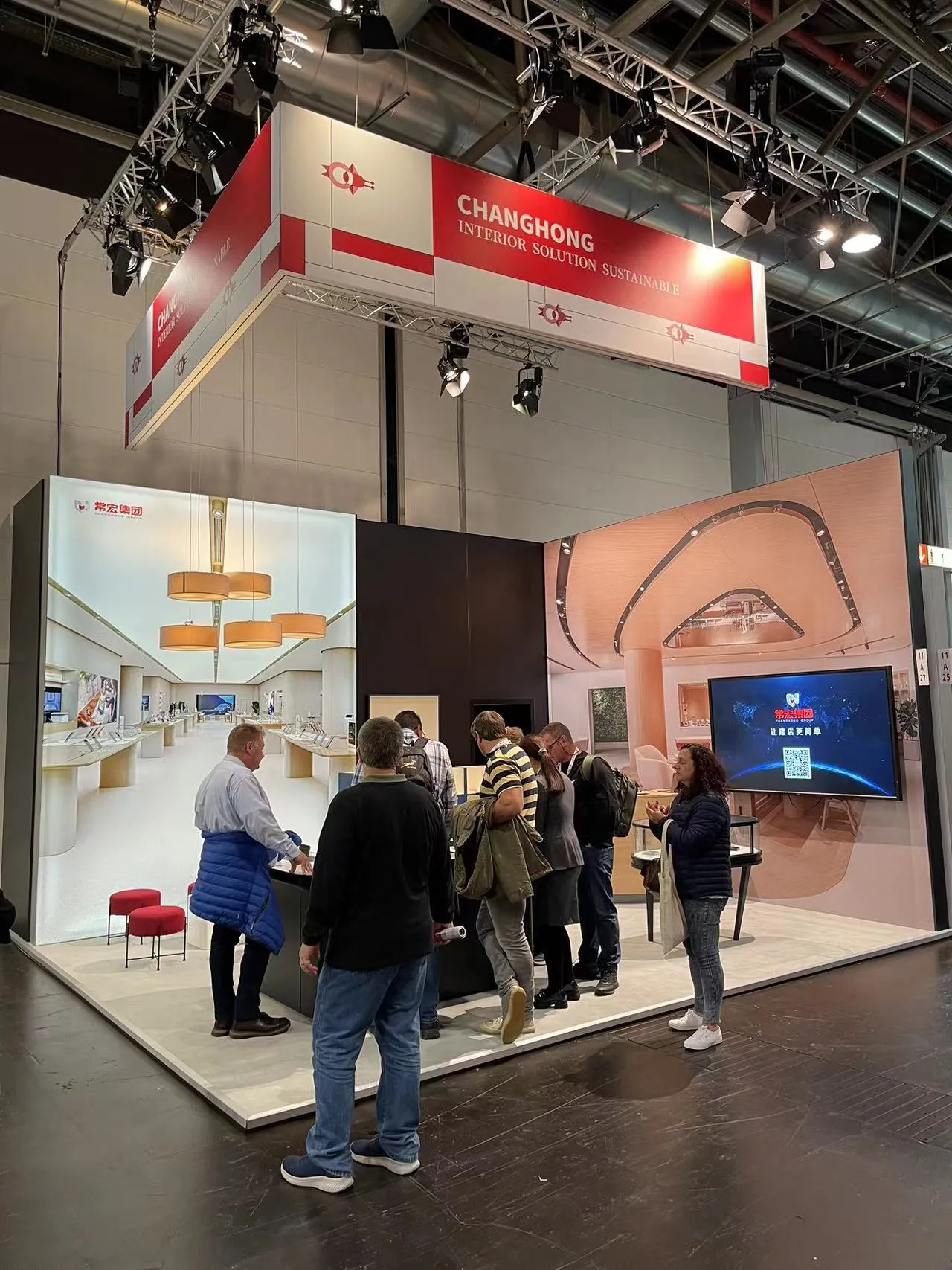
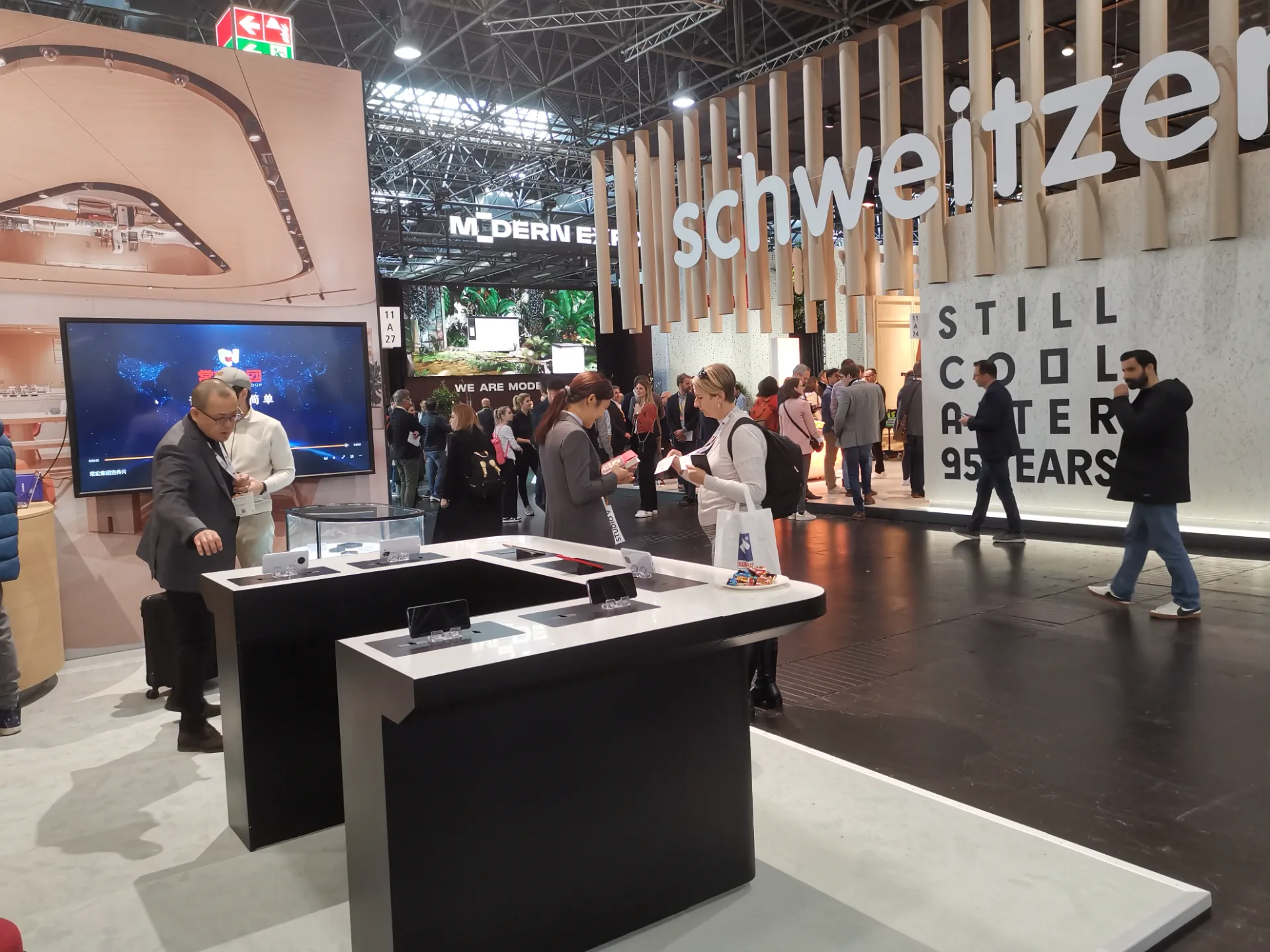
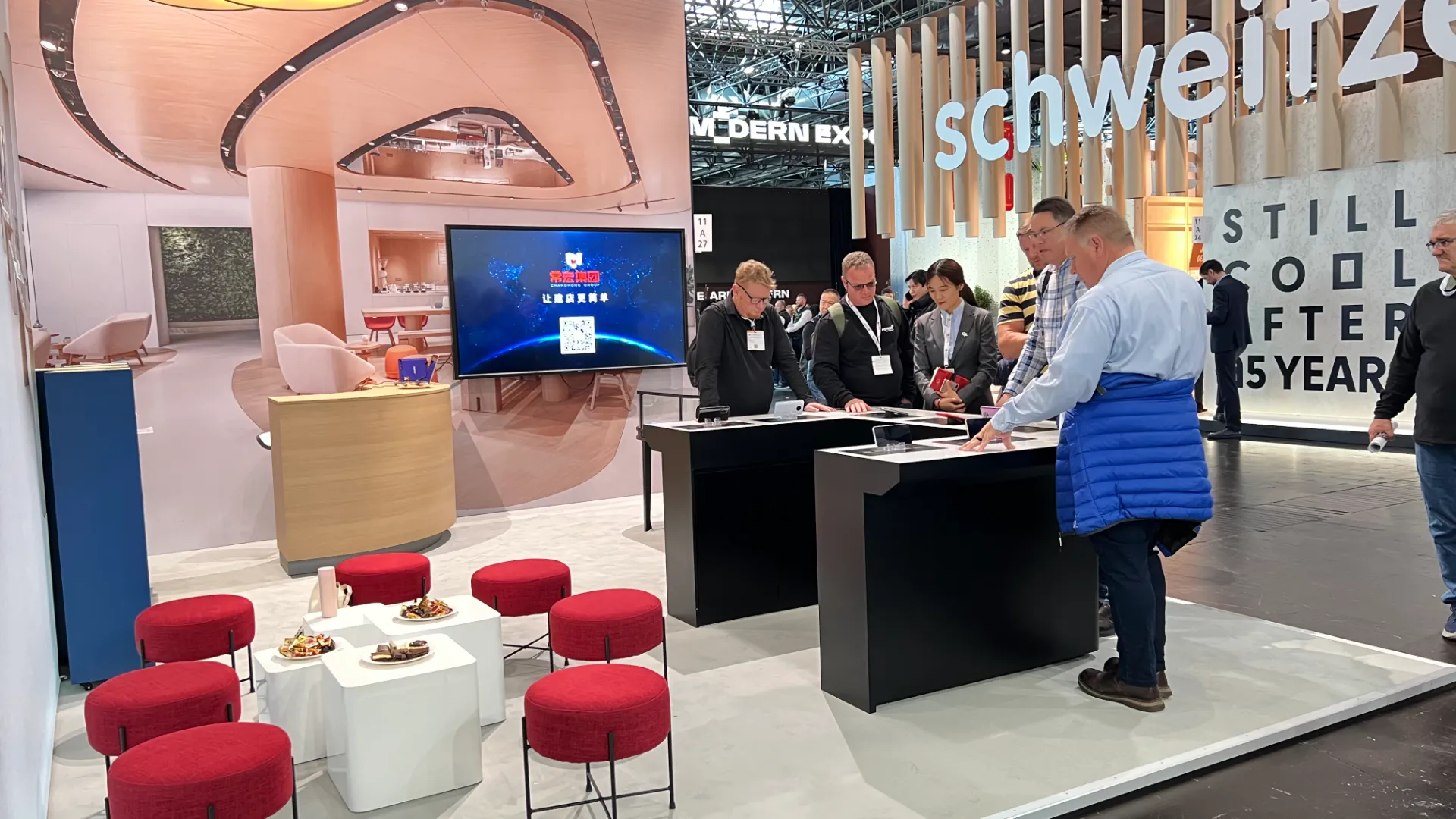
- Pop-up shops and trade shows: Portable, lightweight fixtures aid fast set-up and tear-down, adapting to transient retail spaces.
One memorable example is a Southeast Asian NGO that employed modular fixtures for mobile clinics, allowing pop-up medicine displays with minimal installation time — enhancing emergency healthcare delivery. It’s a reminder that retail fixtures serve humanitarian needs, too, beyond sale floors.
Mini Takeaway:
- Fixtures adapt to markets from mega malls to emergency zones.
- They play a surprisingly vital role in social welfare logistics as well.
Product Specification Table for Typical Retail Merchandising Fixtures
| Specification | Typical Value |
|---|---|
| Material | Powder-coated steel / Acrylic panels / MDF wood |
| Load Capacity | Up to 200 kg per shelf |
| Modularity | Adjustable shelves & detachable units |
| Dimensions (Typical) | 120cm H x 90cm W x 40cm D |
| Finish Options | Matte, Glossy, Custom-brand colors |
| Sustainability | Recyclable materials / Eco-friendly coatings |
Vendor Comparison: Choosing the Right Partner for Your Retail Fixtures
| Vendor | Customization | Lead Time | Sustainability | Price Range |
|---|---|---|---|---|
| CH Shop Display | High – bespoke and modular | 2–3 weeks | Eco-friendly materials | Mid-range |
| Global Merch Fixtures Co. | Medium – standard models | 4–6 weeks | Limited | Budget-friendly |
| EcoDisplay Solutions | Low – standard range | 3–5 weeks | Certified sustainable | Premium |
Advantages & Long-Term Benefits of Quality Retail Fixtures
Choosing the right fixtures is more than a simple purchase — it’s a strategic investment. Cost-wise, durable fixtures extend longevity and reduce frequent replacements, which keeps budgets sane over time. Emotionally, they build customer trust — a neat, well-designed display conveys care and professionalism, enhancing brand loyalty. Plus, sustainability adds a feel-good factor for consumers increasingly anchoring purchasing decisions in environmental awareness.
From a business logic perspective, good fixtures ease store operations, improve product visibility, and directly impact sales velocity. When you think about it, a good fixture not only holds a product but kind of "elevates" it to its best potential — a tricky and underappreciated role in retail.
Emerging Trends & Innovations in Retail Fixtures
Manufacturers are increasingly integrating:
- Smart technology: Digital signage, RFID-enabled shelves for inventory tracking.
- Eco-friendly materials: Bamboo composites, recycled plastics, and low-VOC finishes.
- Modular and lightweight designs: For faster deployment and transport, especially in pop-ups.
- Automation: Automated re-stocking alerts and interactive product displays.
Oddly enough, some stores are even experimenting with augmented reality (AR) fixtures — imagine scanning a fixture to view product info or offers instantly. It’s a fascinating leap that might make you pause your online shopping spree… and visit a physical store again.
Common Challenges & How to Overcome Them
Problems arise with heavy upfront costs, fixture incompatibility with certain store layouts, and environmental concerns related to disposable or short-lived products. But vendors increasingly offer consultation services to help with tailored designs, and modular systems mitigate inflexibility. For eco-impact, certifications and use of reclaimed materials are becoming industry standards.
Also, logistics and storage of large fixtures can trip up smaller retailers, but collapsible or portable units help manage space efficiently.
FAQ: Practical Answers on Retail Merchandising Fixtures
- What are the benefits of modular retail fixtures over fixed shelving?
- Modular fixtures allow easy adjustment of shelves and configurations, adapting to changing product lines and store layouts. This flexibility saves costs over time and supports seasonal or promotional shifts efficiently.
- How sustainable are typical retail merchandising fixtures?
- Many fixtures today use recyclable materials and eco-friendly finishes, significantly reducing environmental impact versus older models made from non-recyclable plastics or treated woods.
- Can fixtures be customized to fit unique store themes or branding?
- Absolutely. Many vendors offer bespoke design services, allowing businesses to maintain consistent branding through colors, logos, and unique shapes or sizes tailored to their product lineup.
- What’s the typical lead time for ordering custom retail fixtures?
- Lead times vary, but most customized fixtures are delivered within 2–6 weeks, depending on complexity and vendor capability. Planning ahead is essential to avoid delays.
- Are rental or leasing options available for retail fixtures?
- Yes, some manufacturers provide leasing plans, helpful for temporary stores or startups keen on minimizing capital expenditures while testing markets.
In Conclusion: Why Retail Merchandising Fixtures Are Worth Your Attention
In the vast landscape of retail, these often-overlooked fixtures quietly shape consumer behavior and business outcomes. They are more than display aids; they’re strategic assets blending functionality, style, and eco-conscious innovation. Whether you’re aiming to enhance shopper experience, optimize sales, or innovate sustainably, investing time in selecting the right retail merchandising fixtures offers long-term dividends.
Curious to explore your options? Visit our website for practical solutions designed to fit your unique retail environment: https://www.chshopdisplay.com.
References
Latest news
-
Choosing the Best Glass Showcase for Home to Elevate Interiors
NewsApr.16,2026
-
The Ultimate Guide to Choosing a Luxury Jewelry Showcase
NewsApr.09,2026
-
Choosing the Right Glass Showcase to Enhance Your Retail Display and Security
NewsApr.07,2026
-
Elevate Your Antique Store with Timeless Antique Store Fixtures
NewsApr.04,2026
-
Optimizing Retail Spaces with Effective Fixtures in Stores
NewsMar.31,2026
-
Optimizing Retail Spaces with Effective Retail Merchandising Fixtures
NewsMar.28,2026