
Dec . 01, 2025 18:05 Back to list
Enhance Your Store’s Appeal with Innovative Retail Fixture Solutions | CH Shop Display
The Growing Importance of Retail Fixture Solutions in Today’s Global Market
If you’ve ever wandered through a beautifully arranged store or admired a slick product display, you’ve likely experienced the impact of retail fixture solutions without even realizing it. These are the specialized systems and structures that organize, showcase, and optimize how merchandise is presented—playing a surprisingly big role in influencing customer behavior worldwide. In a market where the average consumer is bombarded by thousands of product choices daily, effective retail fixtures are the unsung heroes that help brands stand out and convert browsers into buyers.
Globally, the retail industry is booming with an estimated market size soaring beyond $25 trillion USD in 20231. With increasing urbanization and evolving consumer preferences, the demand for innovative retail fixture solutions has grown rapidly. These solutions are key not just for aesthetics, but for operational efficiency, inventory management, and even sustainability targets.
Mini takeaway: Retail fixture solutions quietly shape the shopping experience worldwide, boosting sales, supporting brand stories, and driving sustainability.
Understanding Retail Fixture Solutions: What Are They Exactly?
So, what do we mean by “retail fixture solutions”? At their core, these refer to the physical tools—shelving, display cases, racks, signage holders, and interactive installations—that stores use to present their products most effectively. But it’s not just about slapping some shelves on a floor. These fixtures are thoughtfully designed systems tailored to help maximize space, guide customer flow, and highlight key items or promotions.
Interestingly, these solutions also tie deeply into modern retail technologies like digital price tagging, IoT-enabled inventory tracking, and adaptable modular units that can transform stores on the fly. In humanitarian terms, similar fixture principles help optimize distribution centers and supply chains in disaster relief—showing how versatile the concept can be beyond just sales floors.
Mini takeaway: Retail fixture solutions are more than mere shelves—they’re strategic elements crafted to adapt, inform, and inspire within diverse environments.
Core Components of Effective Retail Fixture Solutions
1. Durability
Retail fixtures need to withstand constant foot traffic, product weight, and sometimes rough handling. Materials like high-grade steel, tempered glass, or engineered wood offer lasting structural integrity. Frankly, a wobbly display quickly translates to a poor brand impression.
2. Scalability & Flexibility
More stores want modular setups that grow or shift with trends and seasons. Fixtures designed with adjustable shelves or mobile components let retailers effortlessly change layouts. This adaptability is critical for pop-ups, seasonal sales, or new product rollouts.
3. Aesthetic Appeal
The look and feel of fixtures are integral to brand identity. A luxury boutique demands sleek minimalism, while a toy store might need colorful, playful shapes. Designers carefully select finishes, colors, and lighting features that complement brand storytelling.
4. Cost Efficiency
Beyond the upfront price, durability, maintenance costs, and ease of installation weigh heavily on decision-making. Ideally, a retail fixture balances upfront investment with lifecycle savings. Many suppliers now offer leasing or refurbishing options to meet budget flexibility needs.
5. Sustainability
With rising demand for green retailing, fixtures built from recycled or responsibly sourced materials are gaining ground. Energy-efficient lighting and designs that enable product longevity also contribute to minimizing environmental footprints.
6. Technological Integration
Smart fixtures can incorporate lighting sensors, digital display screens, and NFC tags for instant product information. This blend of physical and digital creates immersive shopping that’s also data-driven.
Mini takeaway: Durability, flexibility, visual allure, cost, sustainability, and tech readiness are some of the intertwined pillars that define top-grade retail fixture solutions.
Retail Fixture Solutions in Action Around the World
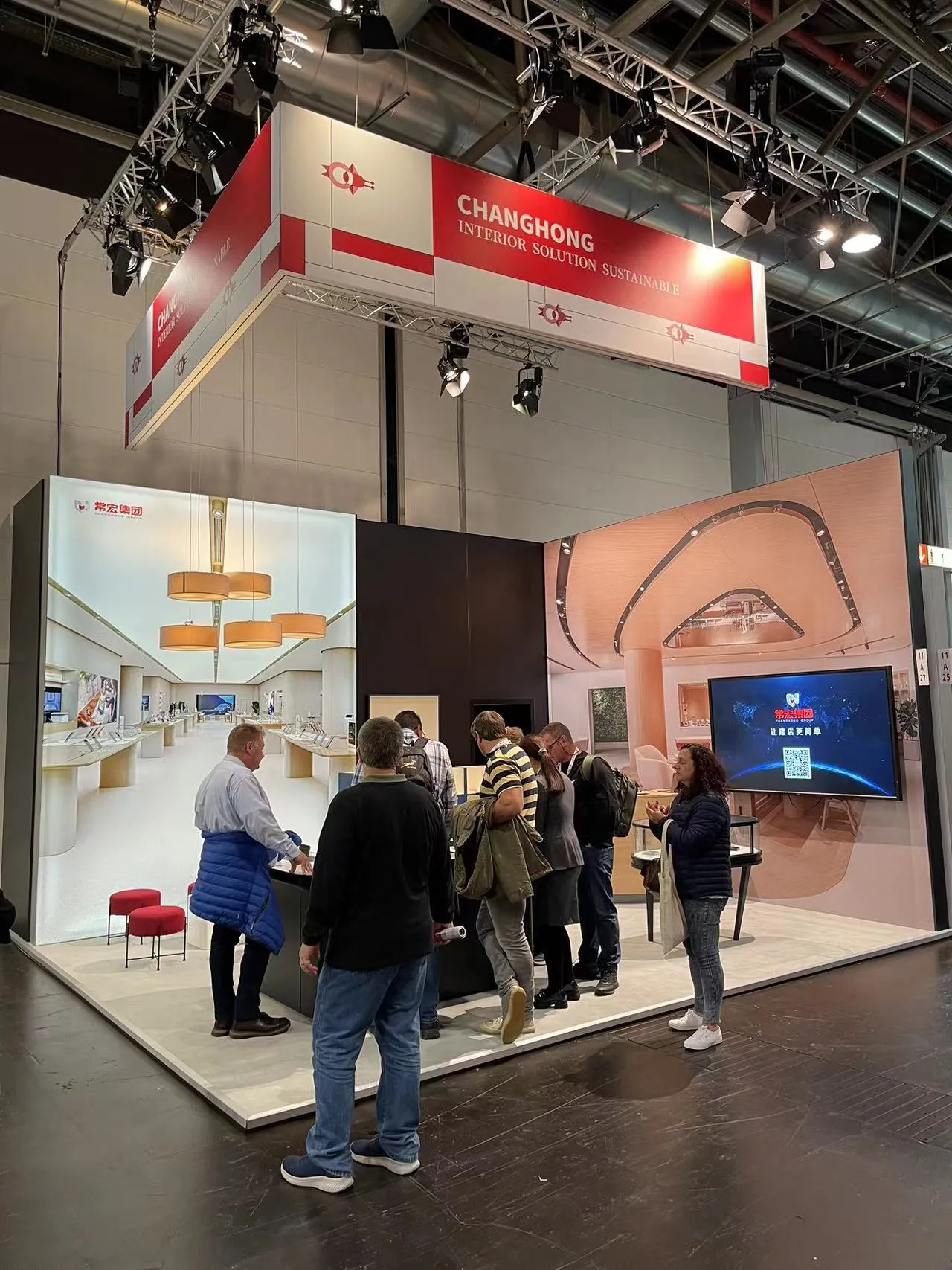
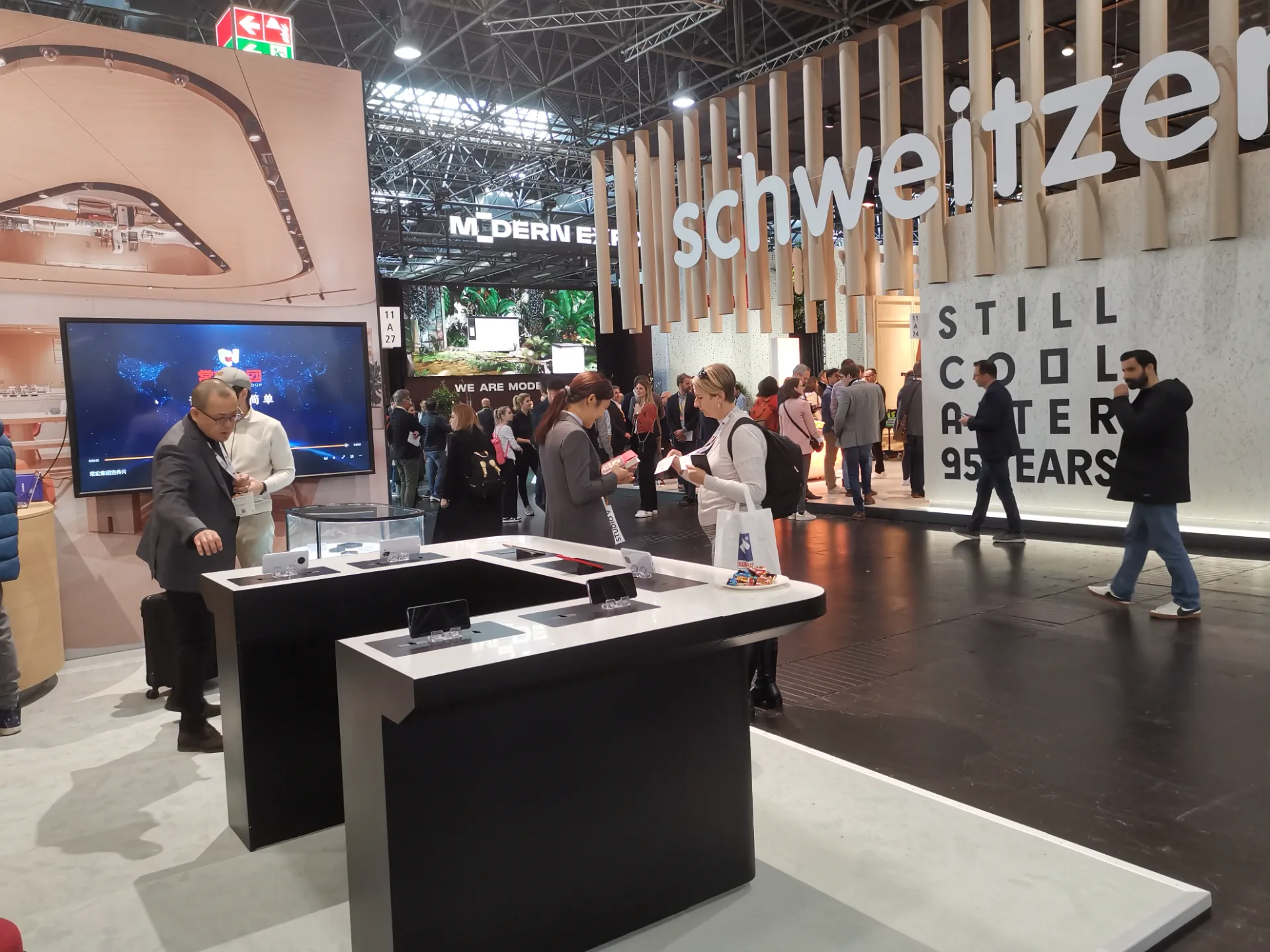
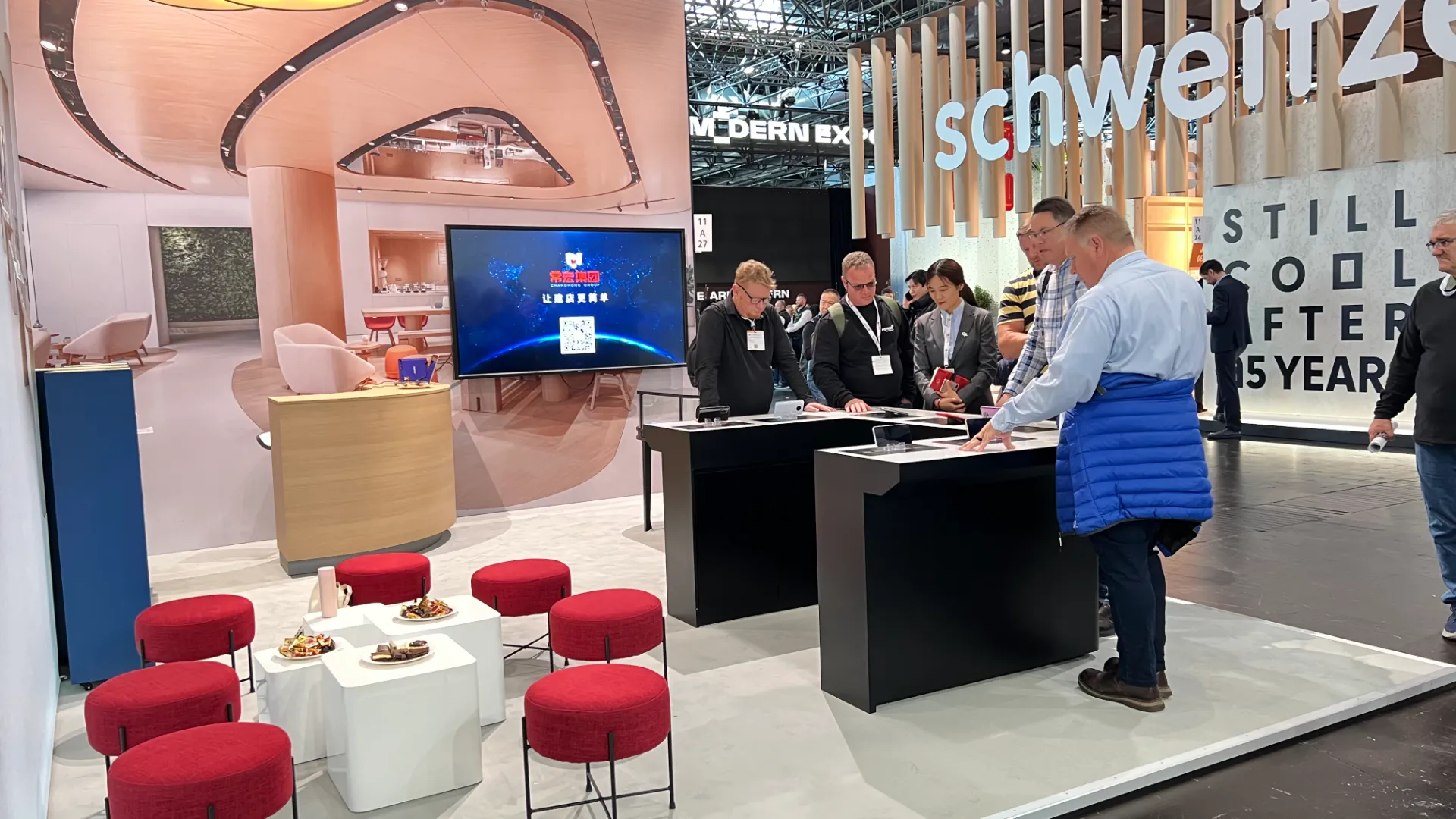
Retail fixture solutions find their way into many corners of the globe, often customized per regional preferences and economic contexts. In North America and Europe, high-end boutiques and big-box retailers lean on cutting-edge displays that seamlessly merge design with digital interaction.
Meanwhile, in emerging markets like Southeast Asia and Africa, fixtures often focus on durability and cost-effectiveness to handle hotter climates and busy urban centers.
Oddly enough, in humanitarian sectors worldwide, adaptable retail fixtures inform how supplies are organized—think temporary markets in refugee camps or mobile pharmacies in remote regions. These solutions optimize delivery and improve dignity by neatly presenting essentials.
Example: Post-Disaster Recovery
After natural disasters, quick-to-deploy temporary retail setups help displaced populations access goods and essentials—turning chaos into structured, hopeful hubs. Fixtures that are lightweight, modular, and easy to transport are invaluable here.
Example: Sustainable Retail in Europe
European retailers increasingly incorporate eco-friendly materials like bamboo or recycled plastics in their fixtures, appealing to growing consumer demand for sustainability while cutting waste.
Mini takeaway: Retail fixture solutions adapt globally—from high-tech malls to remote aid operations—highlighting their versatile and vital role.
Product Specification Table: Typical Retail Fixture Solution
| Feature | Specification | Benefit |
|---|---|---|
| Material | Powder-coated steel & tempered glass | Durability & modern look |
| Dimensions | 72" H x 36" W x 18" D (Adjustable shelves) | Fits various products, adaptable; saves space |
| Weight Capacity | Up to 150 kg per shelf | Suitable for heavy merchandise |
| Lighting | Integrated LED strips (dimmable) | Enhances product visibility; energy efficient |
| Sustainability | Recyclable components & low VOC paint | Environmentally responsible choice |
Vendor Comparison of Popular Retail Fixture Providers
| Feature | ChShopDisplay | StorePro Fixtures | FixtureXperts |
|---|---|---|---|
| Customization | High—modular & tailored solutions | Medium—standardized models | High—custom graphics and tech add-ons |
| Lead Time | 2–4 weeks | 3–6 weeks | 4–5 weeks |
| Sustainability Focus | Strong use of recycled materials | Standard materials | Energy-efficient fixture tech |
| Price Range | Mid to high | Low to mid | High |
| Tech Integration | Smart lighting & digital displays | Basic | Interactive IoT fixtures |
Advantages and Long-Term Benefits of Retail Fixture Solutions
Let’s be frank: investing in quality retail fixtures does more than spruce up stores. It builds trust and emotional connection. Customers feel more welcomed in well-organized spaces, taking their time instead of rushing past clutter. For businesses, well-planned fixtures boost inventory turnover and reduce shrinkage by limiting product damage or theft.
Sustainability considerations also position brands as responsible leaders. According to the ISO 14001 environmental management standards, brands adopting eco-friendly fixtures can improve compliance and waste reduction—saving costs and appealing to conscious buyers.
Finally, these solutions promote safety—sturdy fixtures minimize accidents, adding peace of mind for staff and customers alike.
Emerging Trends Shaping Retail Fixture Solutions
Future-ready fixtures are going digital, sustainable, and ultra-personalized. A few interesting trends include:
- Green Materials: Advances in bioplastics and recycled metals are replacing traditional fixtures to reduce ecological footprints.
- Digital Integration: QR codes, touchscreens, and dynamic lighting respond to shopper behavior in real time.
- Automation: Robots and AI-powered inventory trackers make shelf stocking smarter and faster.
- Modular Design: Snappy assembly and reconfiguration suit the agility demanded by omni-channel retail strategies.
It's exciting to see how technology and design keep reinventing something as seemingly simple as a shelf.
Common Challenges with Retail Fixture Solutions and How to Fix Them
However, not everything is smooth sailing. One challenge is the upfront cost of premium fixtures, which can intimidate smaller retailers.
Also, balancing flexibility with sturdiness is an ongoing design struggle—a fixture that’s too light risks damage, but too heavy limits mobility.
Vendor reliability and lead times add another wrinkle for fast-paced retail environments.
Solutions? Leasing options and modular kits lower entry barriers.
Using hybrid materials blends strength with maneuverability.
And trusted suppliers like retail fixture solutions providers prioritize clear communication and rapid delivery to keep retailers nimble.
FAQ: Your Questions About Retail Fixture Solutions
- Q: How can I choose the right materials for my retail fixtures?
- Focus on your store environment and product types. For heavy goods, steel or wood is ideal; for lightweight items, acrylic or aluminum may suffice. Sustainability is also key—look for recyclable or low-VOC options.
- Q: Are modular fixture solutions cost-effective long term?
- Yes, the upfront investment pays off because you can reconfigure your displays rather than buying new ones. It reduces downtime and adapts to changing sales cycles without costly renovations.
- Q: Can I integrate digital technology into existing fixtures?
- Absolutely. Many fixtures are designed for add-ons like LED lighting, NFC tags, or touchscreens. Consult vendors about compatibility to retrofit your current setups effectively.
- Q: Do retail fixture solutions impact customer buying behavior noticeably?
- Studies show that well-designed displays increase product visibility and perceived value, encouraging longer customer dwell time and higher conversion rates.
- Q: How do retailers ensure sustainability when installing new fixtures?
- Choose suppliers committed to environmentally friendly materials, modular designs that reduce waste, and fixtures that can be refurbished or recycled at end-of-life stages.
Wrapping It Up: Why Retail Fixture Solutions Matter
At this point, it’s clear that retail fixture solutions aren’t “just shelves” but strategic investments shaping how customers feel, shop, and remember brands. From improving operational efficiency to supporting sustainability goals and enhancing safety, the benefits are broad and long-lasting.
If you’re curious to explore tailored, durable, and innovative retail fixtures that can elevate your store’s appeal and productivity — don’t hesitate to visit our website: retail fixture solutions.
References:
Latest news
-
Choosing the Best Glass Showcase for Home to Elevate Interiors
NewsApr.16,2026
-
The Ultimate Guide to Choosing a Luxury Jewelry Showcase
NewsApr.09,2026
-
Choosing the Right Glass Showcase to Enhance Your Retail Display and Security
NewsApr.07,2026
-
Elevate Your Antique Store with Timeless Antique Store Fixtures
NewsApr.04,2026
-
Optimizing Retail Spaces with Effective Fixtures in Stores
NewsMar.31,2026
-
Optimizing Retail Spaces with Effective Retail Merchandising Fixtures
NewsMar.28,2026