

Apr . 04, 2026 02:25 Back to list
Elevate Your Antique Store with Timeless Antique Store Fixtures
Choosing the Right Antique Store Fixtures for Your Business
Creating an inviting and visually appealing atmosphere is crucial for the success of any antique store. A key element in achieving this is selecting the right antique store fixtures. These aren't just displays; they're integral to the storytelling, setting the mood, and ultimately driving sales. This article will guide you through the process of choosing fixtures that complement your inventory, enhance your store's aesthetic, and attract customers. We'll explore different types of fixtures, materials, considerations for layout, and how to find the perfect pieces to showcase your unique collection.
Understanding Different Types of Antique Store Fixtures
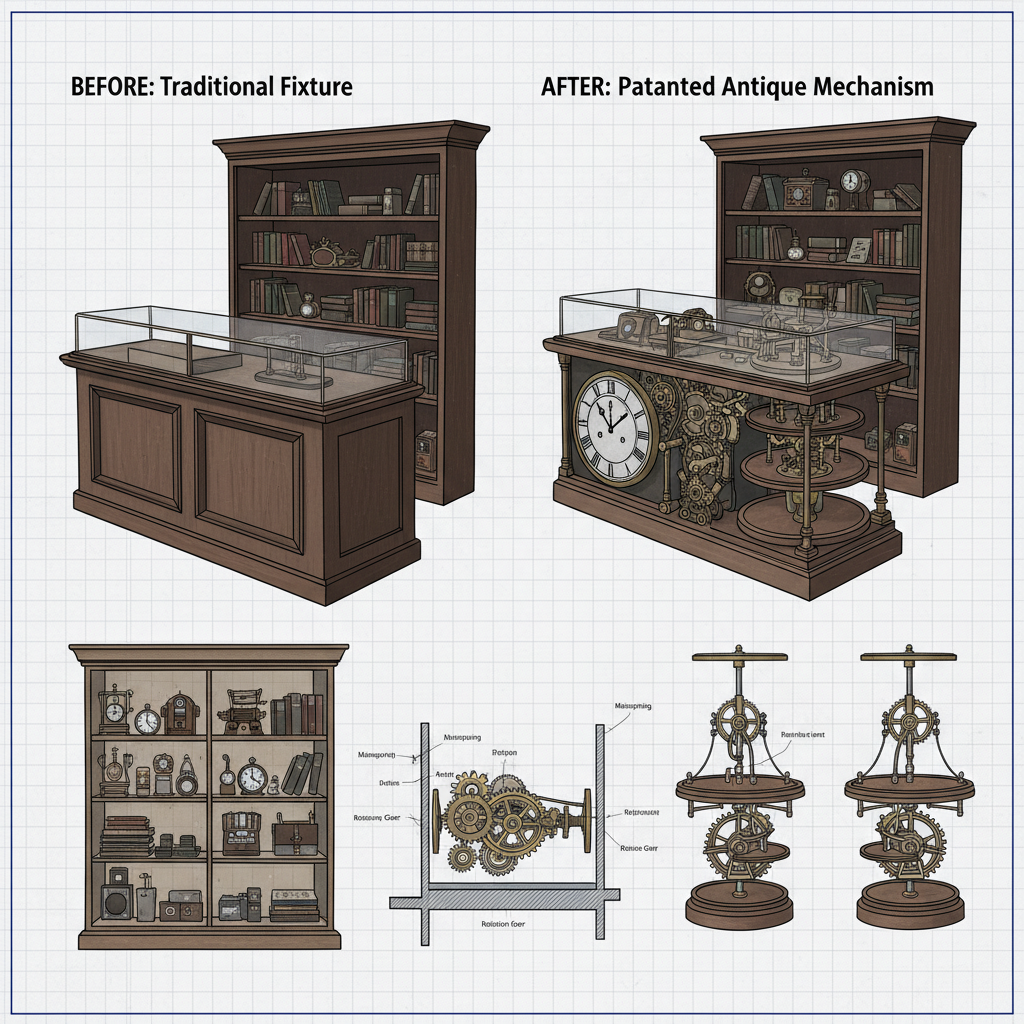
The world of antique store fixtures is surprisingly diverse. From grand armoires to simple shelving units, each type serves a different purpose and contributes to the overall ambiance. Common types include: display cases (for valuable or delicate items), shelving (for books, pottery, and general merchandise), tables (for showcasing larger pieces), dressers and chests (adding a vintage feel and storage), and mannequins (for clothing and accessories). Consider the scale of your store and the types of antiques you sell when determining the mix of fixtures. A smaller shop might benefit from multi-functional pieces, while a larger store can dedicate specific areas to different styles of displays.
Key Takeaway: The right combination of fixtures will not only display your antiques but also contribute significantly to the overall aesthetic and customer experience.
Materials Matter: Choosing the Right Aesthetic
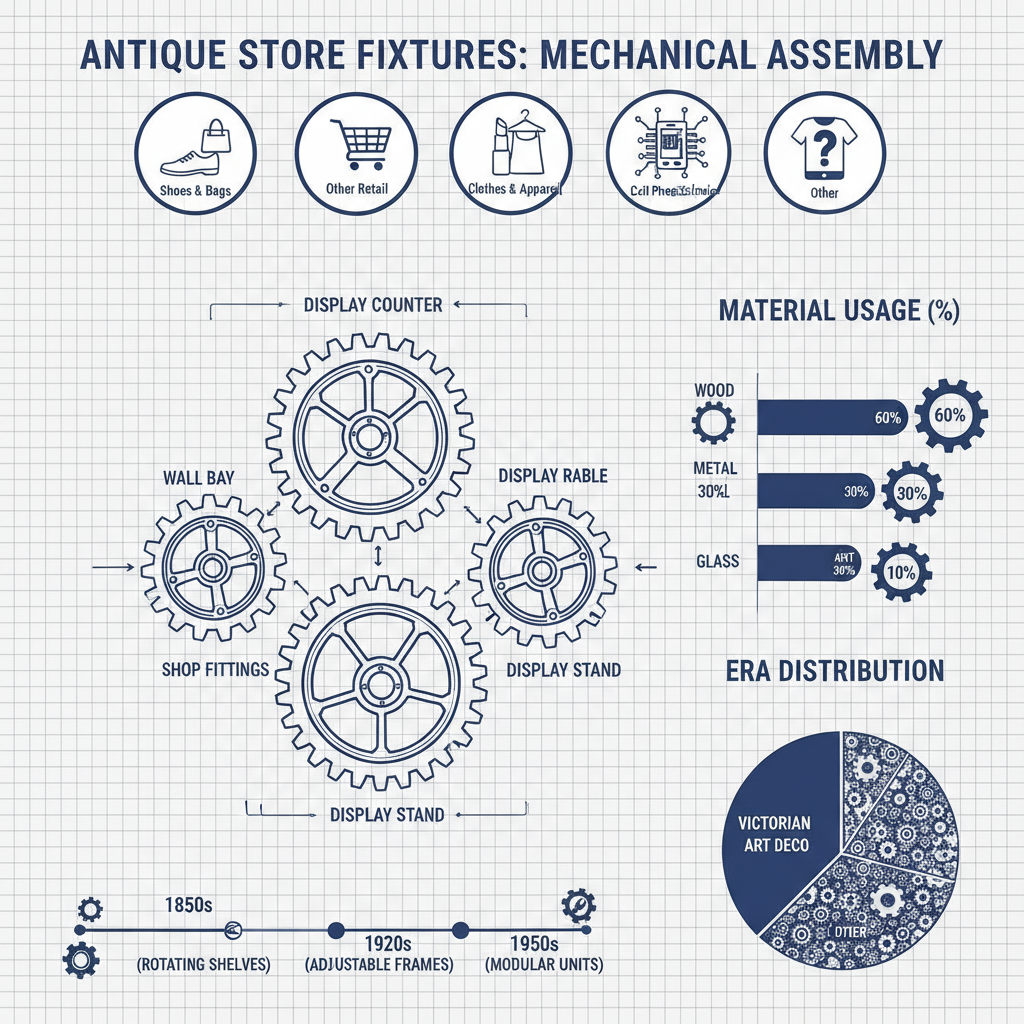
The materials used in your antique store fixtures are just as important as their style. Wood (oak, pine, mahogany) offers a classic, warm feel, while metal (iron, brass) can add an industrial or elegant touch. Glass display cases provide protection and visibility, while mirrored surfaces can create the illusion of more space. Consider the period of the antiques you sell and choose materials that complement them. For example, Art Deco antiques look stunning displayed on geometric metal and glass fixtures, while rustic farm antiques benefit from being showcased on reclaimed wood tables.
Material Considerations:
• Wood: Classic, warm, versatile.
• Metal: Industrial, elegant, durable.
• Glass: Protective, showcases items clearly.
• Reclaimed Materials: Sustainable, unique, adds character.
Creating an Effective Store Layout with Antique Store Fixtures
The layout of your store is critical for guiding customers and maximizing sales. Consider creating distinct "vignettes" or scenes using your antique store fixtures. Group items together that tell a story or share a common theme. Avoid overcrowding – give customers space to browse comfortably. Use taller fixtures along the walls and shorter fixtures in the center of the store to create visual interest and maintain sightlines. Strategic lighting is also essential; highlight key pieces with focused spotlights and create a warm, inviting ambiance with ambient lighting.
Sourcing Quality Antique Store Fixtures
Finding the right antique store fixtures requires careful sourcing. Antique markets, auctions, and salvage yards are excellent places to start. Online marketplaces like eBay and Etsy can also yield hidden gems. When evaluating fixtures, check for structural integrity, signs of damage, and overall aesthetic appeal. Don't be afraid to refinish or repurpose pieces to fit your store's style. At CH Shop Display, we specialize in providing high-quality, curated antique store fixtures to help you create a truly memorable shopping experience.
Budgeting for Antique Store Fixtures
Establishing a budget is crucial before you start purchasing antique store fixtures. Consider the size of your space, the number of items you need to display, and your overall aesthetic goals. Prioritize essential fixtures like display cases and shelving, and then add decorative pieces as your budget allows. Don't be afraid to mix and match – combining high-end pieces with more affordable finds can create a unique and visually appealing look. Remember to factor in potential costs for refinishing, repair, and transportation.
Conclusion: Investing in the Right Displays
Selecting the right antique store fixtures is an investment in your business. They not only showcase your inventory but also contribute to the overall customer experience, driving sales and building brand loyalty. By carefully considering your store's aesthetic, layout, and budget, you can create a space that is both inviting and profitable.
Frequently Asked Questions (FAQs)
What's the best way to clean antique store fixtures?
Cleaning depends on the material. For wood, a gentle furniture polish is ideal. Avoid harsh chemicals that can damage the finish. For metal, use a metal cleaner appropriate for the specific type of metal. Glass display cases can be cleaned with glass cleaner. Always test any cleaning product in an inconspicuous area first. For delicate or intricately carved pieces, a soft brush and gentle dusting may be the safest option. Regular, gentle cleaning will help preserve the beauty and value of your fixtures.
How can I protect valuable items displayed in glass cases?
Consider adding security features like locking glass cases or installing an alarm system. You can also use museum wax or other adhesive products to secure smaller, valuable items to the display surface. Proper lighting can also deter theft by improving visibility. Positioning valuable items in a well-lit, visible area can discourage potential thieves. Regular inventory checks are also essential.
Where can I find unique, one-of-a-kind antique store fixtures?
Antique markets, estate sales, auctions, and salvage yards are excellent sources for unique fixtures. Online marketplaces like Etsy and Chairish also offer a wide selection. Don't be afraid to visit local antique shops and ask if they have any fixtures for sale. Sometimes, you can find hidden gems in unexpected places. Websites specializing in vintage and antique displays like CH Shop Display are also great resources.
Should I restore antique fixtures or leave them as is?
This depends on the condition of the fixture and your store's aesthetic. If a fixture is structurally unsound or has significant damage, restoration may be necessary. However, if the fixture is in good condition, leaving it with its original patina can add to its charm and authenticity. Consider the potential impact on the value of the fixture – over-restoration can sometimes decrease its worth. A light cleaning and waxing may be all that's needed to bring out its natural beauty.
Latest news
-
Choosing the Best Glass Showcase for Home to Elevate Interiors
NewsApr.16,2026
-
The Ultimate Guide to Choosing a Luxury Jewelry Showcase
NewsApr.09,2026
-
Choosing the Right Glass Showcase to Enhance Your Retail Display and Security
NewsApr.07,2026
-
Elevate Your Antique Store with Timeless Antique Store Fixtures
NewsApr.04,2026
-
Optimizing Retail Spaces with Effective Fixtures in Stores
NewsMar.31,2026
-
Optimizing Retail Spaces with Effective Retail Merchandising Fixtures
NewsMar.28,2026