

Apr . 07, 2026 02:15 Back to list
Choosing the Right Glass Showcase to Enhance Your Retail Display and Security
Choosing the Right Glass Showcase for Your Business
A well-chosen glass showcase is an essential investment for any retail business, museum, or display setting. It not only protects valuable items but also enhances their visual appeal, attracting customers and driving sales. This article will explore the different types of glass showcases available, key features to consider, and how to select the perfect one to meet your specific needs. We’ll cover everything from materials and security to lighting and customization options, helping you make an informed decision that elevates your display and boosts your bottom line.
Understanding Different Types of Glass Showcases
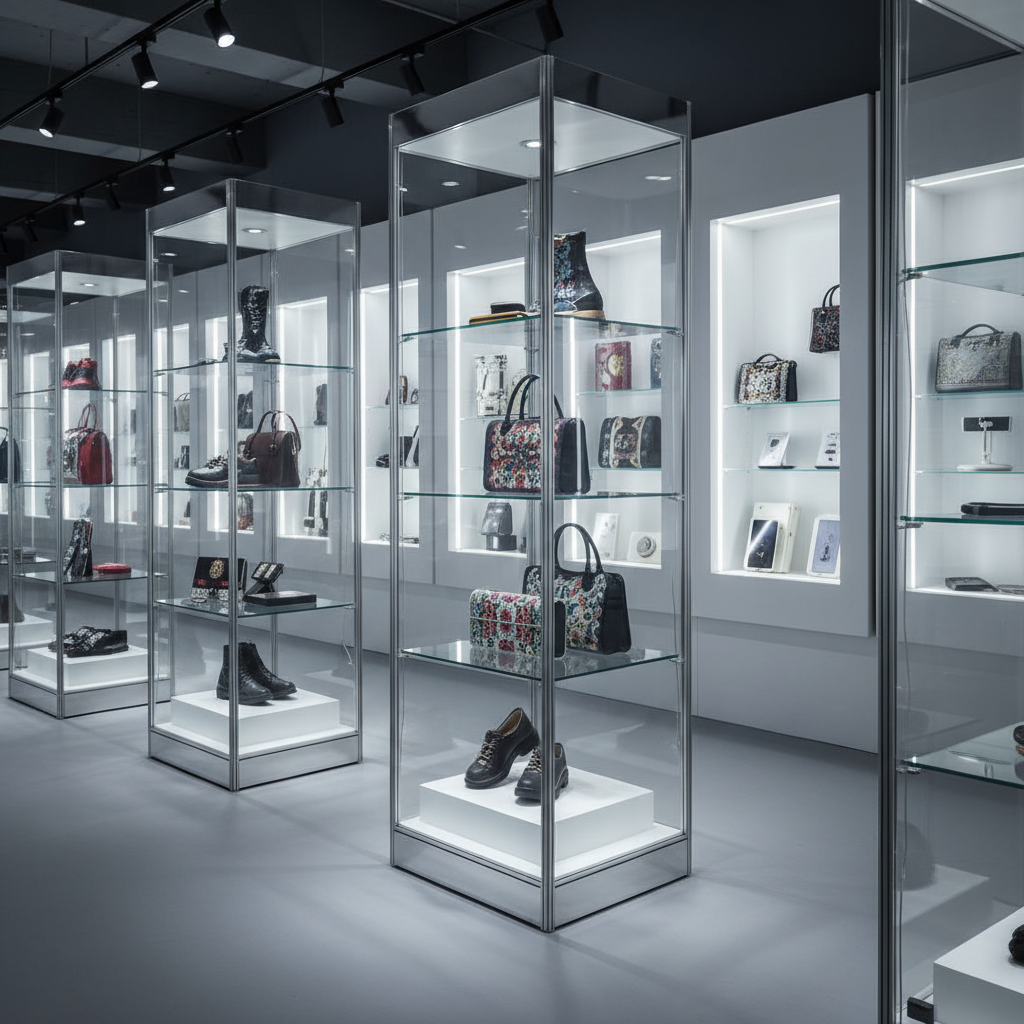
Glass showcases come in a variety of designs, each suited for different purposes. Countertop showcases are ideal for smaller items and limited spaces, offering a sleek and accessible display. Wall-mounted showcases maximize floor space and create an eye-catching focal point. Floor-standing showcases provide a larger display area and often feature locking mechanisms for enhanced security. There are also specialized showcases like jewelry showcases with built-in lighting and angled displays, and museum showcases designed for preserving delicate artifacts. Consider the size of your items, the available space, and the level of security required when choosing a type.
Key Takeaway: The right showcase type depends on your specific display requirements, space constraints, and security needs.
Key Features to Look for in a Glass Showcase
When selecting a glass showcase, several features are crucial. The glass thickness is a primary concern; tempered glass is highly recommended for its strength and safety. Lighting is also important, as it enhances the visibility and appeal of the displayed items. Consider showcases with adjustable LED lighting. Security features like locking doors and reinforced glass are essential for valuable merchandise. Finally, the overall construction quality and materials used will determine the showcase's durability and longevity.
Essential Features:
• Tempered glass for safety and durability
• Adjustable LED lighting for enhanced visibility
• Locking mechanisms for security
• High-quality construction materials
Glass Showcase Materials: A Comparison
The materials used in a glass showcase significantly impact its appearance, durability, and price. Common materials include MDF (Medium-Density Fiberboard), solid wood, and metal. MDF is an affordable option but is less durable than solid wood. Solid wood offers a premium look and exceptional strength but comes at a higher cost. Metal frames provide a modern aesthetic and excellent structural support. Understanding the pros and cons of each material will help you choose the best option for your budget and style.
Customization Options for Your Glass Showcase
To truly stand out, consider customizing your glass showcase. Many manufacturers offer options such as custom colors, finishes, and dimensions. You can also add features like internal shelving, mirrored backs, and specific lighting configurations. Branding opportunities include incorporating your logo onto the glass or frame. Customization ensures that the showcase seamlessly integrates with your store's overall design and reinforces your brand identity.
Choosing the Right Supplier: Quality and Service
Selecting a reputable supplier is vital to ensure you receive a high-quality glass showcase and excellent customer service. Look for suppliers with a proven track record, positive customer reviews, and a wide range of options. Inquire about their manufacturing process, materials used, and warranty policies. A reliable supplier will also offer design assistance and support throughout the ordering and delivery process.
Conclusion: Invest in a Showcase That Enhances Your Brand
Investing in a quality glass showcase is more than just purchasing a display unit; it's an investment in your brand and customer experience. By carefully considering your needs, choosing the right materials and features, and selecting a reputable supplier like CH Shop Display, you can create a stunning and secure display that attracts customers and drives sales.
Frequently Asked Questions (FAQs)
What is the difference between tempered and laminated glass for showcases?
Both tempered and laminated glass offer increased safety compared to standard glass, but they differ in their construction and performance. Tempered glass is heat-treated for strength and shatters into small, relatively harmless pieces when broken. Laminated glass consists of two or more layers of glass bonded together with a plastic interlayer, which holds the glass together even when broken. For showcases, tempered glass is typically sufficient for security and safety, while laminated glass provides an extra layer of protection against forced entry and remains intact even if shattered, reducing the risk of theft and injury.
How do I clean a glass showcase without damaging the glass or finish?
Cleaning a glass showcase requires a gentle approach. Use a microfiber cloth and a mild glass cleaner. Avoid abrasive cleaners, scouring pads, or harsh chemicals, as they can scratch the glass or damage the finish. Spray the cleaner onto the cloth, not directly onto the glass, to prevent overspray. Wipe the glass in a circular motion, and then dry with a clean, dry microfiber cloth to prevent streaks. Regular cleaning will keep your showcase looking its best and maintain its clarity.
What are the lighting options available for glass showcases?
Common lighting options for glass showcases include LED strip lights, spotlights, and internal shelving lights. LED lights are the most popular choice due to their energy efficiency, long lifespan, and cool operation. Spotlights can be used to highlight specific items, while strip lights provide overall illumination. Internal shelving lights are ideal for multi-level showcases. Consider the color temperature of the lights – warm white creates a cozy atmosphere, while cool white provides brighter, more vibrant illumination.
Are custom-sized glass showcases more expensive?
Generally, custom-sized glass showcases are more expensive than standard sizes due to the additional labor and materials required. However, the investment can be worthwhile if a standard size doesn’t fit your space or display needs. Customization ensures a perfect fit and maximizes your display area. When requesting a quote for a custom showcase, provide detailed dimensions and specifications to receive an accurate price estimate.
Latest news
-
The Ultimate Guide to Choosing a Luxury Jewelry Showcase
NewsApr.09,2026
-
Choosing the Right Glass Showcase to Enhance Your Retail Display and Security
NewsApr.07,2026
-
Elevate Your Antique Store with Timeless Antique Store Fixtures
NewsApr.04,2026
-
Optimizing Retail Spaces with Effective Fixtures in Stores
NewsMar.31,2026
-
Optimizing Retail Spaces with Effective Retail Merchandising Fixtures
NewsMar.28,2026
-
Optimize Your Retail Space with Innovative Retail Fixture Solutions
NewsMar.26,2026