
Nov . 28, 2025 20:55 Back to list
SL Store Fixture - Versatile Retail Display Solutions for Modern Stores
Understanding SL Store Fixture: A Must-Know Solution in Retail Display
In the fast-evolving world of retail, where first impressions form the backbone of customer engagement, the sl store fixture has emerged as a quietly powerful tool. But what exactly is it, and why should retailers around the globe care? At its core, an sl store fixture is a display system designed to showcase products with maximum visibility, durability, and flexibility. Understanding these fixtures isn’t just about aesthetics; it’s about optimizing sales spaces to answer the growing demands of sustainability, modularity, and cost efficiency in retail environments worldwide.
Setting the Stage: The Global Context of SL Store Fixtures
Retail environments have become battlefields of customer attention. According to data from the United Nations Statistics Division, global retail sales are projected to continue their upward climb, climbing past $25 trillion by 2028. Amid such growth, the challenge lies in creating store environments that are adaptable, sustainable, and engaging. This is precisely where sl store fixture systems come into play.
Retailers face ongoing pressure: how to adapt layouts quickly to changing product lines, how to cut down on waste, and how to appeal to increasingly eco-conscious shoppers. Add to that the complexity of operating stores across continents, each with unique spatial and regulatory constraints, and you see that a versatile, standardized fixture system can solve multiple problems simultaneously.
With market disruption continuing (hello, eCommerce!) brick-and-mortar stores really want to stand out. The right fixtures make spaces inviting but also operationally efficient — saving time, money, and materials over the fixture's service life.
Mini takeaway:
- SL store fixtures answer critical problems such as adaptability and sustainability.
- They play a tangible role in supporting global retail growth and efficiency.
What Exactly Is an SL Store Fixture?
Simply put: an sl store fixture is a modular retail display system commonly based on slotted channels and accompanying shelves, racks, hooks, or panels. The "sl" often refers to “slotted” or “slot” style designs that allow retailers to assemble and reconfigure setups easily without specialized tools or significant downtime.
They are designed to blend functionality and aesthetics—making it easy for store associates to refresh product displays and for brands to maintain a consistent look across varied retail locations or pop-up environments. The beauty of these fixtures is that they combine industrial-strength materials (typically steel or aluminum) with stylish design, helping retailers respond to the modern demand for both resilience and beauty.
Now, although often associated with retail stores, sl store fixtures also serve humanitarian applications — for example, temporary marketplaces or distribution points in disaster zones — where quick setup and durability literally means better service delivery under challenging conditions.
Mini takeaway:
- SL store fixtures are modular, adaptable display units, typically featuring slotted channels.
- They enable quick changes and durable, yet stylish, product presentation.
Exploring Key Features of SL Store Fixtures
Durability
Fixtures must withstand daily wear and tear in high-traffic stores. Most sl store fixtures use industrial-grade steel or aluminum, treated for rust resistance. The robust material extends service life, preventing the frustration of bent shelves or broken components. Many designers also consider weight-bearing capacities, as heavier products need firmer supports.
Scalability and Modularity
Perhaps the heart of the sl store fixture experience. These designs come in units easily combined and rearranged—whether for a compact boutique or a sprawling department store. It’s not just about size but flexibility: add more shelves or hooks, swap out panels, or change colors to keep things fresh without buying new full systems.
Cost Efficiency
While upfront costs might be higher than cheap plastic displays, sl store fixtures pay off over time. Their reusable modular parts mean less frequent replacements, and the reduced labor time for rearranging layouts translates to operational savings. Oddly enough, investing in quality fixtures can dramatically reduce waste — a win-win for budgets and the planet.
Customization & Design
Retailers don’t want cookie-cutter looks, and fortunately, sl store fixtures often come with options for powder coatings, branding elements, or custom dimensions. In terms of brand experience, this lets shops create tailored atmospheres — from high-end minimalism to vibrant multi-brand displays — all from one system.
Ease of Installation and Maintenance
Many engineers I've spoken with emphasize how the “slotted” design cuts setup time dramatically. Without needing power tools, staff can assemble, adjust, or break down fixtures quickly, keeping the store agile and highly responsive to trends or seasonal needs. Maintenance is equally straightforward, often requiring just routine cleaning and occasional tightening.
Mini takeaway:
- Durability and strength ensure long-lasting use.
- Modularity allows retailers to adapt displays effortlessly.
- Customization supports unique branding within a practical framework.
- Cost efficiency and simple installation save time and money.
Global Applications & Real-World Use Cases
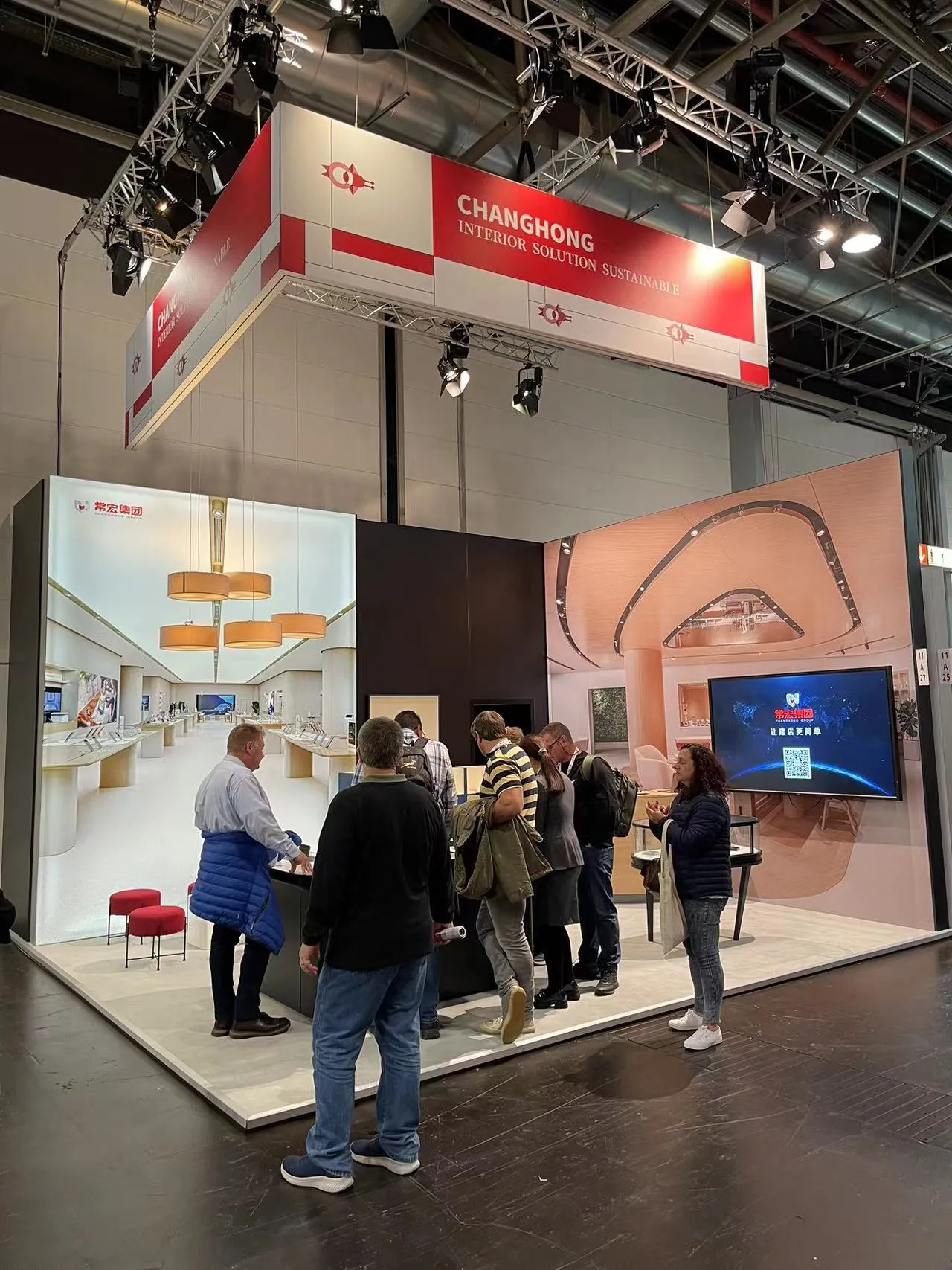
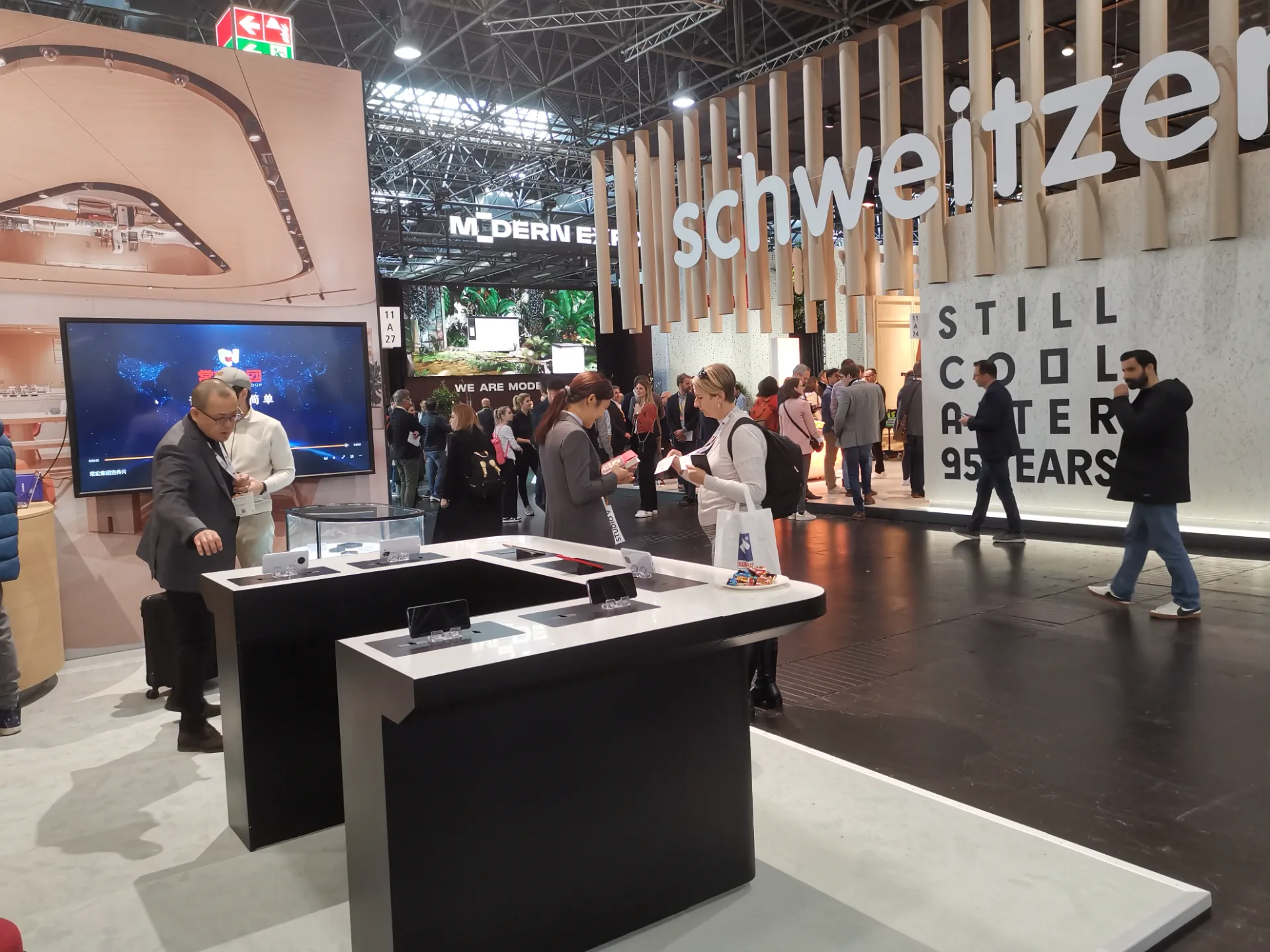
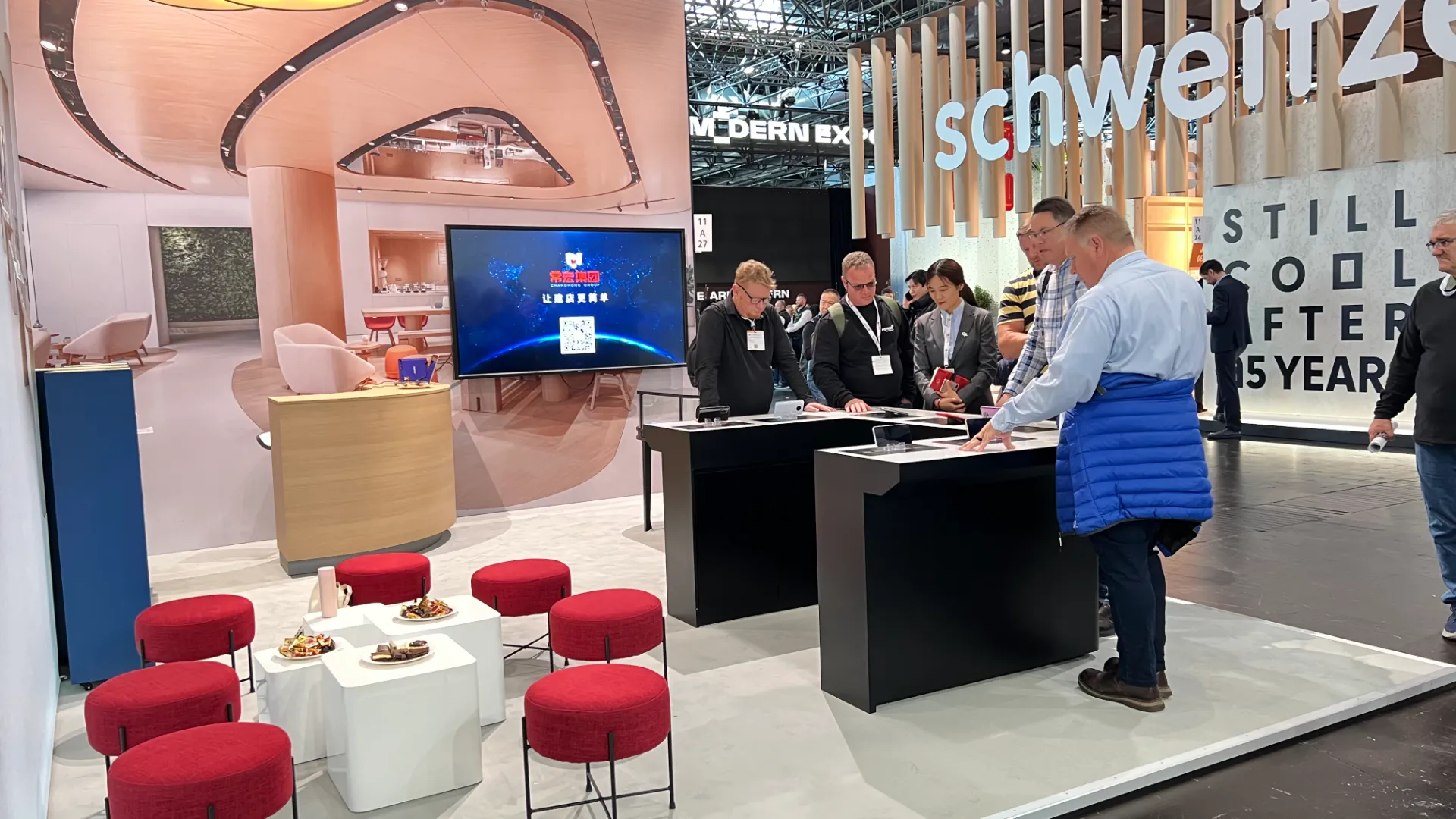
From bustling urban malls in Southeast Asia to eco-conscious stores in Scandinavia, sl store fixtures have found their place everywhere. Here are a few quick examples:
- Europe’s boutique chains: Use sl store fixtures for their sleek look and easy adaptability to seasonal fashion collections.
- African pop-up markets: Rely on the ruggedness and portability of these systems to set up temporary stalls in emerging retail areas.
- Disaster relief centers: Employ modular displays to organize supplies and distribute essentials efficiently, giving order and dignity to chaotic environments.
- Technology product shops in North America: Customize fixtures to accommodate new product launches, ensuring rapid merchandising updates.
Product Specification Table
| Feature | Specification | Notes |
|---|---|---|
| Material | Steel / Aluminum | Powder-coated for corrosion resistance |
| Weight capacity | Up to 150 kg per shelf | Varies by fixture type |
| Dimensions (standard panel) | 1200mm H x 900mm W | Custom sizes available |
| Assembly | Tool-free, modular setup | Easy disassembly for transport |
| Finish options | Matte, gloss, branded decal | Supports brand customization |
Comparative Vendor Overview
| Vendor | Material Options | Customization | Price Range | Lead Time |
|---|---|---|---|---|
| Ch Shop Display | Steel, Aluminum | High (colors, decals, sizes) | $$ | 2–4 weeks |
| Retail Fixtures Inc. | Steel only | Medium (sizes only) | $ | 4–6 weeks |
| Modular Shop Systems | Aluminum only | High (full branding) | $$$ | 3 weeks |
Advantages & Long-Term Value of SL Store Fixtures
Some benefits of sl store fixtures go beyond the obvious. Cost-wise, fewer replacements and modular parts mean long-term savings. Emotionally, there’s a subtle reassurance in having an organized, sturdy display that speaks volumes about professionalism and care — and that, oddly enough, builds customer trust.
Environmentally, the shift toward sustainable retail means fixtures manufactured with recycled materials and designed for disassembly add to a brand’s green credentials. Anecdotally, retailers report smoother store operations when switching to modular fixtures — fewer employee hours spent resetting, less damage to inventory from mishandled displays.
Emerging Trends & Innovations in Store Fixtures
It feels like retail fixtures are catching up with 21st-century tech. We're seeing integration with digital screens, LED lighting accents, and even NFC-embedded displays for interactive product information. From a materials viewpoint, biodegradable composites and lightweight alloys are making a splash, reducing carbon footprint without compromising strength.
On the operational front, automation in warehouse-to-floor logistics may synchronize with fixture modules, cutting setup even further. Plus, the [ongoing integration of sl store fixture] setups with IoT sensors for inventory monitoring is turning static fixtures into smart assets.
Challenges and How to Overcome Them
No solution is perfect. Some retailers experience initial learning curves with modular setups, or may find costs prohibitive upfront. There is also the issue of balancing customization with standardization, to prevent complicated logistics.
Experts advocate proper training and phased adoption. Leveraging trusted vendors like ch shop display who offer ongoing support and custom solutions helps overcome these hurdles. Also, planning stores with fixture flexibility as a strategy rather than a spot solution can smooth adaptation.
FAQ: Common Questions About SL Store Fixtures
- What makes sl store fixtures superior to traditional fixed shelving?
- SL store fixtures provide modularity and easy reconfiguration, allowing retailers to adapt floor plans quickly and reduce downtime. Unlike traditional fixed shelving, they offer customization and better durability, supporting evolving product lines effectively.
- How resistant are these fixtures to damage in high-traffic environments?
- Most sl store fixtures use industrial-grade steel or aluminum with protective finishes, able to withstand daily wear and tear. They’re tested for weight capacity and impact resistance, ensuring long-term robustness even under heavy customer flow.
- Are sl store fixtures environmentally friendly?
- Many modern fixtures are produced with recycled materials and designed for disassembly, aiding recyclability. This reduces waste compared to single-use or disposable displays, supporting sustainable retail initiatives.
- Can small retailers afford sl store fixtures?
- While initial costs might be higher than cheaper alternatives, modular fixtures save money over time by reducing replacement cycles and labor. Flexible options exist for different budgets, making them accessible even to smaller shops.
- How can I import these fixtures internationally?
- Partnering with experienced vendors like ch shop display helps streamline import processes, ensuring compliance with local regulations and timely delivery. Many vendors provide logistics support and documentation required for cross-border shipping.
Wrapping Up: Why SL Store Fixtures Matter Long-Term
To put it plainly, sl store fixtures are more than just retail furniture — they are strategic enablers of modern commerce. They bring flexibility, durability, and sustainability to retail design, qualities that will only become more critical in a world where consumer experience and environmental responsibility are intertwined.
If you want to see how these fixtures can revolutionize your store layout and operations, I suggest exploring options here. They’re making it easier than ever to stay ahead of retail trends — and frankly, it might just be the edge your shop needs next season.
References:
Latest news
-
Choosing the Best Glass Showcase for Home to Elevate Interiors
NewsApr.16,2026
-
The Ultimate Guide to Choosing a Luxury Jewelry Showcase
NewsApr.09,2026
-
Choosing the Right Glass Showcase to Enhance Your Retail Display and Security
NewsApr.07,2026
-
Elevate Your Antique Store with Timeless Antique Store Fixtures
NewsApr.04,2026
-
Optimizing Retail Spaces with Effective Fixtures in Stores
NewsMar.31,2026
-
Optimizing Retail Spaces with Effective Retail Merchandising Fixtures
NewsMar.28,2026