
Dec . 02, 2025 06:00 Back to list
Showcase Counter: The Essential Guide to Modern Display Furniture
Showcase Counter: A Modern Furniture Essential
If you’ve ever wandered through a retail store, museum, or trade show, chances are you’ve encountered a showcase counter. It’s one of those subtle design elements that quietly amplifies how products, artifacts, or even services get noticed. But beyond the simple glass display is a piece of furniture that plays a global role in marketing, preservation, and sales strategy — which, frankly, many of us underestimate.
Why does understanding the showcase counter matter? Because these counters connect the gap between product and consumer, helping businesses of all sizes highlight their offerings effectively. They also meet practical needs: security, accessibility, and aesthetics all rolled into one. On a global scale, showcase counters help retailers boost sales, museums protect priceless items, and manufacturers display innovations all around the world.
Introduction: Global Importance of Showcase Counters
Interestingly, the retail furniture market alone is expected to exceed $120 billion by 2026, driven largely by evolving consumer experience demands (Statista). Showcase counters are an integral component here — their demand tracks with the growth of retail and exhibition industries worldwide.
In regions like Asia-Pacific, where storefronts and shopping malls are booming, the need for sleek and functional display units is rising swiftly. At the same time, Western museums and galleries are investing in high-tech display counters that offer temperature control and lighting crucial for artifact preservation. The need for interactive, modular, and elegant counters has pressured designers to innovate beyond the traditional glass box style.
One key challenge is balancing cost with function — businesses want counters that last, look good, and don’t break the bank. Plus, with an uptick in e-commerce, brick-and-mortar stores are doubling down on in-person experiences, which showcase counters strongly support by offering tactile, visual, and secure platforms for products.
What Is a Showcase Counter?
In simple terms, a showcase counter is a furniture unit designed primarily to exhibit products securely while allowing customers to view them easily. Usually made of tempered glass with metal or wooden frames, these counters blend transparency and security.
Their use extends beyond retail. For example, pharmaceutical companies use them for safe medicine display, and luxury stores for jewelry. The versatility makes them instrumental in industries where product visibility and security must coexist. It’s kind of ironic how something so simple can be so ubiquitous yet so specialized depending on the field.
Core Components of an Effective Showcase Counter
1. Durability
The frame and glass must withstand daily interaction and possible impact. Most counters use tempered or laminated glass for safety, while aluminum or hardwood frames provide structural support without adding too much weight.
2. Visibility
Clear sightlines are essential. High optical clarity glass combined with smart LED lighting enhances product appeal without causing glare or distortions.
3. Security
Lockable compartments and toughened surfaces keep items safe. In high-risk areas, counters may integrate RFID tags or alarms.
4. Scalability & Customization
Modular designs allow retailers to rearrange counters or expand as needed. Custom finishes align with brand identity — from matte black industrial looks to warm wooden tones.
5. Cost Efficiency
Balancing upfront investment with longevity and ease of maintenance is a selling point, especially for small businesses and start-ups.
Mini takeaway: The modern showcase counter is more than glass and wood — it’s a carefully engineered solution blending form, function, and protection.
Global Applications & Use Cases
The versatility of showcase counters means you’ll find them almost everywhere:
- Retail stores: From electronics and cosmetics to gourmet food, precise product placement can influence buying patterns.
- Museums and galleries: Counters with climate controls protect delicate artifacts or rare collectibles.
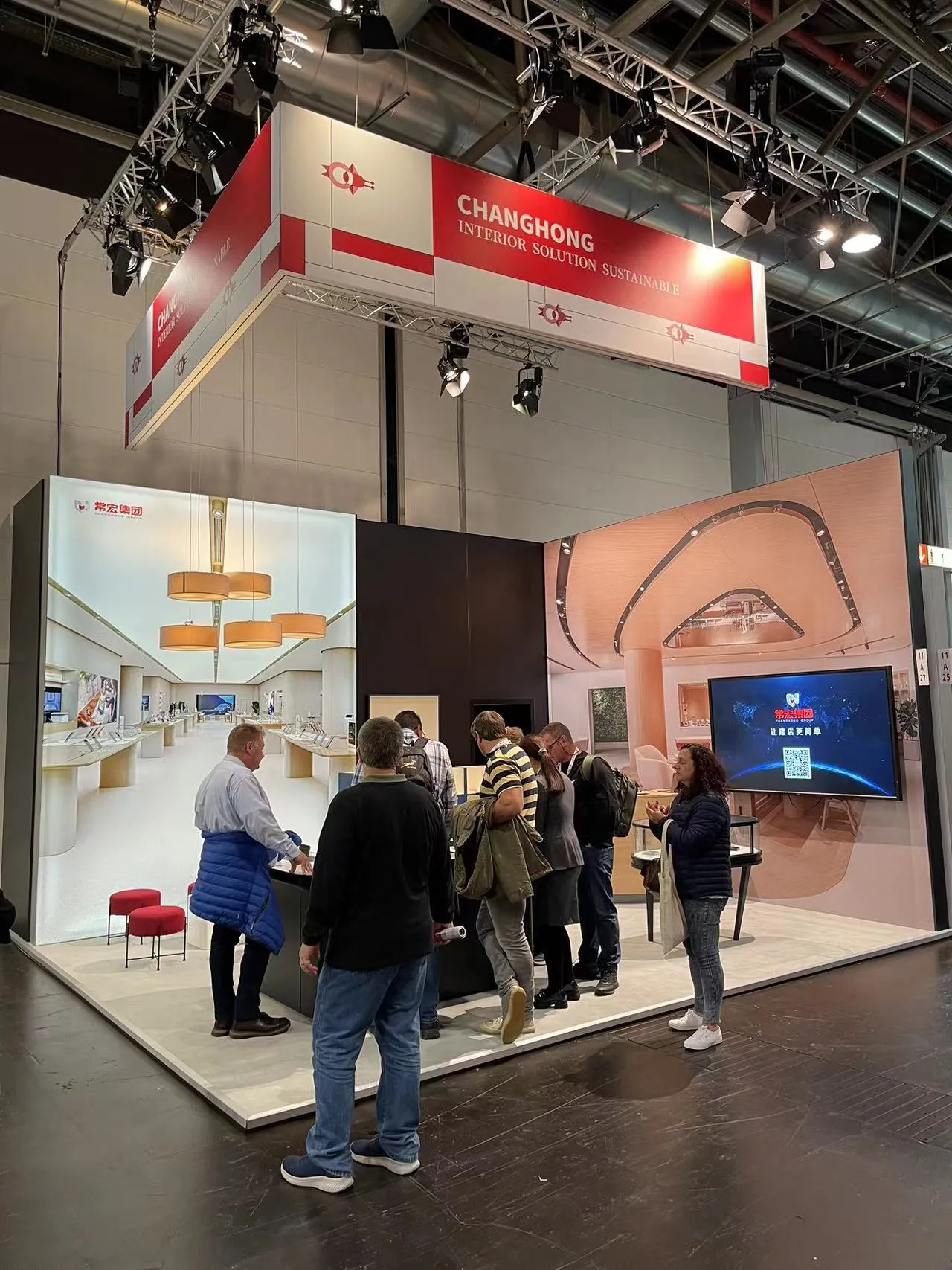
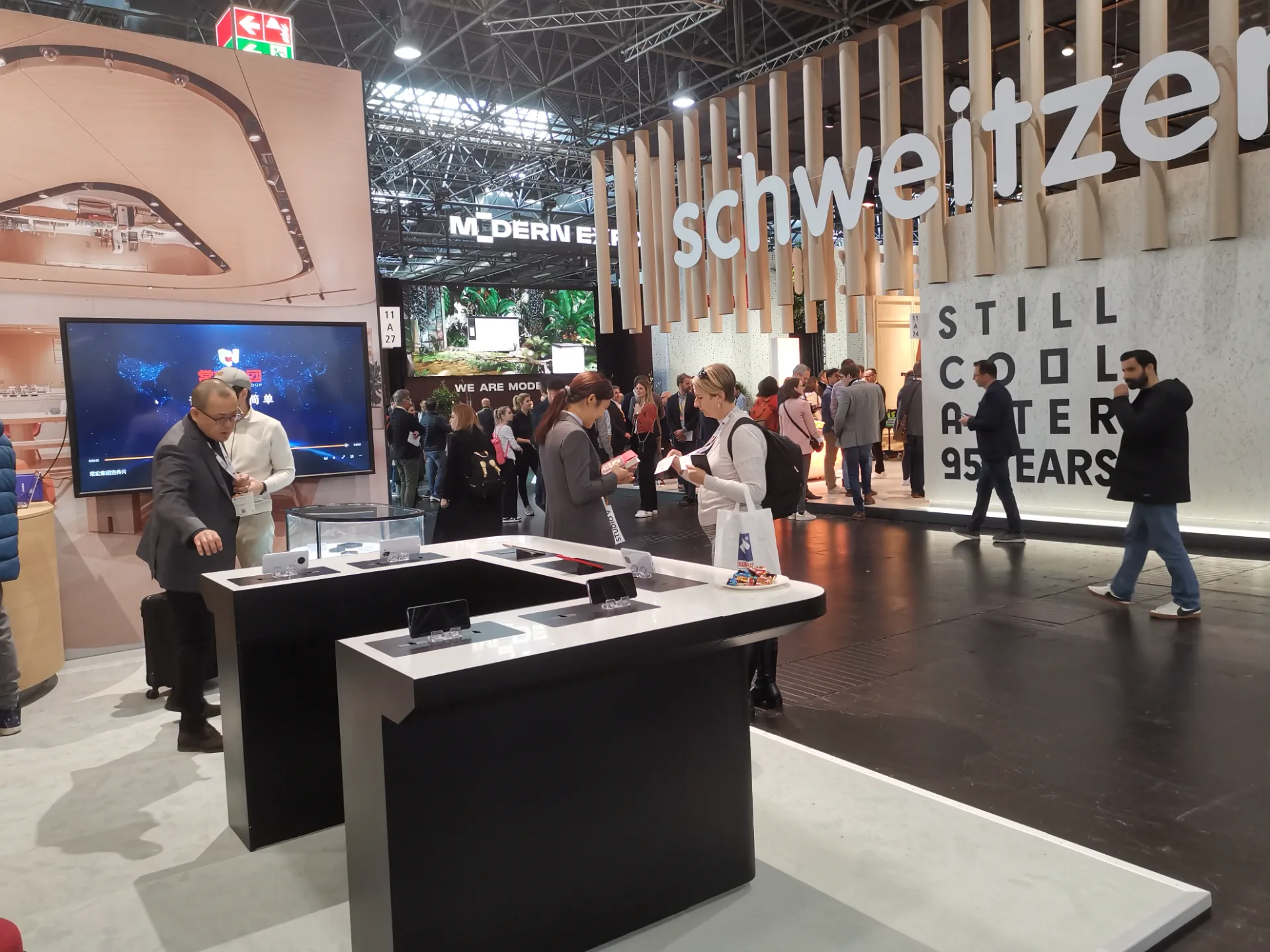
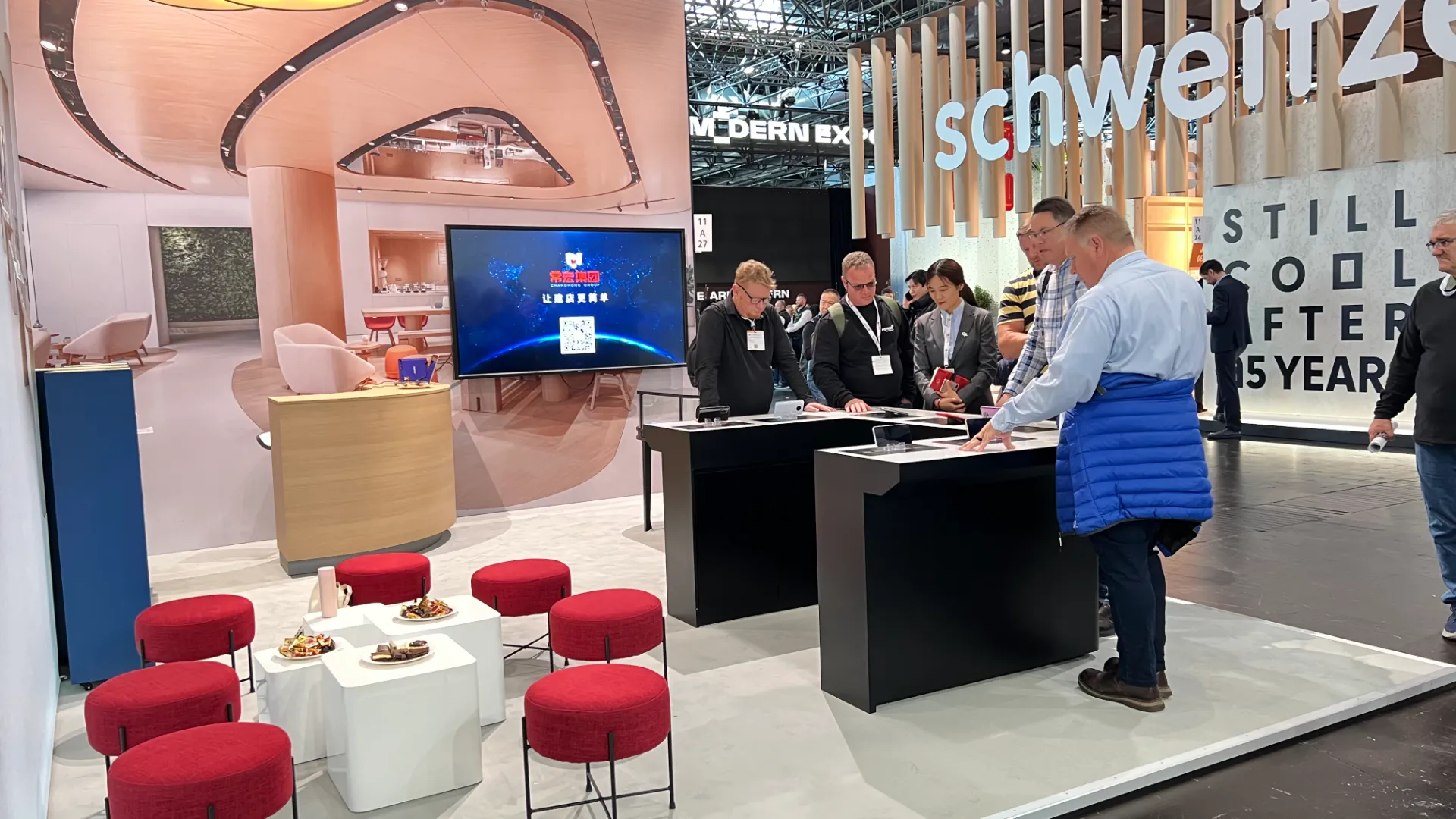
- Trade shows and exhibitions: Portable and modular counters support quick setups and breakdowns.
- Healthcare: Display of pharmaceuticals and medical devices requires hygienic, secure counters.
For instance, in Southeast Asia’s bustling markets, vendors often use lightweight, portable showcase counters that can be locked and stacked after hours. Meanwhile, premium jewelry stores in Europe rely on counters embedded with motion-activated lights and alarms.
Advantages & Long-Term Value of Showcase Counters
On the surface, showcase counters increase product visibility. But dig a little deeper and you notice benefits like:
- Enhanced Security: Built-in locks and tough glass deter theft, reducing losses.
- Sustainability: Using recyclable materials and energy-efficient lighting improves environmental impact.
- Customer Experience: Well-lit, tidy displays invite browsing and increase dwell time.
- Brand Trust: Professional presentation builds credibility and customer confidence.
It also adds an emotional dimension — the feeling of safety when shopping valuable goods, or the perceived prestige of a museum artifact safely on display. That’s not trivial; it’s part of selling and storytelling.
Showcase Counter Specification Table
| Feature | Standard Range | Premium Features |
|---|---|---|
| Material | Tempered Glass, Aluminum Frame | Laminated Glass, Hardwood Frame |
| Lighting | Standard LED Strip | Motion-Activated, Adjustable Intensity LED |
| Security | Basic Lock Mechanism | Integrated Alarm, RFID Tracking |
| Customization | Limited Size & Finish | Modular Sizes, Multiple Finishes |
| Price Range | $300 - $700 | $800 and up |
Vendor Comparison of Showcase Counter Providers
| Vendor | Product Range | Customization | Lead Time | Pricing Level |
|---|---|---|---|---|
| CH Shop Display | Extensive (retail, museum, modular) | High customization with modular designs | 2-3 weeks | Mid to High |
| DisplayTech Co. | Focused on museum-grade displays | Custom climate control options | 4-6 weeks | High |
| RetailSolutions | Basic retail counters; entry level | Limited | 1-2 weeks | Low to Mid |
Future Trends & Innovations in Showcase Counters
Advances in materials science and digital technology are shaking up the showcase counter industry. Imagine counters with integrated IoT sensors that monitor humidity or temperature in real time, alerting staff to any risks to displayed products. Or smart glass that switches from transparent to opaque with a tap, protecting items at night yet inviting during the day.
Eco-consciousness is also pushing green manufacturing, using recycled metals and low-energy LED lighting to reduce carbon footprints. Some companies experiment with 3D-printed custom components, allowing nearly unlimited shapes tailored to specific retail spaces.
Challenges & Expert Solutions
Not all counters are created equal, though. Common headaches include fragility during shipping, high upfront cost for premium models, and mismatches between counter design and store layout.
Experts recommend modular, knock-down units to ease logistics. Also, investing in counters with adjustable shelving can optimize display for seasonal stock changes. Finally, collaboration between designers and retail managers yields counters that work both functionally and visually — not an easy balance.
FAQ: Frequently Asked Questions About Showcase Counters
- What materials are best for a durable showcase counter?
- Tempered glass combined with aluminum or hardwood frames offers a solid balance between strength and aesthetics. Laminated glass provides added safety, especially in busy retail environments.
- Can showcase counters be customized for small retail shops?
- Absolutely. Many vendors offer modular designs that can be tailored in size, finish, and features, perfect for shops with limited space but unique branding needs.
- How important is lighting in showcase counters?
- Lighting is crucial. Proper illumination highlights products without glare, enhancing customer engagement. LEDs are energy-efficient and come with adjustable brightness, making them ideal.
- Are showcase counters suitable for high-security areas?
- Yes. Premium counters include lockable compartments, tempered or laminated glass, and sometimes integrated alarms or RFID systems to deter theft.
- How do I choose the right supplier for showcase counters?
- Look for vendors with experience and a broad product range. Consider their customization options, lead times, and after-sales support. References and displayed case studies can help ensure quality.
Conclusion
In real terms, a showcase counter is more than just a piece of furniture. It represents the frontline of product interaction, balancing security, presentation, and customer experience in one tidy package. Whether you’re a business owner, museum curator, or exhibition planner, investing in the right showcase counter yields long-term dividends — in sales, trust, and brand value.
Interested in finding your ideal showcase counter? Visit our website for a wide range of modular, customizable solutions: showcase counter.
Oddly enough, the right counter can change how people see your products—literally and figuratively.
References
Latest news
-
Choosing the Best Glass Showcase for Home to Elevate Interiors
NewsApr.16,2026
-
The Ultimate Guide to Choosing a Luxury Jewelry Showcase
NewsApr.09,2026
-
Choosing the Right Glass Showcase to Enhance Your Retail Display and Security
NewsApr.07,2026
-
Elevate Your Antique Store with Timeless Antique Store Fixtures
NewsApr.04,2026
-
Optimizing Retail Spaces with Effective Fixtures in Stores
NewsMar.31,2026
-
Optimizing Retail Spaces with Effective Retail Merchandising Fixtures
NewsMar.28,2026