
Nov . 30, 2025 03:40 Back to list
Discover Top Display and Fixture Stores for Retail Success | Durable & Customizable Fixtures
What Is a Display and Fixture Store, and Why Does It Matter?
In the retail and commercial world, presentation is everything. A display and fixture store offers businesses the essential tools to showcase products attractively and efficiently. But beyond just selling shelves and stands, these stores significantly influence customer engagement, brand identity, and operational flow.
Globally, retail infrastructure is booming — with projections estimating retail sales surpassing $26 trillion by 2025 (World Bank). That means demand for innovative, durable, and scalable display fixtures is growing fast. If you're a retailer, brand owner, or designer, understanding the nuances of display and fixture stores can give you that crucial edge in merchandising your products effectively.
The Global Context: Why Display and Fixture Stores Are Essential Today
Across continents, from bustling shopping malls in New York to open markets in Mumbai, display fixtures speak the language of attraction and organization. According to the International Organization for Standardization (ISO), consistency in store presentation boosts consumer confidence and sales by upwards of 15%.
Yet, challenges abound. Retailers face ever-changing consumer tastes, sustainability pressures, and the need to optimize limited space — and that’s where a competent display and fixture store steps in. Modern fixtures need to be flexible, eco-friendly, and representative of brand values.
Take, for example, the rapidly growing demand for modular displays that can be easily reconfigured for seasonal events or pop-ups, effectively reducing cost and waste. The global need for smarter, sustainable retail spaces makes these stores pivotal in the retail supply chain.
Defining the Display and Fixture Store
At its core, a display and fixture store is a supplier and designer of the physical elements that hold, display, and present products in retail or commercial environments. These range from basic shelving units and garment racks to sophisticated digital kiosks and refrigerated glass cases.
It might seem straightforward, but this sector is closely linked to industrial design, manufacturing quality, and even humanitarian applications; for instance, temporary fixtures for relief distribution centers. Their importance is sometimes beneath the radar but crucial for smooth business operations — like the silent but essential stagehands of retail theater.
Mini takeaway:
- Display and fixture stores are more than retailers; they shape how customers perceive and interact with merchandise.
Core Components and Key Factors to Consider
1. Durability
Fixtures endure a lot — constant interaction, weight loads, and environmental factors (like moisture or sunlight). Materials range from steel and aluminum for industrial durability to wood and acrylic for aesthetic warmth. Many buyers look for high-quality finishes that prevent rust, scratching, or quick wear-and-tear.
2. Scalability and Modularity
Flexibility in display design lets stores change layouts with evolving inventory, marketing campaigns, or store expansions. Modular setups are now a gold standard, enabling users to expand or decrease display space without buying all new fixtures.
3. Cost Efficiency
You’ll be surprised how much variety there is — from budget-friendly plastic racks to premium glass or metal installations. A good display and fixture store balances cost with longevity, mitigating frequent replacement or repairs.
4. Aesthetics and Branding
Fixtures are literally part of a store’s personality. Designers work alongside manufacturers to create pieces that reinforce brand messaging through colors, styles, and materials. A mismatched or bland fixture can all but erase a brand’s story.
5. Sustainability
With rising consumer awareness, eco-conscious materials like recycled metals or sustainably sourced wood are rising in demand. Plus, many manufacturers now focus on recyclable or biodegradable fixtures — an important part of corporate social responsibility.
6. Ease of Assembly and Maintenance
Fixtures that come pre-assembled or are easy to install reduce downtime and labor costs. Also, low-maintenance surfaces that do not stain or degrade are preferred by busy retail environments.
Mini takeaway:
- When sourcing fixtures, prioritize durability, modularity, cost, branding, sustainability, and practicality.
Global Applications & Real-World Use Cases
Display and fixture stores support a wide spectrum of industries globally:
- Retail Chains: Big-box stores utilize standardized fixtures to ensure consistent brand experience across locations.
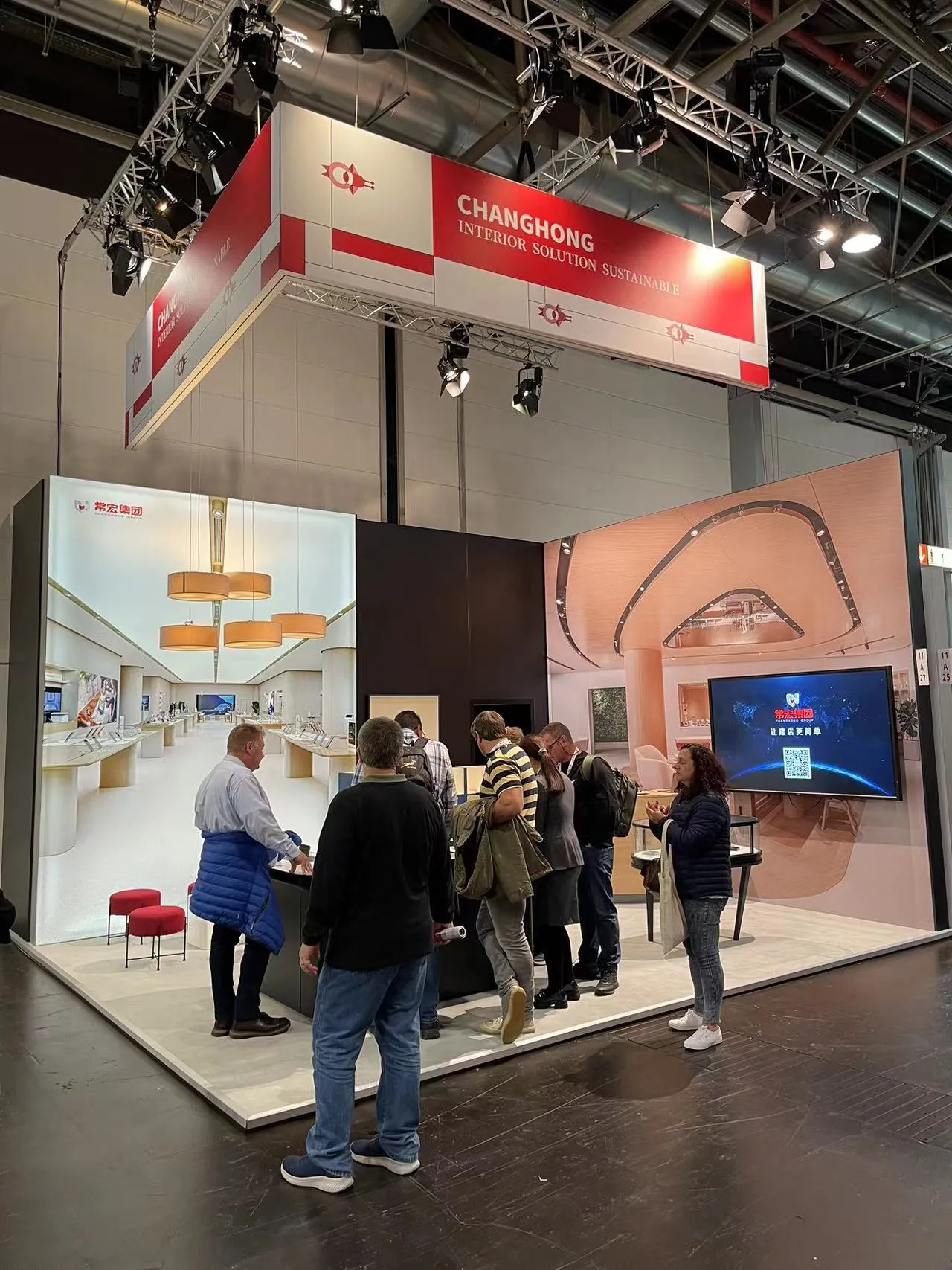
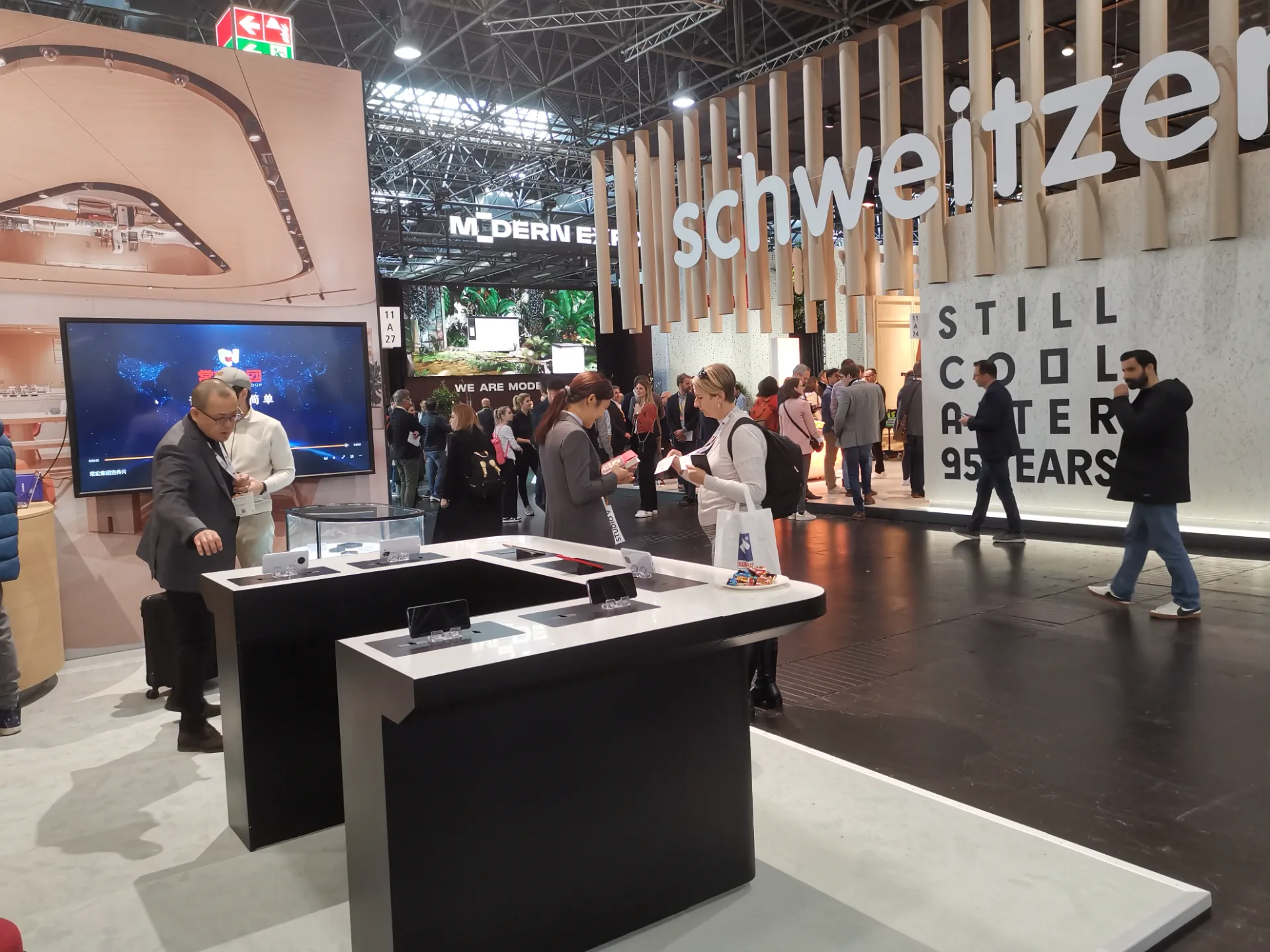
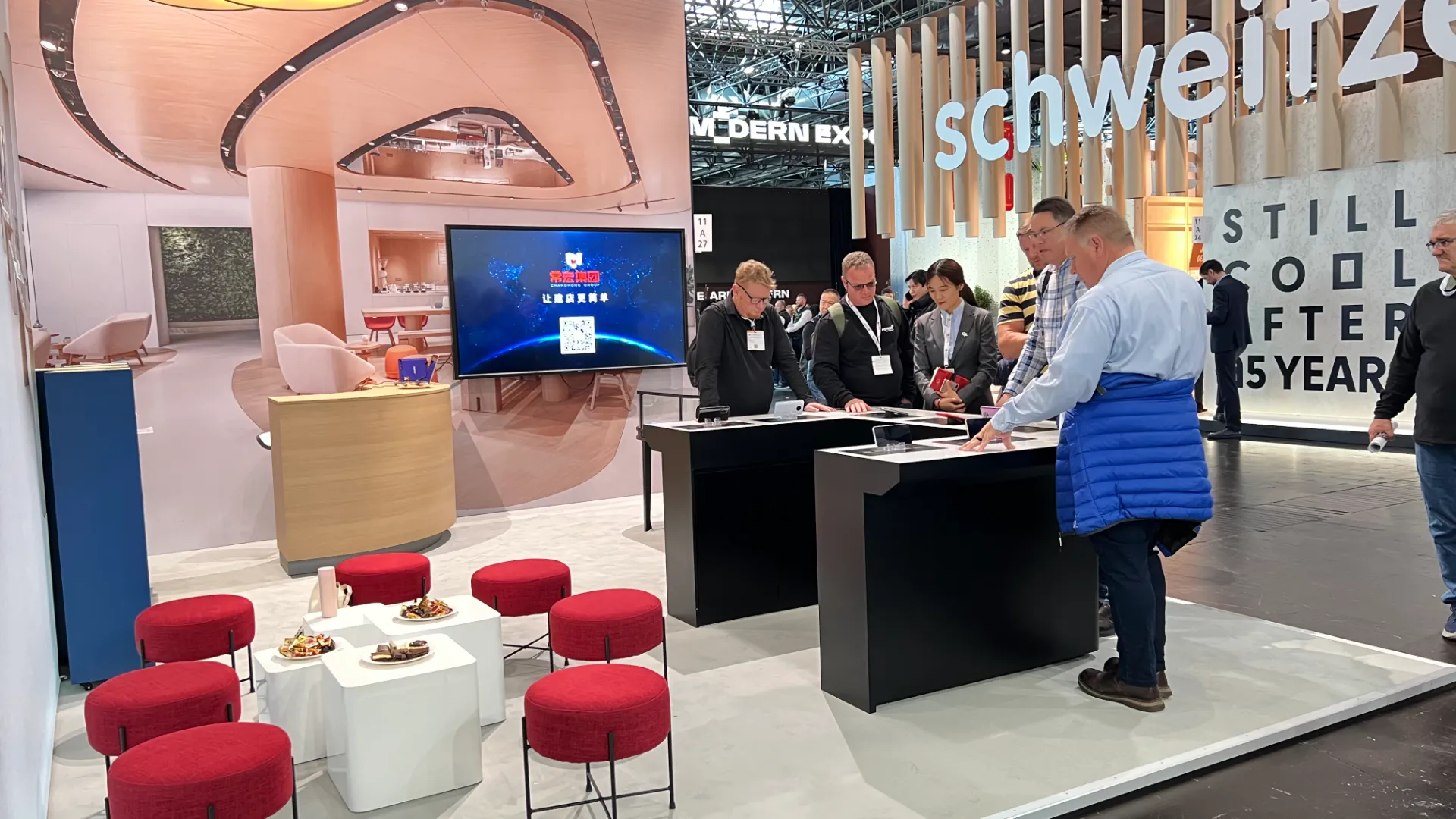
- Pop-Up Shops & Trade Shows: Modular fixtures allow rapid setup and breakdown, perfect for temporary retail.
- Grocery and Specialty Food Stores: Customized cold storage cases and food displays preserve perishables beautifully.
- Humanitarian and Disaster Relief: Temporary fixtures store and organize relief goods efficiently in camps (UNHCR reports).
- Industrial Warehouses & Showrooms: Robust shelving and display racks improve inventory management and customer walk-ins.
A notable example: In remote industrial zones in Canada, modular steel racks from a local display and fixture store helped optimize inventory storage and enhanced safety protocols, one senior engineer reported. It’s odd how something so simple can affect productivity so much.
Product Comparison: Popular Display Fixtures (Example)
| Fixture Type | Material | Dimensions | Weight Capacity | Approx. Cost |
|---|---|---|---|---|
| Adjustable Steel Shelving | Powder-coated Steel | 36x18x72 inches | 500 lbs per shelf | $180–$250 |
| Acrylic Gondola Display | Clear Acrylic | 24x24x60 inches | 100 lbs per shelf | $220–$300 |
| Wooden Slatwall Panels | Finished Pine | 48x96 inches | Variable, dependent on hooks | $150–$280 |
Advantages and Long-Term Value Proposition
Why invest in quality display fixtures? For one, it’s an upfront investment that builds customer trust and improves shopping experience, pretty directly impacting sales.
- Cost Saving: Reliable fixtures reduce replacement and repair costs long term.
- Sustainability: Eco-friendly materials and modular designs limit waste.
- Brand Identity: Consistent, branded displays create an emotional connection with customers.
- Safety and Reliability: Proper fixtures prevent accidents, improve store organization.
Emotionally, it’s about respect for customers; treating products with care shows you care about their experience, and oddly enough, customers notice.
Vendor Comparison: Leading Display and Fixture Stores
| Vendor | Product Range | Pricing | Customization | Sustainability Focus |
|---|---|---|---|---|
| Store A | Wide (retail, industrial) | Mid to high | Full customization | Moderate |
| Store B | Specialized (modular retail) | Competitive | Modular kits only | High |
| Store C | Budget fixtures | Low | Limited | Low |
The Future of Display and Fixture Stores: Trends to Watch
The future looks pretty dynamic. We’re seeing the integration of digital tech for interactive displays, along with smart materials that adjust to lighting or customer attention. Add to that the surge in green policies demanding recyclable and low-carbon-footprint materials, and you have a powerful cocktail for retail evolution.
Automation tools that help configure and manage fixtures without manual intervention are also gaining ground — particularly for large chain stores seeking efficiency. It’s a reminder that even the humblest shelf isn’t just furniture anymore; it’s an interactive part of the shopping journey.
Challenges and Smart Solutions
Of course, practical challenges exist: high upfront costs, lead times on bespoke solutions, and sourcing eco-friendly materials at scale. Some retailers also face installation hurdles and lack staff training on modular systems.
But many vendors today offer comprehensive support including design consultation, rapid prototyping, and easy-to-follow assembly kits that alleviate those pain points. Partnering with specialized display and fixture store experts can save time and headaches — and frankly, it’s a smarter way to stay competitive.
Frequently Asked Questions About Display and Fixture Stores
- Q: How quickly can custom display fixtures be delivered?
- A: Lead times vary by complexity but typically range from 2 to 6 weeks. Many stores now offer expedited options for modular or standard fixtures.
- Q: Are eco-friendly display materials more expensive?
- A: Initially, yes — sustainable materials often cost more due to sourcing and processing. However, their durability and brand value often offset the investment over time.
- Q: Can I get display fixtures that fit unusual or small retail spaces?
- A: Definitely. Many display and fixture stores specialize in custom or modular solutions tailored to unique space constraints.
- Q: Do display fixtures affect customer buying decisions?
- A: Absolutely. Research shows well-designed fixture layouts increase browsing time and purchase likelihood by creating engaging, accessible presentations.
- Q: How can international buyers import fixtures?
- A: Reputable display and fixture stores usually assist with shipping and customs logistics for overseas clients, sometimes partnering with freight forwarders for smooth transactions.
Wrapping It Up: Why You Should Care About Display and Fixture Stores
In real terms, the right fixture can make or break your product presentation—and your business. It’s not just about holding goods; it’s about creating an environment that invites trust, excitement, and loyalty.
Whether you’re a startup prepping your first storefront or a retail giant rethinking brand strategy, partnering with a professional display and fixture store is no longer optional, but essential.
Curious to see what’s available or want expert advice? Don’t hesitate to explore our display and fixture store offerings and elevate your space today.
Mini takeaway:
- Investing in quality display fixtures boosts brand presence, operational efficiency, and sustainability — all key in the competitive retail arena.
References
Latest news
-
Choosing the Best Glass Showcase for Home to Elevate Interiors
NewsApr.16,2026
-
The Ultimate Guide to Choosing a Luxury Jewelry Showcase
NewsApr.09,2026
-
Choosing the Right Glass Showcase to Enhance Your Retail Display and Security
NewsApr.07,2026
-
Elevate Your Antique Store with Timeless Antique Store Fixtures
NewsApr.04,2026
-
Optimizing Retail Spaces with Effective Fixtures in Stores
NewsMar.31,2026
-
Optimizing Retail Spaces with Effective Retail Merchandising Fixtures
NewsMar.28,2026