
Nov . 29, 2025 17:50 Back to list
Contemporary Retail Fixtures: The Future of Flexible, Sustainable Retail Design
The Rising Wave of Contemporary Retail Fixtures: Why It Matters Now
If you’ve ever strolled through a bright, airy store and admired the chic, functional layout of its displays, you’ve already experienced the magic of contemporary retail fixtures. But beyond just pretty shelves and racks, these fixtures are quietly reshaping retail around the world—with benefits that might surprise you.
Globally, retail environments are evolving faster than ever, driven by shifting customer preferences, sustainability demands, and digital integration. Contemporary retail fixtures sit right at this intersection, offering retailers adaptable, aesthetically pleasing, and efficient solutions to showcase products while optimizing space. For businesses, they mean more sales; for shoppers, a better experience; and for the planet, hopefully, a greener footprint.
Understanding these fixtures is more than an aesthetic curiosity—it’s about embracing flexible, sustainable retail design that can respond dynamically to global market shifts. Think of it as retail’s answer to both a fast-changing world and increasing environmental responsibility.
Mini takeaway: Contemporary retail fixtures are critical tools enabling retail spaces worldwide to evolve toward adaptable, shopper-friendly, and sustainable environments.
A Global Perspective: The Impact and Challenges of Retail Fixtures Today
It’s no secret: the retail industry is facing unprecedented challenges worldwide. According to World Bank data, global retail sales have seen fluctuating growth with rising e-commerce competition pressuring physical stores to innovate or risk losing foot traffic. Meanwhile, the ISO’s environmental standards for design and materials push retailers towards eco-conscious choices, making conventional fixtures, often made from unsustainable materials, less attractive.
In cities from New York to Nairobi, retailers scramble to find display solutions that are not only durable and modular but also eco-friendly and brand-reflective. The problem? Traditional fixtures often fall short—heavy, inflexible, hard to recycle, or simply outdated in design.
Contemporary retail fixtures address these gaps by incorporating smart materials, modular designs, and aesthetics that play to both the shopper’s heart and the environmentalist’s conscience. This isn’t just a niche trend—it’s becoming a global retail revolution.
Mini takeaway: Modern retail fixtures respond to worldwide retail hurdles by enhancing flexibility, sustainability, and shopper engagement, transforming challenges into opportunities.
What Exactly Are Contemporary Retail Fixtures?
Let’s break it down simply: contemporary retail fixtures are store fittings designed with modern aesthetics and functionality in mind, often featuring materials like recycled metals, tempered glass, and lightweight composites. They are the shelving, display cases, racks, and stands that brands use to showcase products effectively.
Unlike traditional fixtures, these are typically modular (think Lego-like parts you can reconfigure), sustainable (made with recyclable materials or designed for easy end-of-life disposal), and tech-friendly (integrating lighting, digital screens, or sensor tech).
Their connection to industry and broader human needs is clear. As retail faces demands for lower carbon footprints and better customer journeys, fixtures become part of that solution—melding design with ecological sense and business sense at once.
Mini takeaway: Contemporary retail fixtures combine sustainable materials, modular design, and technology for impactful, future-proof retail environments.
Core Components That Make Contemporary Retail Fixtures Tick
1. Durability and Sustainability
These fixtures are built to withstand heavy customer use with materials sourced responsibly—like bamboo, recycled steel, or upcycled plastics. This durability means fewer replacements and lower waste over time.
2. Modular and Scalable Design
Modularity is key. Retailers want to swap displays swiftly to keep the store fresh or adapt layouts seasonally without calling in contractors for a full overhaul.
3. Cost Efficiency
Surprisingly, while initial investment might be higher, the long-term savings are significant—from less maintenance, easier upgrades, and efficient use of floor space that boosts sales.
4. Aesthetic Flexibility
Fixtures come in neutral palettes or customizable finishes so brands can imprint their identity effortlessly.
5. Integration with Technology
Some contemporary fixtures have built-in LED lighting, digital price tags, or interactive screens—blurring the line between physical and digital shopping experiences.
6. Ease of Transport and Assembly
Lightweight designs and simple assembly instructions mean fixtures can be shipped worldwide at lower cost and set up quickly.
Mini takeaway: The best contemporary retail fixtures balance strength, flexibility, style, and tech-integration to meet evolving retail demands.
Product Specification Snapshot
| Feature | Typical Spec | Benefit |
|---|---|---|
| Material | Recycled aluminum and tempered glass | Lightweight & durable, eco-friendly |
| Modularity | Interlocking panels with adjustable shelving | Flexible product showcase |
| Assembly | Tool-free snap-fit | Quick store setup/change |
| Built-in Tech | LED lighting, NFC-enabled tags | Enhanced shopper engagement |
| Weight | 12 kg per unit average | Easy to move and ship |
Real-World Wins: Where Contemporary Retail Fixtures Shine
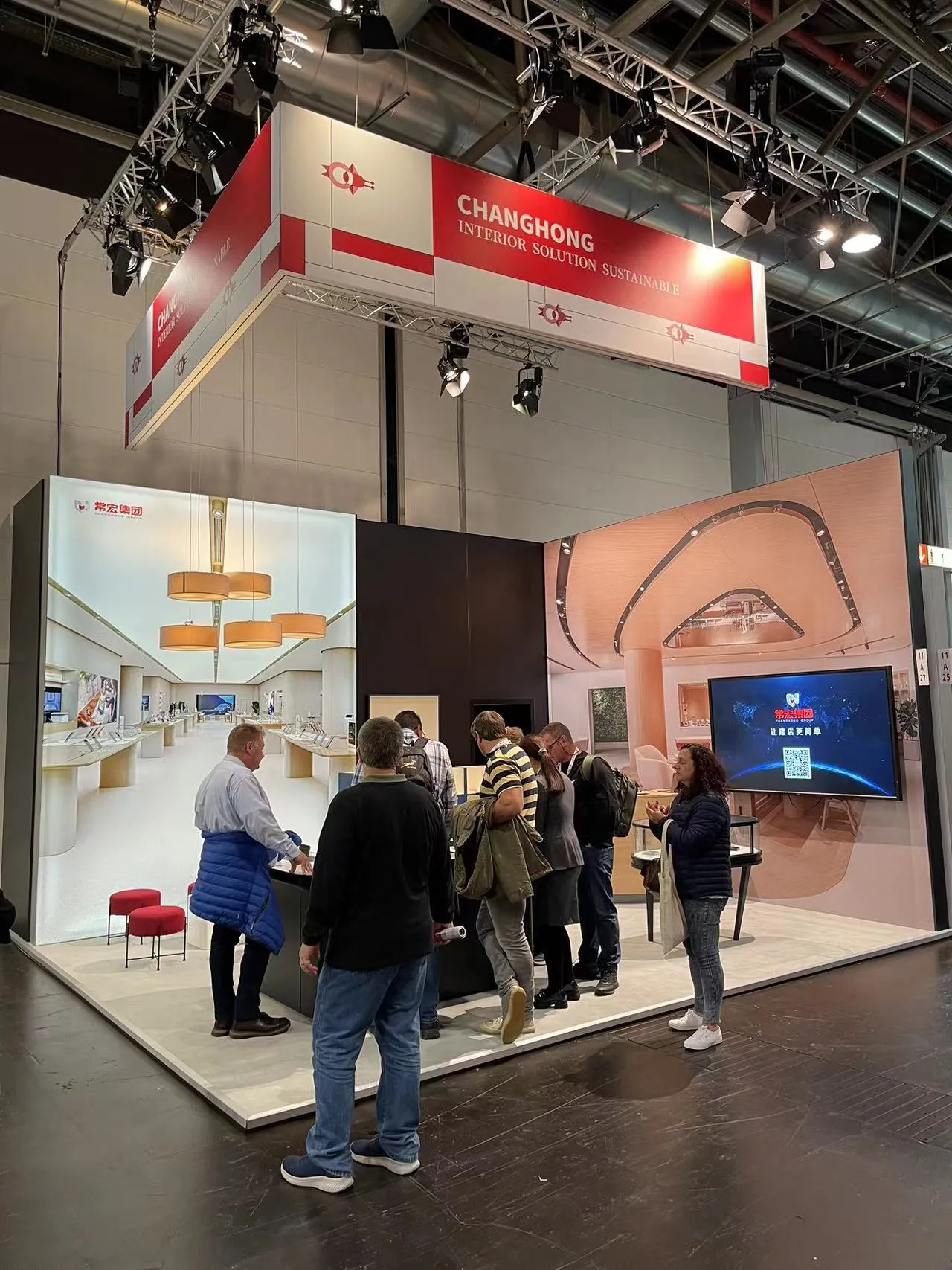
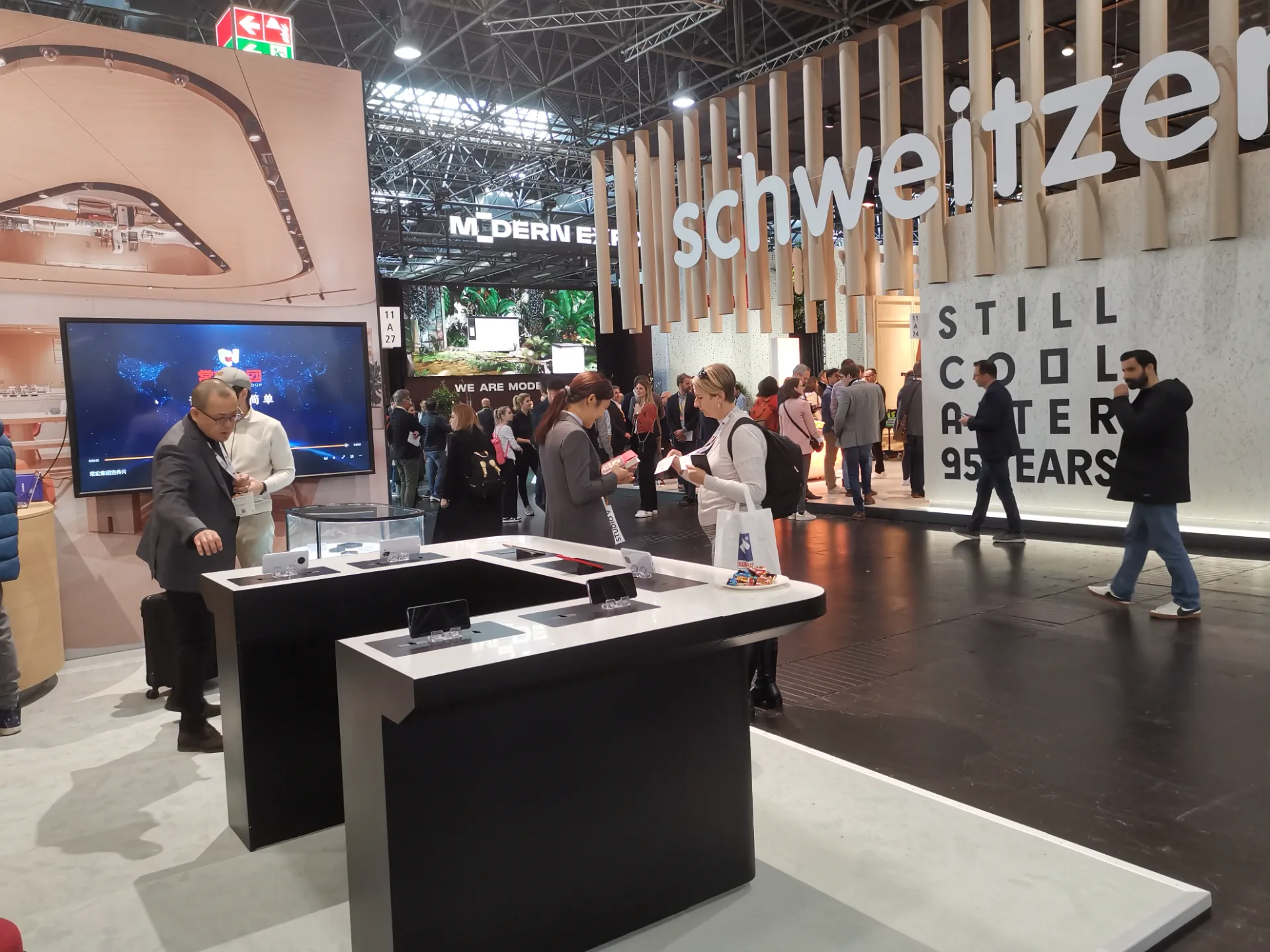
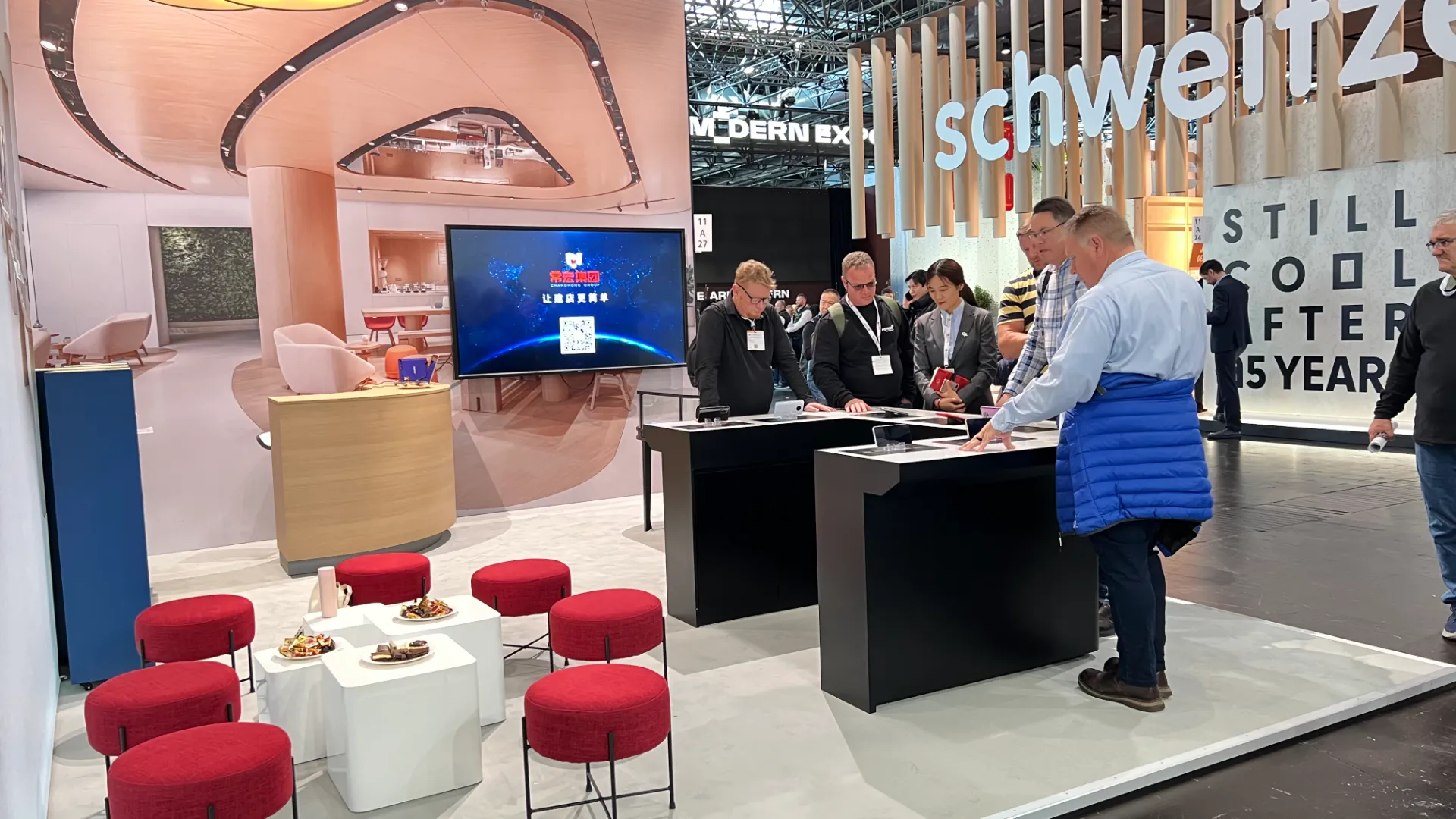
Walk into any leading retailer in Tokyo or Berlin, and you’ll likely find contemporary retail fixtures crafted to specific brand identities while championing environmental goals. In emerging markets, these fixtures empower startups and franchisers to open visually stunning stores without blowing budgets.
In post-disaster or temporary event setups, their ease of transport and quick assembly is a godsend—retail pop-ups or emergency supply centers can pop up fast and look professional.
Industries beyond traditional retail also benefit. Think museums, galleries, and trade shows where modern fixture designs are part exhibit, part storytelling.
Mini takeaway: Contemporary retail fixtures cross borders and sectors, powering modern retail and event experiences worldwide.
Vendor Comparison: Top Contemporary Retail Fixture Providers
| Vendor | Material Focus | Customization Options | Lead Time | Price Range |
|---|---|---|---|---|
| EcoFixtures Co. | Recycled metals & bamboo | Full branding/colors | 4-6 weeks | $$$ |
| ModuShop Systems | Aluminum & tempered glass | Modular shelves, minimal branding | 2-3 weeks | $$ |
| BrightRetail Solutions | Plastic composites & LEDs | Digital integration | 3-5 weeks | $$$ |
The Long Game: Benefits Beyond First Impressions
Installing contemporary retail fixtures isn’t just a beauty contest. Their durability translates to fewer replacements, reducing waste—and cost. Sustainable materials ease environmental impact, answering growing consumer demand for responsibility and transparency.
Socially, they allow brands to present products clearly and attractively, increasing shopper satisfaction and trust. Emotionally, they offer safety and comfort by creating inviting, well-organized spaces. Plus, the innovative tech elements can surprise and engage customers in new ways, keeping brick-and-mortar relevant in the digital age.
Mini takeaway: These fixtures pay dividends through eco-consciousness, customer appeal, operational savings, and future-proofing retail assets.
What’s Next? Emerging Innovations in Retail Fixture Design
The future is bright—and maybe a little geeky. Expect to see smart materials that self-clean or adjust lighting depending on foot traffic. Advances in 3D printing may allow on-site fixture fabrication, drastically cutting lead times and waste.
Green energy integration like solar-powered digital displays and touchless tech to meet health standards will grow. Retailers are also eyeing AI-powered analytics embedded within fixtures to gather shopper data in real time, blending design and strategy.
Addressing the Bumps: Challenges and Solutions
Of course, there are hiccups. Upfront costs can intimidate small retailers. Not all fixtures are universally adaptable; poor design choices can impede store flow. Plus, recycling composite materials remains tricky in some regions.
Experts recommend viewing these investments as multi-year commitments to ROI. Combining modularity with well-planned space strategy mitigates mismatched sizing. And collaborating with vendors who prioritize cradle-to-cradle design eases environmental concerns.
FAQ: Your Practical Questions About Contemporary Retail Fixtures
- Q: How quickly can contemporary retail fixtures be deployed in a new store?
- A: Most modular fixtures enable setup within days, sometimes hours, without special tools. Lead times generally range from 2 to 6 weeks depending on customization.
- Q: Are contemporary retail fixtures a good investment for small businesses?
- A: While slightly costlier upfront, their adaptability and durability usually result in long-term savings, making them ideal for businesses anticipating growth and frequent floor updates.
- Q: Can these fixtures help with sustainability goals?
- A: Absolutely. Many use recycled or eco-certified materials and promote reuse and recyclability, aligning with international environmental standards.
- Q: Is digital integration standard in contemporary retail fixtures?
- A: Digital features are increasingly common but not universal. Options range from built-in LED lighting to NFC tags and interactive screens—often customized per client needs.
Wrapping Up: The Case for Contemporary Retail Fixtures
Contemporary retail fixtures aren’t just pretty props—they're foundational pieces evolving retail worldwide. Their blend of form, function, and responsibility tap into global trends pushing retail toward exciting, sustainable horizons.
Whether you’re revamping an existing store or opening your first outlet, investing in these adaptable and eco-friendly fixtures better positions your brand for today’s fast-paced market.
Ready to evolve your retail space? Discover the best in contemporary retail fixtures for your business and step confidently into the future.
References
Latest news
-
Choosing the Best Glass Showcase for Home to Elevate Interiors
NewsApr.16,2026
-
The Ultimate Guide to Choosing a Luxury Jewelry Showcase
NewsApr.09,2026
-
Choosing the Right Glass Showcase to Enhance Your Retail Display and Security
NewsApr.07,2026
-
Elevate Your Antique Store with Timeless Antique Store Fixtures
NewsApr.04,2026
-
Optimizing Retail Spaces with Effective Fixtures in Stores
NewsMar.31,2026
-
Optimizing Retail Spaces with Effective Retail Merchandising Fixtures
NewsMar.28,2026