
Nov . 27, 2025 01:30 Back to list
Boutique Fixtures: Personalized Retail Displays for the Modern Storefront
Understanding Boutique Fixtures: Why They Matter in Today’s Retail World
If you’ve ever walked into a trendy store and noticed how every piece of furniture or display seems tailor-made for that specific brand vibe, you’ve witnessed boutique fixtures at work. But beyond just aesthetics, these fixtures address a much bigger global demand: creating personalized, functional, and sustainable retail environments that elevate the shopping experience while reflecting a brand’s identity.
Interestingly, the global retail fixtures market, according to industry reports, is growing steadily, clocking in a CAGR of around 4%—driven by the rise of specialty stores, pop-ups, and experiential retail. But it’s not just about looking pretty. Boutique fixtures solve real challenges: from space optimization in dense urban locations to modular design that can quickly adapt as brands evolve.
Mini takeaway: Boutique fixtures aren’t just decorative elements. They’re practical, scalable solutions designed to address modern retail needs globally.
What Are Boutique Fixtures, Really?
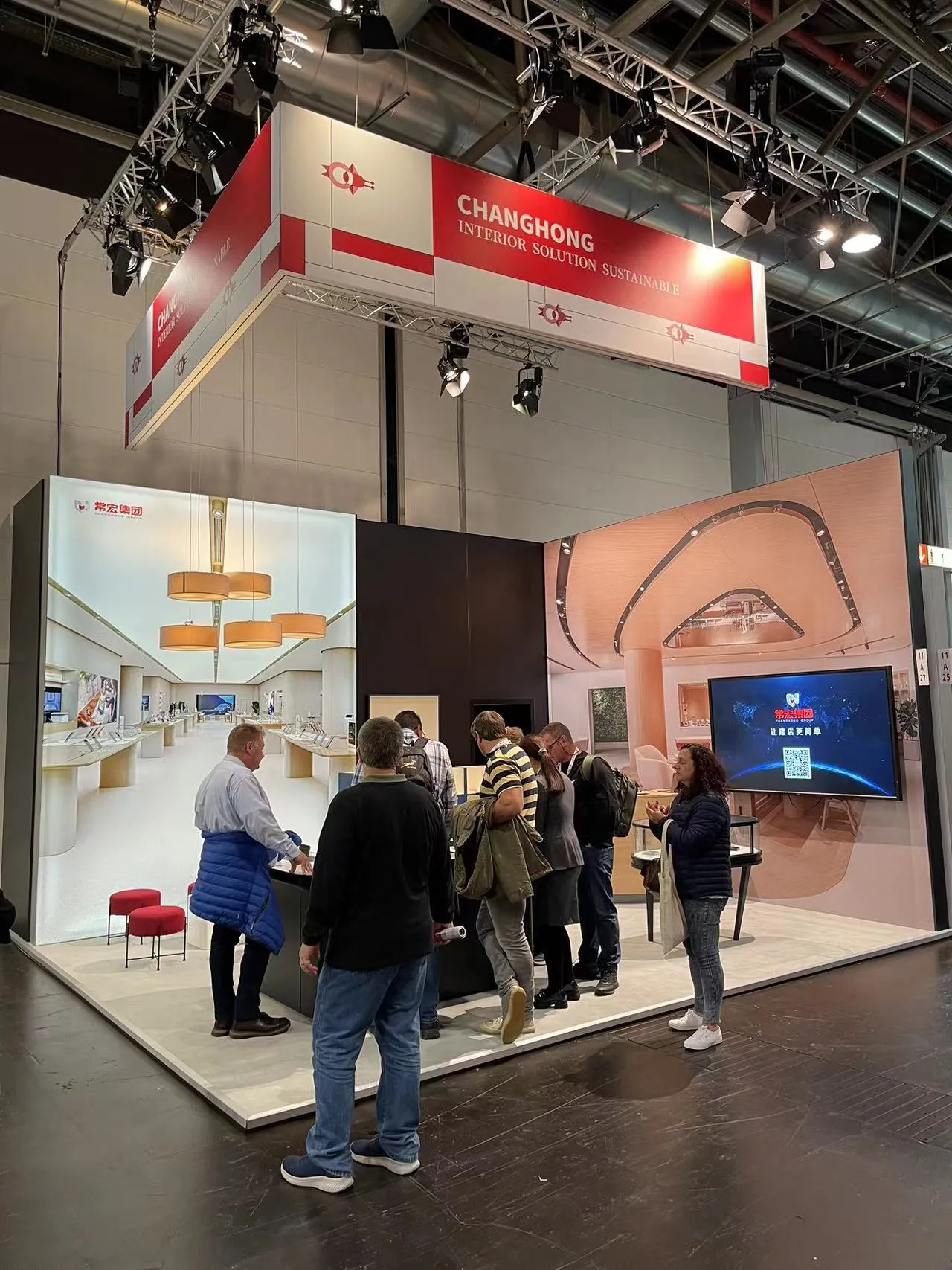
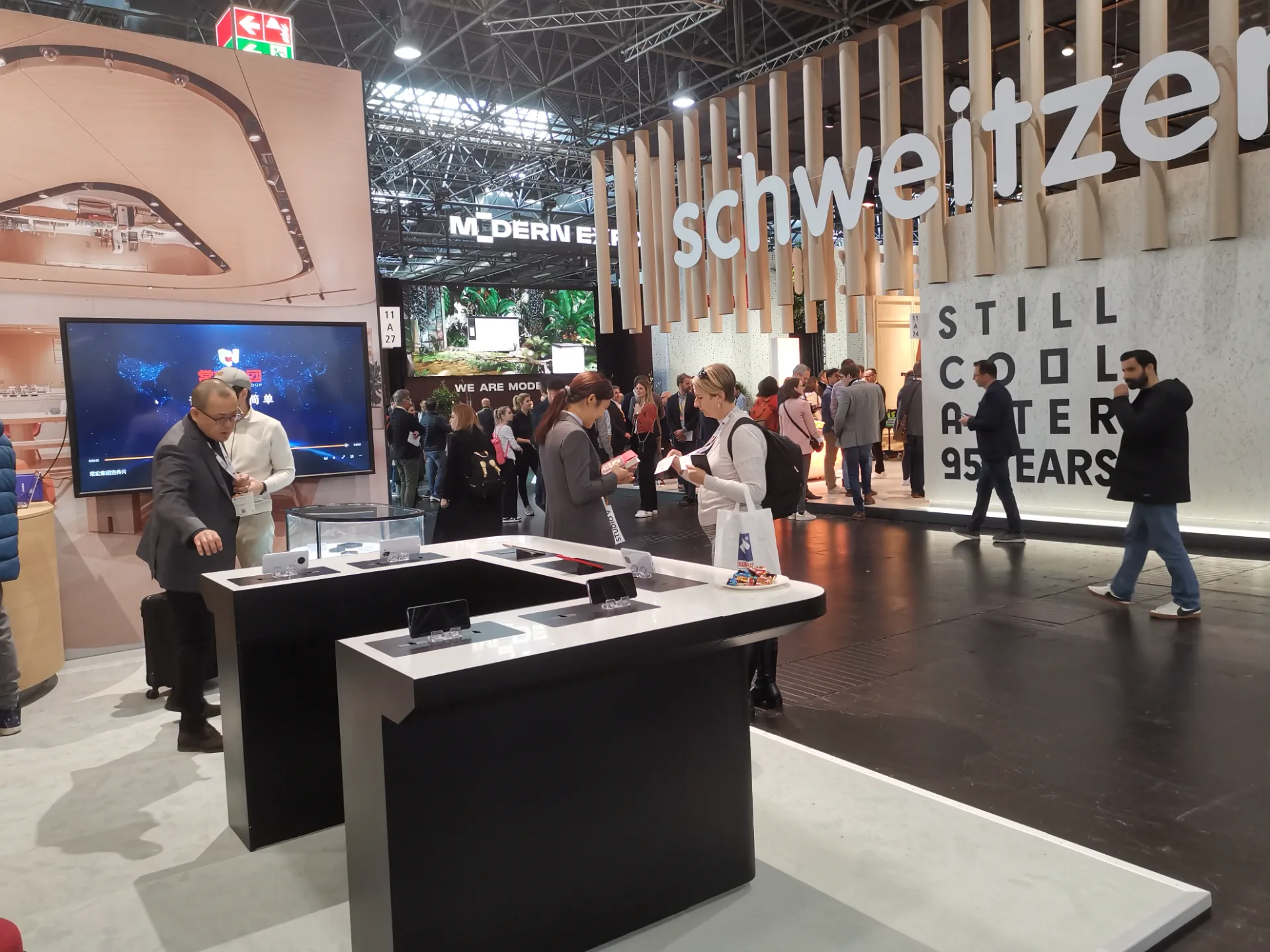
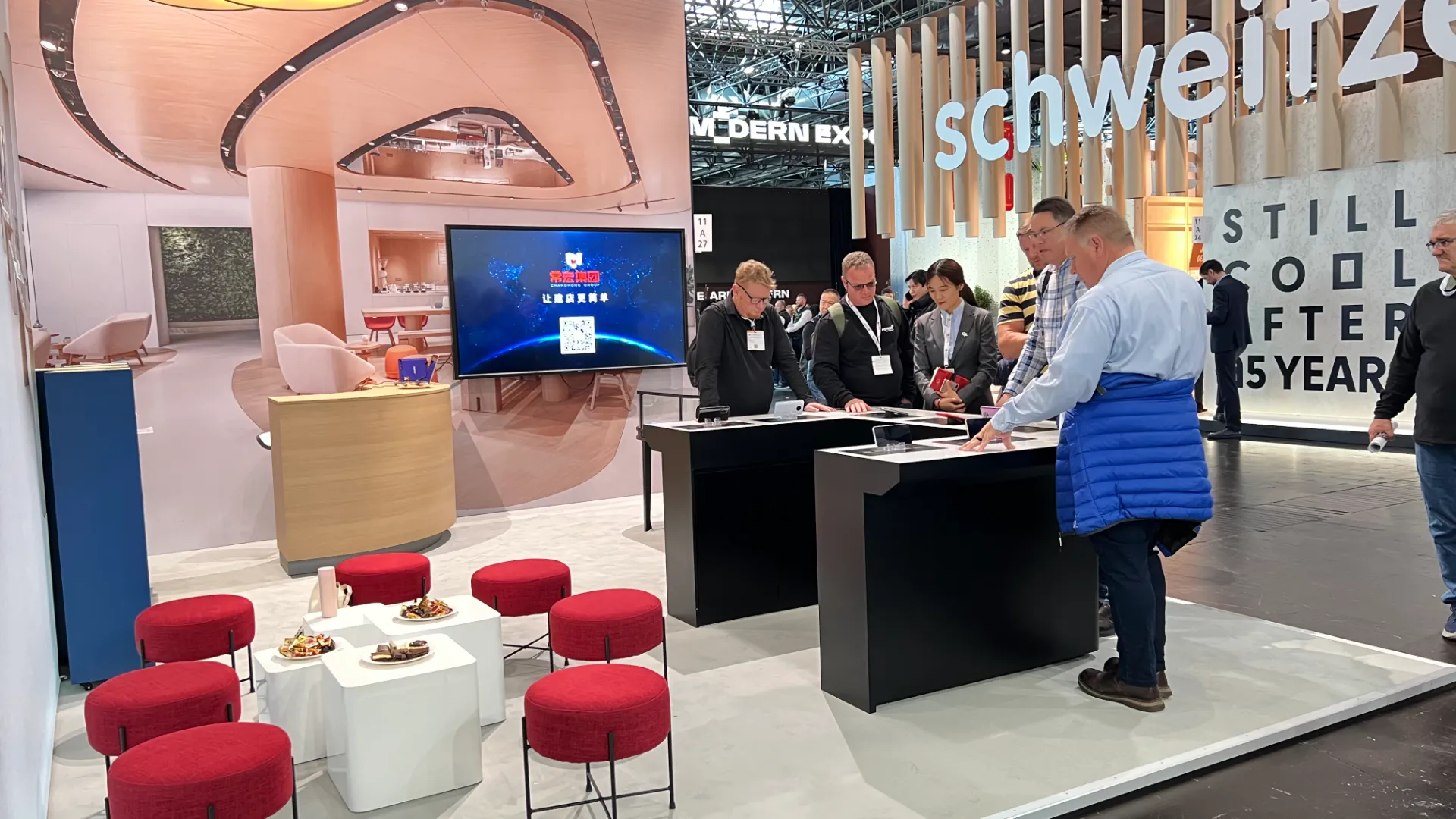
In simple terms, boutique fixtures are specialized retail furnishings—think display units, shelving, counters, holders, even integrated lighting—uniquely crafted for boutique or specialty stores. Unlike standard, mass-produced fixtures, these are often custom-designed to fit specific spatial constraints, brand aesthetics, and product types.
These fixtures have become essential as modern retail embraces personalization and immersive shopping. They’re no longer mere props; they’re part of the storytelling. On a humanitarian level, similar principles apply in pop-up clinics or mobile stores where effective, compact, and aesthetically pleasing fixtures facilitate better flow and customer comfort.
Mini takeaway: Boutique fixtures merge functionality with design, tailoring retail spaces to unique user and brand needs.
Core Components of Boutique Fixtures
1. Durability and Quality Materials
Retail environments can be high-traffic zones, so these fixtures must withstand constant use without looking worn. Common materials include solid wood, powder-coated metals, and tempered glass, chosen both for longevity and style.
2. Scalability and Modularity
Many brands evolve quickly, and boutique fixtures are designed to be scalable—allowing retailers to add or rearrange components without wholesale replacement.
3. Space Efficiency
Especially in urban or premium locations where square footage is pricey, boutique fixtures maximize space usage through clever layouts and multi-functional designs.
4. Brand Alignment and Customization
From color choices to texture and lighting, fixtures visually reinforce brand identity, enhancing customer recall and loyalty.
5. Sustainability
More retailers are demanding eco-friendly options, utilizing reclaimed wood, recyclable composites, or low-VOC finishes to meet environmental standards.
| Feature | Details | Typical Usage |
|---|---|---|
| Material | Powder-coated steel, solid oak, tempered glass | Shelving, racks, display counters |
| Dimensions | Custom; typical range 2’–6’ height, modular widths | Adjustable displays, multi-tier shelving |
| Finish | Low-VOC matte or gloss coatings | Eco-conscious stores, boutique brands |
| Lighting Integration | LED strips, spotlights built-in | Highlight products, create mood |
| Portability | Modular units with lockable wheels | Pop-up shops and market stalls |
Mini takeaway: Durability, adaptability, space-smart design, and customization are the heart of great boutique fixtures — seasoned with an eco-conscious twist.
Global Applications: Who Uses Boutique Fixtures and Why?
Boutique fixtures are everywhere from hip urban apparel stores in New York to artisanal coffee shops in Berlin, from high-end cosmetic counters in Tokyo to pop-up markets in Nairobi. Why? Because the blend of style and function fits diverse retail needs.
For example, boutique fixtures have been increasingly adopted by small businesses in developing cities — areas where permanent retail infrastructure might be limited but entrepreneurs crave professional brand presence. In disaster recovery zones, modular boutique-style fixtures have helped NGOs set up efficient distribution centers that also respect human dignity.
Another good case: luxury watch retailers in Singapore use fixtures custom-built with reinforced glass and lighting to highlight craftsmanship. Meanwhile, fashion startups rely on lightweight, movable units to experiment with layouts based on shopper flow analytics.
Mini takeaway: Boutique fixtures are versatile tools, bridging luxury and practicality across global markets and industries.
The Long-Term Advantages of Boutique Fixtures
On a practical level, these fixtures save costs over time thanks to modular parts and durable materials — fewer replacements, less waste. Plus, they boost sales by creating inviting, navigable spaces that encourage longer browsing and higher customer satisfaction.
Emotionally, if a fixture reflects and respects the brand’s story and customer values, it builds trust and loyalty — that all-important human connection amidst the sea of online commerce.
Socially and environmentally, pushing for sustainable materials and local production reduces carbon footprints and supports artisans, ensuring your boutique display isn’t just beautiful but responsible.
Future Trends: What’s Next for Boutique Fixtures?
We’re seeing exciting innovation in eco-friendly composites and smart fixtures that can adjust lighting or display dynamically based on time of day or inventory — thanks largely to IoT (Internet of Things) advances. 3D printing and augmented reality (AR) are also blurring lines between physical and digital retail experiences.
Retailers increasingly demand zero-waste, circular design solutions, prompting fixture makers to innovate with biodegradable materials or fully recyclable parts — all certified under international standards such as ISO 14001 for environmental management. Imagine a fixture that disassembles in minutes for recycling or repurposing rather than landfill.
Common Challenges and How the Industry Is Overcoming Them
Not surprisingly, bespoke fittings sometimes come with higher upfront costs and longer lead times compared to mass-produced fixtures. But by adopting modular kits and digital prototyping, many manufacturers now shorten design cycles while keeping customization options open.
Another hurdle: balancing aesthetics with sustainability. Some eco-materials lack the robustness expected from premium fixtures. Researchers and brands are collaborating on blended composites that maintain durability without compromising green goals.
FAQ: Your Boutique Fixtures Questions, Answered
- Q1: What sets boutique fixtures apart from regular store fittings?
A: Boutique fixtures are typically custom or semi-custom units focused on brand identity and spatial optimization, whereas regular fittings are generic, standard pieces without such personalization. - Q2: How do I maintain boutique fixtures to ensure longevity?
A: Regular cleaning with gentle agents, avoiding harsh chemicals, and promptly repairing minor damages extend fixture life. Use manufacturer-recommended maintenance guides. - Q3: Can boutique fixtures be eco-friendly?
A: Absolutely. Many use reclaimed wood, recyclable metals, and low-VOC finishes. Some manufacturers even offer take-back programs to recycle or refurbish old units. - Q4: How adaptable are boutique fixtures for seasonal store changes?
A: Most are designed modularly to allow quick configuration changes, making seasonal restyling efficient without needing a full overhaul. - Q5: What’s a typical lead time for custom boutique fixtures?
A: It varies, but manufacturers using digital prototyping and modular systems can deliver within 4–8 weeks, depending on complexity.
| Vendor | Customization Level | Eco-Friendly Options | Lead Time | Price Range |
|---|---|---|---|---|
| ElegantDisplays Co. | High (Full bespoke) | Yes (Recycled wood) | 6–8 weeks | $$$ |
| ModuStore Fixtures | Medium (Modular kits with custom colors) | Partial | 4–6 weeks | $$ |
| EcoRetail Solutions | Low (Standard models with eco finishes) | Yes (Fully vegan, recycled plastics) | 3–5 weeks | $ |
Wrapping It Up: Why Boutique Fixtures Are Worth Your Attention
Boutique fixtures aren’t just stylish add-ons. They’re strategic, sustainable investments shaping how retail brands interact with customers in an increasingly personalized world.
From durability and customization to global applications in boutique stores and humanitarian setups, their versatility is the reason they’re gaining traction worldwide. If you’re looking to highlight your brand’s personality and adapt smoothly to market changes, they’re the silent workhorse behind your store’s vibe.
Take a closer look at boutique fixtures today and see what fits your space and story. You might just find that perfect balance of function, form, and future-forward thinking — a rare trio indeed.
References:
1. Wikipedia: Retail Display
2. ISO 14001 Environmental Management
3. UN Sustainable Development Goals
Latest news
-
Choosing the Best Glass Showcase for Home to Elevate Interiors
NewsApr.16,2026
-
The Ultimate Guide to Choosing a Luxury Jewelry Showcase
NewsApr.09,2026
-
Choosing the Right Glass Showcase to Enhance Your Retail Display and Security
NewsApr.07,2026
-
Elevate Your Antique Store with Timeless Antique Store Fixtures
NewsApr.04,2026
-
Optimizing Retail Spaces with Effective Fixtures in Stores
NewsMar.31,2026
-
Optimizing Retail Spaces with Effective Retail Merchandising Fixtures
NewsMar.28,2026