
Dec . 07, 2025 16:55 Back to list
Bike Shop Display: Boost Retail Success with Modern, Durable Fixtures
Bike Shop Display: A Key Tool for Modern Retail and Brand Experience
If you’re running a bike shop or diving into retail strategies, the term bike shop display might have popped up lately. But why does it matter so much in today’s fast-evolving retail landscape? Essentially, a well-designed bike shop display is more than just a fixture — it’s a powerful tool that shapes customer experience, boosts sales, and even supports sustainability goals globally. In an era where customer attention is fragmented and competition fierce, having the right display solution can make or break how a bike shop engages its visitors and turns browsers into buyers.
Introduction: The Global Context and Rising Importance of Bike Shop Display
The global bicycle market has been on a significant upswing over the past decade — driven by urbanization, rising fitness trends, and, frankly, the shift toward greener transportation. According to a 2023 report by the Statista, global bicycle sales exceeded 130 million units annually, with retail environments playing a critical role in influencing purchase decisions. But beyond sheer demand, there’s a challenge: how to present these products in ways that resonate within a crowded, competitive space? That’s where bike shop displays step in.
The real problem many bike shops face is cluttered, uninspired layouts that confuse customers or hide products in plain sight. Effective bike shop displays solve this by providing an interactive and convenient browsing experience, highlighting bike features and accessories clearly and attractively.
What Is a Bike Shop Display?
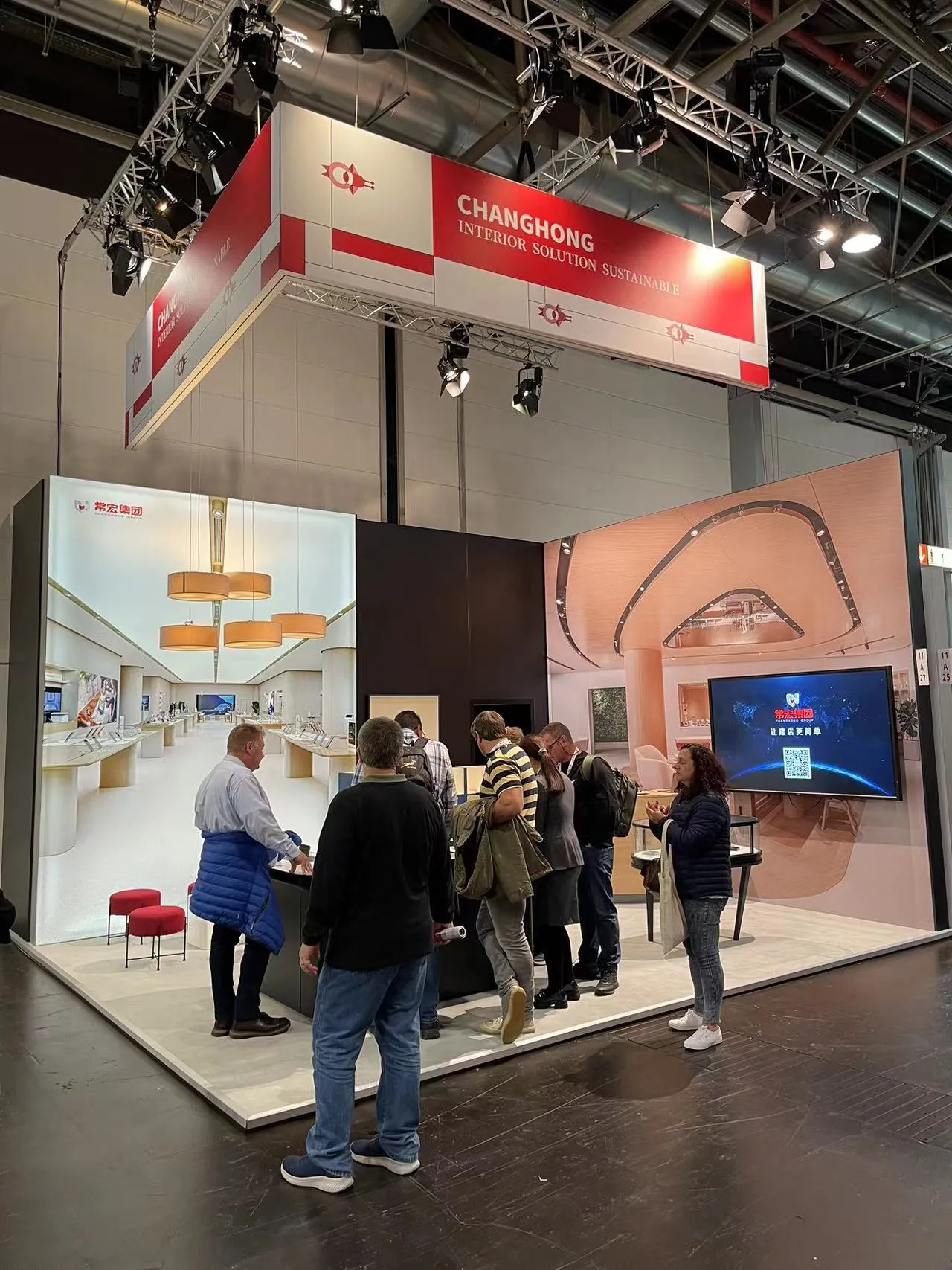
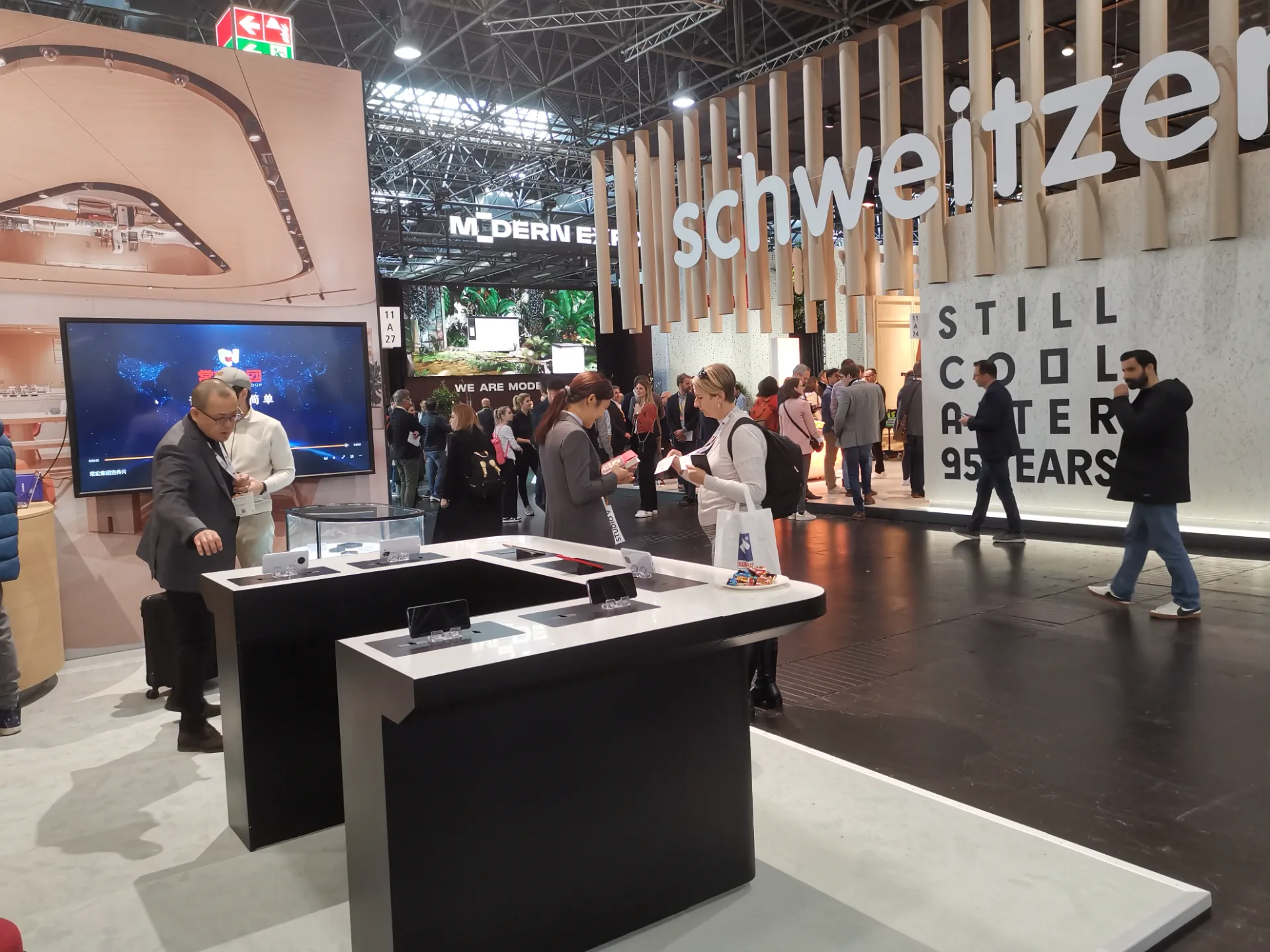
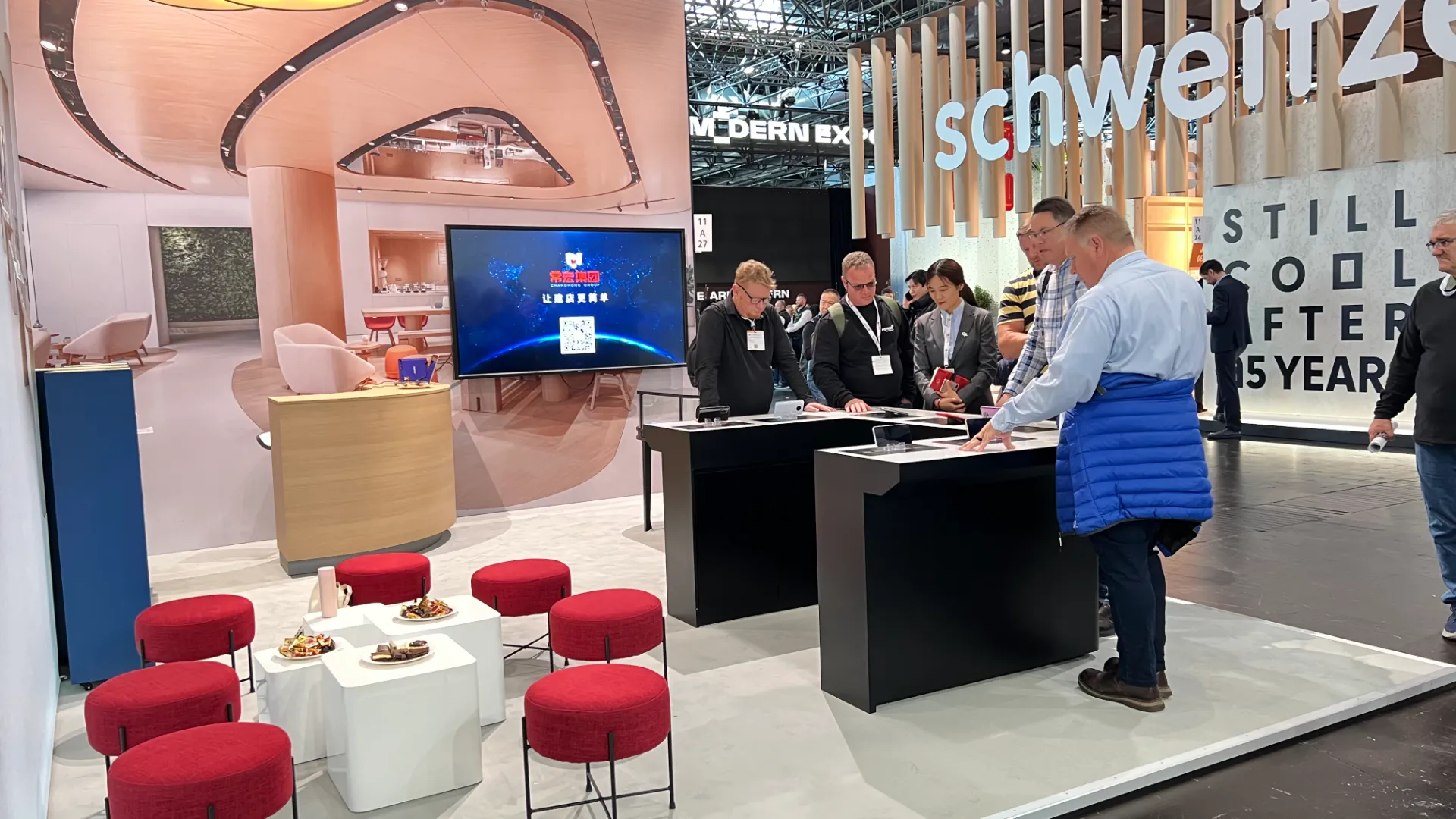
Simply put, a bike shop display is any fixture, stand, or structure in a retail environment specifically designed to present bicycles, parts, and accessories to customers. They range from simple wall racks and floor stands to elaborate modular systems that can be tailored according to space and brand identity.
Often, these displays integrate modern retail tech — lighting, signage, even digital information panels — making the shopping experience informative and immersive. On a larger scale, properly designed bike displays can serve humanitarian goals, such as promoting sustainable transport in developing regions, but that’s a story for another day.
Key Factors Behind Effective Bike Shop Displays
1. Durability
Bike displays must be sturdy, often supporting heavy models and enduring constant movement around the shop. Materials like reinforced steel or high-grade aluminum are common choices. Many engineers suggest modular designs that can adapt but remain tough against wear and tear.
2. Scalability
As inventory and shop size grow, displays need to scale without requiring full replacement. Flexible systems that allow easy expansion or rearrangement save money and offer creative freedom.
3. Cost Efficiency
Oddly enough, cost isn’t just upfront investment—maintenance and ease of assembly count heavily. Shops prefer displays that set up quickly and require minimal upkeep, balancing quality with budget.
4. Aesthetics & Branding
Your display is part of your shop’s story. It should reflect brand colors and ethos, whether minimalist industrial or vibrant urban. Customers notice these subtleties.
5. Accessibility
Ensuring bikes and accessories are within easy reach and visible at multiple angles enhances the shopper’s journey. Accessibility also touches on inclusivity, accommodating customers with mobility challenges.
Real-World Applications: Where Bike Shop Displays Shine
In Europe, for instance, where cycling culture is deeply embedded, well-crafted bike shop displays add to the customer’s overall cycling experience — more than just a purchase, it’s the start of a lifestyle. Asian bike retailers, increasingly blending ecommerce with brick-and-mortar, often use modular displays outfitted with QR codes linking to online reviews or customization options. In the U.S., specialty bike shops rely on durable displays to showcase high-end electric bikes prominently, enhancing perceived value.
On a different note, communities aiming to promote cycling for environmental reasons sometimes deploy mobile pop-up displays during events, making it easier to educate people and encourage bike sales without permanent storefronts.
Advantages and Long-Term Value of Good Bike Shop Displays
- Cost Savings: Durable, modular designs reduce replacement frequency and support ongoing shop growth.
- Sustainability: Many manufacturers now offer displays made from recycled or responsibly sourced materials, aligning with the cycling ethos.
- Customer Trust and Loyalty: A clean, thoughtfully arranged shop increases shopper confidence, encouraging return visits.
- Social Impact: Well-placed bike shop displays can spotlight new technologies — electric, folding, cargo bikes — contributing to greener cities.
In the end, these displays do more than hold bikes — they tell stories, invite exploration, and strengthen community connections. There’s an emotional element in seeing a favorite bike neatly displayed, ready for adventure.
Emerging Trends and Innovations in Bike Shop Displays
Digital integration is rapidly changing the game. Smart displays with embedded screens or augmented reality elements are starting to enter the mainstream, allowing riders to customize colors or components virtually. Furthermore, sustainability is front and center: manufacturers are experimenting with biodegradable plastics and lightweight recycled metals.
Automation might eventually allow PC-controlled movable racks responding to time of day or foot traffic patterns. And green energy solutions — like solar-powered lighting — promote eco-friendly storefronts, syncing perfectly with cycling’s spirit.
Common Challenges and Expert Solutions
Despite the apparent benefits, challenges remain. Space constraints often force compromises on bike quantity or display type. Plus, smaller shops sometimes struggle with the upfront cost of premium modular systems. But many designers now offer rental or leasing options, lowering barriers to access. Meanwhile, clever fold-away or vertical displays maximize small floorspace without sacrificing appeal.
Another issue is balancing durability with sustainability — tough enough to last, yet eco-friendly. Advances in composite materials are promising solutions, though they can come at a premium. Partnering with experienced vendors can smooth these trade-offs.
Product Specification Table: Typical Bike Shop Display Features
| Feature | Specification | Notes |
|---|---|---|
| Material | Reinforced steel / Aluminum / Sustainable composites | Balance durability & eco-impact |
| Load Capacity | Up to 50 kg per rack | Supports most modern bicycles |
| Modular Design | Yes, expandable units | Allows for shop growth |
| Dimensions | Varies; typical 1.5m height, 2m width per section | Customizable per space |
| Finish | Powder coated / Eco-friendly paint | Enhances visual appeal, corrosion resistance |
| Additional Features | Integrated lighting / Digital signage | Improves customer engagement |
Vendor Comparison: Top Bike Shop Display Solutions
| Vendor | Price Range | Customization | Eco-Friendliness | Tech Features |
|---|---|---|---|---|
| CycleStand Pro | $$$ | High; modular units, color options | Medium; recycled metal components | LED lighting, QR code integration |
| GoGreen Displays | $$ | Medium; fixed sizes, limited color | High; biodegradable and recycled materials | Basic lighting only |
| UrbanRack Co. | $ | Low; standard designs | Low; mainly steel | None |
Frequently Asked Questions About Bike Shop Display
Q1: What types of bike shop displays are best for small spaces?
A1: Vertical wall-mounted racks and fold-away modular units are usually ideal for compact shops. They maximize floor space while keeping bikes accessible. Also, consider displays with wheels or easy movers for dynamic layout changes.
Q2: How do bike shop displays influence customer buying decisions?
A2: Displays that highlight product features clearly and attractively help customers compare models easily. Interactive elements, like touch screens or lighting focused on key components, create a memorable experience that subtly nudges purchase decisions.
Q3: Are eco-friendly bike shop displays significantly more expensive?
A3: Initially, sustainable materials or finishes might cost more, but long-term benefits—like durability and brand goodwill—often justify the investment. Plus, many vendors offer mid-range eco options balancing cost and green impact.
Q4: Can I customize a bike shop display to fit my brand identity?
A4: Definitely! Most premium vendors provide modular and color-customizable options. Adding branded colors, logos, or digital signage helps create a unique retail atmosphere that customers remember.
Q5: How do I maintain bike shop displays to prolong their life?
A5: Regular cleaning, avoiding heavy impacts, and occasional inspections for loose parts are simple but effective. Using rust-resistant coatings or covers during off hours also prevents premature wear.
Conclusion: Why Investing in the Right Bike Shop Display Pays Off
Choosing the right bike shop display is, frankly, an investment not just in storage but in experience and future growth. It shapes how customers perceive your business and encourages sustainable shopping patterns that resonate globally. The perfect blend of durability, style, and innovation can keep your shop competitive and welcoming for years to come. Curious to explore more tailored solutions? Visit our website for expert advice and the latest products: bike shop display.
Mini takeaway: A thoughtfully designed bike shop display is the silent salesperson that never sleeps — it informs, invites, and inspires.
References
Latest news
-
Choosing the Best Glass Showcase for Home to Elevate Interiors
NewsApr.16,2026
-
The Ultimate Guide to Choosing a Luxury Jewelry Showcase
NewsApr.09,2026
-
Choosing the Right Glass Showcase to Enhance Your Retail Display and Security
NewsApr.07,2026
-
Elevate Your Antique Store with Timeless Antique Store Fixtures
NewsApr.04,2026
-
Optimizing Retail Spaces with Effective Fixtures in Stores
NewsMar.31,2026
-
Optimizing Retail Spaces with Effective Retail Merchandising Fixtures
NewsMar.28,2026