High Quality Retail Display Systems to Buy Slatwall Online
Optimizing retail space requires a balance between aesthetic appeal and functional versatility. For business owners in the fashion and boutique sectors, the ability to rapidly reconfigure product displays is critical to maintaining customer interest and maximizing sales per square foot. Slatwall systems provide this agility, offering a modular approach to wall-mounted merchandising that supports a wide variety of hooks, shelves, and baskets.
Whether you are designing a high-end boutique or a high-traffic shopping mall kiosk, selecting a system that combines durability with a modern design is essential. High-quality slatwalls constructed from MDF wood, stainless steel, or glass ensure that your merchandise is presented securely while reflecting your brand's commitment to quality. By integrating these systems, retailers can transform static walls into dynamic sales tools that adapt to seasonal trends and inventory changes.

Understanding Modular Display Systems in Modern Retail Environments
A slatwall is more than just a wall panel; it is a strategic component of store architecture. In the competitive landscape of fashion stores and boutiques, the visual merchandising strategy often dictates the customer journey. By utilizing horizontal grooves, these systems allow for the seamless placement of accessories, which can be moved in seconds to highlight new arrivals or promotional items.
The versatility of these systems is rooted in their material composition. Depending on the brand identity, businesses can opt for MDF Wood for a warm, organic feel, or Stainless Steel and Metal for a sleek, industrial aesthetic. The integration of glass elements further enhances the luxury feel of the display, making it suitable for high-end jewelry or accessory kiosks. This flexibility ensures that the fixture complements the interior design rather than clashing with it.
For those looking to buy slatwall solutions, it is important to consider the load-bearing capacity and the precision of the groove spacing. A well-manufactured system ensures that hooks remain stable even under the weight of heavy garments or stacked footwear, preventing unsightly sagging and maintaining a professional store appearance.

Critical Material Selection and Customization for Brand Alignment
Matching the display material to the product category is a fundamental step in retail engineering. For instance, a boutique focusing on sustainable fashion may prefer customized MDF with eco-friendly coatings, while an electronic store might require the durability and conductivity of metal frameworks. Customization extends beyond material to include specific dimensions, custom colors, and specialized styles such as "Neat, Modern, and Fashion," ensuring the fixtures align with the corporate identity.
Our manufacturing approach emphasizes precision. Utilizing CNC Nesting Machines and 6-sided Drilling centers, we ensure that every panel is cut to exact specifications. This level of accuracy is vital for large-scale installations in shopping malls where wall dimensions may be irregular. A tailor-made design approach allows for the integration of branding concepts directly into the layout, transforming a utility wall into a branded experience.
Furthermore, the finishing process is where the visual impact is solidified. Through professional painting and powder coating workshops, we provide a spectrum of finishes—from high-gloss lacquers to matte metallic textures—that protect the material from daily wear and tear while enhancing the lighting effects within the store.
Practical Application Scenarios Across Diverse Commercial Spaces
The application of modular wall fixtures varies significantly based on the retail format. In a Fashion Store, slatwalls are often used to create "zones" of clothing, allowing a mix of hanging racks and folded shelf displays. This hybrid approach maximizes the use of vertical space, leaving more room for customer movement and fitting room access.
In Shopping Mall Kiosks, where space is at a premium, the efficiency of a slatwall is unmatched. These compact environments require high-density storage and display; a customized slatwall allows the operator to utilize every inch of the perimeter. The ability to quickly swap out merchandise based on peak hour traffic or daily promotions makes it an indispensable tool for kiosk management.
For Boutiques, the focus shifts toward "curated minimalism." Here, slatwalls are often hidden behind seamless panels or integrated into custom millwork to maintain a high-end aesthetic while retaining the underlying flexibility of the modular system. By combining MDF with glass shelving, boutiques can create floating displays that feel light and airy yet remain structurally sound.
Retail Display Specification and Selection Matrix
| Material Type | Visual Style | Recommended Use | Durability Level |
|---|---|---|---|
| MDF Wood | Warm / Classic | Clothing Boutiques | Medium-High |
| Stainless Steel | Industrial / Modern | Tech & Electronics | Very High |
| Glass / Metal Hybrid | Luxury / Elegant | Jewelry & Cosmetics | Medium |
| Powder Coated Metal | Clean / Professional | Mall Kiosks | High |
| Custom Composite | Brand-Specific | Flagship Stores | Application-dependent |
Evaluating Supplier Capabilities for Large-Scale Store Fit-Outs
Procuring store fixtures for a national rollout or a large-scale mall project requires more than just a product catalog; it requires a partner with integrated manufacturing and logistics capabilities. A critical factor is the presence of multi-disciplinary workshops—wood, metal, plastic, and painting—under one roof. This vertical integration reduces lead times and ensures that the different materials used in a single display are color-matched and structurally compatible.
Quality control should be an end-to-end process. From the moment raw materials reach the warehouse to the final packaging with EPE cotton and wood boxes, every stage must be monitored. For international buyers, the logistics chain is equally important. The use of barcode-tracked storage and a dedicated dispatch system ensures that components arrive on-site in the correct sequence, reducing installation errors and delays.
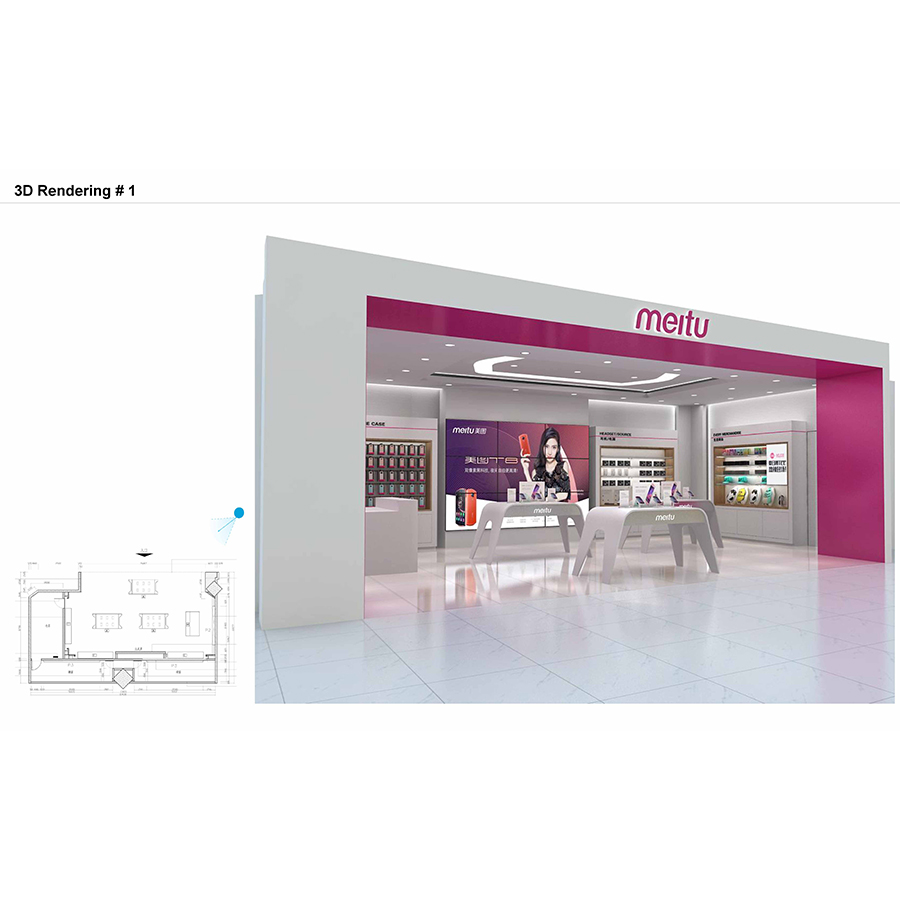
Additionally, the ability to handle both OEM and ODM projects is a hallmark of a professional supplier. Whether a client provides a detailed 3D design or requires a complete branding concept from scratch, the manufacturer's R&D department must be able to translate a visual concept into a buildable, durable reality without compromising the designer's intent.
Future Trends in Sustainable Retail Merchandising
The retail industry is moving toward "green business spaces," where sustainability is as important as profitability. This shift is influencing the design of store fixtures, with an increasing demand for energy-saving materials and recyclable components. Future slatwall systems are likely to integrate smarter lighting solutions, such as embedded LED strips that highlight specific products, reducing the need for excessive overhead lighting.
We are also seeing a trend toward "hyper-personalization" in retail design. Instead of standardized panels, brands are requesting tailor-made layouts that reflect the architectural quirks of their physical locations. This requires a manufacturing process that is flexible enough to handle small-lot personalized orders while maintaining the efficiency of mass production.
Ultimately, the goal is to create a "messenger of beauty" through the environment. By focusing on the intersection of economic efficiency and environmental protection, retailers can build spaces that not only sell products but also communicate a set of values to the conscious consumer, ensuring long-term brand loyalty in an evolving market.
Frequently Asked Questions About Retail Slatwall Systems
What are the primary materials used for professional slatwalls?
Professional slatwall systems are typically constructed from MDF wood for versatility, stainless steel or metal for durability and a modern look, and glass for high-end luxury displays. The choice depends on the store's aesthetic and the weight of the merchandise.
Can slatwall systems be customized for specific brand colors?
Yes, customization is a core service. Through professional painting and powder coating workshops, systems can be produced in any specific color or finish to align with a brand's corporate identity and interior design.
How long is the typical delivery time for custom store fixtures?
For customized orders, the delivery time typically ranges from 15 to 25 days, depending on the complexity of the design and the total volume of the order.
What packaging is used to ensure products arrive undamaged?
To ensure safe international transit, products are packed using a multi-layer system consisting of EPE cotton, bubble wrap, corner protectors, and sturdy wood boxes.
Do you provide design services for store layouts?
Yes, a full range of business services is available, including branding concept development, 3D design, and comprehensive shop layout planning to optimize customer flow and product visibility.
What is the difference between OEM and ODM in the context of store fixtures?
OEM (Original Equipment Manufacturer) involves producing fixtures based on the client's exact designs. ODM (Original Design Manufacturer) means the supplier handles both the design and the manufacturing based on the client's requirements.
Industry Technical References
- ISO Standards for Furniture and Fit-out Quality
- Modern Retail Interior Design Trends
- Retail Space Optimization and Merchandising Logic
- Commercial Wood and Metal Fabrication Standards
Investing in a high-quality, modular display system is a strategic decision that impacts both operational efficiency and customer perception. By choosing a manufacturer with integrated design and production capabilities, you ensure a seamless transition from concept to a fully functional retail space.
Related Retail Design Insights